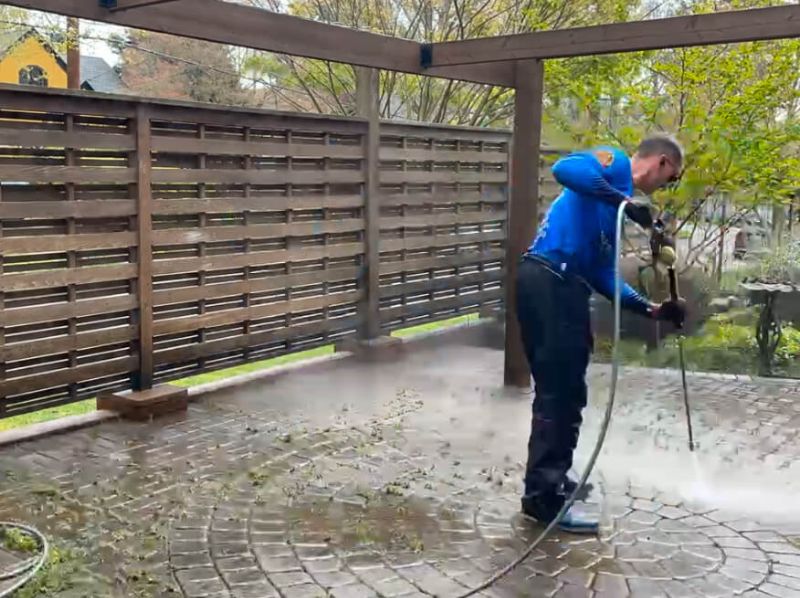
To reduce slip-and-fall risk before the wet season, you need to act before the rain arrives, not after. Schedule professional pressure washing 4-6 weeks before your rainy season starts, targeting entryways, walkways, ramps, and parking areas where moss, algae, and biofilm accumulate fast. Seal cleaned surfaces to slow organic regrowth, document every inspection, and establish a twice-annual cleaning schedule. The specific surfaces and strategies that matter most are all covered ahead.
Key Takeaways
-
Schedule professional surface cleaning 4-6 weeks before the rainy season to allow adequate drying time and complete necessary repairs.
-
Inspect and clean high-risk areas like entry steps, walkways, ramps, and parking edges where organic growth accumulates fastest.
-
Use low-pressure chemical treatments to eliminate moss, algae, and biofilm without damaging concrete, wood, or other surfaces.
-
Seal cleaned surfaces after treatment to reduce future organic buildup and minimize slip hazards throughout the wet season.
-
Document all inspections and cleaning sessions to establish liability protection and support a consistent seasonal maintenance schedule.
Why Wet Season Turns Walkways Into Slip Hazards
When Portland’s wet season arrives, walkways and exterior surfaces become considerably more hazardous almost overnight. Rainy conditions accelerate the growth of moss, algae, and biofilm on concrete, pavers, and entryways. These organisms thrive in moisture and create an invisible layer of biological material that dramatically reduces traction underfoot.
Surface moisture alone doesn’t create the hazard — it’s the combination of water and existing organic buildup that turns ordinary walkways into liability risks. Tenants, visitors, and customers don’t notice the difference until they’re already slipping. In the Pacific Northwest, atmospheric humidity exceeding 80% combined with porous surface materials allows biological growth to reestablish rapidly, even after cleaning.
As a property manager, you’re responsible for identifying these conditions before incidents occur. Waiting until someone falls isn’t an acceptable risk management strategy. Understanding what causes these hazards is the first step toward preventing them before wet season takes hold.
Which Surfaces Become Dangerous When It Rains
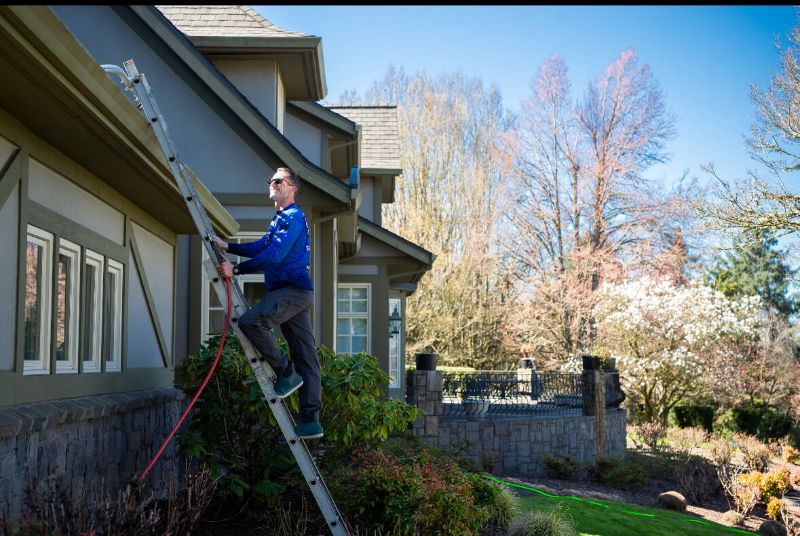
When rain hits your property, three surfaces become immediate liability concerns: concrete walkways, wooden decks, and entry steps. Concrete develops a thin biofilm that turns slick underfoot, while algae-covered wood loses nearly all traction and becomes especially treacherous for residents and visitors. Moss on entry steps compounds the risk further, since it retains moisture long after rain stops, extending the window of potential injury. Left unaddressed, moss lifting shingles and spreading across walkways creates cascading structural and safety problems that grow significantly more expensive to resolve over time.
Slippery Concrete Walkways
Concrete walkways, driveways, and entry paths turn dangerously slick the moment rain arrives—especially when algae, moss, or biofilm has built up on the surface. These slippery surfaces create direct liability exposure for property managers responsible for tenant and visitor safety. Biofilm, in particular, is nearly invisible when dry but becomes extremely hazardous once wet.
Effective cleaning techniques involve applying a low-pressure chemical treatment that breaks down organic growth at the root, followed by a controlled pressure rinse to clear residue without damaging the concrete. Sealing the surface afterward reduces future buildup and extends the cleaning cycle. Accumulated debris and organic growth also attract pests and increase allergen levels in urban areas, compounding health risks beyond simple slip hazards. You should schedule concrete cleaning before wet season begins—not after your first incident report arrives. Proactive maintenance is always less costly than a liability claim.
Algae-Covered Wooden Decks
Wooden decks develop algae faster than most property managers expect, and once that green film takes hold, a dry surface can become dangerously slick within minutes of rain contact. Shaded decks near trees or moisture-retaining structures are especially vulnerable. As part of your deck maintenance protocol, you need to inspect wood surfaces before wet season arrives, not after the first injury claim lands on your desk. Algae prevention requires consistent soft washing to eliminate spores before they colonize and bond to wood grain. Waiting until growth is visible means you’re already behind schedule. Schedule professional deck cleaning annually, and document each service date for liability records. Proactive treatment costs considerably less than a single slip-and-fall settlement, and it protects both tenants and your property’s long-term structural integrity. Installing copper or zinc strips along deck edges and railings can also help inhibit organic growth naturally between scheduled cleaning visits.
Moss-Laden Entry Steps
Entry steps carry a different kind of risk than deck surfaces, and moss is the primary reason. Unlike wide deck boards, steps concentrate foot traffic onto narrow surfaces where balance is already compromised. When moss colonizes entry steps, it creates a layer of organic material that becomes frictionless when wet. Residents and visitors don’t adjust their footing the way they might on a flat surface—they trust the step to hold.
From a liability standpoint, moss-laden entry steps are a documented hazard. Property managers who defer moss removal expose themselves to preventable claims. Scheduling professional treatment before wet season directly addresses entry safety and establishes a clear record of proactive maintenance. Installing zinc or copper strips along step edges can also serve as a long-term deterrent against moss returning between seasonal treatments. Clean, moss-free steps aren’t just better looking—they’re a defensible risk management decision.
Inspect These Areas Before the Rainy Season Starts
Before the rainy season hits, walk your property and assess the areas most likely to become slip hazards when wet. Exterior inspections and seasonal maintenance aren’t optional—they’re liability management. Know exactly where danger accumulates.
Prioritize these high-risk zones:
-
Entry steps and landings – moss and algae colonize fast
-
Walkways and sidewalks – uneven surfaces trap moisture and organic growth
-
Parking lot edges – debris and algae build where drainage slows
-
Ramps and accessible routes – ADA pathways demand consistent traction
-
Covered patios and breezeways – shade accelerates mold and slime growth
Document what you find. Photograph problem areas, note their locations, and schedule cleaning before the first rains arrive. Waiting costs more than preventing. In high-rainfall climates like Portland, clogged gutters overflow onto walkways and entry surfaces, compounding slip hazards by spreading moisture and organic debris well beyond the roofline.
Pressure Wash These High-Traffic Surfaces Before the Rain Hits
Before the rainy season arrives, prioritize pressure washing the surfaces that see the most foot traffic—entryways, walkways, parking areas, and loading zones. Algae, moss, and organic buildup accumulate fastest in these zones, and wet weather turns that buildup into a liability risk almost overnight. Scheduling a professional cleaning before the rain hits lets you get ahead of the hazard rather than react to it after an incident occurs. Oregon’s wet winters promote mold and mildew growth particularly on shaded, high-traffic surfaces, making pre-season cleaning a critical step in any property maintenance plan.
Prioritize High-Traffic Zones
When rain arrives, not all surfaces carry equal risk—so focus your cleaning efforts where foot traffic is heaviest. Prioritizing high traffic areas guarantees your preventive measures deliver the greatest liability protection.
Target these zones first:
-
Building entrances and lobbies – the first contact point between wet outdoor surfaces and indoor flooring
-
Parking lot walkways – where algae and grime accumulate fastest under constant vehicle and pedestrian use
-
Stairways and ramps – elevation changes amplify fall severity markedly
-
Loading docks and service areas – heavy use combined with grease creates compounding hazards
-
Covered walkways and breezeways – moisture traps that rarely dry between rain events
Cleaning these areas before wet season begins isn’t optional—it’s a documented, defensible risk-reduction strategy that protects both tenants and your property. Regular exterior washing maintenance prevents costly structural repairs while preserving the integrity of high-traffic surfaces that face the greatest wear.
Schedule Pre-Rain Cleaning
Knowing which surfaces to target is only half the equation—acting before rain arrives is what actually closes the liability gap. Build a pre rain checklist that triggers professional cleaning four to six weeks before your region’s wet season begins. That window gives surfaces enough time to dry and lets you address any repairs before conditions worsen.
Cleaning frequency matters as much as timing. Entryways, parking structures, loading docks, and exterior stairwells should receive attention at least twice annually, with one session scheduled specifically before fall rains set in. Peak Pressure Washing helps Portland-area property managers stay ahead of this timeline with concrete cleaning, pressure washing, and moss removal services designed to reduce surface hazards before wet weather amplifies them.
When to Call a Pressure Washing Pro Instead of DIY
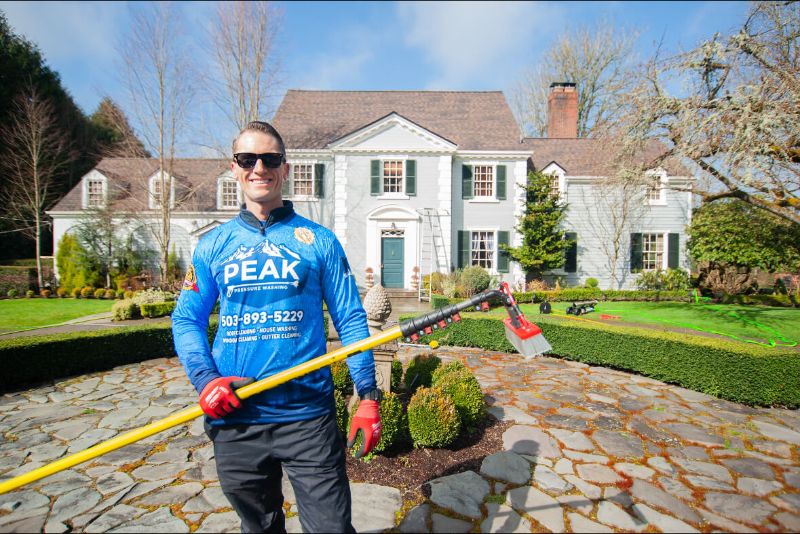
Some cleaning tasks are straightforward enough to handle on your own, but others carry real risks that make hiring a professional the smarter, safer call. DIY Limitations become costly when equipment, technique, or surface knowledge is lacking. Professional Benefits, by contrast, extend beyond cleanliness—they reduce liability exposure.
Call a pro when you’re dealing with:
-
Roof surfaces where falls and shingle damage are likely
-
Multi-story buildings requiring lifts or ladders
-
Moss and algae growth that needs chemical treatment
-
High-traffic commercial areas with strict downtime requirements
-
Documented cleaning records needed for liability protection
Peak Pressure Washing serves Portland-area property managers who need reliable, insured service before wet season arrives.
Keep Walkways Safe All Year With a Maintenance Schedule
Calling in a professional is one part of the equation—but keeping walkways safe year-round means building a consistent maintenance schedule that doesn’t leave gaps between service visits. Schedule seasonal inspections to catch buildup, cracks, and drainage issues before they become liability problems. Align cleaning frequency with your walkway materials—concrete, pavers, and wood each respond differently to moisture, moss, and algae growth. In wet climates like Portland, high-traffic surfaces typically need professional cleaning at least twice a year, with spot treatments in between. Document every inspection and service visit to establish a paper trail that supports your liability defense. A structured schedule shifts walkway maintenance from reactive to proactive, reducing risk and keeping your property consistently safe for tenants, guests, and customers.
Frequently Asked Questions
Does Property Insurance Cover Slip-And-Fall Accidents on Uncleaned Walkways?
Your insurance coverage may help, but you’ll often hit liability limits if negligence is proven. Insurers can deny claims when you’ve ignored maintenance, so keeping walkways clean protects both your property and coverage.
How Soon After Pressure Washing Can Tenants Safely Use Walkways?
You can typically reopen walkways within 1–2 hours after pressure washing, once surfaces are dry. For liability protection, prioritize tenant communication by notifying residents of pressure washing timing in advance and confirming clearance before reopening access.
Are Property Managers Legally Liable for Wet-Season Slip-And-Fall Injuries?
Yes, you can face legal liability for wet-season slip-and-fall injuries if you’ve neglected your legal responsibilities. Prioritize tenant awareness by documenting maintenance efforts, including professional pressure washing, to demonstrate proactive hazard prevention.
What Cleaning Chemicals Are Safe Near Storm Drains and Landscaping?
You’ll want to follow local chemical guidelines and choose eco-friendly options like biodegradable, phosphate-free detergents. They’re safer near storm drains and landscaping, reducing runoff risks while keeping you compliant with environmental regulations before wet season cleaning begins.
How Much Does Professional Pressure Washing Cost for Commercial Properties?
Commercial pressure washing costs vary based on cost factors like property size, surface type, and cleaning frequency. You’ll want to contact Peak Pressure Washing directly for a transparent, accurate quote tailored to your specific commercial property needs.
Conclusion
Don’t wait for the first rainfall to expose your property’s vulnerabilities. Once wet season arrives, you’re already behind. By inspecting high-risk surfaces, scheduling professional pressure washing, and establishing a consistent maintenance routine, you’re not just cleaning concrete — you’re actively managing liability. Document every service, address hazards before they compound, and treat surface safety as a non-negotiable line item. Your tenants, your insurer, and your legal exposure will all reflect the difference.