
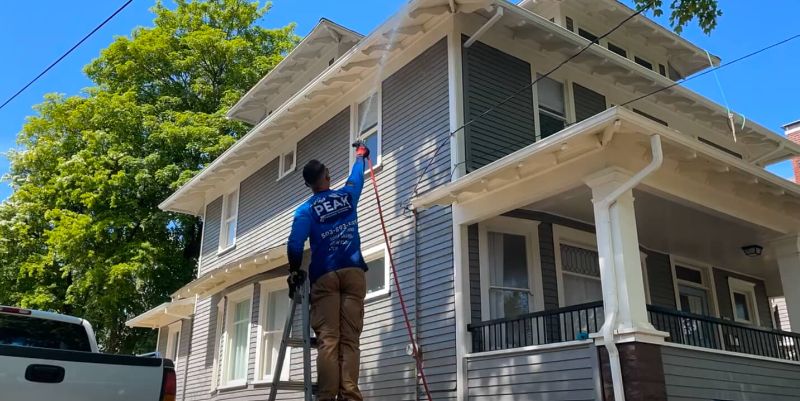
Revitalizing your storefront’s exterior before October puts you in the best position heading into the holiday shopping season. Fall weather brings moisture, mold, and debris that make grimy surfaces look worse fast. Dirty facades, stained sidewalks, and grimy windows drive foot traffic straight to your competitors. Cleaning now costs less than losing customers during your highest-revenue months. Keep going to find out exactly what it takes to get your storefront ready.
Key Takeaways
-
Fall grime, mold, and algae accumulate faster, making early cleaning essential before October shoppers evaluate your storefront.
-
Dirty exteriors reduce foot traffic, as shoppers consistently bypass stores that appear unmaintained or neglected.
-
Clean storefronts directly influence customer spending decisions during the highest-revenue shopping months of the year.
-
September cleaning avoids last-minute scheduling delays and premium pricing caused by high holiday-season demand.
-
Stained sidewalks and grimy entrances create negative first impressions that deter customers before they even enter.
Why Retail Storefronts Take a Beating Every Fall
As summer fades and fall sets in, your retail storefront faces a compounding mix of environmental stressors that chip away at its appearance and structural integrity. Falling leaves trap moisture against surfaces, accelerating mold and algae growth. Increased rainfall in the Pacific Northwest pushes grime, oil, and organic debris directly onto your entryways, windows, and signage. This seasonal wear doesn’t just look bad — it signals neglect to customers who are about to ramp up their shopping ahead of the holidays. The environmental impact hits harder than most owners expect, degrading concrete, siding, and glass faster than summer conditions allow. Ignoring it going into your busiest quarter is a costly operational mistake that compounds with every rainy week you wait.
How a Dirty Storefront Drives Customers Away
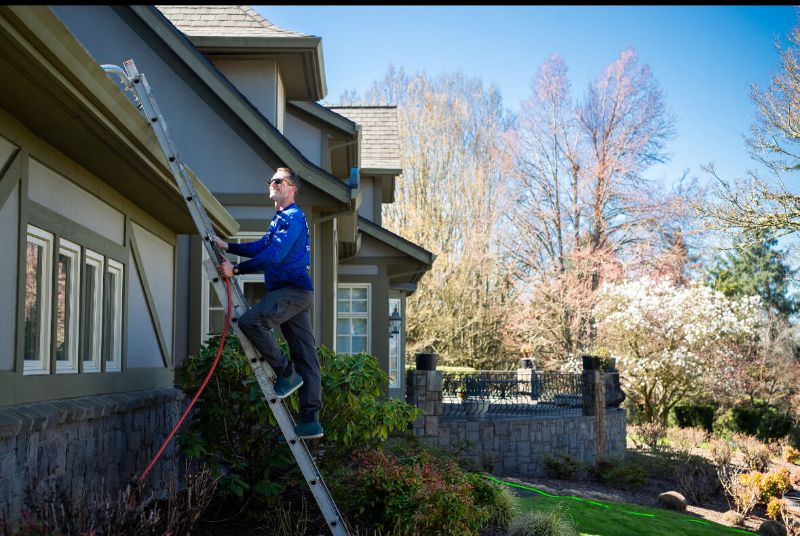
That environmental wear does more than damage your surfaces — it actively costs you business. Customers make split-second judgments based on what they see outside, and a grimy storefront signals neglect. Customer perception forms before anyone walks through your door, and dirty exteriors tell shoppers your cleanliness standards don’t meet expectations.
The business impact shows up fast:
-
Lost foot traffic — shoppers bypass storefronts that look unmaintained
-
Weakened brand trust — visible grime contradicts professionalism, no matter your interior quality
-
Reduced return visits — customers associate a dirty exterior with a poor overall experience
Buildup from algae, mold, and pollutants doesn’t just look bad — it causes long-term surface damage that compounds maintenance costs over time.
You can’t control fall weather, but you can control how your storefront looks heading into your busiest season. A clean exterior is a direct revenue decision.
Which Storefront Surfaces Hurt Curb Appeal the Most
Your entrance takes the first hit when customers approach — scuffed doors, grimy thresholds, and buildup around entryway fixtures signal that you don’t prioritize upkeep. Stained sidewalks compound the problem, broadcasting neglect before a single shopper steps inside. These two surfaces work against you the hardest because they sit directly in the customer’s line of sight during those critical first seconds of decision-making. In fact, dirty sidewalks can actively deter potential customers, directly undermining your brand image before any interaction with your staff or products takes place.
Dirty Entrances Deter Shoppers
Shoppers form opinions about your store before they ever step inside, and a grimy entrance can send them straight to a competitor. Entrance aesthetics directly shape shopper impressions, and a neglected entry signals poor management regardless of what’s inside.
Watch for these common entrance issues that cost you customers:
-
Stained concrete walkways that look hazardous or unkempt
-
Grimy door frames and thresholds covered in dirt, algae, or mold streaks
-
Debris-filled entry mats and corners that suggest low maintenance standards
Each of these details chips away at customer confidence before a single transaction happens. A clean entrance communicates professionalism, builds immediate trust, and keeps foot traffic moving through your doors rather than past them. Mold and mildew growth accelerates as the rainy season approaches, making fall the most critical window to schedule a professional exterior cleaning before conditions worsen.
Stained Sidewalks Signal Neglect
Stained sidewalks don’t just look bad—they quietly tell every passing customer that you don’t take your business seriously. Oil spots, gum, food residue, and oxidation build up fast on high-traffic concrete, and once the stains set, they compound your curb appeal problem every single day.
Sidewalk maintenance isn’t optional if you’re counting on October foot traffic to drive Q4 revenue. Shoppers make split-second judgments, and a grimy entrance pushes them toward competitors who look more put-together. Stains removal handled before the fall rush means you’re not losing customers before they even walk through your door.
Concrete cleaning from a professional pressure washing service restores your sidewalks quickly and affordably—protecting both your image and your long-term surface investment. Neglected surfaces also accumulate algae and moss buildup, creating slippery conditions that put customers at risk before they ever reach your front door.
Pressure Washing, Window Cleaning, or Both: What Retail Storefronts Actually Need
When it comes to storefront maintenance, the right service mix depends on what’s actually driving customers away. Pressure washing benefits extend to sidewalks, entryways, and building facades—eliminating grime that signals neglect. Window cleaning importance shows up directly in how shoppers perceive what’s inside before they ever walk through the door.
Most retail storefronts need both:
-
Heavy foot traffic zones require pressure washing to remove embedded dirt and stains
-
Display windows need professional cleaning to maximize product visibility and interior appeal
-
Building facades benefit from combined treatments that address surface buildup and streaking simultaneously
Choosing only one service often leaves visible gaps. A clean window framed by a grimy exterior still undermines your storefront’s first impression. Beyond appearance, neglected exterior surfaces can harbor mold and mildew growth that deteriorates materials over time and creates health hazards for employees and customers entering your store.
What to Look for When Hiring a Commercial Pressure Washing Company
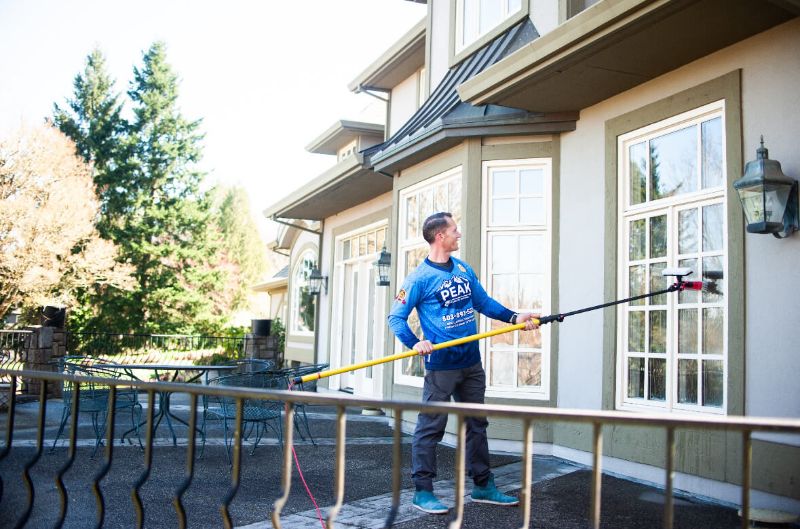
Before you hand over your storefront to any pressure washing crew, verify that they’re licensed and insured—an uninsured contractor leaves you holding liability if something goes wrong on your property. Commercial experience matters too, since retail environments have specific surface sensitivities, foot traffic considerations, and scheduling constraints that residential work doesn’t prepare a company for. You’ll also want to confirm they use commercial-grade equipment and apply the right pressure and cleaning techniques for each surface, because improper methods can damage storefronts and cost you more than the cleaning saved. It’s also worth asking whether they use biodegradable cleaning agents and water-recycling methods, as eco-conscious practices not only align with Oregon’s environmental standards but can also strengthen your business’s green reputation.
Licensing And Insurance Verification
Any commercial pressure washing company you hire should carry both a valid business license and general liability insurance—don’t skip verifying these. Licensing requirements exist to protect you legally, and insurance benefits your business directly if property damage or injuries occur on-site.
Before signing any contract, confirm:
-
Business license status – Verify it’s active and valid in Oregon
-
General liability coverage – Look for at least $1 million in coverage to protect your storefront
-
Proof of workers’ compensation – Guarantees you’re not liable if a technician gets injured on your property
Skipping this step exposes your retail operation to unnecessary financial risk. A legitimate company won’t hesitate to provide documentation upfront—if they stall, walk away. Trained professionals with years of experience and industry knowledge are far more likely to carry proper credentials and operate transparently from the start.
Commercial Experience Matters
Licensing and insurance verify a company operates legitimately—but paperwork alone doesn’t tell you whether they know how to handle a commercial job. Commercial properties have unique demands—high-traffic surfaces, sensitive signage, shared spaces, and tight scheduling windows that residential work rarely involves. You need a provider with proven commercial experience and the right cleaning technology for each surface type. Ask for references from retail or commercial clients specifically. Review before-and-after photos. Verify they understand how customer perception ties directly to storefront presentation. A company that’s cleaned shopping centers, strip malls, or retail plazas knows how to work efficiently without disrupting your operations. That practical knowledge protects your investment and guarantees the finished result actually moves the needle on foot traffic and sales. Prioritize contractors who follow eco-friendly cleaning practices to ensure compliance with local regulations and minimize environmental impact on surrounding businesses and pedestrians.
Equipment And Technique Standards
Equipment and technique standards separate professional results from surface damage and callbacks. When evaluating commercial pressure washing companies, verify they invest in proper equipment maintenance and apply current technique advancements suited for retail surfaces.
Look for companies that demonstrate:
-
Calibrated pressure settings matched to specific materials like brick, glass, and painted concrete
-
Soft washing capability for delicate signage, awnings, and storefront trim that can’t withstand high-pressure direct spray
-
Surface-appropriate cleaning agents that remove biofilm and grime without leaving residue or accelerating material wear
Outdated equipment and poor technique cost you more through repairs and re-cleaning than the initial service saves. Hiring a company that prioritizes both equipment maintenance and technique advancements protects your storefront investment before October traffic peaks.
Why Fall Is the Right Time to Book Storefront Cleaning
Fall is prime time to schedule your storefront cleaning before the holiday shopping season hits. Seasonal maintenance completed in September gives your exterior time to look its best when foot traffic peaks in November and December. You’re not just cleaning surfaces—you’re directly influencing customer perception before buyers decide where to spend their money.
Booking in fall also makes operational sense. Summer leaves behind grime, pollen, and buildup that visually ages your storefront. Cleaning crews have more scheduling availability before the holiday rush locks up service slots. You’ll avoid last-minute delays and higher demand pricing.
Early fall cleaning protects your investment and sets the right tone heading into your highest-revenue months. Don’t let a dirty exterior cost you customers before they even walk through the door.
Frequently Asked Questions
How Long Does a Typical Commercial Storefront Cleaning Appointment Take?
Most commercial storefront cleanings take 1–3 hours, depending on size and buildup. Following cleaning frequency guidelines keeps appointments efficient. Smart storefront maintenance tips help you minimize downtime while maximizing ROI before high-traffic seasons hit.
Will Pressure Washing Damage My Storefront Signage or Lighting Fixtures?
Professional crews won’t damage your storefront if you communicate your signage maintenance and lighting care needs upfront. They’ll adjust pressure settings and techniques, protecting fixtures while delivering a thorough clean that maximizes your property’s curb appeal and ROI.
Can Storefront Cleaning Be Done Outside of Business Hours?
Yes, you can schedule storefront maintenance outside business hours! Peak Pressure Washing’s flexible cleaning techniques work around your operations, minimizing disruption while maximizing ROI—keeping your exterior spotless and ready for increased October foot traffic.
How Often Should Retail Storefronts Schedule Professional Exterior Cleaning Services?
Schedule professional exterior maintenance at least twice a year, but high-traffic retail locations benefit from quarterly cleanings. Consistent upkeep protects your storefront appearance, drives customer confidence, and maximizes your return on the investment you’ve made in your property.
Is Commercial Pressure Washing Safe Near Outdoor Electrical Outlets?
Yes, it’s safe when professionals take proper safety precautions and use outlet protection covers before starting. You’ll avoid costly electrical damage and downtime, keeping your storefront operational and your investment protected throughout the cleaning process.
Conclusion
Your storefront’s exterior is either pulling customers in or pushing them away — there’s no middle ground. Before October foot traffic peaks, you’ve got a narrow window to make your building work for your business instead of against it. Schedule your commercial pressure washing now, before your competitor down the street does. A clean exterior costs far less than the customers you’ll lose to one that doesn’t look ready for business.