
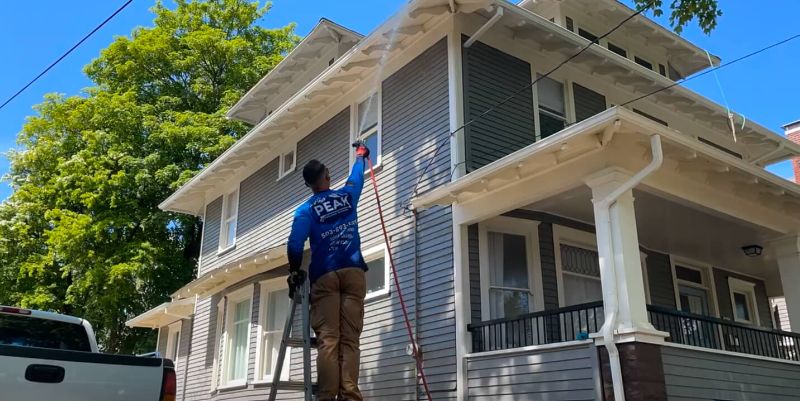
You schedule exterior cleaning before year-end walkthroughs because a dirty building doesn’t just look bad—it directly lowers your inspection scores, weakens your negotiating position, and signals deferred maintenance to every lender, tenant, and inspector who sets foot on your property. Stained concrete, moss, and grimy facades create bias that’s hard to reverse once an evaluation starts. The financial and scheduling consequences of skipping this step run deeper than most property managers expect.
Key Takeaways
-
Clean exteriors create strong first impressions, preventing inspector bias that can negatively affect scores across multiple walkthrough categories.
-
Moss, algae, and grime signal deferred maintenance, directly lowering inspection scores and triggering costly lender remediation requirements.
-
Low inspection scores harm lease negotiations, refinancing opportunities, and overall asset valuation.
-
Q4 pressure washing crews book quickly; early scheduling ensures service aligns with walkthrough timelines.
-
Untreated moss traps moisture, accelerating structural deterioration and inflating long-term maintenance costs.
What Commercial Property Walkthroughs Actually Evaluate
Year-end walkthroughs aren’t just a formality—they’re a structured evaluation of how well a property has been maintained over the past twelve months. During commercial inspections, evaluators assess both functional and aesthetic conditions across the entire property. They’re looking at building exteriors, parking lots, walkways, entryways, and shared common areas.
Property maintenance failures show up quickly under this kind of scrutiny. Stained concrete, moss-covered rooflines, grimy building facades, and clogged gutters all signal neglect. These aren’t minor cosmetic issues—they raise questions about how the property has been managed overall.
If you oversee an office park, you need to understand what inspectors prioritize. Exterior conditions carry significant weight because they reflect directly on tenant experience, property value, and long-term asset integrity. Clogged gutters in particular can lead to roof and foundation damage that evaluators will flag as evidence of deferred maintenance.

How Dirty Exteriors Hurt Your Commercial Property Inspection Results
When inspectors arrive at your office park, the exterior is the first thing they see, and a dirty building immediately signals neglect before they check a single document. Grime, moss, and staining on walls, walkways, and rooflines communicate poor upkeep, which directly influences how inspectors interpret your overall maintenance standards. That initial negative impression compounds quickly, pulling down scores across multiple inspection categories before you’ve had a chance to address anything indoors. Beyond appearances, moss and algae trap moisture against exterior surfaces, accelerating wood rot and structural deterioration that inspectors are specifically trained to flag during walkthroughs.
First Impressions Matter Most
Before a property manager ever opens a door or reviews a maintenance log, the exterior of your office park has already made its case. First impressions form fast, and they carry a lasting impact that’s difficult to reverse once set.
Stained facades, moss-covered walkways, and grimy parking structures signal neglect before anyone steps inside. Inspectors notice these details immediately, and they shape how critically the rest of the walkthrough gets evaluated. A dirty exterior creates a bias that clean mechanical systems and updated interiors struggle to overcome.
You control that first impression. Scheduling exterior cleaning before year-end walkthroughs guarantees your property is evaluated on its actual condition, not on how it looks after months of Portland’s wet, moss-producing weather has worked against it. The Pacific Northwest climate accelerates mold, mildew, and algae accumulation on exterior surfaces, making routine washing essential for preserving both appearance and structural integrity.
Grime Signals Poor Maintenance
Dirty exteriors don’t just look bad—they communicate something specific to inspectors: that maintenance has been deferred. Grime impact goes beyond aesthetics. When inspectors see streaked concrete, algae-covered walkways, or stained building facades, they interpret those conditions as evidence of maintenance neglect. That perception triggers closer scrutiny across every other system they evaluate.
You don’t want an inspection team arriving already skeptical. Biological buildup on surfaces can also indicate moisture retention issues, which raises legitimate structural concerns. What started as a surface problem can now reframe the entire inspection narrative.
Scheduling professional exterior cleaning before your walkthrough resets that narrative. Clean surfaces signal active management, routine upkeep, and a property that’s being properly maintained—not one that requires corrective action. Left unaddressed, accumulated moisture and debris on exterior surfaces can contribute to mold growth and structural damage that inspectors are specifically trained to flag.
Inspection Scores Drop Fast
Inspection scores aren’t just a formality—they directly affect lease negotiations, refinancing terms, and asset valuation. When inspectors walk your property, they’re measuring against defined inspection standards that include exterior condition, drainage functionality, and surface integrity. Dirty facades, stained concrete, and moss-covered rooflines push your scores below cleanliness benchmarks quickly.
Those lower scores create real consequences. Lenders may require remediation before approving refinancing. Prospective tenants use inspection results to negotiate lower rents or walk away entirely. Insurance underwriters may flag deferred maintenance as elevated risk.
Scheduling exterior cleaning before year-end walkthroughs puts your property in a defensible position. Clean surfaces signal active management, not neglect. You control what inspectors see—and that control directly protects your property’s financial standing. Oregon’s wet climate accelerates biological growth on exteriors, making consistent professional cleaning every 6–12 months a critical part of any commercial property maintenance plan.

Why Scheduling Commercial Pressure Washing Before Q4 Is a Deadline Problem
If you’re planning to have your office park’s exterior cleaned before year-end walkthroughs, Q4 is already too late to start thinking about it. Commercial pressure washing crews book up fast as property managers race to meet the same seasonal deadlines, and waiting pushes you toward premium rates or outright unavailability. Pacific Northwest weather also tightens your window considerably, with fall rain and freezing temperatures limiting the days when exterior cleaning can be done effectively. Oregon’s abundant rainfall accelerates the growth of algae, mildew, and moss on exterior surfaces, making timely scheduling even more critical before conditions worsen heading into winter.
Q4 Scheduling Fills Fast
Once Q4 arrives, commercial pressure washing schedules fill up fast—and office parks are rarely the only properties competing for appointment slots. Retail centers, HOAs, and restaurants all face the same year-end pressure, which means Q4 demand spikes across every commercial category simultaneously. That surge creates real scheduling challenges for property managers who wait too long to book.
If your walkthrough is set for November or December, you can’t afford to request service in October and expect immediate availability. Crews get booked weeks out, and last-minute requests often go unmet. You lose your window—and your property shows up to inspection with dirty facades, stained concrete, and moss-covered walkways. Beyond appearances, untreated mold and mildew on exterior surfaces can accelerate surface deterioration and costly repairs if left unaddressed through the wet winter months. Booking early isn’t just convenient; it’s the only way to guarantee the work gets done in time.
Delayed Bookings Cost More
Scheduling pressure washing late doesn’t just risk availability—it drives up costs. Delayed maintenance allows moss, algae, and grime to penetrate surfaces more deeply, often requiring more aggressive treatments and longer service times. That translates directly into increased expenses you didn’t budget for.
Rush scheduling also limits your negotiating leverage. When you’re competing for the last available slots before year-end walkthroughs, you’re not in a position to compare pricing or plan efficiently. You’re simply reacting.
Proactive scheduling keeps you in control. You lock in service dates that align with your walkthrough timeline, avoid premium pricing tied to last-minute demand, and give your property manager time to address any issues the cleaning reveals. Beyond cost savings, moss left untreated traps moisture against surfaces, accelerating rot and mold that compound your maintenance expenses well beyond what a timely cleaning would have cost. Waiting costs you more—in money, time, and options.
Weather Narrows Available Windows
Weather doesn’t negotiate with your calendar. As Q4 approaches, the weather impact on exterior cleaning becomes a real scheduling problem. Rain, freezing temperatures, and shortened daylight hours all shrink the window for effective commercial pressure washing. Portland’s fall climate moves fast, and once conditions turn consistently wet or cold, exterior cleaning either gets delayed or delivers subpar results.
You’re already facing scheduling challenges from contractor availability and increased demand. Add unpredictable weather into that equation, and your options narrow quickly. Booking early gives crews the flexibility to work during dry stretches before conditions deteriorate. Wait too long, and you’re not just competing with other property managers—you’re competing with the forecast. That’s a battle you won’t always win.
What Commercial Pressure Washing Covers Before a Year-End Walkthrough
Before a year-end walkthrough, commercial pressure washing covers the key exterior surfaces that property managers and tenants notice first. Parking lots, sidewalks, and entryways collect months of oil stains, gum, and debris that make a property look neglected. Building facades, loading docks, and dumpster pads carry grime that signals poor exterior maintenance to anyone walking the site.
You’ll also want covered breezeways, stairwells, and curbing addressed before reviewers arrive. These areas accumulate mold, algae, and dirt that photographs poorly and raises concerns during inspections. The pressure washing benefits here go beyond appearances—clean surfaces reduce slip hazards and extend material lifespan. Tackling these areas systematically before the walkthrough means you’re presenting a property that reflects consistent upkeep rather than last-minute corrections.
What Skipping Pre-Inspection Cleaning Actually Costs You
Knowing what gets cleaned matters less if you don’t understand what skipping that cleaning actually costs you. Skipping pre-inspection cleaning doesn’t save money—it shifts costs into more expensive categories. Your cost analysis changes considerably when deferred maintenance turns into emergency repairs or lease renegotiations.
Three real costs you absorb when you skip it:
-
Surface deterioration – Moss, algae, and grime accelerate material breakdown, inflating your maintenance budget over time.
-
Failed inspections – A poor walkthrough outcome can trigger costly remediation clauses or tenant complaints that require immediate action.
-
Reputation damage – Unkempt exteriors signal neglect to tenants and prospects, directly affecting occupancy rates.
Each skipped cleaning cycle compounds into a larger financial problem than the service itself ever would’ve cost.
How to Book Commercial Pressure Washing Before Year-End
Scheduling commercial pressure washing before year-end is straightforward if you move early. Q4 fills fast, so don’t wait until December to start looking at booking tips or comparing service options. Contact Peak Pressure Washing as soon as you’ve confirmed your walkthrough date, and work backward from there to allow adequate drying and prep time.
When you reach out, be specific. Share your property’s square footage, surface types, and any problem areas like moss, staining, or graffiti. This helps the team provide an accurate quote and assign the right equipment. Ask about bundled service options if your office park needs concrete cleaning, window washing, or gutter work alongside the main pressure washing. Combining services in one visit saves time and keeps your exterior ready before inspectors arrive.
Frequently Asked Questions
Does Exterior Cleaning Affect Property Insurance Premiums or Coverage Terms?
Exterior cleaning can positively influence your insurance impact by demonstrating proactive property maintenance. You’ll often find coverage benefits improve when insurers see you’re actively preventing damage from moss, mold, and neglect through regular professional cleaning.
How Long Does Commercial Pressure Washing Take to Fully Dry?
After commercial pressure washing, you’ll typically see drying time range from 24 to 48 hours, depending on weather conditions, surface type, and airflow. Plan your walkthrough scheduling around these timeframes to guarantee surfaces are fully dry and inspection-ready.
Can Pressure Washing Damage Older or Weathered Commercial Building Materials?
Yes, it can. Older building material types require adjusted pressure settings to avoid damage. When done correctly, you’ll still gain pressure washing benefits—clean, protected surfaces—without compromising weathered materials like aged brick, wood, or stucco.
Do Tenants Need to Vacate During Exterior Cleaning Services?
Tenants don’t need to vacate, but you’ll want to address tenant concerns by coordinating scheduling logistics carefully. Notify occupants in advance, restrict access near work zones, and minimize disruptions during peak business hours.
Is Commercial Pressure Washing Tax-Deductible as a Business Maintenance Expense?
You’ll likely qualify for tax benefits when you classify commercial pressure washing as a routine maintenance expense. It’s deductible under standard business upkeep, but you should confirm proper expense classification with your accountant for accuracy.
Conclusion
Your year-end walkthrough won’t wait, and neither should your exterior cleaning schedule. Dirty facades, stained walkways, and grimy parking structures send the wrong message to tenants, investors, and property reviewers before they’ve even entered the building. Scheduling commercial pressure washing now gives you clean, well-maintained surfaces that reflect responsible property management. Don’t let a preventable oversight undermine an otherwise strong evaluation — book your exterior cleaning before Q4 deadlines make it impossible.