
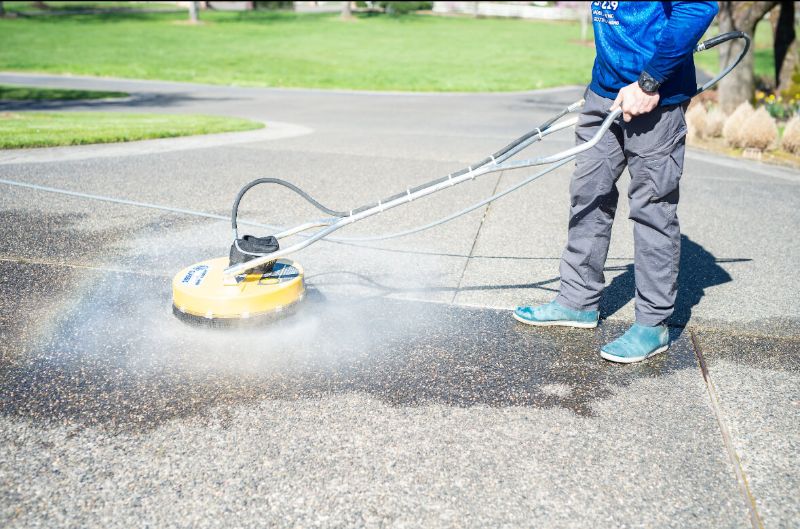
Once fall rains return, you need to act fast to keep your patio concrete safe. Start by pressure washing surfaces to eliminate moss, algae, and grease before temperatures drop. Seal the concrete with a hydrophobic sealant to block moisture penetration and inhibit biological growth. Apply non-slip coatings for wet-weather traction, and guarantee your drainage systems move water efficiently away from the surface. Keep reading, and you’ll discover exactly how to protect your patio all season long.
Key Takeaways
-
Pressure washing removes organic debris and biological growth before fall rains arrive, preparing surfaces for protective sealing treatments.
-
Quality sealants create hydrophobic barriers that prevent moisture penetration, inhibiting moss and algae growth on patio concrete.
-
Non-slip coatings applied to wet surfaces significantly reduce slip hazards in high-traffic restaurant patio dining areas.
-
Maintaining proper drainage and a minimum slope of 1/8 inch per foot prevents water pooling on concrete surfaces.
-
Clearing gutters and repositioning downspouts away from patios reduces water volume and limits moisture-driven biological growth.
Why Fall Rain Turns Patio Concrete Into a Liability
Fall rain doesn’t just wet your patio—it creates the conditions for a slow-building safety hazard. As rainy weather sets in, moisture saturates your concrete’s porous surface, giving algae, moss, and biofilm the environment they need to establish and spread. Within weeks, what looks like surface discoloration becomes a slick, compressible layer that considerably reduces traction underfoot.
For restaurant operators, this progression isn’t just a patio maintenance concern—it’s a liability exposure. Wet organic growth on concrete can reduce slip resistance to dangerous levels, particularly in high-traffic dining areas where guests move quickly or carry drinks. Fall’s combination of falling temperatures, reduced sunlight, and persistent moisture accelerates this process faster than most operators anticipate. Left untreated, biological growth secretes organic acids that etch into concrete’s calcium carbonate matrix, compromising surface integrity well beyond what’s visible on the surface. Recognizing the timeline helps you act before the hazard develops, not after someone falls.
How Moss and Moisture Destroy Concrete Over Time
Moss and moisture don’t just compromise traction—they actively break down your concrete’s structural integrity. Without consistent moss prevention, your patio surface deteriorates faster than you’d expect. Understanding moisture impact helps you recognize why fall conditions accelerate damage considerably.
Here’s how the destruction progresses:
-
Moss roots penetrate concrete pores, expanding cracks from within
-
Trapped moisture freezes and thaws, widening existing fractures
-
Algae and moss retain water against the surface, accelerating spalling
-
Prolonged saturation weakens the concrete’s compressive strength over time
Each stage compounds the next. What begins as surface discoloration becomes structural compromise requiring costly repairs or full replacement. Restaurants operating outdoor seating can’t afford that liability. Addressing moss and moisture damage early keeps your patio functional, safe, and code-compliant throughout Portland’s wet season. Making matters worse, decomposing moss tissue releases allelopathic compounds that acidify the concrete surface, lowering pH and creating conditions that accelerate future moss colonization and further chemical degradation.
Clean Patio Concrete Before the Rainy Season Hits
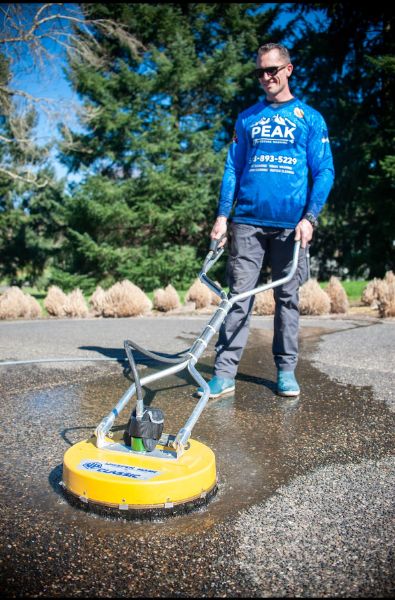
Before Portland’s rainy season arrives, cleaning your patio concrete removes the organic debris and surface contaminants that trap moisture and accelerate deterioration. Effective cleaning techniques include pressure washing to eliminate embedded grime, biological growth, and grease residue that standard rinsing leaves behind.
Follow these maintenance tips for ideal results: schedule cleaning in late summer or early fall before temperatures drop, apply a degreaser to high-traffic zones, and inspect joints and cracks for debris accumulation. Removing moss, algae, and mold colonies before rainfall prevents spore reactivation once wet conditions return.
Professional cleaning guarantees surface preparation is thorough enough to support sealing if needed. Skipping this step leaves your concrete vulnerable to accelerated freeze-thaw damage throughout Portland’s wet winter months. Professionals can also assess your concrete’s condition and recommend a regular cleaning schedule based on foot traffic and seasonal exposure to keep surfaces consistently safe and well-maintained.
Seal Patio Concrete to Lock Out Water and Moss
Once you’ve cleaned your patio concrete, sealing it creates a hydrophobic barrier that prevents moisture from penetrating the surface. Without that barrier, water saturates the concrete’s pores, creating the damp conditions moss and algae need to establish and spread. A quality penetrating or film-forming sealant effectively cuts off that moisture pathway, stopping biological growth before it starts. Professional sealing services typically cost $0.50 to $1.50 per square foot, making it a cost-effective safeguard against the kind of damage that leads to far more expensive repairs down the line.
Why Sealing Prevents Moisture
Sealing your patio concrete creates a protective barrier that blocks moisture from penetrating the surface. Without moisture barriers, fall rains accelerate surface deterioration quickly. Understanding the core sealing benefits helps you make smarter maintenance decisions.
Here’s why sealing works:
-
Blocks water absorption – Sealers fill surface pores, preventing rainwater from soaking into the concrete matrix.
-
Inhibits moss and algae growth – Moisture-starved surfaces can’t support organic growth that causes slip hazards.
-
Reduces freeze-thaw damage – Trapped moisture expands during temperature drops, cracking unsealed concrete from within.
-
Extends surface lifespan – Sealed concrete resists staining, erosion, and structural breakdown considerably longer than untreated surfaces.
Just as clogged gutters left unaddressed can lead to mold and mildew growth on exterior surfaces, unsealed patio concrete creates similarly damp conditions that compromise both safety and appearance over time.
Applying a quality sealer before fall rains arrive keeps your restaurant patio structurally sound and consistently safe for customers.
Blocking Moss Before Growth
Moss takes hold fast once moisture penetrates unsealed concrete, making prevention far more effective than removal. Spores embed into porous surfaces during fall rains, and by winter, you’re dealing with slippery, deteriorating patio concrete that threatens both safety and your restaurant’s appearance.
Effective moss prevention strategies start before growth begins. Applying a quality concrete sealer creates a hydrophobic barrier that denies spores the moisture they need to germinate. Pair sealing with eco-friendly treatments containing potassium salts or citric acid-based compounds that neutralize existing spores without harming surrounding vegetation or drainage systems—a critical consideration for restaurant patios near landscaped areas.
Timing matters. Schedule treatment before October rains saturate Portland’s air. You’ll greatly reduce moss colonization, extend your concrete’s service life, and maintain a safer surface throughout the wet season. Installing proper drainage systems around your patio perimeter further reduces water pooling that would otherwise create prime conditions for moss to take hold between treatments.
How to Keep Your Patio Safe When It’s Wet
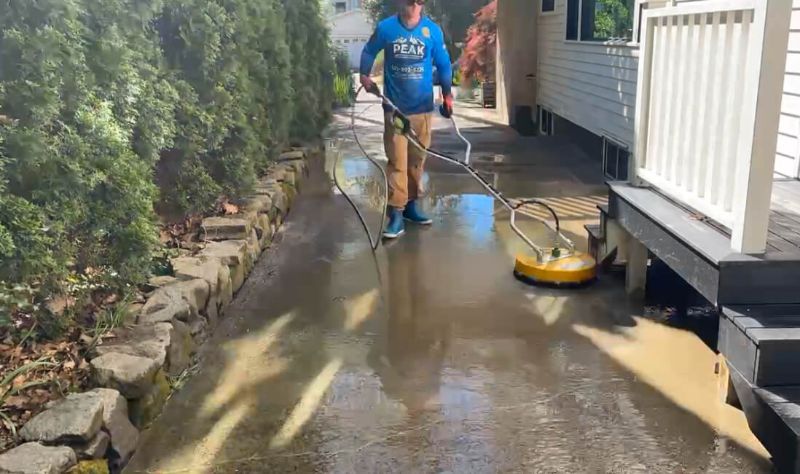
Wet concrete becomes a liability the moment water pools on the surface, so you need to remove standing water quickly using squeegees or wet vacuums to eliminate slip hazards. You should also evaluate your drainage systems to guarantee water moves away from the patio efficiently, as poor drainage accelerates moss and algae growth while keeping surfaces dangerously slick. Finally, apply non-slip coatings to your concrete to add a textured barrier that maintains traction even under heavy rain or foot traffic. Just as gutters benefit from gutter guards to reduce debris accumulation and maintain proper water flow, ensuring your patio drainage channels are free of buildup will help direct rainwater away efficiently and reduce long-term surface damage.
Remove Standing Water Quickly
Standing water is one of the fastest ways to turn a restaurant patio into a slip-and-fall liability. Effective water management starts before guests arrive. Don’t let puddles sit—act immediately using these drainage solutions:
-
Deploy floor squeegees to push standing water toward drains after heavy rain.
-
Inspect and clear drains of debris blocking water flow before service hours.
-
Use absorbent mats at entry points where water pools most frequently.
-
Identify low spots in your concrete and schedule professional leveling to eliminate recurring puddles.
You can’t always control Portland’s fall rainfall, but you can control how quickly water leaves your patio surface. Fast removal reduces slip risk and prevents moisture from penetrating concrete joints and accelerating surface deterioration. Clogged gutters along your roofline can overflow and deposit excess water directly onto patio surfaces, so ensuring proper gutter drainage this fall is just as critical as managing the water already on the ground.
Improve Drainage Systems
Even one poorly positioned drain can compromise your entire patio’s water management system. Inspect your existing drainage solutions annually, especially before fall rains begin. Clogged or misaligned drains force water to pool across concrete surfaces, accelerating surface deterioration and creating dangerous slip hazards for your guests.
Evaluate your surface grading to confirm water moves away from the building’s foundation and toward designated drainage points. Industry standards recommend a minimum slope of 1/8 inch per foot for exterior concrete. If your current grade doesn’t meet this threshold, resurfacing or installing channel drains along problem zones corrects the issue effectively.
Don’t overlook downspout positioning either. Directing downspouts away from patio surfaces reduces water volume during heavy rainfall, relieving pressure on your existing drainage infrastructure considerably.
Apply Non-Slip Coatings
Slippery concrete surfaces send thousands of restaurant guests to the ground each year, creating liability exposure that no operator can afford to ignore. Selecting the right non-slip materials and mastering application techniques protects both guests and your bottom line.
Follow this process precisely:
-
Clean thoroughly — remove all grease, moss, and biofilm before coating adhesion fails.
-
Select appropriate non-slip materials — aggregate-infused epoxy or polyurethane coatings outperform paint-based alternatives.
-
Apply using broadcast application techniques — broadcast aluminum oxide or silica grit into wet coating for uniform texture.
-
Seal the surface — lock aggregate particles in place with a compatible topcoat.
Reapply coatings every two to three years, inspecting annually for wear patterns where foot traffic concentrates.
How Often Should You Clean and Reseal Patio Concrete?
How often you clean and reseal your restaurant’s patio concrete depends on traffic volume, climate exposure, and the type of sealer applied. In high-traffic outdoor dining areas, you’ll typically need professional cleaning every one to three months, especially as fall rains accelerate organic buildup. Cleaning frequency increases when moss, algae, and grease accumulate faster than routine maintenance can manage.
For resealing methods, penetrating sealers generally last three to five years, while topical sealers require reapplication every one to two years. Inspect your surface annually for cracking, flaking, or water absorption issues. If water no longer beads on the surface, it’s time to reseal. Staying consistent with both cleaning and resealing prevents slip hazards and extends the lifespan of your concrete markedly.
Frequently Asked Questions
Does Pressure Washing Concrete Before Sealing Improve the Sealant’s Longevity?
Yes, pressure washing your concrete before sealant application dramatically improves longevity. Proper surface preparation removes dirt, algae, and oils that prevent adhesion, ensuring you get a stronger, longer-lasting bond that protects your concrete effectively.
Can Restaurants Pressure Wash Patios During Business Hours Safely?
You can conduct pressure washing safety protocols during off-peak hours, but avoid active dining areas. For effective patio maintenance, schedule sessions before opening or after closing to eliminate slip hazards and customer disruption.
What Cleaning Products Are Safe for Concrete Near Restaurant Food Areas?
You’ll want eco-friendly cleaners like diluted sodium hypochlorite or hydrogen peroxide-based solutions for concrete near food areas. These food-safe options effectively remove grease, mold, and algae without introducing harmful chemical residues that could compromise patron safety.
How Do You Remove Grease Stains From Outdoor Restaurant Patio Concrete?
Apply a degreaser directly to the stain, let it dwell, then pressure wash it away for effective grease removal. You’ll also want to seal the concrete afterward for long-term stain prevention against future spills.
Is Commercial Pressure Washing More Effective Than Standard Restaurant Cleaning Methods?
Yes, commercial pressure washing outperforms standard restaurant cleaning methods. You’ll find pressure washing benefits include deeper grease penetration and pathogen removal. These effective cleaning techniques use high-PSI water force that mops and degreasers simply can’t replicate on porous concrete.
Conclusion
Your patio concrete doesn’t have to become a liability every time fall rains return. Clean it before the season hits, seal it to block moisture and moss, and stay consistent with maintenance throughout the wet months. You’ll reduce slip hazards, extend your concrete’s lifespan, and protect your business from preventable accidents. A professional pressure washing service handles the heavy work so you can focus on keeping your restaurant running safely all season long.