
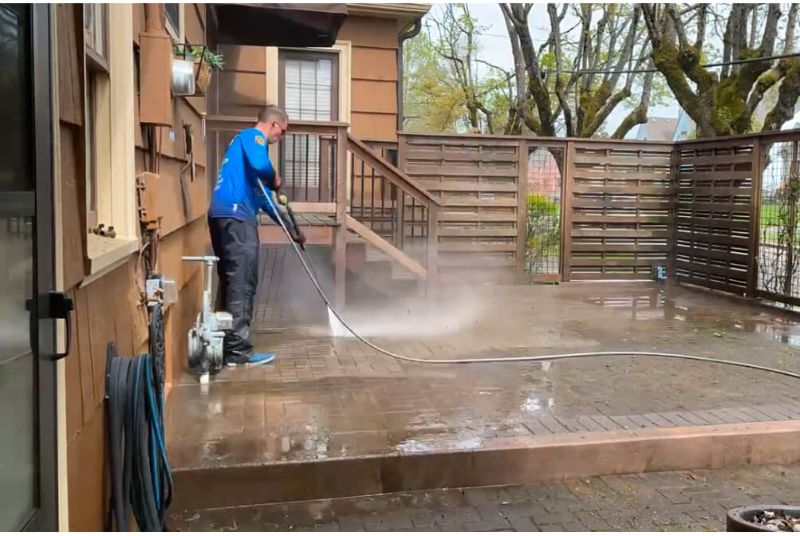
Your wood deck absorbs moisture year-round, but winter transforms that moisture into a destructive force. As temperatures drop, water trapped in wood fibers freezes, expands, and splits the wood from within. Freeze-thaw cycles widen micro-cracks, accelerate rot, and warp boards beyond repair. Without a protective sealant applied to a properly cleaned surface, you’re leaving untreated wood exposed to damage that spring maintenance can’t reverse. What follows breaks down exactly what’s at stake and how to stop it.
Key Takeaways
-
Untreated wood absorbs standing water and snow melt, triggering freeze-thaw cycles that warp, crack, and deteriorate wood fibers rapidly.
-
Cold temperatures heighten moisture absorption, making unprotected decks increasingly vulnerable to rot, cracking, and structural decay throughout winter.
-
Accumulated dirt and organic debris trap moisture against wood surfaces, accelerating biological growth and deep structural damage.
-
Sealing before winter locks out moisture effectively, but requires surface temperatures above 50°F and wood moisture below 15%.
-
Damage caused by winter moisture penetration is often irreversible, making fall protection essential before conditions permanently compromise wood integrity.
Signs Your Portland Deck Needs Cleaning Before Winter
How do you know when your deck needs cleaning before winter hits? Start by inspecting the surface for visible deck discoloration causes — black streaks, gray weathering, and brown staining all indicate biological growth and UV oxidation breaking down wood fibers. Check for moss growth indicators like soft green or black patches concentrated in shaded, moisture-retaining areas between boards. These patches trap water directly against the wood grain, accelerating rot.
You should also look for slippery surface texture, which signals algae colonization, and standing water pooling where boards have begun to warp or cup. If your sealant is peeling or beading has stopped, the wood’s protective barrier has failed. When cleaning, choose oxygen bleach over chlorine bleach, as chlorine can further damage already compromised wood fibers. Any one of these signs means your deck needs professional cleaning before Portland’s winter moisture compounds the damage.
Why Fall Is the Last Safe Window for Deck Cleaning
Once Portland’s rainy season sets in, saturated wood becomes a breeding ground for rot, mold, and structural decay that compounds with every freeze-thaw cycle. If you clean your deck in fall, you remove the organic material that traps moisture and accelerates deterioration through winter. Missing this window means leaving your deck exposed for months under conditions that turn surface-level grime into deep wood damage. After cleaning, applying a protective sealant helps lock out moisture before winter temperatures arrive and further stress the wood.
Winter Moisture Damage Accelerates
As temperatures drop and rainfall increases, wood fibers in your deck begin absorbing moisture at an accelerated rate, leaving untreated surfaces vulnerable to cracking, warping, and rot before spring arrives. Elevated moisture retention weakens the wood’s cellular structure, and once freezing temperatures hit, trapped water expands during each freeze thaw cycle, forcing open existing micro-cracks and accelerating structural degradation. What starts as surface-level saturation quickly becomes deep grain damage that no amount of spring cleaning can fully reverse. Dirty, debris-covered decks compound this problem by trapping additional moisture against the wood’s surface. Cleaning your deck in fall removes that biological and organic buildup, allowing protective sealants to penetrate effectively before winter conditions make application impossible and damage irreversible. Portland’s damp, humid climate makes this seasonal window especially critical, as mold and mildew growth can take hold rapidly on unprotected wood surfaces once fall moisture levels rise.
Fall Cleaning Prevents Decay
Fall represents your last reliable opportunity to clean and protect your deck before winter conditions make the process ineffective. Once temperatures drop consistently below 50°F, sealants and waterproofing products won’t cure properly, leaving your wood vulnerable. Wet fall leaves trap moisture directly against wood fibers, accelerating mold colonization and rot development beneath the surface.
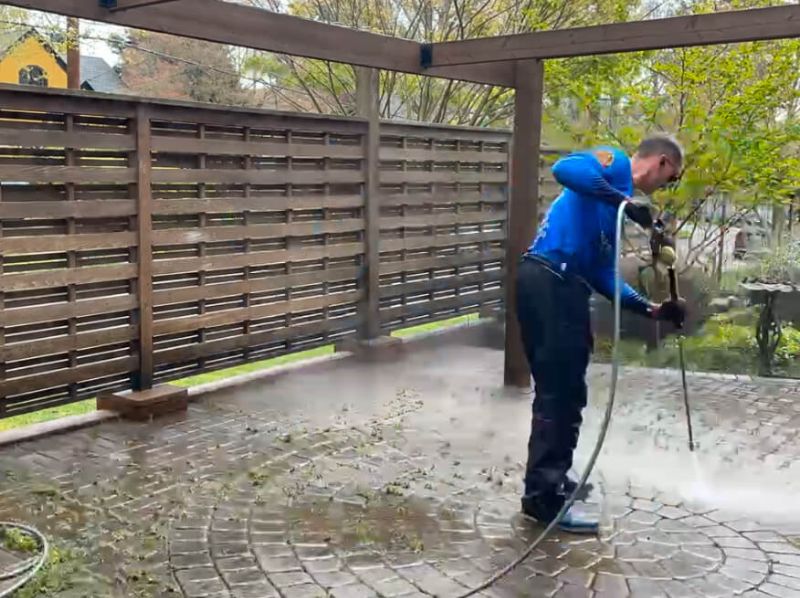
Proper deck maintenance during September and October removes biological growth, embedded debris, and surface contaminants before they compound under freezing conditions. Pressure washing at this stage extracts damaging material from wood grain before it bonds more aggressively through freeze-thaw cycling.
Seasonal care executed during fall gives sealants adequate curing time before sustained rainfall arrives. Skipping this window means entering winter with compromised wood that deteriorates faster and costs considerably more to restore come spring. For thorough results, oxygen bleach cleaning products are recommended over harsh chemicals, as they effectively eliminate mold and mildew without degrading wood fibers in the process.
Timing Protects Wood Surfaces
Timing your deck cleaning correctly determines whether your protective efforts actually work. Fall offers a critical window when weather conditions stabilize before winter precipitation begins. You need surface temperatures above 50°F for sealants and treatments to cure properly—conditions that disappear once November arrives in the Portland area.
Moisture levels matter equally. Wood must be dry before you apply any protective coating. If moisture levels exceed 15%, sealants won’t bond correctly, trapping water beneath the surface and accelerating the decay you’re trying to prevent.
Waiting until late fall or early winter eliminates your opportunity entirely. Rain-saturated wood can’t accept treatment, and freezing temperatures halt the curing process. Acting in early-to-mid fall gives your deck the best chance of entering winter fully protected. Portland’s moist Pacific Northwest climate makes this seasonal urgency especially pronounced, as organic growth and moisture damage accumulate faster here than in drier regions.
Why Sealing a Dirty Deck Makes the Damage Worse
Sealing a dirty deck doesn’t protect it — it traps the problem beneath the surface. When you apply sealant over accumulated grime, mold spores, algae, or moisture, you lock those contaminants against the wood fibers. The sealant then prevents those materials from drying out or escaping, accelerating deterioration from within.
Proper deck maintenance requires clean, dry wood before any protective coating goes down. Skipping effective cleaning techniques means the sealant bonds poorly, peels prematurely, and delivers none of its intended protection. You’ve fundamentally sealed in active biological growth that continues breaking down the wood grain underneath. For proper sealant adhesion, wood moisture content must fall below 15% before any coating is applied.
The result is structural weakening that’s harder to detect and more expensive to repair. Clean the surface completely first — then seal it. There’s no shortcut that produces lasting results.
What Professional Deck Cleaning Actually Does to the Wood
When you hire a professional to clean your deck before winter, you’re getting more than a surface rinse—you’re getting deep contaminant removal that strips away embedded dirt, algae, mold, and mildew from the wood fibers themselves. This process opens the wood’s grain pores, allowing sealers and protective treatments to penetrate deeply rather than sitting on top of a contaminated surface. The result is clean, bare wood that’s structurally ready to bond with whatever protective coating you apply next. It’s worth noting that softwoods are particularly vulnerable to damage during this process, making it essential to use appropriate pressure settings for your specific deck material.
Removing Deep Surface Contaminants
What most homeowners don’t realize is that surface dirt is rarely the primary threat to their deck. Mold, mildew, algae, and tannin bleed penetrate wood fibers at a cellular level, degrading structural integrity long before visible rot appears. Professional mold remediation targets these embedded organisms using controlled pressure and specialized cleaning agents that break down biological matter without fracturing wood grain.
This process also serves as critical surface preparation for any sealant or stain application that follows. If contaminants remain beneath the surface, protective coatings won’t bond correctly, and you’ll lose most of their effectiveness within a single season. Professional cleaning removes oxidized wood cells, gray discoloration, and biological buildup, leaving clean, open wood pores that accept sealants evenly and hold them considerably longer. For wood decks specifically, low-pressure washing methods are used to ensure thorough contaminant removal without causing splintering or surface damage that would compromise the integrity of any subsequent protective coating.
Opening Wood Grain Pores
Professional deck cleaning does more than remove surface contamination—it physically restructures wood at a fiber level. Compressed dirt, oxidized wood cells, and biological growth seal wood grain pores shut, preventing sealants and preservatives from penetrating where they’re needed most. When you clean your deck professionally, controlled pressure and specialized cleaning agents strip that barrier away, reopening the wood’s cellular structure.
This matters greatly for wood preservation. Once pores are open, applied sealants bond directly to wood fibers rather than sitting on top of contaminated surfaces. That deeper bond creates genuine moisture absorption resistance rather than a superficial coating that peels within months. Without this step, any protective treatment you apply afterward performs at a fraction of its intended effectiveness, leaving your deck structurally vulnerable heading into winter.
Revealing Clean Bare Wood
Stripping years of weathering away, professional deck cleaning exposes wood that hasn’t been truly bare since installation. Pressure washing removes oxidized surface fibers, embedded contaminants, and biological growth that block sealers from bonding effectively. What remains isn’t just cleaner wood — it’s structurally receptive wood.
This distinction matters for long-term wood preservation. Gray, oxidized fibers don’t absorb protective treatments. They repel them. Removing that compromised layer reveals the cellular structure capable of drawing in water repellents, UV inhibitors, and preservative compounds.
Proper deck maintenance targets this outcome specifically. You’re not washing for appearance alone — you’re resetting the wood’s surface chemistry. Clean bare wood absorbs sealers at the fiber level, creating protection that holds through Portland’s sustained winter moisture rather than sitting on top and failing early.
Sealing vs. Staining: Which Does Your Deck Actually Need?
Choosing between a sealer and a stain isn’t just a matter of preference—it’s a structural decision that affects how well your deck survives moisture, UV exposure, and foot traffic. Sealers use penetrating sealing techniques to repel water without altering wood color—ideal for newer decks with minimal weathering. Staining benefits go further: pigmented stains block UV degradation, resist mildew, and restore aged wood’s appearance simultaneously. If your deck shows graying, surface cracking, or color loss, a stain delivers both protection and visual correction. If the wood is structurally sound and recently cleaned, a clear sealer maintains its natural look. Assess your deck’s age, condition, and sun exposure before committing. Applying the wrong product wastes material and leaves your deck vulnerable heading into winter.
What Winter Moisture Does to Untreated Wood Decks
Once you’ve settled on the right sealer or stain, the next question is how urgently your deck needs it—and winter answers that question fast. Untreated wood absorbs standing water, snow melt, and condensation with little resistance. That moisture absorption drives a freeze-thaw cycle that splits wood fibers, raises grain, and widens existing cracks. Over repeated seasons, wood deterioration accelerates—boards warp, fasteners corrode, and structural integrity weakens beneath the surface before visible damage appears topside. Mold and algae colonize the saturated wood, compounding the breakdown. What starts as surface discoloration becomes soft, spongy decking that’s unsafe to walk on. Protecting your deck before the first hard frost isn’t optional maintenance—it’s the difference between a minor prep job now and a costly replacement later.
Frequently Asked Questions
How Long Does Deck Cleaning and Sealing Typically Take to Complete?
Deck cleaning and sealing typically takes one to two days. You’ll need cleaning, drying time, and sealant application as core deck maintenance tips and winter preparation strategies to properly protect your wood surfaces before moisture sets in.
Can I Seal My Deck Myself After a Professional Cleaning?
You can tackle deck sealing yourself with the right DIY tips, but you’ll need proper tools, the correct sealant, and ideal weather conditions. Professional deck sealing guarantees even coverage and long-lasting protection most DIYers struggle to achieve.
How Often Should Portland Homeowners Schedule Professional Deck Cleaning Services?
Schedule professional deck cleaning once yearly, ideally in fall as part of your winter preparation strategies. If you’ve got heavy moss or algae, twice yearly keeps your deck maintenance tips actionable and your wood protected year-round.
Does Peak Pressure Washing Offer Deck Cleaning and Sealing as a Bundle?
Peak Pressure Washing offers deck cleaning services to support your deck maintenance tips and seasonal preparation needs. You’ll want to contact them directly to confirm current bundling options for cleaning and sealing packages.
Is Pressure Washing Safe for Older or Weathered Wood Deck Surfaces?
Yes, it’s safe when you use low-pressure settings. For weathered wood care and proper deck maintenance tips, you’ll want adjusted PSI levels and wide-angle nozzles to prevent splintering or gouging your older deck’s softened wood fibers.
Conclusion
Your deck won’t survive Portland winters unprotected—it’s that straightforward. Moisture infiltrates untreated wood fast, triggering rot, warping, and biological growth that compounds every wet season. Fall is your last viable window to clean, prep, and seal before rain locks damage in permanently. Skip the process or rush it, and you’re accelerating structural failure. Act now, follow the correct sequence, and you’ll extend your deck’s functional lifespan by years.