
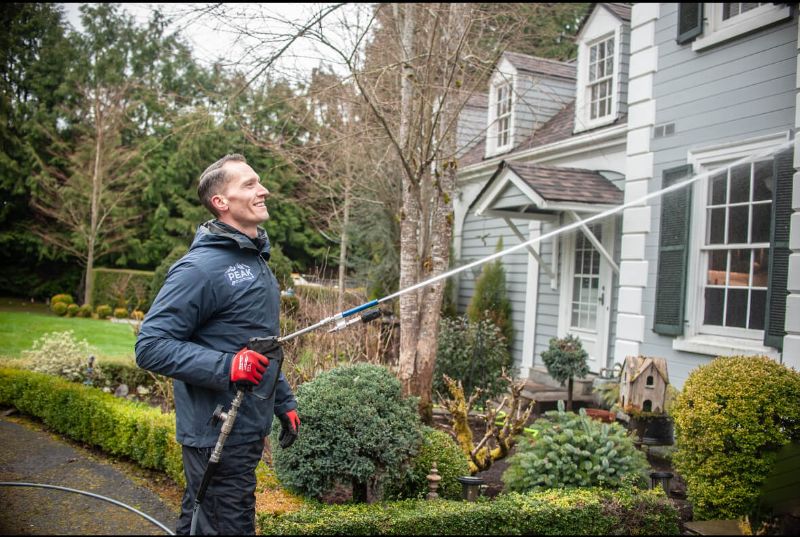
Your roof stays wet for days after a November rain because shorter daylight hours, cooler temperatures, and heavy rainfall eliminate the conditions needed for proper drying. Moss and algae trap moisture against your shingles, debris clogs drainage pathways, and your roof’s pitch and material type compound the problem. Left unaddressed, chronic moisture leads to rot, mold, and shingle failure. Keep exploring to understand exactly what’s happening to your roof this November.
Key Takeaways
-
November’s shorter daylight hours and temperatures between 40–50°F significantly slow the evaporation process, keeping roofs wet for extended periods.
-
Moss and algae retain moisture against shingles, preventing proper evaporation and prolonging wetness after rainfall.
-
Clogged gutters cause poor drainage, leading to water pooling on the roof surface for days.
-
Low-slope roofs and absorbent materials like wood shake and asphalt shingles retain moisture longer than other roofing types.
-
Overhanging trees block limited November sunlight, reducing solar exposure needed to dry the roof effectively.
Why Portland Roofs Stay Wet Longer in November
Portland’s November weather creates near-perfect conditions for prolonged roof moisture. Shorter daylight hours reduce solar exposure, limiting the evaporation your roof needs to dry efficiently. Temperatures consistently hover between 40–50°F, slowing moisture retention loss considerably. Combined with average monthly rainfall exceeding five inches, your roof rarely gets a dry window to recover between storms.
Overhanging trees common in Portland neighborhoods block what little sunlight reaches your roof, compounding the problem. Poor roof drainage accelerates this cycle — debris-clogged gutters and downspouts prevent water from exiting properly, allowing moisture to pool along valleys, eaves, and flat sections. North-facing roof slopes receive virtually no direct sunlight during November, keeping those surfaces damp for days. These factors work together, making extended roof wetness predictable rather than unusual during Portland’s late fall season. Prolonged moisture creates ideal conditions for moss and algae growth, which can accelerate the decay of roofing materials if left unaddressed.
How Moss, Algae, and Debris Keep Your Roof Soaked
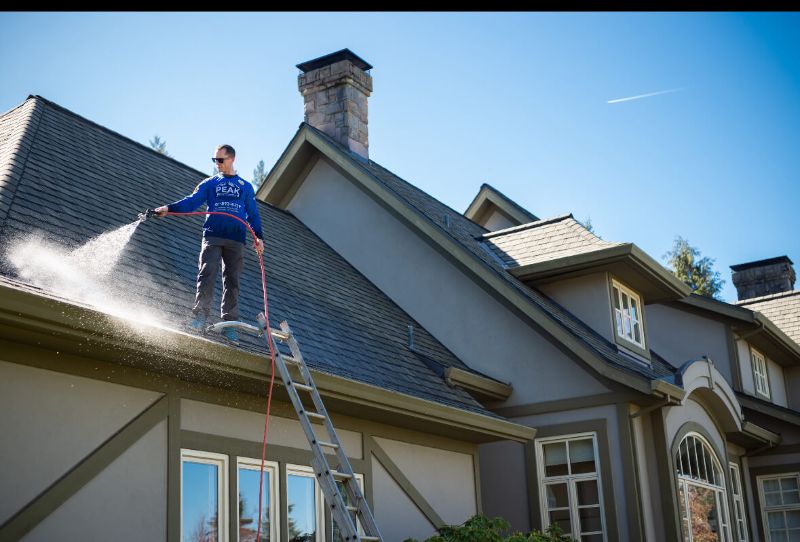
Weather conditions alone don’t tell the whole story. If your roof stays wet for days, moss growth and algae buildup are likely making the problem considerably worse. Moss acts like a sponge, absorbing and holding moisture directly against your shingles long after the rain stops. Algae creates a slick, moisture-retaining film that prevents proper evaporation. Dead leaves and debris accumulate in valleys and along eaves, trapping standing water where it shouldn’t sit.
Each of these elements compounds the problem. Your roof’s drainage system depends on clear, smooth surfaces that shed water efficiently. When moss, algae, and debris interrupt that process, water lingers, seeps under shingles, and accelerates deterioration. Common roof moss species like Dicranoweisia cirrata and Bryum capillare are particularly effective at trapping soil and debris, creating dense layers that retain moisture long after surrounding surfaces have dried. What starts as a slow-drying roof can quickly become a structural and water damage issue.
How Your Roof’s Pitch and Material Affect Moisture Buildup
Beyond biological growth and debris, your roof’s physical design plays a direct role in how quickly it sheds water. Roof pitch determines drainage speed — low-slope roofs allow water to pool and linger, while steeper pitches accelerate runoff. If your pitch falls below a 4:12 ratio, expect prolonged moisture retention after heavy November rains.
Material types compound the issue. Asphalt shingles absorb and trap moisture within their granule surface. Wood shake holds water in its grain structure. Flat membrane roofing collects standing water when drains clog. Even metal roofing, though faster-draining, develops moisture problems at seams and fastener points. Slate roofing, while exceptionally durable, requires specialized cleaning techniques to address moisture-related issues without causing damage to its dense surface.
Your roof’s geometry and composition work together — or against you. Understanding both factors helps you identify why your specific roof struggles to dry out efficiently.
Signs Your Wet Roof Is Already Causing Structural Damage
A roof that stays wet long enough stops being a surface problem and becomes a structural one. You’re dealing with compromised structural integrity when you notice sagging roof decking, soft spots when walking the attic, or ceiling stains that reappear after drying. Peeling paint near rooflines, warped fascia boards, and rusting flashing are additional indicators that moisture has penetrated beyond the surface layer.
Don’t rely on visual inspection alone. Professional moisture detection tools measure saturation levels inside decking and insulation that your eyes can’t catch. By the time mold appears on your attic joists or drywall, the damage has already advanced considerably. Address persistent post-rain wetness immediately—waiting through a Pacific Northwest November means compounding moisture exposure across multiple storm cycles. Oregon’s wet winters accelerate moss and mildew buildup on roof surfaces, making timely professional cleaning a critical part of protecting your home’s structural longevity.
How Chronic Roof Moisture Leads to Rot, Mold, and Shingle Failure
Chronic roof moisture doesn’t stay on the surface—it works inward, degrading every layer it contacts through a predictable sequence. Saturated shingles lose granule adhesion, crack, and curl. Beneath them, your underlayment absorbs standing water, weakening its moisture management capacity. Once compromised, water penetrates the decking, where trapped humidity triggers wood rot and mold colonization within weeks.
Mold spreads aggressively through organic material, accelerating structural breakdown faster than rot alone. Your rafters absorb moisture next, losing load-bearing integrity gradually but irreversibly. By the time visible damage appears inside your home, the deterioration has been progressing for months.
Consistent roof maintenance interrupts this cycle before it advances. Removing moss, debris, and organic buildup restores proper drainage and keeps moisture from establishing the foothold that drives long-term structural failure. Oregon’s damp conditions and heavy tree coverage create a particularly hostile environment where moss and algae growth accelerates this deterioration far faster than in drier climates.
Why Professional Roof Cleaning Is the Right Call This November
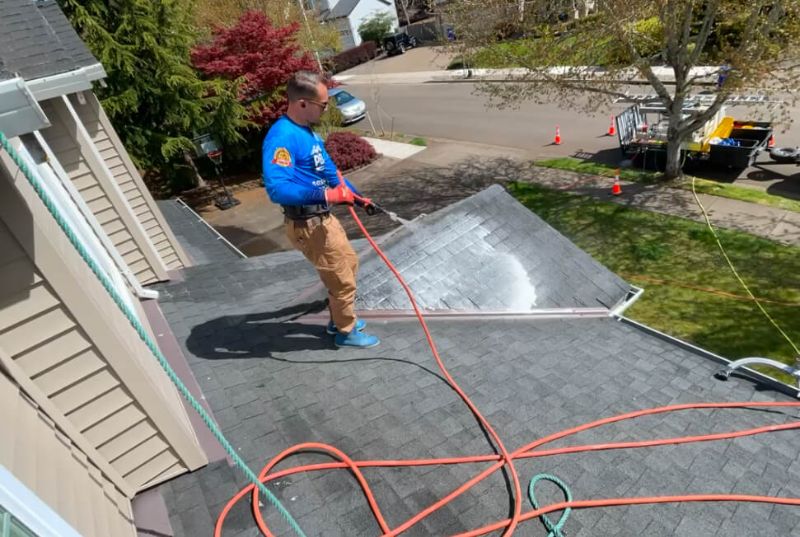
November marks the last practical window before winter rain saturates Portland rooftops for months, making professional roof cleaning one of the highest-leverage maintenance decisions you can make right now. The cleaning benefits extend beyond aesthetics—removing moss, algae, and debris before sustained rainfall prevents moisture retention at the source. Professionals use low-pressure soft washing techniques that eliminate biological growth without damaging shingles, something DIY methods routinely fail to achieve safely. Consistent roof maintenance also gives technicians the opportunity to identify early-stage deterioration before winter accelerates it. Peak Pressure Washing serves Portland and surrounding communities with licensed, insured roof cleaning that protects your investment through the harshest months. Waiting until spring means enduring an entire wet season with compromised drainage, trapped moisture, and accelerating organic growth already embedded in your roofing system. Moss is particularly destructive because it traps moisture against shingles, creating sustained contact that breaks down roofing materials far faster than rain exposure alone.
Frequently Asked Questions
How Much Does Professional Roof Cleaning Typically Cost in Portland?
In Portland, you’ll typically pay $300–$600 for professional roof maintenance, depending on your roof’s size and condition. Cleaning techniques like soft washing influence pricing, so contact Peak Pressure Washing for a precise, transparent quote.
Is Roof Cleaning Safe for All Types of Roofing Materials?
Roof cleaning isn’t universally safe—your roof material types determine the appropriate cleaning methods. Asphalt shingles require soft washing, while tile and metal tolerate different pressures. Always consult a professional to avoid voiding warranties or causing irreversible surface damage.
How Long Does a Professional Roof Cleaning Service Usually Take?
Most professional roof cleanings take 2–4 hours, depending on your roof’s size and condition. Technicians apply specialized cleaning techniques efficiently, ensuring thorough roof maintenance without rushing—larger or heavily soiled roofs may extend your service time slightly.
Will Roof Cleaning Void My Existing Roofing Warranty?
It depends on your warranty coverage. Some manufacturers require professional soft washing; aggressive cleaning methods can void your warranty. Always review your warranty terms and confirm your contractor uses manufacturer-approved techniques before proceeding.
How Often Should Portland Homeowners Schedule Professional Roof Cleanings?
Schedule professional roof maintenance every 1–2 years, but Portland’s wet climate often demands annual seasonal cleaning. You’ll combat moss, algae, and moisture buildup more effectively by not skipping yearly inspections, especially before heavy fall rains arrive.
Conclusion
Your roof isn’t just staying wet by chance — moss, debris, low temperatures, and reduced sunlight are actively working against you. Every extra day that moisture sits on your shingles accelerates deterioration, promotes rot, and weakens your roof’s structural integrity. Don’t wait for visible damage to force your hand. Scheduling a professional roof cleaning this November removes the biological growth and debris that’s trapping moisture and quietly shortening your roof’s lifespan.