
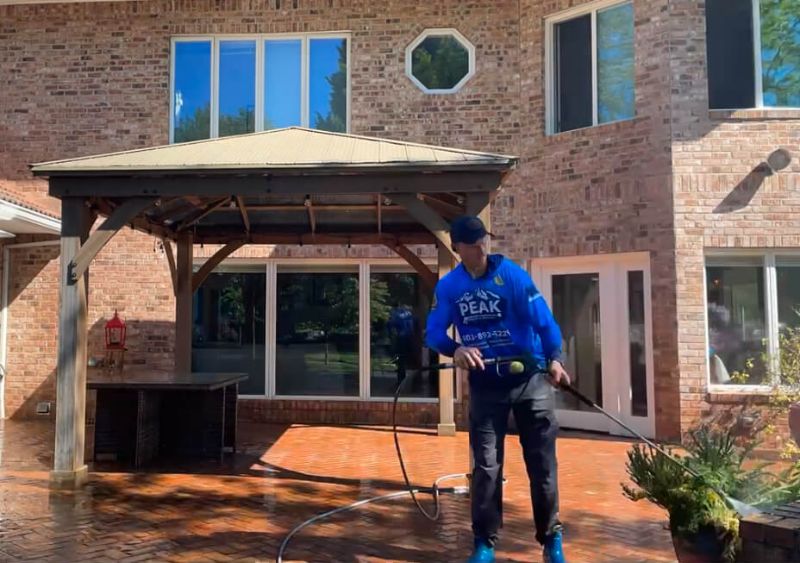
Before you seal your deck this summer, you need to clean it thoroughly — skipping this step traps mold, moisture, and debris against the wood, causing the sealant to bond to grime instead of wood fibers. That leads to peeling, premature failure, and accelerated rot. Your deck’s surface must be uniformly clean, dry, and free of residue before any sealer is applied. Keep going to understand exactly how to get this right.
Key Takeaways
-
Sealing a dirty deck traps mold, moisture, and debris against the wood, accelerating rot and structural damage over time.
-
Sealant bonds to surface contaminants instead of wood fibers, causing peeling, flaking, and premature failure.
-
Clean wood fibers allow sealant to penetrate deeply, cure properly, and deliver long-lasting protection.
-
Professional cleaning ensures uniform preparation, correct PSI application, and removal of deep grime, mold, and algae.
-
Before sealing, confirm wood moisture is below 15% and passes the 30-second water bead absorption test.
What Happens When You Seal a Dirty Deck
Sealing a dirty deck traps everything underneath—mold, mildew, algae, dirt, and moisture—locking it against the wood rather than protecting it.
When deck contaminants remain on the surface, the sealant can’t bond properly to the wood fibers. Instead, it adheres to the grime layer, which breaks down far faster than clean wood does.
The result? Your sealant peels, flakes, and fails prematurely—often within a single season. You’ve wasted material, labor, and time.
Worse, the trapped moisture and organic growth continue degrading the wood beneath, accelerating rot and structural damage.
Proper cleaning isn’t optional prep work—it’s the foundation that determines sealing longevity. Regular maintenance is essential to prolong the life of your deck.
Skip it, and you’re not protecting your deck. You’re just covering up a problem that’ll cost you more later.
Why Cleaning Before Sealing Is Non-Negotiable
When you apply sealant to a dirty deck, the product bonds to surface contaminants rather than the wood itself, causing it to peel, flake, or bubble prematurely. Clean wood fibers open up during the washing process, allowing sealant to penetrate deeply and cure properly. You can’t skip this step and expect lasting results—surface prep determines how long your investment holds up. Additionally, regular cleaning should be part of home maintenance routines, ensuring optimal performance of protective sealants.
Sealing Over Dirt Fails
Skipping the cleaning step before sealing your deck is one of the most costly mistakes you can make. When you apply sealing products over a dirty surface, the sealant bonds to the contaminants rather than the wood. That means dirt, mold, algae, and grime create a barrier that prevents proper adhesion. The result is peeling, bubbling, and uneven coverage that fails within a single season.
Proper dirt removal techniques aren’t optional prep work—they’re the foundation the entire sealing process depends on. Pressure washing strips away embedded debris, opens the wood grain, and gives the sealant a clean surface to penetrate.
Without that step, you’re wasting both your time and your money. Clean wood seals correctly. Dirty wood doesn’t—it’s that straightforward.
Clean Surfaces Absorb Better
Wood absorbs sealant through its open grain—but only when that grain is free of debris, biological growth, and surface contamination.
Skip proper surface preparation, and you’re sealing over a barrier, not into the wood itself. Clean fibers pull stain absorption deep into the material, creating a bond that lasts.
Here’s what contamination physically prevents:
-
Dirt particles clogging wood pores, blocking sealant penetration entirely
-
Algae and mold forming an invisible film that repels oil-based products
-
Oxidized wood fibers sitting flat and closed, refusing to draw moisture inward
-
Dried organic debris acting as a wedge between sealant and raw wood
Professional deck cleaning reopens those fibers, restoring their natural porosity.
You get full stain absorption, even coverage, and a finish that actually protects rather than just coats the surface.
Pressure Washing vs. Hand Scrubbing: Which Works Better?
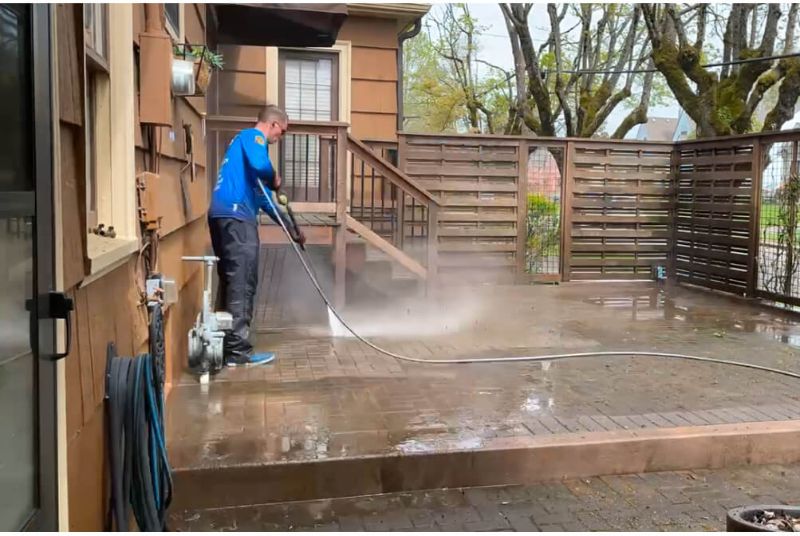
Pressure washing benefits include deeper penetration into wood grain, faster coverage, and more consistent removal of embedded grime, mold, and algae. A calibrated pressure washer strips contaminants that hand scrubbing techniques simply can’t reach without excessive labor and time.
That said, hand scrubbing has a role. Use it for tight corners, railings, and detailed trim where a pressure washer risks splintering softer wood fibers.
For the main deck surface, pressure washing is the more efficient and thorough approach. When done correctly, it prepares wood uniformly—giving sealant the clean, open surface it needs to bond properly. Regular deck cleaning is essential for maintaining structural integrity and preventing costly restoration down the line.
How to Know If Your Deck Is Clean Enough to Seal?
Knowing when your deck is ready to seal comes down to a few reliable checks. Proper surface preparation isn’t guesswork—it’s a methodical process. Use these deck maintenance tips to verify your deck meets the standard before applying any sealer.
-
Water bead test: Sprinkle water on the surface. If it absorbs within 30 seconds, the wood’s ready.
-
Color uniformity: The surface should appear consistently clean, without dark staining or gray streaking.
-
No debris or residue: Run your hand across the boards—no grit, dust, or soap film should transfer.
-
Dry surface: Wood moisture content must be below 15% to guarantee proper sealer adhesion.
Skipping these checks risks sealer failure, peeling, and accelerated wood deterioration. Regular maintenance is essential for long-term durability, ensuring your deck remains functional and visually appealing.
The Right Time to Seal After a Deep Clean
Once you’ve deep cleaned your deck, you can’t rush straight to sealing it.
Your deck’s wood must reach a moisture content below 15% before sealer can properly penetrate and bond to the surface.
You’ll need to wait at least 48–72 hours after cleaning, though Portland’s damp climate may push that window closer to a full week. Regular cleaning is essential for extending the lifespan of your surfaces and ensuring effective sealing.
Waiting Period Matters
After a deep clean, your deck needs adequate time to dry before you apply any sealant or stain. Rushing this step undermines your sealing techniques and traps moisture beneath the finish, causing premature peeling and wood damage.
Standard deck maintenance tips recommend waiting 48–72 hours minimum, depending on weather conditions.
Watch for these signs that confirm your deck is ready:
-
Wood feels completely dry to the touch across all boards and grooves
-
No dark moisture patches remain visible on the surface
-
Humidity levels stay below 50% during the sealing window
-
Weather forecast shows 24–48 hours of dry conditions ahead
Sealing too early wastes product and compromises adhesion.
Patience here directly determines how long your finish lasts.
Moisture Levels Guide Timing
Moisture content in your deck boards directly controls whether a sealant bonds properly or fails within a single season. Most sealants require wood moisture levels below 15% for adhesion to work correctly.
You’ll need a moisture meter to get an accurate reading—guessing doesn’t work here. Moisture measurement removes the guesswork and tells you exactly when your deck is ready.
Ideal conditions for sealing include at least 48 hours of dry weather after cleaning, low humidity, and temperatures between 50°F and 90°F. Shaded decks retain moisture longer than sun-exposed ones, so adjust your timeline accordingly.
Check multiple boards across the deck surface, since moisture levels vary by section. Seal too early, and the trapped moisture will cause peeling, bubbling, and premature sealant breakdown.
Why Professional Deck Cleaning Gets Better Results
While DIY pressure washing can strip surface dirt, it often does more harm than good without the right equipment and technique.
Professional services apply the correct PSI for your deck’s wood species, preventing fiber damage, splintering, and premature aging. For effective deck maintenance tips, technique matters as much as equipment.
Here’s what professional cleaning delivers that DIY methods typically can’t:
-
Uniform cleaning across all board surfaces without streaking or etching
-
Controlled soft-washing for older or weathered wood that can’t handle high pressure
-
Commercial-grade solutions that penetrate deep grime, mold, and algae at the root
-
Precise rinsing angles that push debris out rather than deeper into wood grain
You get a surface that’s genuinely ready for sealer adhesion. Additionally, professional services utilize manufacturer-recommended methods to ensure safe and effective cleaning tailored to your deck’s material.
Frequently Asked Questions
How Long Does a Professionally Cleaned and Sealed Deck Typically Last?
A professionally cleaned and sealed deck typically lasts 2–3 years before resealing. You’ll maximize deck longevity by following regular maintenance tips like annual inspections, prompt cleaning, and reapplying sealant whenever water stops beading on the surface.
Can Deck Cleaning and Sealing Services Be Bundled for a Discount?
Yes, you can bundle deck cleaning and sealing for a discount. Contact Peak Pressure Washing to explore package pricing that supports your deck maintenance tips routine and guarantees smart seasonal preparation before summer arrives.
What Types of Sealers Work Best for Portland’s Rainy Climate?
For Portland’s rainy climate, you’ll want penetrating waterproof sealers that repel moisture without trapping it. Opt for eco-friendly options with mildew inhibitors—they’ll protect your deck effectively while withstanding the region’s persistent rainfall and temperature fluctuations.
Is Deck Cleaning Safe for Pets and Children Playing Nearby?
Yes, deck cleaning safety is achievable when you keep pets and children away during the process. Once the deck dries completely, pet protection is assured, as Peak Pressure Washing uses eco-friendly cleaning solutions that won’t harm them.
How Much Does Professional Deck Cleaning and Sealing Usually Cost?
Deck maintenance costs vary based on size and condition. You’ll typically pay $250–$600 for professional services covering cleaning and sealing. Contact Peak Pressure Washing for an accurate quote tailored to your specific deck’s requirements.
Conclusion
Your deck’s longevity depends entirely on what you do before the sealant goes down. Skip the cleaning step, and you’re fundamentally sealing in failure. Clean the surface properly, confirm it’s fully dry, and apply your sealant under the right conditions — and you’ll get a finish that actually holds. It’s a straightforward process when you follow it correctly, and the results speak for themselves every season after.