
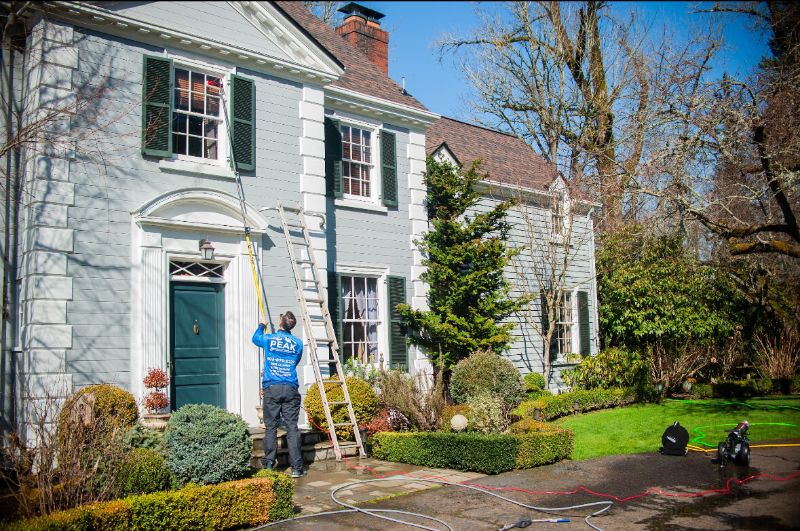
Pressure washing your gutters is safe, but only when you do it correctly. You’ll need to stay within 1,200 to 1,500 PSI and use a 25- or 40-degree nozzle to avoid denting aluminum, cracking vinyl, or forcing water behind your fascia boards. Your gutters also must be structurally sound before any pressure is applied. Understanding the full process, from inspection to downspout flushing, is what separates a safe cleaning from a costly repair.
Key Takeaways
-
Pressure washing gutters is safe when done correctly, using 1,200 to 1,500 PSI with a 25-degree or 40-degree nozzle.
-
High pressure can dent aluminum, crack vinyl, loosen seams, and force water behind fascia boards, causing leaks.
-
Gutters must be structurally intact, securely fastened, and free of rust, cracks, or separated joints before pressure washing.
-
Directing water upward or using zero-degree nozzles increases the risk of moisture intrusion and accelerated gutter damage.
-
Hiring a professional ensures proper technique, correct pressure settings, and early detection of existing damage before cleaning.
Can Pressure Washing Actually Damage Your Gutters?
Yes, pressure washing can damage your gutters if you’re not careful. High pressure levels can dent aluminum gutters, crack vinyl, and force water behind fascia boards, leading to wood rot and leaks.
Even durable gutter materials like steel aren’t immune—excessive force can loosen seams, blow out end caps, and compromise sealant joints.
The angle of the spray matters just as much as pressure levels. Directing water upward under the gutter lip pushes moisture into areas that should stay dry.
Using a wide-angle nozzle and keeping pressure below 1,500 PSI reduces the risk considerably.
If your gutters are older or already showing wear, high-pressure washing can accelerate existing damage.
Knowing your gutter materials and adjusting your technique accordingly is essential before you start. Regular gutter cleaning schedules help in maintaining the integrity of your gutters and preventing potential issues.
When Pressure Washing Gutters Is Safe to Do
Pressure washing your gutters is safe when they’re structurally intact, free of loose joints, and securely fastened to the fascia. You’ll also need to use the correct pressure settings—typically between 1,200 and 1,500 PSI—to avoid bending seams or blowing out end caps. Having a professional technician handle the job further reduces risk, as they understand how to adjust technique based on gutter material, age, and condition. Regular inspections for common roof problems can also help ensure that your gutters are in optimal condition before cleaning.
Gutters Are Structurally Sound
When your gutters are structurally sound, pressure washing is a safe and effective cleaning method. Gutter integrity depends on tight seams, secure brackets, and no existing cracks or corrosion. If your gutters meet these conditions, they can handle controlled water pressure without sustaining damage.
Before pressure washing, follow these maintenance tips to confirm your gutters are ready: inspect all joints and end caps for gaps, check that hangers are firmly attached to the fascia, and look for any rust spots or soft metal sections.
If everything checks out, you can proceed confidently. Gutters in good structural condition won’t develop leaks from pressure washing when you apply appropriate pressure levels and maintain the correct nozzle angle throughout the cleaning process.
Using Correct Pressure Settings
Using the correct pressure settings makes the difference between effective gutter cleaning and costly damage. For most residential gutters, you’ll want to stay between 1,200 and 1,500 PSI.
Aluminum and vinyl gutters are particularly vulnerable, so exceeding that range risks denting, cracking, or blowing out sealed joints.
Nozzle selection is equally critical. A 25-degree or 40-degree nozzle distributes water across a wider surface area, reducing the concentrated force that causes seam separation and bracket damage.
Avoid zero-degree nozzles entirely—they deliver too much impact force for gutter material to handle safely.
Adjust your pressure settings based on the gutter material, age, and condition. Older gutters with existing wear require lower PSI.
Matching your equipment output to the surface guarantees you’re cleaning effectively without introducing new structural problems.
Professional Technicians Handling It
Getting pressure settings right is only part of the equation—you also need the hands-on expertise to apply those settings correctly in real conditions.
Technician expertise directly determines whether gutter maintenance succeeds or causes damage. Professionals assess each system’s condition before spraying, adjusting technique based on material type, joint integrity, and debris load.
Skilled technicians bring critical capabilities you won’t replicate without training:
-
Identifying weak seams or corrosion before applying pressure
-
Controlling spray angles to prevent water intrusion behind fascia boards
-
Recognizing when flushing is safer than direct pressure washing
-
Spotting underlying drainage issues during the cleaning process
These competencies protect your gutters from preventable damage.
Hiring a licensed, insured professional isn’t just convenient—it’s the most reliable way to guarantee safe, effective results.
How to Pressure Wash Gutters Without Causing Leaks
Pressure washing gutters without causing leaks comes down to technique and equipment settings. Keep your PSI between 1,200 and 1,500 to remove debris without stressing seams or end caps.
Use a 25-degree or 40-degree nozzle and maintain at least a 12-inch distance from the gutter surface throughout your cleaning techniques.
Always work from the downspout outward, flushing debris in a controlled direction. Avoid directing water upward under roof shingles or into gutter joints at sharp angles.
Consistent gutter maintenance means inspecting seams and hangers before you start — existing weak points will fail under pressure. Regular cleaning allows for inspection of cracks or damage that could worsen with pressure washing.
If you notice sagging sections or separated joints, address those repairs first. Skipping that step turns a routine cleaning into an expensive water damage situation.
Signs Your Gutters Are Too Damaged to Pressure Wash
Knowing when not to pressure wash is just as important as knowing how. Inspecting your gutters before any cleaning helps you identify damage that pressure washing will worsen.
Gutter material considerations matter here—aluminum, galvanized steel, and vinyl each show deterioration differently, and signs of corrosion indicate the surface can’t withstand added pressure.
Watch for these warning signs before proceeding:
-
Rust stains or flaking metal along seams or end caps
-
Visible holes, cracks, or separated joints
-
Gutters pulling away from the fascia board
-
Extensive corrosion along the gutter floor or downspout connections
If you notice any of these issues, pressure washing will accelerate the damage. Regular cleaning frequency is essential to prevent such deterioration.
Schedule a professional inspection first to determine whether repair or replacement is necessary before cleaning.
What a Professional Gutter Cleaning Actually Includes
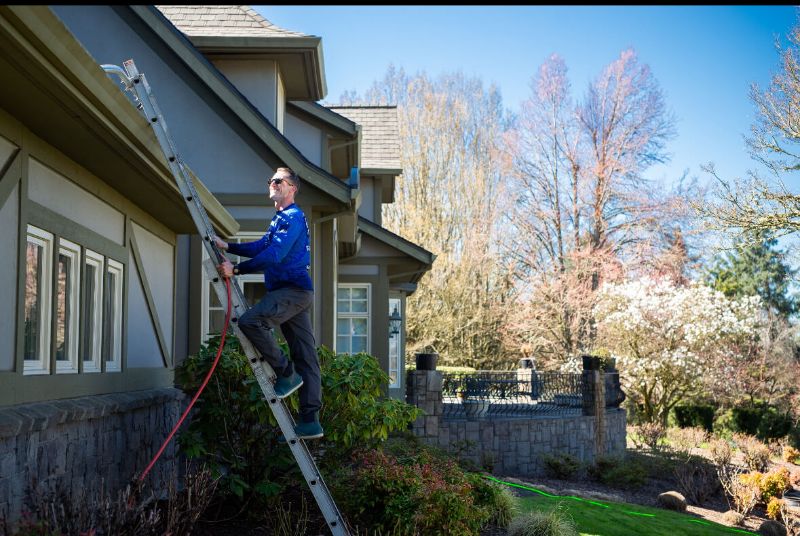
When you hire a professional for gutter cleaning, the job starts with a thorough inspection to assess debris load, joint integrity, and signs of sagging or damage before any cleaning begins. Technicians then remove debris using hand tools, wet/dry vacuums, or low-pressure flushing depending on buildup severity and gutter condition. They finish by flushing the downspouts to confirm proper water flow and identify any blockages or drainage failures that could compromise your system. Regular cleaning helps avoid expensive repairs from leaks and damage that may arise from neglecting gutter maintenance.
Inspection Before Cleaning
Before any water touches your gutters, a qualified technician runs through a systematic pre-cleaning inspection to identify conditions that could complicate or compromise the job.
Gutter materials and cleaning frequency both influence what the inspection reveals and how the crew proceeds.
The technician evaluates:
-
Seam and joint integrity — loose or separated seams indicate existing failure points that pressure could worsen
-
Fascia board condition — rotted wood behind the gutter signals water has already been infiltrating
-
Hanger and spike stability — missing or pulled fasteners mean the gutter can’t withstand cleaning pressure
-
Downspout flow — blocked downspouts trap water during cleaning, increasing overflow and potential damage
Skipping this step is how damage happens. A proper inspection guarantees the cleaning method matches your gutter’s actual condition.
Debris Removal Methods
Once the inspection clears the gutters for cleaning, the technician moves through a deliberate, multi-step debris removal process — not just a single pass with a pressure washer.
Effective gutter maintenance requires addressing multiple debris types differently. Dry leaves and pine needles get hand-scooped or blown out first.
Wet, compacted sediment — a common cause of clogs — gets carefully extracted to avoid forcing material into downspouts. Technicians then flush gutters with controlled water pressure, confirming flow moves freely toward the downspout outlets.
If blockages remain, they’re cleared from the bottom up to prevent backpressure damage. This staged approach protects seams, hangers, and fascia boards from unnecessary stress.
Skipping any step risks pushing debris deeper into the system or masking drainage problems that require repair.
Downspout Flushing Process
After the gutter channels are cleared, technicians flush each downspout independently to confirm unobstructed drainage from top to bottom. This step is critical for effective gutter maintenance tips you can apply year-round.
Common downspout obstruction causes include compressed leaf matter, sediment buildup, and debris lodged at elbow joints.
During flushing, professionals assess:
-
Water flow rate at the downspout outlet to detect partial blockages
-
Back-pressure resistance indicating mid-pipe compaction or joint separation
-
Overflow at the gutter-to-downspout connection revealing entry-point clogs
-
Ground-level discharge to confirm water exits away from your foundation
If flow remains restricted after flushing, technicians insert a pressure nozzle directly into the downspout opening to dislodge the obstruction without stressing the gutter seams or fasteners.
DIY vs. Professional Gutter Cleaning: Which Is Worth It?
When it comes to gutter cleaning, you’ve got two options: grab a ladder and do it yourself or hire a professional.
DIY risks are real — falls, improper technique, and missed damage are common. You’ll need specific tools: a pressure washer, gutter wand, safety harness, and eye protection.
Factor in time investment too; a full cleaning can take half a day. Cost comparison favors DIY upfront, but mistakes add up.
Skill levels matter considerably — improper pressure can pull gutters away from fascia or force water behind seams.
Professionals bring proper technique, insurance, and thoroughness. Long-term benefits of expert service include early damage detection and better results. Additionally, professional cleaning can help avoid moisture buildup, reducing the risk of mold growth.
For ongoing maintenance tips, schedule cleanings twice yearly to prevent overflow and structural damage.
Frequently Asked Questions
How Often Should Gutters Be Cleaned to Prevent Serious Buildup?
You should follow gutter maintenance tips that recommend a cleaning frequency of twice yearly—once in spring and once in fall. If you’ve got heavy tree coverage, you’ll need quarterly cleanings to prevent serious buildup.
Can Pressure Washing Gutters Remove Moss and Algae Effectively?
Yes, pressure washing effectively tackles moss removal and algae treatment in your gutters. You’ll eliminate stubborn biological growth clinging to surfaces, restoring proper water flow and preventing structural deterioration that unchecked moss and algae consistently cause over time.
What Time of Year Is Best for Gutter Cleaning in Portland?
Late fall’s your best time for seasonal cleaning in Portland, after leaves drop but before winter rains peak. Spring’s also ideal. These weather considerations guarantee your gutters handle Portland’s heavy rainfall without overflow or damage.
Will Gutter Cleaning Help Prevent Basement Flooding and Water Damage?
Yes, maintaining your gutter health directly protects your basement. When you keep water flow moving away from your foundation, you’ll greatly reduce hydrostatic pressure buildup that causes basement flooding and costly water damage over time.
Does Homeowners Insurance Cover Gutter Damage From Improper Pressure Washing?
Most homeowners insurance policies won’t cover gutter damage from improper pressure washing, as it’s considered neglect. You’re responsible for proper gutter maintenance, so always hire professionals who understand safe pressure washing techniques to avoid costly, uncovered repairs.
Conclusion
Pressure washing your gutters can be safe and effective — but only if you’re using the right pressure, proper technique, and taking the condition of your gutters into account first. Push too hard or skip the inspection, and you’re trading a clogged gutter for a leaking one. If your gutters show signs of deterioration, it’s smarter to call a professional before picking up a pressure washer and turning a maintenance task into a costly repair.