
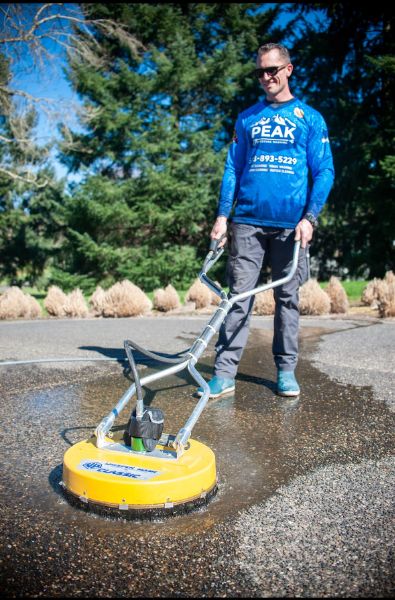
Your driveway gets slippery overnight in the fall because cooling temperatures drop below the dew point, causing moisture to condense directly onto the pavement surface. Concrete and asphalt cool faster than the surrounding air, accelerating condensation buildup. If moss, algae, or biofilm already exist on your driveway, they absorb that moisture like a sponge, eliminating surface friction entirely. Understanding the full mechanics behind this hazard will help you choose the right fix before the first frost hits.
Key Takeaways
-
Fall temperatures drop overnight, causing moisture from dew, fog, or condensation to settle on driveway surfaces, creating slippery conditions.
-
Concrete and asphalt cool faster than surrounding air, triggering condensation even without rainfall.
-
Organic growth like moss and algae absorbs overnight moisture, forming an invisible, slick film that reduces traction.
-
Fallen leaves trap moisture against driveway surfaces, accelerating organic buildup and worsening slip hazards.
-
Concrete driveways are especially prone to overnight slickness due to their porous surface retaining moisture longer than asphalt.
What Makes Fall Driveways So Slippery Overnight
Fall driveways don’t become slippery by accident — a specific chain of conditions triggers the hazard. As temperatures drop overnight, moisture from rain, dew, or fog settles onto your driveway’s surface. If that surface already harbors algae, moss, or decomposing leaf debris, the moisture activates those organic materials, creating a thin, nearly invisible film with almost zero traction. Concrete and pavers are especially vulnerable because their porous texture traps biological growth beneath the surface layer. You won’t always see the danger until you’re already sliding. Seasonal precautions matter here because the problem compounds quickly — each wet night adds another layer of organic buildup. Consistent driveway maintenance disrupts this cycle before slippery conditions escalate into a genuine safety risk for you, your family, or visitors. Beyond the immediate hazard, algae and oil stains become especially treacherous when wet, increasing the likelihood of slip-and-fall incidents that can result in serious injuries or liability concerns for property owners.
How Overnight Cooling Turns Your Driveway Into a Hazard
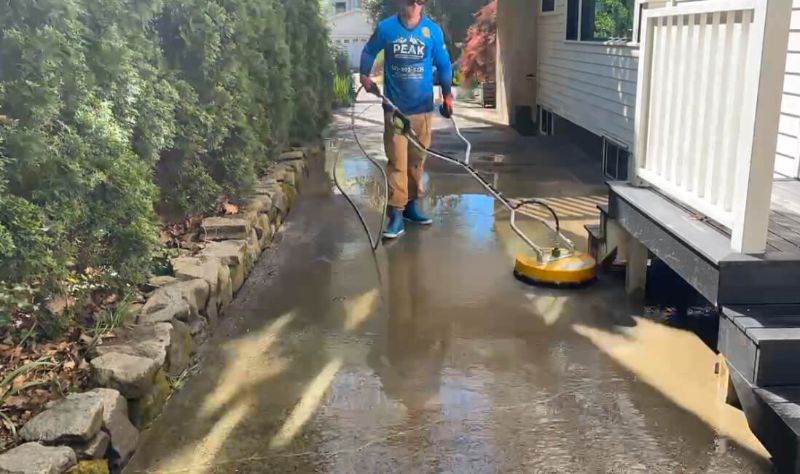
As temperatures drop overnight, the air loses its capacity to hold moisture, and that excess water vapor settles directly onto your driveway as dew or condensation. If moss, algae, or organic debris already coats the surface, those materials absorb and retain that moisture, creating a persistently wet layer that doesn’t evaporate before morning foot traffic begins. This biological film, now saturated with overnight condensation, reduces surface friction sharply, turning what looks like a dry driveway into a genuine slip hazard. Algae such as Chlorophyta and Cyanobacteria colonize concrete surfaces by penetrating pores, giving overnight moisture even more opportunity to be trapped and held against the driveway surface.
Temperature Drops Create Moisture
When overnight temperatures drop below the dew point, moisture condenses directly onto your driveway’s surface—even without rain. This process, called condensation, occurs when the air can no longer hold its water vapor. Your driveway’s concrete or asphalt radiates heat faster than the surrounding air cools, creating a temperature differential that accelerates moisture accumulation on the surface.
Temperature fluctuations between day and night are the primary driver. During fall, warm afternoon air holds considerable humidity. Once temperatures drop sharply after sunset, that humidity releases onto any cooler solid surface it contacts—including your driveway. By morning, you’re left with a thin, nearly invisible moisture film. That film is what makes each step unpredictable and greatly increases your risk of slipping. Portland’s high moisture levels also foster moss and algae growth on driveways and surrounding surfaces, adding another layer of slipping hazard as the season progresses.
Organic Growth Traps Dew
Organic growth—moss, algae, and lichen—compounds the moisture problem considerably. These organisms establish root-like structures that penetrate surface pores, creating a sponge-like matrix across your driveway. When dew forms overnight, this organic buildup absorbs and holds that moisture rather than allowing it to evaporate or drain naturally.
The result is a surface that stays wet far longer than bare concrete or asphalt would. Even after surrounding areas dry, moisture retention within organic colonies keeps your driveway slick well into the morning hours. Foot traffic and vehicle tires compress this saturated growth, releasing water and dramatically reducing surface friction.
You’re not just dealing with a wet driveway—you’re dealing with a biological layer specifically engineered, by nature, to hold water against your surface indefinitely. In climates like Portland’s, where winter humidity levels can exceed 80%, organic growth on driveways escalates from a cosmetic nuisance to a genuine safety hazard almost overnight.
Nighttime Condensation Accelerates Slickness
Overnight cooling introduces a separate but equally dangerous moisture mechanism: condensation. As surface temperature drops below the dew point, water vapor from nighttime humidity deposits directly onto your driveway’s surface. This happens without any rainfall. The concrete or asphalt cools faster than the surrounding air, creating ideal thermodynamic conditions for moisture accumulation. If organic growth like algae or moss already coats your driveway, that condensation absorbs into the biofilm rather than evaporating. The result is a thin, nearly invisible water layer sitting on a slick biological surface. You won’t see it until you’re already sliding. This combination of reduced surface temperature and elevated nighttime humidity operates silently, consistently, and predictably every fall evening — making your driveway most hazardous precisely when visibility is lowest. Portland’s frequent rainfall and humidity create persistent conditions for mold, algae, and moss growth that compound this overnight condensation hazard throughout the season.
How Moss, Algae, and Biofilm Make Fall Driveways Dangerous
Moss, algae, and biofilm don’t just look unsightly on your driveway—they actively compromise surface friction in ways that make fall conditions especially treacherous. These organisms colonize porous concrete and asphalt surfaces, secreting moisture-retaining compounds that keep your driveway wet long after rain stops. Biofilm, a thin microbial layer invisible to the naked eye, reduces surface texture at the microscopic level, effectively eliminating the grip your shoes and tires depend on. Without consistent moss prevention and algae control, these colonies expand rapidly during fall’s cool, damp conditions. Each organism compounds the hazard differently: moss retains pooled water, algae produces slick organic coatings, and biofilm eliminates friction uniformly across the surface. Together, they transform an ordinary driveway into a genuine fall safety hazard. Homes in humid climate regions are particularly vulnerable, with roughly 15% facing persistent moss-related issues that can quickly spread from rooflines and lawns onto driveway surfaces.
Why Concrete and Pavers Are More Dangerous Than Asphalt
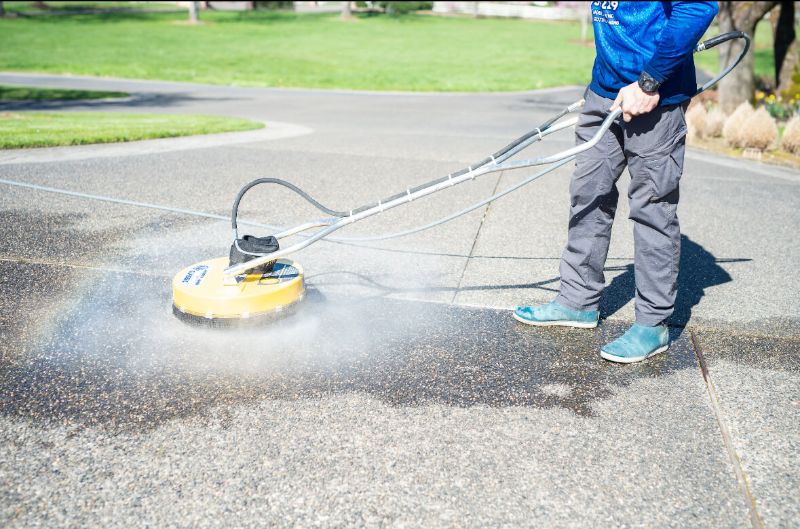
While moss, algae, and biofilm create hazards on any driveway surface, concrete and pavers amplify those risks in ways asphalt doesn’t. Concrete’s rigid, porous surface retains moisture longer than asphalt, giving organic growth more time to establish and spread. That extended moisture retention eliminates many concrete advantages when biofilm coats the surface, turning texture into a liability.
Pavers introduce additional complexity. Their segmented joints collect debris, standing water, and organic material, accelerating biological growth between and across each unit. Without consistent paver maintenance, those joints become channels that distribute moisture and organisms across the entire surface. Asphalt’s denser, more flexible composition sheds water faster, reducing the window for overnight biofilm development. Your concrete or paver driveway isn’t just slippery—it’s structurally designed to hold onto the conditions that cause it. Professional cleaning services can apply eco-friendly cleaning solutions that target moss, algae, and biofilm at the source without degrading your surface material over time.
DIY Steps to Improve Driveway Traction Before First Frost
Before the first frost arrives, you can take three practical steps to reduce slip risk on your driveway: clean the surface thoroughly, remove any moss or algae growth, and apply an anti-slip coating. Skipping the cleaning step undermines everything that follows, since coatings and treatments won’t bond properly to surfaces contaminated with organic buildup, dirt, or debris. Once the surface is clean and dry, you’ll apply your chosen traction coating in controlled, even passes to guarantee consistent coverage across the entire driveway. Moss thrives in high humidity environments by retaining moisture against hard surfaces, which accelerates the development of slippery conditions on driveways during fall.
Clean The Surface First
Start with the surface itself—loose debris, wet leaves, and organic buildup are the primary contributors to fall traction loss, and removing them is the first line of defense before temperatures drop. Effective surface preparation begins with blowing or raking away leaf accumulation, followed by targeting embedded organic matter using appropriate cleaning techniques.
Use a stiff-bristle brush to agitate algae, moss, or mildew deposits, then rinse thoroughly with a garden hose or pressure washer. For concrete and asphalt, a pressure washer set between 1,500 and 3,000 PSI removes compacted grime most effectively. Apply a biodegradable degreaser to oil stains before rinsing. Allow the surface to dry completely before applying any traction treatment—cleaning a wet surface reduces product adhesion and diminishes long-term effectiveness.
Apply Anti-Slip Coating
Once the surface is clean and fully dry, anti-slip coating gives you a durable layer of traction that holds up through repeated freeze-thaw cycles. Modern anti-slip technology uses aggregate particles—typically aluminum oxide or silica—suspended in an acrylic or epoxy base. Proper surface preparation is non-negotiable here; any remaining moisture, oil, or debris will prevent adhesion.
Apply the coating using a stiff-bristle roller, working in small sections to maintain a consistent thickness. Follow the manufacturer’s specified cure time before allowing foot or vehicle traffic. Most coatings require 24 to 48 hours at temperatures above 50°F. Apply a second coat if the manufacturer recommends it. Once cured, the coating bonds directly to the concrete, considerably reducing slip risk when frost, dew, or rain accumulates overnight.
Remove Moss And Algae
Moss and algae create a biofilm layer on concrete that turns dangerously slick when wet, and removing them before the first frost is one of the most effective steps you can take to restore surface traction. Start your moss removal process by applying a diluted bleach solution—one part bleach to three parts water—directly onto affected areas. Let it dwell for 15 to 20 minutes to break down the organic material. For algae treatment, use a stiff-bristle brush to scrub the loosened growth, working in small sections. Rinse thoroughly with a garden hose or pressure washer set between 1,500 and 3,000 PSI. Inspect the surface for remaining discoloration, which indicates active spores that require a second treatment before temperatures drop.
When to Call a Pro for Driveway Cleaning
While regular maintenance can go a long way, some driveway conditions require professional-grade equipment and cleaning agents to address effectively. If you’re dealing with persistent moss, heavy algae colonization, or deeply embedded grime that DIY methods haven’t resolved, it’s time to explore professional services.
Professionals use commercial-grade pressure washing equipment, targeted cleaning agents, and proven application techniques that eliminate biological growth at the root level rather than just the surface. This approach supports long-term driveway maintenance by preventing rapid regrowth and reducing slip hazards before winter moisture compounds the problem.
You should also call a pro if your driveway surface shows staining from oil, rust, or organic matter. Attempting aggressive cleaning without proper training risks surface damage, making professional intervention the more cost-effective choice.
Frequently Asked Questions
Does Driveway Sealing Help Prevent Slippery Surfaces During Fall Months?
Yes, driveway sealing improves sealant effectiveness by closing porous surfaces where moisture, algae, and moss accumulate. As part of your seasonal maintenance routine, you’ll reduce overnight slipperiness caused by fall’s damp conditions considerably.
How Often Should Driveways Be Professionally Cleaned Each Year?
You should schedule professional driveway maintenance at least once or twice yearly. Prioritize seasonal cleaning in spring to remove winter buildup and again in fall to eliminate moss, algae, and debris before temperatures drop.
Can Slippery Driveways Affect My Homeowner’s Insurance Liability Coverage?
Yes, slippery conditions on your driveway can impact your homeowner’s insurance liability coverage. If someone falls and files insurance claims, you could face increased premiums or denied coverage if negligence in maintaining safe conditions is proven.
Are Heated Driveway Systems Worth Installing in Portland’s Climate?
Heated driveway systems aren’t typically worth it in Portland’s mild climate. Installation costs are high, and heating efficiency gains are minimal since you’re rarely dealing with prolonged freezing temperatures that justify the investment.
Does Driveway Color or Finish Affect How Quickly Surfaces Become Slippery?
Yes, your driveway materials and surface textures directly affect slip risk. Darker colors retain more heat, slowing moisture accumulation, while smoother finishes accelerate biofilm growth overnight, making them considerably more slippery than rougher, more porous surfaces.
Conclusion
Fall driveways don’t become slippery by accident. You’re dealing with a precise combination of dew point condensation, biological growth, and surface porosity that compounds overnight. Once you’ve identified whether you’re battling frost, biofilm, or decomposing organic matter, you can apply the correct intervention. Don’t treat every slick surface the same way. Match your solution to the specific cause, maintain a consistent cleaning schedule, and you’ll systematically eliminate the conditions that create fall driveway hazards.