

As days get shorter, dirty windows compound the problem by blocking up to 40% of your natural light. Thin films of grime, pollen, and hard water deposits scatter incoming sunlight rather than letting it pass through cleanly. Fall and winter conditions accelerate buildup through decomposing leaves, road salt, and moisture-carrying pollutants. Your home ends up darker than the season requires. Professional cleaning can recover 20-30% of that lost light transmission—and there’s more to this than a simple wipe-down.
Key Takeaways
-
Dirty windows can block up to 40% of natural light, making interiors noticeably dimmer as daylight hours naturally shorten in autumn.
-
Thin films of grime, pollen, and algae scatter incoming light rather than allowing clean transmission, dulling room ambiance significantly.
-
Cool, damp fall conditions accelerate moss, algae, and pollutant buildup on glass, compounding light loss during already darker months.
-
Oxidized window frames deflect additional light, worsening the dimming effect when combined with grimy glass surfaces.
-
Professional cleaning can recover 20–30% of lost light transmission, restoring optical clarity before shorter winter days take full effect.
Why Windows Get Dirtier Faster in Fall and Winter
As the seasons shift, your windows take on more grime than you might expect. Fall brings decomposing leaves, wind-driven debris, and organic residue that sticks to glass surfaces. Winter compounds the problem with road salt spray, increased rainfall, and low sun angles that highlight every smear and streak.
Moisture from frequent rain doesn’t rinse windows clean—it carries airborne pollutants and deposits them as water evaporates. Moss and algae spores also thrive in cool, damp conditions, accelerating buildup on frames and glass edges.
Neglecting window maintenance during these months lets grime layers accumulate faster than in summer. Seasonal cleaning isn’t just cosmetic—it prevents etching, staining, and long-term surface degradation. Staying proactive keeps your windows functioning properly and maximizing whatever natural light the shorter days offer. Similarly, clogged gutters allow water overflow damage to walls and exterior surfaces, which can leave behind residue and staining that further diminishes your home’s appearance and light-reflecting surfaces.

How Dirty Windows Block More Natural Light Than You Think
Dirty windows block more natural light than most homeowners realize. Even a thin film of grime can reduce light exposure markedly, making interiors feel darker and smaller. Consistent window maintenance prevents this buildup before it compounds.
Common culprits that reduce natural light include:
-
Pollen and dust films that scatter incoming light
-
Hard water mineral deposits that create permanent haze
-
Oxidized frames that deflect light at the edges
-
Algae and mold growth that absorbs light rather than transmitting it
-
Exhaust residue that coats glass with oily, light-blocking layers
Each layer compounds the effect. You might not notice it day-to-day, but your rooms are measurably dimmer. Scheduling professional window cleaning restores full light transmission and keeps your home feeling bright even during shorter winter days. Beyond brightness, pollutants and dirt left unaddressed can cause permanent damage to glass surfaces, making regular cleaning essential for protecting your investment.
Which Rooms Lose the Most Light to Dirty Windows
Not every room in your home takes an equal hit from dirty windows. South-facing rooms lose the most because they receive direct sunlight throughout the day, meaning grime on those panes cuts into your strongest light source. Kitchens and living rooms feel the impact first since you rely on natural light there for visibility and comfort during peak daytime hours. Over time, dirt and grime buildup on these high-traffic windows can lead to permanent stains that further reduce light transmission even after casual cleaning attempts.
South-Facing Rooms Suffer
South-facing rooms take the hardest hit from dirty windows because they receive direct sunlight for the longest portion of the day. As sunlight angles shift with seasonal changes, grime and film scatter incoming light instead of letting it pass through cleanly. You’ll notice the dimming effect most in these common south-facing spaces:
-
Living rooms where natural light anchors daily activity
-
Home offices that rely on consistent brightness for productivity
-
Kitchens where cooking and prep benefit from clear visibility
-
Sunrooms designed specifically to capture maximum daylight
-
Dining rooms where ambiance depends on natural light quality
Dirty glass turns your brightest rooms into your dimmest ones. Over time, accumulated dirt and grime can cause etching and scratches that permanently reduce how much light passes through your windows. Scheduling regular window cleaning keeps south-facing spaces performing the way they were designed to.
Kitchens Lose Natural Light
Kitchens demand consistent natural light for safe food prep, accurate color reading while cooking, and general visibility across countertops and workspaces. When grime accumulates on kitchen windows, you’re losing the natural lighting that makes these tasks accurate and safe. Dirty glass scatters incoming light rather than transmitting it cleanly, dulling kitchen aesthetics and flattening the visual contrast you rely on to distinguish food textures and surface conditions.
Kitchens also tend to face rear yards, meaning they don’t benefit from street-side maintenance routines. That neglect compounds quickly. Grease vapor from cooking bonds with outdoor dust on glass surfaces, creating a film that standard wiping won’t fully remove. Professional window cleaning cuts through that layered buildup, restoring the full light transmission your kitchen actually needs to function well. Beyond aesthetics, clean windows reduce heating costs by allowing sunlight to naturally warm interior spaces, a benefit that becomes especially relevant as daylight hours shorten.
Living Rooms Dim First
Living rooms take the hardest hit from dirty windows because they typically feature the largest glass surfaces in the home. When grime and film accumulate on these panes, seasonal lighting shifts become dramatically more noticeable, and living room aesthetics suffer fast.
You’ll likely notice these changes first:
-
Picture windows block the most light when coated in oxidation and environmental film
-
South-facing glass loses afternoon brightness earliest as sun angles drop
-
Sheer curtains yellow faster when filtered through dirty panes
-
Dust and spider webs compound film buildup along wide sills and frames
-
Ambient light becomes uneven, creating a consistently dull atmosphere
Cleaning your living room windows before fall arrives restores natural light distribution and protects the visual warmth your main gathering space depends on daily. In fact, clean windows increase energy efficiency by allowing more natural light into the home, reducing the need for artificial lighting and lowering energy bills over time.
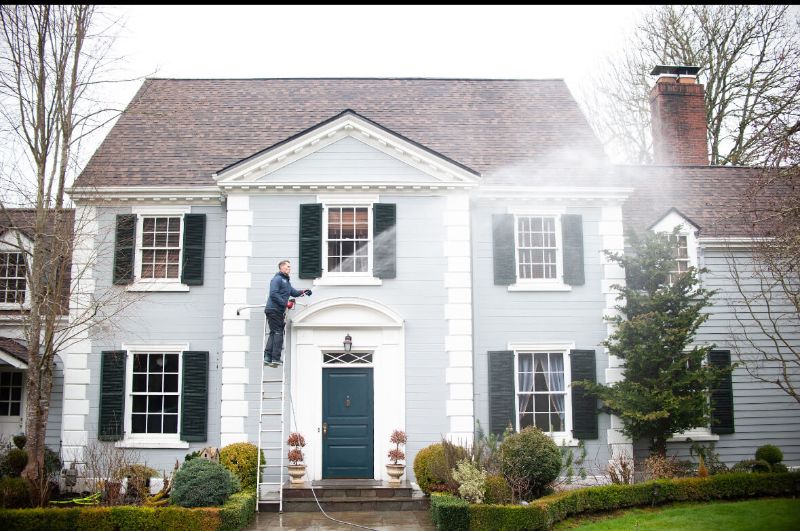
Can Window Cleaning Actually Brighten Your Home?
When you clean your windows professionally, you can restore a significant portion of lost light transmission, sometimes recovering 20–30% of the natural light that grime and film have been blocking. Cleaner glass allows sunlight to pass through without scattering or absorbing into contaminant layers, which directly translates to brighter, more evenly lit interior spaces. If oxidation or hard water deposits have created a stubborn film on your glass, targeted film removal techniques can restore optical clarity that basic cleaning alone won’t achieve. Professional cleaners use filtered water systems to prevent the mineral residue that unfiltered water leaves behind, which can otherwise contribute to the same film buildup you’re trying to eliminate.
Light Transmission Increases Significantly
Dirty windows block more light than most homeowners realize. A layer of grime, pollen, and environmental residue can reduce light transmission by up to 40%, directly impacting your home’s brightness and energy efficiency. When you restore clean glass, you improve light reflection and reduce your reliance on artificial lighting.
Professional window cleaning delivers measurable results:
-
Removes biofilm and oxidation that scatter incoming light
-
Restores glass clarity for maximum solar gain
-
Reduces glare distortion caused by uneven dirt buildup
-
Improves light reflection off interior surfaces
-
Supports energy efficiency by maximizing natural daylight
Portland’s rainy seasons and seasonal pollen contribute to significant grime buildup that compounds light-blocking effects over time, making regular cleaning especially important in this region. You don’t need new windows to brighten your space. Clean glass performs remarkably better than dirty glass, making professional cleaning one of the most cost-effective upgrades you can make this season.
Cleaner Glass, Brighter Rooms
Most homeowners don’t realize how much light dirty windows actually block. A layer of grime, mineral deposits, and oxidation scatters incoming light rather than allowing it to pass cleanly through the glass. The result is a noticeably dimmer interior, especially during fall and winter when sunlight angles lower and daylight hours shrink.
Prioritizing glass maintenance means you’re maximizing every available photon during the shortest days of the year. Clean glass transmits light more efficiently, reduces eye strain, and makes artificial lighting work harder than it should.
Scheduling seasonal cleaning—ideally before fall sets in—removes the buildup that accumulates over spring and summer. You’ll immediately notice brighter rooms, improved color accuracy indoors, and a stronger connection to natural light throughout the day.
Film Removal Restores Clarity
Over time, windows develop a stubborn film made up of hard water minerals, oxidation, exhaust residue, and airborne pollutants that ordinary wiping can’t remove. Understanding these film types helps you recognize why professional cleaning restores clarity benefits that DIY methods miss.
Professional window cleaning eliminates:
-
Hard water deposits that etch into glass and scatter incoming light
-
Oxidation layers that create a hazy, milky appearance on older panes
-
Exhaust residue from traffic that darkens glass with oily buildup
-
Airborne pollutants that bond chemically to surface glass
-
Biofilm growth including algae and mold spores along frame edges
Once these layers are removed, light transmits cleanly through the glass again. You’ll notice rooms feel immediately brighter, especially during shorter winter days when every bit of natural light counts.
What Professional Window Cleaning Removes That DIY Misses
Window film isn’t just an aesthetic issue—it’s a buildup of hard water minerals, oxidation, construction residue, and embedded organic matter that standard squeegees and spray bottles can’t fully address. DIY cleaning smears these contaminants rather than lifting them, leaving streaks that scatter light and reduce indoor brightness.
Professional expertise makes the difference. Technicians use commercial-grade detergents, water-fed poles with purified water, and proper squeegee technique to dissolve and extract contaminants completely. The result is a streak free shine that restores full light transmission through the glass.
You’ll also miss frame buildup, screen grime, and sill debris with DIY methods—all of which contribute to reduced clarity. Professional cleaning addresses the entire window system, not just the glass surface.
When Portland Homeowners Should Schedule Window Cleaning
Knowing that professional cleaning restores full light transmission is only part of the equation—timing that service correctly maximizes the benefit. Portland’s climate makes seasonal scheduling essential for maintaining ideal window clarity. Plan your window cleaning frequency around these key windows:
-
Late September or early October before shorter days reduce available daylight
-
Early spring after winter rain deposits mineral residue and biological growth
-
After major windstorms that deposit debris and accelerate film buildup
-
Before listing a home when curb appeal directly affects buyer perception
-
Following construction or renovation when dust and particulates coat glass surfaces
Portland’s wet winters accelerate buildup faster than drier climates, so twice-yearly cleaning typically keeps light transmission near ideal. Skipping seasonal scheduling lets compounding film layers silently reduce your home’s interior brightness month after month.
Frequently Asked Questions
Does Window Film Affect Indoor Plant Growth During Darker Months?
Yes, window film reduces light penetration, directly impacting your plant health during darker months. You’ll notice slower growth and leaf drop. Clean windows maximize available sunlight, so keeping them clear helps your plants thrive year-round.
How Much Does Professional Window Cleaning Typically Cost in Portland?
You’ll typically spend $150–$300 for professional window cleaning in Portland, though cost factors like home size, window count, and accessibility can adjust your final price. Peak Pressure Washing offers transparent pricing tailored to your needs.
Can Dirty Windows Increase Household Energy Bills Significantly?
Yes, dirty windows reduce window efficiency by blocking natural light, forcing you to use more artificial lighting and heating. Regular professional cleaning delivers real energy savings by maximizing sunlight and reducing your home’s overall energy consumption.
Are Eco-Friendly Cleaning Solutions as Effective as Traditional Chemical Cleaners?
Yes, eco-friendly effectiveness matches traditional chemical cleaner comparison results in most cases. You’ll find that modern green solutions break down dirt, mold, and algae efficiently without harsh residues, protecting your surfaces while delivering professional-grade results safely.
How Long Does a Professional Window Cleaning Service Usually Take?
Professional window cleaning typically takes 1–3 hours, depending on your home’s size and window count. Following window maintenance tips and cleaning frequency recommendations, you’ll keep surfaces clear and maximize natural light year-round.
Conclusion
Don’t let dirty windows rob your home of the natural light it deserves during the darkest months of the year. A professional cleaning removes the film, mineral deposits, and grime that DIY methods leave behind, restoring meaningful light transmission to every room. If you’re in Portland, scheduling a cleaning before winter sets in is the most practical step you can take to keep your living spaces brighter when daylight is already in short supply.