
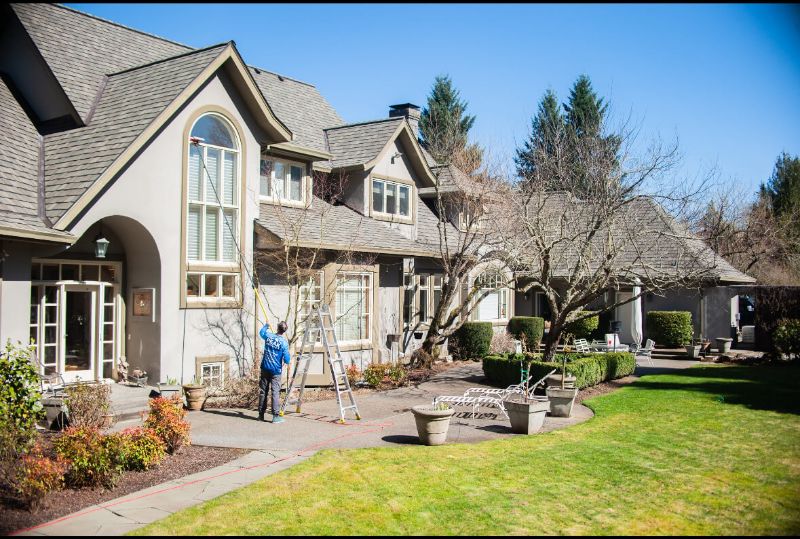
Your forested property in Sandy traps fall moisture beneath dense canopy, blocking sunlight and preventing surfaces from drying naturally. Decomposing leaves release organic acids that degrade shingles, stain concrete, and accelerate mold and moss colonization faster than open-lot properties experience. Clogged gutters redirect water into vulnerable structural zones, compounding damage before winter arrives. Knowing where moisture hides and how to treat it before temperatures drop below 40°F makes all the difference.
Key Takeaways
-
Dense tree canopies trap moisture by blocking sunlight, creating ideal conditions for moss, algae, and mold on shaded surfaces.
-
Overhanging branches and clogged gutters accumulate organic debris, redirecting water toward vulnerable structural surfaces and accelerating damage.
-
Decomposing leaves release organic acids that degrade roofing materials and erode protective granules from shingles over time.
-
The optimal cleaning window is late September to mid-November, before freezing temperatures reduce treatment solution effectiveness.
-
Low-pressure soft washing and biodegradable solutions effectively neutralize biological growth while protecting surrounding vegetation and surfaces.
Sandy’s Tree Cover Makes Fall Moisture a Bigger Problem
Sandy’s dense tree canopy creates a moisture-trapping environment that accelerates organic growth on your home’s exterior surfaces. Overhanging branches block sunlight, preventing natural drying after rainfall. Combined with Sandy’s already elevated fall precipitation, this sustained moisture retention creates ideal conditions for moss, algae, and mold to establish on your siding, roof, and concrete.
Tree health also plays a direct role in surface contamination. Decomposing leaves, bark fragments, and organic debris accumulate on your roof and gutters, feeding microbial growth while restricting drainage. The result is prolonged surface saturation that degrades roofing materials, wood siding, and concrete over time. Moss acts like a sponge against shingles, and prolonged moisture exposure can lead to wood rot and leaks that compromise your roof’s structural integrity.
If your property sits beneath significant tree cover, you’re facing accelerated deterioration that demands more proactive exterior maintenance than properties with greater sun exposure receive.

Where Moisture Damage Hides on Forested Properties
Moisture damage on forested properties rarely announces itself—it accumulates in low-visibility zones that most homeowners overlook until deterioration is well advanced. Hidden moisture collects beneath leaf litter on roof valleys, inside gutters packed with organic debris, and along the base of siding where soil contact encourages sustained dampness. North-facing walls and shaded fence lines stay wet for extended periods, accelerating wood rot and algae colonization. Deck boards trap moisture underneath, weakening structural connections before surface-level damage becomes visible. Consistent forest maintenance reduces these vulnerabilities by limiting debris accumulation and improving airflow around surfaces. Without it, the combination of dense canopy, fall precipitation, and low sunlight creates persistent wet conditions that degrade wood, concrete, and composite materials faster than most property owners anticipate. Autumn in particular demands attention to gutter debris removal, as falling leaves rapidly accumulate and cause blockages that redirect water toward vulnerable structural surfaces.
What Fall Leaves Do to Siding, Roofs, and Concrete
When fall leaves pile against your siding, they hold moisture directly against the surface, accelerating rot, mold growth, and paint degradation over time. On your roof, decomposing leaf matter breaks down shingles, clogs drainage pathways, and creates the damp conditions that moss and algae need to take hold. On concrete, tannins and organic acids leaching from decaying leaves leave behind dark, stubborn stains that penetrate the surface if you don’t remove the debris promptly. Clogged gutters compound these problems by allowing overflow to run directly down siding and pool around your foundation, making regular gutter maintenance one of the most effective ways to limit seasonal moisture damage across multiple surfaces.
Leaves Trap Moisture Underneath
Fall in Sandy brings heavy leaf accumulation, and those leaves don’t just sit harmlessly on your property’s surfaces—they actively trap moisture underneath them. Decomposing leaves create a dense, wet layer that maintains constant contact with your siding, roofing materials, and concrete. This prolonged moisture retention accelerates surface degradation faster than seasonal rain alone.
Here’s what that trapped moisture does:
-
Siding – Sustained dampness penetrates paint, promotes mold growth, and warps wood or composite materials.
-
Roofs – Wet leaf matter feeds moss and algae colonies, breaking down shingles over time.
-
Concrete – Trapped moisture seeps into surface pores, causing cracking and staining as temperatures fluctuate.
Removing leaf buildup promptly is your most effective defense against compounding surface damage. Experts recommend inspecting your roof at least twice a year to catch moisture-related damage early before it escalates into costly repairs.
Debris Stains Concrete Surfaces
Decomposing leaves release tannins, organic acids, and pigments that penetrate concrete’s porous surface, leaving behind dark, stubborn stains that standard rinsing won’t remove. The longer leaf matter sits on driveways, walkways, and patios, the deeper those compounds migrate into the substrate. Sandy’s wet fall climate accelerates this process, keeping debris saturated against concrete for extended periods.
Prompt debris removal prevents permanent discoloration and limits the chemical breakdown of surface sealers. Once staining sets, you’ll need professional surface restoration to extract embedded pigments without damaging the concrete itself. High-pressure extraction combined with targeted cleaning agents lifts organic staining effectively, restoring your concrete’s original appearance. Waiting until spring extends the damage window considerably, compounding both the staining severity and the cost of corrective treatment. Beyond aesthetics, accumulated grime on concrete poses genuine safety risks, as decomposing organic matter creates slippery surface conditions that increase the likelihood of slips and falls on walkways and patios.
Decomposing Leaves Damage Roofs
Leaf accumulation on your roof does far more damage than most property owners realize. Decomposing leaves trap moisture directly against roofing materials, accelerating deterioration through three distinct mechanisms:
-
Organic acid release — breaking down leaves emit acids that degrade asphalt shingles and wood shake surfaces.
-
Moisture retention — wet leaf layers prevent proper drainage, promoting moss, algae, and mold colonization beneath debris.
-
Granule erosion — sustained moisture contact strips protective granules from shingles, reducing UV resistance and waterproofing capacity.
Leaf decomposition effects compound quickly in Sandy’s heavily forested environment, where fall deposits accumulate faster than most homeowners anticipate. Following basic roof maintenance tips isn’t enough here — you need systematic removal and professional roof cleaning to eliminate biological growth before structural damage develops. Scheduling a professional cleaning in early fall conditions allows crews to address accumulated biological growth before winter moisture compounds the damage.
How Moss and Algae Spread After Sandy’s First Fall Rains
As Sandy’s first fall rains arrive, moss and algae spores—already present on your roof, siding, and concrete—activate rapidly in the newly humid conditions. Moisture penetrates porous surfaces, giving spores the water retention they need to germinate and colonize. Moss growth accelerates on north-facing slopes and shaded areas where sunlight rarely dries surfaces between rain events. Algae spreads faster, forming black or green streaks across roofing materials and concrete within weeks. Both organisms anchor into surface pores, degrading materials over time. Algae prevention requires acting before spore activation, not after visible colonies appear. Treatments applied early in fall interrupt the germination cycle. Waiting until spring means enduring an entire wet season of biological damage that compounds with each rainfall. Left unaddressed, moss retains moisture against roofing materials, accelerating shingle deterioration that shortens the lifespan of your roof significantly.
When to Schedule a Fall Wash Before Winter Locks In Damage
Once you notice dark streaking on your siding, slick moss patches on your roof, or green algae creeping across your concrete, you’ve already entered the critical scheduling window for a fall wash. In Sandy’s forested climate, that window typically runs from late September through mid-November, before freezing temperatures bond organic growth into surface pores and make removal considerably harder. Scheduling your exterior cleaning before the first hard freeze lets you stop moisture-driven damage before winter locks it into your home’s materials for months. On concrete surfaces like driveways and walkways, this timing matters especially because water infiltration and freezing can expand existing stains into cracks and structural damage that require far costlier repairs come spring.
Signs of Moisture Damage
Many signs of moisture damage are subtle enough to miss until they’ve already compromised your property’s structural integrity. Knowing these moisture indicators early is critical for damage prevention before winter accelerates deterioration.
Watch for these key warning signs:
-
Dark streaking or staining on siding, fascia, or concrete surfaces, indicating trapped organic matter and prolonged moisture contact.
-
Soft or spongy wood along decking, fencing, or trim boards, signaling active rot beneath the surface.
-
Visible moss, algae, or biofilm growth on roofing, walkways, or exterior walls, confirming sustained moisture retention.
If you’re noticing any of these on your Sandy property, scheduling a professional wash now stops compounding damage before freezing temperatures seal moisture deeper into vulnerable surfaces.
Ideal Fall Cleaning Windows
Timing your fall exterior cleaning correctly determines whether you’re protecting your property or simply delaying inevitable winter damage. In Sandy, the ideal scheduling window runs from late September through mid-November, before sustained rainfall and freezing temperatures set in. Schedule your fall cleaning after deciduous trees drop the majority of their leaves but before overnight temperatures consistently drop below 40°F, which compromises cleaning solution effectiveness and surface drying times.
Targeting this window lets cleaning agents penetrate and neutralize moss, algae, and mold colonies before dormancy locks biological growth beneath winter moisture. Once freezing conditions arrive, trapped organic matter expands within surface pores, accelerating deterioration. Coordinating your fall cleaning during this precise timeframe maximizes treatment effectiveness, extends surface longevity, and positions your property to enter winter structurally sound and defensively clean.
Preventing Winter Surface Lock-In
Surface lock-in happens when winter moisture traps biological growth—moss, algae, mold spores—inside porous materials before treatments can neutralize them. Sandy’s forested properties face this risk intensely due to heavy canopy debris and persistent fall dampness. Seasonal maintenance prevents costly spring repairs by targeting surfaces before freezing temperatures seal contaminants in.
Schedule your fall wash around these preventive measures:
-
Late October treatments — address moss and algae colonies before rainfall frequency peaks
-
Post-leaf-drop cleaning — remove decomposing organic matter after trees shed fully
-
Pre-freeze surface sealing — treat decks and pavers before ground temperatures drop below 40°F
Missing this window means biological growth embeds deeper, requiring aggressive spring intervention and accelerating long-term surface deterioration.
Pressure Washing Methods That Work on Sandy’s Wet-Season Buildup
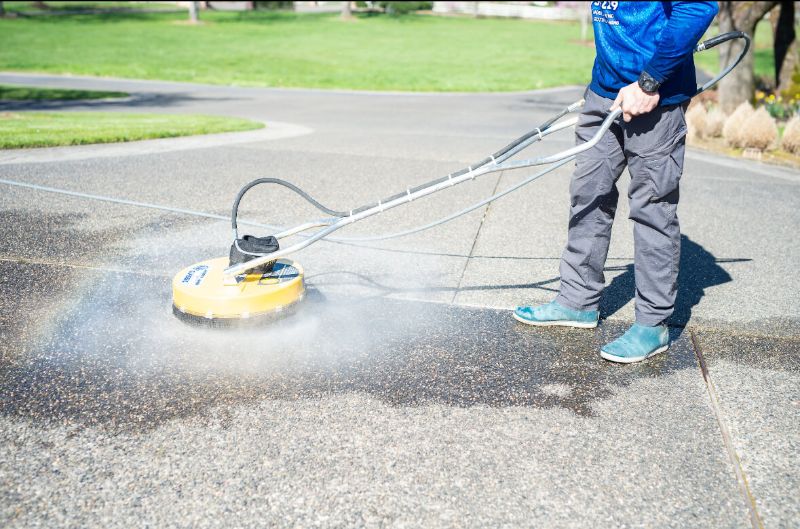
When Sandy’s wet season sets in, organic buildup accelerates fast—moss spores germinate on shaded roof surfaces, algae spreads across concrete, and biofilm embeds into wood grain before most homeowners notice the damage. Addressing this requires effective equipment matched to each surface type. Low-pressure soft washing works best on roofing and siding, delivering biodegradable treatment solutions that neutralize biological growth without forcing water beneath surface materials. For concrete driveways and walkways, surface cleaners mounted to high-pressure units provide uniform cleaning without streaking. Eco-friendly techniques using plant-based detergents break down algae and mold while protecting surrounding vegetation—critical in Sandy’s heavily wooded lots. Adjust pressure settings precisely: too much force on weathered wood or older pavers accelerates deterioration rather than preventing it.
Frequently Asked Questions
Does Tree Shade Affect How Long Cleaning Results Last on Sandy Properties?
Yes, your tree canopy greatly shortens cleaning results by increasing moisture retention on surfaces. Shaded areas stay damp longer, accelerating moss, algae, and mold regrowth, so you’ll need more frequent professional cleanings to maintain results.
Are Eco-Friendly Cleaning Products Safe Near Sandy’s Natural Wooded Environments?
Yes, eco-friendly ingredients used in professional cleaning solutions feature natural biodegradability, meaning they break down safely without harming Sandy’s surrounding soil, tree roots, or local watershed systems, keeping your wooded property’s ecosystem fully protected.
How Much Does Fall Pressure Washing Typically Cost for Sandy Forested Homes?
Fall pressure washing costs vary based on cost factors like property size and service type. You’ll find seasonal pricing typically ranges from $150–$500 for forested Sandy homes with heavy moss, debris, and moisture buildup requiring specialized treatment.
Is Peak Pressure Washing Licensed and Insured to Work in Sandy, Oregon?
Yes, Peak Pressure Washing is fully licensed and insured, so you’re covered when they handle pressure washing on your Sandy property. They comply with local regulations, ensuring professional, worry-free service throughout the surrounding Oregon communities.
Can Gutters Be Cleaned at the Same Time as Exterior Fall Washing?
Yes, you can bundle gutter maintenance with exterior cleaning in a single visit. Peak Pressure Washing’s team efficiently handles both services together, saving you time while ensuring your Sandy property stays protected from fall moisture damage.
Conclusion
Fall moisture on Sandy’s forested properties doesn’t wait — it penetrates, spreads, and compounds damage faster than most homeowners expect. You’ve seen how debris, algae, and persistent shade create conditions that accelerate deterioration across every exterior surface. Acting before winter locks in that buildup means you’re protecting siding, roofing, concrete, and decking from the kind of seasonal damage that turns into expensive repairs. Schedule your fall pressure washing now, while conditions still allow effective treatment.