
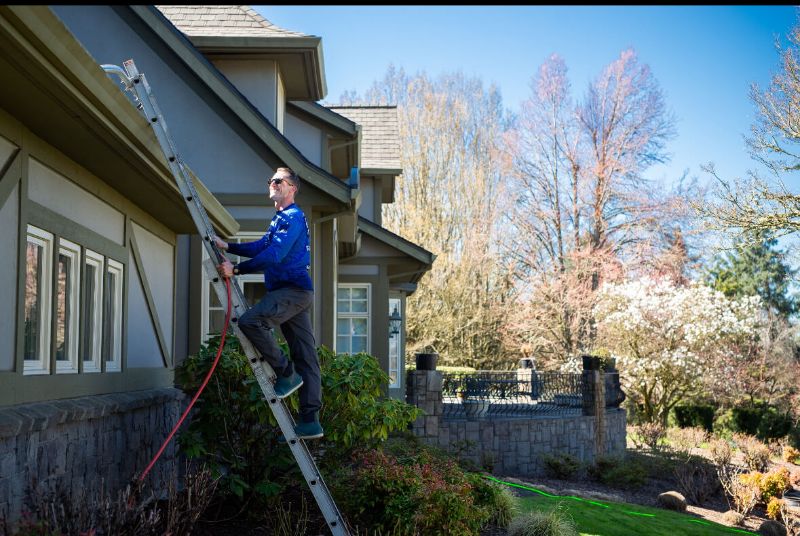
Lake Grove’s dense tree canopy and unique microclimate keep your shingles wet far longer than surrounding areas, accelerating mold, algae, and structural decay. Wet leaves trap moisture against your roof, stripping protective granules and inviting rot beneath the surface. Dropping temperatures then lock that damage in through freeze-thaw cycles. You’re dealing with compounding threats that most neighborhoods simply don’t face. Everything below breaks down exactly what’s happening to your roof and how to stop it.
Key Takeaways
-
Lake Grove’s dense tree canopy keeps roofs damp longer, creating ideal conditions for mold, algae, and moss growth in late fall.
-
Wet leaves trap moisture against shingles, accelerating granule loss and weakening structural integrity during the rainy season.
-
Freeze-thaw cycles cause shingle edges to lift or sag, increasing vulnerability to November’s heavy rainfall.
-
Lake Grove’s microclimate prolongs surface dampness, making roofs more susceptible to biological growth and moisture-related deterioration than other areas.
-
Neglecting fall roof maintenance can void manufacturer warranties, as documented neglect disqualifies homeowners from coverage.
Why Lake Grove Roofs Take a Beating Every Fall
As fall settles over Lake Grove, the combination of heavy rainfall, dropping temperatures, and dense tree canopy creates near-perfect conditions for roof deterioration. You’re dealing with seasonal challenges that compound quickly — wet leaves trap moisture against shingles, accelerating mold and algae growth. Overhanging Douglas firs and maples deposit debris that blocks drainage and retains humidity long after storms pass. Without consistent roof maintenance, that trapped moisture works into seams, loosens granules, and weakens your roof’s structural integrity before winter even peaks. Lake Grove’s microclimate, shaped by its proximity to the Tualatin Valley fog belt, keeps surfaces damp longer than surrounding areas. That extended moisture exposure turns a manageable buildup into costly damage if you don’t address it early in the season. Experts recommend inspecting roofs twice yearly, particularly after severe weather events, to catch deterioration before it escalates into structural repairs.
Signs Your Lake Grove Roof Already Has a Problem
What you see from your driveway often tells the whole story. In Lake Grove’s wet climate, roof problems rarely stay hidden for long. Shingle discoloration—dark streaking or green patches—signals active moss and algae colonization. Early leak detection matters before Oregon’s November rains accelerate interior damage.
Watch for these three warning signs:
-
Black or green streaking across shingles indicating biological growth feeding on moisture-saturated materials
-
Granule loss in gutters or downspouts, exposing asphalt shingles to heightened UV and water damage
-
Sagging or lifted shingle edges caused by repeated freeze-thaw cycles common to the Tualatin Valley microclimate
Each sign demands immediate professional assessment. Waiting through winter compounds repair costs considerably. Left unaddressed, these contaminants can void your roof warranty through documented neglect, eliminating manufacturer protections precisely when you need them most.
Why Moss and Algae Spread Fast on Lake Grove Roofs in Fall
Spotting those warning signs on your Lake Grove roof puts you ahead of a biological problem that accelerates dramatically once fall arrives. Cooling temperatures, persistent rainfall, and heavy tree canopy coverage create ideal germination conditions for moss spores and algae colonies. Lake Grove’s mature Douglas firs and maples shade rooftops for hours daily, keeping asphalt shingles damp well past sunrise. That retained moisture feeds rapid biological expansion. Algae control becomes urgent because Gloeocapsa magma spreads through airborne spores, traveling from neighboring rooflines onto yours within a single season. Moss prevention matters equally because rhizoid root systems penetrate shingle granules within weeks under these conditions, not months. Once established, both organisms retain moisture against your roof decking, compounding structural deterioration through every subsequent wet cycle Portland’s climate delivers. Moss traps soil and debris against shingle surfaces, creating a self-reinforcing cycle where retained moisture accelerates fungi growth and wood decomposition beneath your roofing layers.
How Sitting Debris Rots Shingles and Voids Your Warranty
Debris accumulation on Lake Grove rooftops doesn’t just look bad—it actively destroys the shingles beneath it. Wet leaves, pine needles, and organic matter trap moisture against asphalt shingles, accelerating deterioration faster than normal weathering. Most homeowners don’t realize the warranty implications until it’s too late.
Here’s what sitting debris actually causes:
-
Moisture entrapment – Decomposing organic material holds water against shingles, softening the substrate and inviting rot.
-
Granule loss – Prolonged debris contact strips protective granules, reducing UV resistance and structural integrity.
-
Warranty voidance – Most manufacturers require documented roof maintenance; neglected debris accumulation gives insurers grounds to deny claims.
Autumn is considered the most critical season for roof and gutter maintenance, making late fall the worst possible time to delay a professional inspection.
You can’t afford to ignore what’s piling up on your roof this fall season.
Which Roof Cleaning Method Is Safer for Lake Grove Shingles
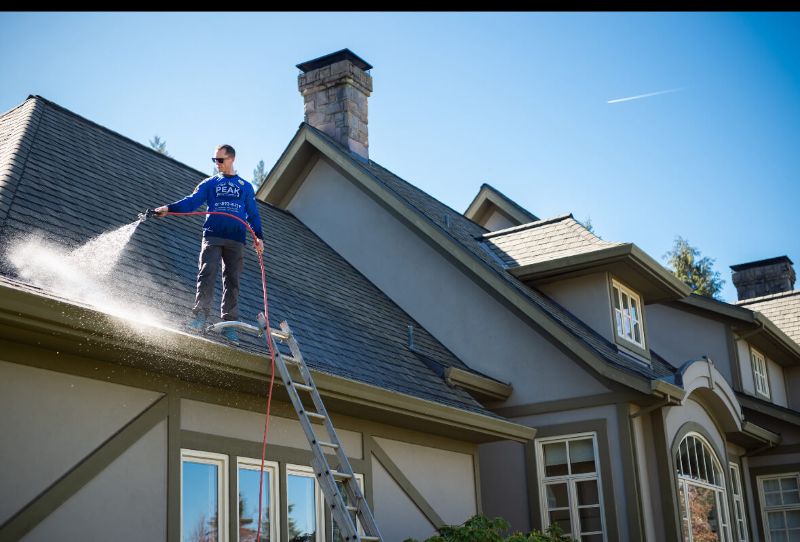
When it comes to cleaning Lake Grove roofs, you’ve got two primary methods to evaluate: soft washing and pressure washing. Soft washing uses low-pressure water combined with specialized cleaning solutions to break down moss, algae, and lichen without stripping the granules from your shingles. Pressure washing, by contrast, can fracture shingle surfaces and void manufacturer warranties, making it a risky choice for most residential roofing materials in the area. Professional roof cleaning services also provide comprehensive roof condition assessments, helping homeowners identify early signs of wear and tear before they develop into costly structural problems.
Soft Wash vs. Pressure
Two roof cleaning methods dominate the industry—soft washing and pressure washing—and choosing the wrong one for your Lake Grove home can cost you far more than the cleaning itself. Understanding pressure wash risks is critical, especially on aging asphalt shingles common throughout the area.
Soft wash benefits include:
-
Low-pressure application that preserves granule integrity on shingles, extending roof lifespan considerably.
-
Biodegradable cleaning solutions that eliminate moss, algae, and lichen at the root rather than just surface level.
-
Manufacturer compliance, keeping your roofing warranty valid—something high-pressure methods often void.
Pressure washing blasts away protective granules, accelerates shingle deterioration, and forces water beneath flashing. For Lake Grove’s wet climate, that means faster moss regrowth and potential interior moisture damage you won’t detect until it’s expensive. Neglecting proper roof maintenance altogether carries its own serious consequences, as deferred maintenance leads to structural damage and costly repairs that far exceed what routine cleaning would have required.
Protecting Shingle Integrity
Shingle integrity comes down to one measurable factor: granule retention. High-pressure streams strip those granules permanently, accelerating UV degradation and shortening your roof’s lifespan—a serious concern given Lake Grove’s wet, moss-prone climate. Proper shingle care means preserving that protective layer, not blasting it away.
Soft washing protects granule adhesion while delivering thorough biological treatment. The low-pressure application won’t fracture aged shingles or void manufacturer warranties, both common risks with pressure-based methods. For Lake Grove homes that endure heavy fall rainfall and sustained organic growth, this distinction matters financially.
Consistent roof maintenance using soft wash techniques extends shingle performance by years. You’re not just cleaning a surface—you’re protecting a structural investment that Portland’s wet seasons will continue testing every year. Installing zinc or copper strips along the roof ridge can further inhibit moss and algae from reestablishing between cleanings, reducing how aggressively biological growth attacks shingle surfaces over time.
When to Schedule Fall Roof Cleaning in Lake Grove
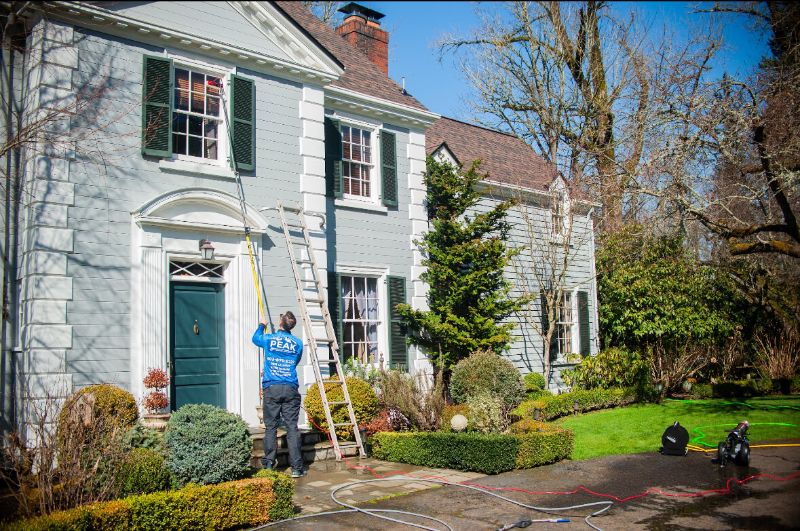
Fall roof cleaning in Lake Grove has two ideal windows: early October before heavy rainfall begins, and late September if moss growth is already visible. These scheduling tips help you stay ahead of Portland’s notoriously wet winters.
Follow these fall cleaning priorities:
-
Inspect in mid-September — Identify moss patches, debris accumulation, and shingle discoloration before treatment windows close.
-
Schedule treatment by October 15th — Treatments need dry conditions to bond and activate effectively against biological growth.
-
Plan a follow-up in early November — Confirm that moss inhibitors are holding before peak rainfall saturates your roof surface.
Acting within these windows gives treatments time to work while Lake Grove’s rainfall patterns remain manageable. The Pacific Northwest’s persistent moisture makes roof moss removal a critical component of any fall maintenance plan, as unchecked growth can compromise your roof’s structural integrity over time.
Frequently Asked Questions
Does Roof Cleaning Increase My Lake Grove Home’s Resale Value?
Yes, roof cleaning directly boosts your Lake Grove home’s resale value. You’ll maximize roof maintenance benefits by removing moss and algae buildup, making your property more attractive to buyers in Portland’s competitive real estate market.
Will Roof Cleaning Affect My Homeowner’s Insurance Coverage or Premiums?
Yes, roof cleaning can positively impact your insurance implications. Many insurers reward proactive maintenance, and maintaining proper cleaning frequency may help you avoid claim denials related to moss or algae damage on your Lake Grove home.
How Long Does a Professional Lake Grove Roof Cleaning Appointment Take?
Your Lake Grove roof cleaning appointment duration typically runs 2–4 hours, depending on roof size and moss accumulation. Our cleaning techniques—soft washing and targeted treatments—ensure thorough results without rushing the process or compromising your roof’s integrity.
Can Roof Cleaning Be Done During Light Rain in Lake Grove?
Light rain won’t stop your roof maintenance in Lake Grove. Professionals account for weather considerations and can safely apply treatments during light drizzle, as solutions need moisture to activate effectively on your Pacific Northwest roof.
Do You Offer Bundled Discounts for Roof and Gutter Cleaning Together?
Yes, we offer bundled discounts when you combine roof and gutter maintenance services. It’s a smart seasonal preparation move for Lake Grove homes, saving you money while ensuring complete protection before winter moisture intensifies.
Conclusion
Don’t let Lake Grove’s stunning fall scenery distract you from what’s happening on your roof. You’ve got a narrow window before Oregon’s winter rains lock in the damage that leaves, moss, and algae have already started. Schedule your professional roof cleaning now, clear those gutters, and address any visible deterioration while conditions still allow safe access. Your roof’s longevity depends on the decisions you’re making this season.