To keep your Newberg walkways safer through November rains, you’ll want to stay ahead of falling leaves, moss growth, and moisture buildup before they create serious slip hazards. Clear debris weekly, clean your gutters regularly, and pressure wash surfaces to eliminate moss and algae at the root. Apply anti-slip coatings on dry days for added traction. Catch problems early, and you’ll protect both your surfaces and everyone who walks on them—there’s a lot more to know.
Key Takeaways
-
Regularly clear leaves and debris from walkways to prevent moisture buildup, moss growth, and accelerated surface deterioration during November rains.
-
Clean gutters frequently to stop overflow that worsens walkway moisture issues and creates additional slip hazards around your home.
-
Pressure wash walkways to remove moss and algae down to root systems, eliminating embedded spores that cause regrowth.
-
Apply anti-slip coatings on dry days to increase traction on concrete, pavers, and wood during wet winter months.
-
Call a professional when thick moss, embedded algae, or persistently slick surfaces exceed basic DIY cleaning capabilities.
Why Newberg Walkways Turn Dangerous Every November
As November arrives in Newberg, falling leaves, heavy rain, and dropping temperatures create a perfect storm for dangerous walkways. Wet conditions accelerate moss and algae growth on concrete, pavers, and stone surfaces, turning ordinary paths into serious slip hazards almost overnight. The Willamette Valley’s heavy rainfall keeps surfaces consistently damp, giving organic buildup little chance to dry out between storms.
These seasonal hazards aren’t just an inconvenience—they’re a genuine safety risk for your family, guests, and anyone approaching your front door. Decomposing leaves trap moisture against surface materials, speeding up deterioration while adding another slippery layer underfoot. Clogged gutters overhead can worsen the problem by allowing water to overflow and spill directly onto walkways, and clogged gutters can lead to roof, siding, and foundation damage that compounds seasonal maintenance challenges. Understanding why your walkways become so hazardous this time of year is the first step toward keeping them cleaner and safer throughout the month.
The Surfaces Around Your Home Most Likely to Cause Falls
Several surfaces around your Newberg home become especially treacherous in November, and knowing which ones to watch helps you stay ahead of the hazards. Concrete driveways, brick pathways, wooden decks, and front porch steps all collect moisture, fallen leaves, and biological growth that create slippery surfaces fast. Shaded areas dry slowly, giving moss and algae more time to establish. Paver walkways trap debris between joints, compounding the problem. Even smooth concrete becomes dangerously slick once algae or wet leaves settle in.
Seasonal maintenance on these specific areas makes a real difference. Prioritize high-traffic zones first — your front entry, side gates, and any path leading to a garage or backyard. Staying proactive about these spots reduces your risk before November’s rainy stretch fully sets in. Oregon’s frequent rainfall and mild winters create year-round moss and algae growth that can develop on walkways and driveways even between seasonal cleanings.
How Pressure Washing Eliminates Moss and Algae at the Source
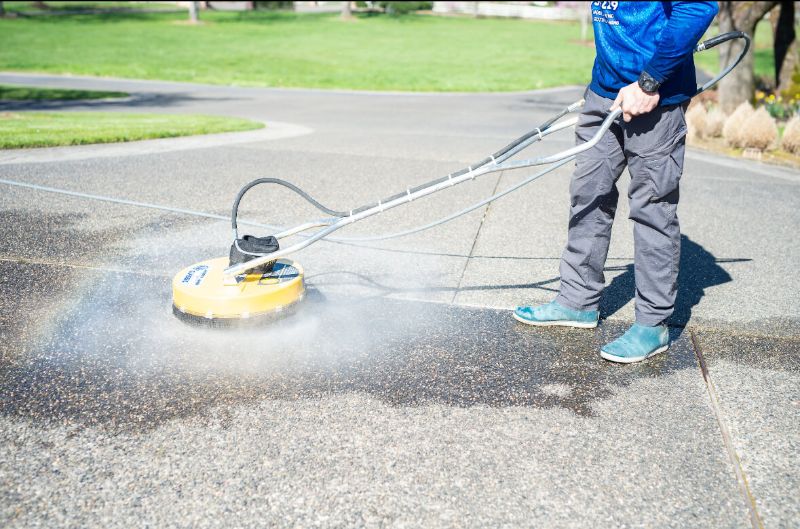
When moss and algae take hold on your Portland walkways, pressure washing doesn’t just clear the surface — it removes the roots entirely, cutting off regrowth before it starts. A professional soft wash or high-pressure treatment restores concrete, pavers, and stone to their original texture without causing surface damage. With the right post-treatment application, you can keep those surfaces cleaner far longer than scrubbing or rinsing alone ever could. For long-term prevention, treatments like potassium salts of fatty acids offer a biodegradable, noncorrosive solution that continues working after the initial cleaning is complete.
Roots Removed Completely
Moss and algae don’t just sit on the surface of your walkways—they anchor themselves with root-like structures called rhizoids that penetrate porous concrete and pavers. Simply scrubbing or raking the visible growth away leaves those root systems intact, allowing moss and algae to return within weeks, especially during November’s persistent rainfall.
Professional pressure washing delivers the water pressure and technique needed for complete removal, flushing out rhizoids embedded deep in surface pores. Without that thorough extraction, you’re only addressing what you can see. Portland-area homeowners often make the mistake of treating surface growth seasonally without targeting the source. Eliminating the root systems entirely disrupts the regrowth cycle, keeping your walkways cleaner longer and considerably reducing the slip hazards that wet, organic buildup creates throughout the fall months. The same principle applies to roofs, where moss absorbs moisture and lifts shingles, compounding damage when organic growth is left unaddressed at its source.
Surfaces Restored Safely
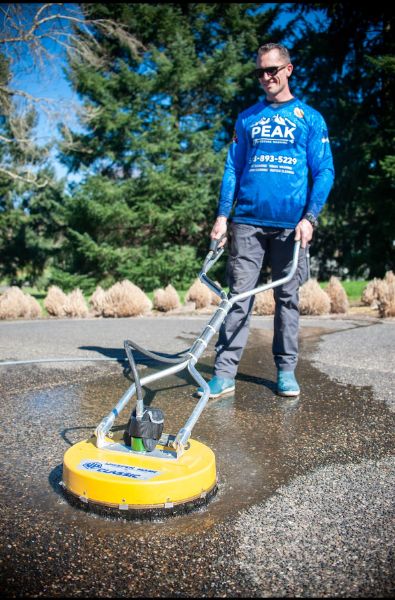
Eliminating root systems solves the regrowth problem, but the method used to do that removal matters just as much as the result. Harsh scrubbing or incorrect pressure settings can damage concrete, pavers, and wood surfaces—creating new problems while solving old ones. That’s where professional cleaning techniques make a real difference. Peak Pressure Washing uses pressure levels and detergents matched specifically to each surface type, so moss and algae get removed without causing surface deterioration. For Newberg homeowners dealing with November’s persistent moisture, this approach to surface maintenance means your walkways come out cleaner and structurally sound. You’re not trading a slip hazard for a cracked or pitted surface. You’re getting a genuinely restored walkway that handles Oregon’s wet season without breaking down. In fact, DIY cleaning attempts on slippery, moss-covered surfaces pose serious safety hazards that professionals are specifically trained and equipped to manage.
Regrowth Effectively Prevented
Pressure washing doesn’t just clear moss and algae from your walkways—it destroys the root systems and spores that cause regrowth. Portland’s wet November climate creates ideal conditions for rapid recolonization, making moss prevention and algae control critical after any cleaning.
Professional pressure washing supports long-term results by:
-
Eliminating embedded spores that survive surface-level scrubbing and re-establish colonies within weeks
-
Removing organic debris like leaf matter that feeds algae and accelerates moss spread
-
Preparing surfaces for post-treatment sealants that inhibit future biological growth
Without addressing the source, you’re only managing symptoms. A thorough pressure washing treatment breaks the regrowth cycle, keeping your walkways cleaner longer and reducing how frequently you need maintenance through Oregon’s consistently damp fall and winter months. Installing zinc or copper strips along surface edges can further inhibit moss from reestablishing itself between treatments.
Why Clearing Debris Now Prevents Bigger Problems Later
Wet leaves, pine needles, and organic debris don’t just look messy on your walkways — they actively create conditions that lead to costly damage. As they decompose, they trap moisture against concrete and pavers, accelerating surface erosion and encouraging moss and algae growth. Over time, that buildup stains surfaces and creates structural issues that are far more expensive to fix than prevent.
Smart debris management means clearing your walkways consistently throughout November, not just after a single storm. Regular maintenance strategies — like weekly sweeping and prompt removal after heavy winds — keep organic material from breaking down against your surfaces. If buildup has already taken hold, professional pressure washing can clear it thoroughly, giving you a clean starting point before the wettest months ahead. Clogged gutters overhead can also worsen the problem, as overflowing water deposits additional debris and moisture directly onto your walkways, increasing the risk of mold and wood rot on surrounding surfaces.
Anti-Slip Coatings That Keep Newberg Walkways Safe All Winter
Once your walkways are clear of debris, applying an anti-slip coating is one of the most effective steps you can take to prevent falls during Newberg’s wet winter months. These anti slip materials bond directly to concrete, pavers, and wood surfaces, creating traction even when rain is constant.
Here’s what to know before applying:
-
Choose the right product — select coatings rated for outdoor use and heavy moisture exposure.
-
Apply on a dry day — surfaces need at least 24 hours without rain to cure properly.
-
Reapply seasonally — Newberg’s heavy rainfall breaks down coatings faster than drier climates.
Before applying any coating, it’s worth inspecting your walkways for cracks and loose material that could prevent the product from bonding evenly to the surface. Prioritizing winter safety now means fewer hazards for your family and visitors throughout the coldest, wettest months ahead.
When to Call a Newberg Pro Before the Rain Gets Worse
Some walkway problems go beyond what a weekend afternoon and a garden hose can fix, and that’s when calling a Newberg pressure washing professional makes sense. If you’re noticing thick moss growth, embedded algae, or concrete that stays slick even after it dries, you’re past DIY territory. Proactive maintenance before November’s heaviest rains saves you from dealing with cracked, deteriorated surfaces come spring. Seasonal inspections help catch early-stage buildup that homeowners typically overlook until it becomes a liability. A professional can deep-clean surfaces, apply treatments, and flag drainage issues that worsen with ongoing rainfall. Don’t wait until someone slips or your concrete starts showing stress damage. Scheduling a pro early in the season keeps your walkways safer and extends their lifespan markedly.
Frequently Asked Questions
Does Pressure Washing Damage Older Concrete or Brick Walkway Surfaces?
Pressure washing can damage older surfaces if done incorrectly, but you don’t have to worry when you hire professionals who adjust pressure settings to protect surface integrity on aging concrete or brick walkways.
How Long Does a Professional Walkway Cleaning Typically Take to Complete?
Most professional walkway maintenance jobs take one to two hours, depending on size and buildup. Technicians use targeted cleaning techniques to work efficiently, so you’re not losing your whole day to get safer, cleaner surfaces before November rains hit.
Are Eco-Friendly Cleaning Solutions as Effective as Traditional Chemical Treatments?
Yes, eco-friendly effectiveness matches traditional chemicals when applied correctly. You’ll find these natural alternatives break down moss, algae, and grime just as thoroughly, keeping your Newberg walkways safer without harming surrounding plants or waterways this November.
How Often Should Newberg Homeowners Schedule Professional Walkway Cleaning Services?
Schedule professional walkway maintenance at least twice yearly, but you’ll want to add a session before November’s heavy rains arrive. Seasonal considerations like Portland’s wet climate make fall cleaning essential for preventing slippery moss and algae buildup.
Does Homeowner’s Insurance Cover Injuries From Slippery Walkways on My Property?
Your homeowner’s insurance policies may cover liability concerns from walkway injuries, but coverage varies. You’ll want to contact your provider directly to confirm your protection and avoid gaps that could leave you financially vulnerable.
Conclusion
Don’t let November’s rain turn your walkways into a liability. You’ve got practical options — from pressure washing and debris removal to anti-slip coatings — that’ll keep your family and visitors safe all season long. Newberg’s wet falls don’t have to mean dangerous paths around your home. Take action now, before conditions worsen, and you’ll spend less time worrying and more time enjoying everything this season brings.