
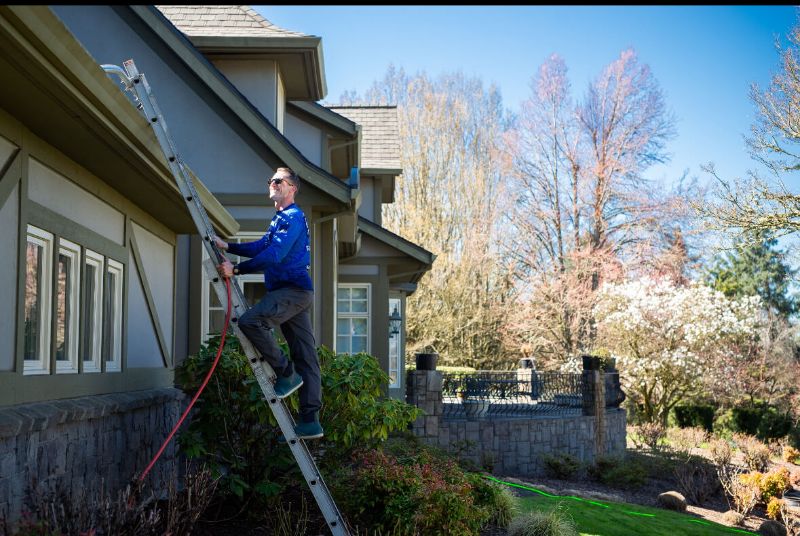
Your property faces compounding pressure every November because Scappoose sits where Columbia River Gorge wind corridors meet completely flat, open terrain. Pacific storm systems push gusts exceeding 35–45 mph across agricultural land with zero natural resistance. That wind carries abrasive debris that strips moisture barriers from roofs and siding fast. Decomposing leaf accumulation then accelerates mold, algae, and structural damage. What happens next to your specific surfaces and what you can do about it goes deeper than most homeowners expect.
Key Takeaways
-
Scappoose’s location near the Columbia River Gorge creates natural wind corridors that funnel and amplify gusts, especially during November storms.
-
Flat agricultural terrain surrounding Scappoose offers zero wind resistance, allowing debris-carrying gusts to frequently exceed 35–45 mph.
-
Pacific storm systems in November intensify wind events, driving debris forcefully against roofs, siding, and other exterior surfaces.
-
Wind-driven debris acts as an abrasive, stripping moisture barriers and accelerating mold, algae, and wood rot on exposed surfaces.
-
November rainfall keeps accumulated debris continuously damp, extending moisture contact time and fast-tracking biological growth on roofs and decks.
Why November Winds Hit Scappoose Harder Than Most Towns?
Scappoose sits in a geographic pressure cooker. The Columbia River Gorge funnels east-west wind corridors directly toward Scappoose geography, amplifying wind speeds that flatten terrain would otherwise absorb. November climate compounds this effect greatly. As Pacific storm systems collide with colder inland air masses, pressure differentials tighten, producing sustained gusts that frequently exceed 35–45 mph in the Scappoose basin. Unlike Portland’s urban core, which benefits from building interference that breaks wind patterns, Scappoose’s open agricultural landscape offers zero resistance. You’re dealing with unobstructed airflow across flatlands bordered by the Tualatin Mountains to the south and the Columbia floodplain to the north. That combination creates a natural wind tunnel. November’s wet conditions then bond debris to every exterior surface, turning seasonal wind events into a persistent property maintenance problem.
How Wind Debris Damages Roofs and Siding?
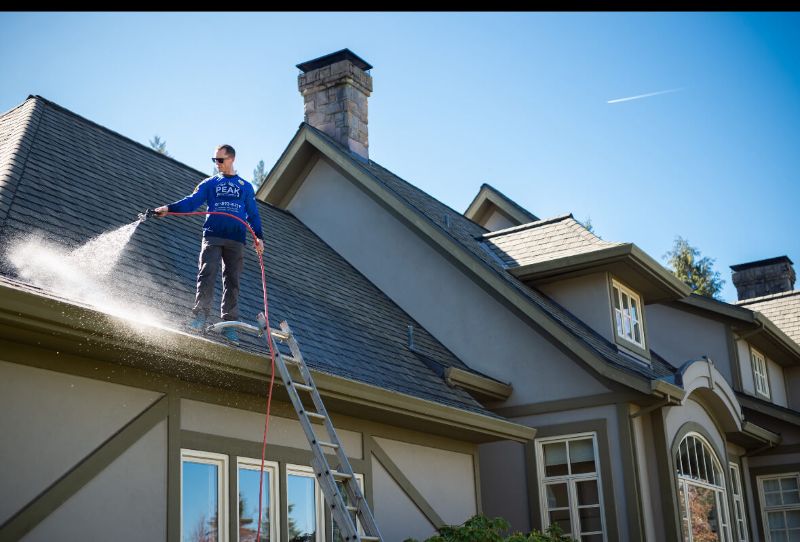
When November winds push debris across your Scappoose roof and siding, airborne gravel, bark fragments, and pine needles act as abrasives, stripping protective coatings from shingles and painted surfaces with repeated impact. Once that coating breaks down, your surfaces lose their primary moisture barrier, and trapped debris accelerates the problem by holding rainwater directly against exposed materials. Columbia County’s average November rainfall of roughly 6 inches means that moisture stays locked under debris long enough to promote mold, algae, and wood rot across your exterior surfaces. The Pacific Northwest’s high moisture levels make roofs particularly vulnerable to moss and algae growth, which can rapidly decay roofing materials when debris creates the damp conditions these organisms need to establish themselves.
Debris Scratches Surface Coatings
Flying debris acts like sandpaper against your roof and siding, stripping away protective coatings with every impact. Scappoose’s November windstorms routinely push debris types including fir needles, gravel, bark fragments, and broken branches across exposed surfaces at 40–60 mph. At those velocities, even lightweight material generates enough force to abrade factory-applied finishes and UV-resistant sealants. Once surface coatings degrade, moisture penetrates faster, accelerating rot, rust, and mold colonization beneath the material layer. Composite siding loses its water-shedding capability first, followed by exposed wood grain and metal trim oxidation. You’re not dealing with cosmetic scratches alone—you’re looking at compromised structural integrity if abrasion goes unchecked season after season. Post-storm inspections help you identify coating failure early before replacement costs escalate. Abraded surfaces also create ideal conditions for moss and algae growth, which thrive in the PNW’s wet climate and further accelerate material breakdown by retaining moisture against already-compromised roof and siding surfaces.
Moisture Trapped Under Debris
Abraded coatings don’t just leave surfaces vulnerable to further scratching—they create entry points where trapped debris compounds the damage through sustained moisture retention. In Scappoose’s November climate, rainfall averages intensify debris accumulation against compromised surfaces, accelerating deterioration greatly.
Debris accumulation creates three measurable moisture problems:
-
Extended contact time — Wet leaf mats hold moisture against siding for 72+ hours after rainfall stops, preventing surfaces from drying.
-
Capillary penetration — Moisture wicks beneath abraded paint edges and into wood grain, swelling fibers and widening micro-cracks.
-
Biological activation — Sustained moisture retention beneath debris creates conditions where mold and algae colonies establish within days, not weeks.
You’re fundamentally allowing debris to function as a moisture delivery system directly against your property’s most vulnerable surfaces. Moss and debris that take hold under these conditions retain moisture against roofing, lifting shingles over time and allowing air and water infiltration that compounds seasonal deterioration well beyond surface-level damage.
Which Surfaces Take the Worst Beating After November Storms?
After November storms roll through Scappoose, not every surface weathers the damage equally—certain materials consistently take the hardest hits. Your roof, particularly the north-facing slopes, collects the heaviest moss buildup and debris accumulation, while your siding absorbs the brunt of wind-driven rain and organic staining. Concrete driveways, walkways, and wood fences round out the storm damage hotspots, trapping moisture and biological growth that accelerate surface deterioration if left untreated. In fact, hidden moss and algae growth can compromise roofing materials well before any visible signs appear, making post-storm inspections a critical step in protecting your investment.
Hardest-Hit Surface Areas
November storms in the Pacific Northwest don’t distribute damage evenly—certain surfaces absorb the brunt of wind-driven rain, debris impact, and sustained moisture exposure more than others. Prioritizing surface protection before and after November hits is essential seasonal maintenance for Scappoose property owners.
The three hardest-hit surfaces include:
-
Roofs – Accumulate fir needles, leaf matter, and moss spores that trap moisture and accelerate shingle degradation.
-
Concrete driveways and walkways – Collect debris, algae, and sediment runoff that embed into porous surfaces during heavy rain cycles.
-
Wood decks and fences – Absorb sustained moisture, causing grain lifting, mold colonization, and structural weakening within weeks of prolonged exposure.
Each surface requires targeted cleaning approaches to prevent compounding damage through winter. Neglecting post-storm roof cleaning in particular allows algae and moss growth to penetrate shingles at the root level, accelerating deterioration that shortens the overall lifespan of the roof.
Storm Damage Hotspots
When Pacific Northwest storms roll through Scappoose in November, they don’t hit every surface the same way—wind-driven rain, debris impact, and standing moisture concentrate damage in predictable hotspots. Your roof valleys and gutter channels collect the heaviest storm debris loads, creating blockages that force water behind fascia boards and into soffits. North-facing decks absorb sustained moisture exposure, accelerating wood fiber breakdown. Concrete driveways trap organic debris in surface pores, feeding moss colonization through winter. Fence lines bordering tree coverage sustain repeated impact from falling branches and wet leaf accumulation. Prioritizing property maintenance across these specific zones after each November storm prevents compounding structural damage. Identifying your property’s highest-risk surfaces early lets you target cleaning and inspection efforts where they’ll deliver the most protective value. Sagging gutters and water pooling near fascia boards are early warning signs that storm debris has caused misalignment or blockage requiring immediate attention.
Why Wet Leaves Left on Your Roof Turn Into a Moss Problem?
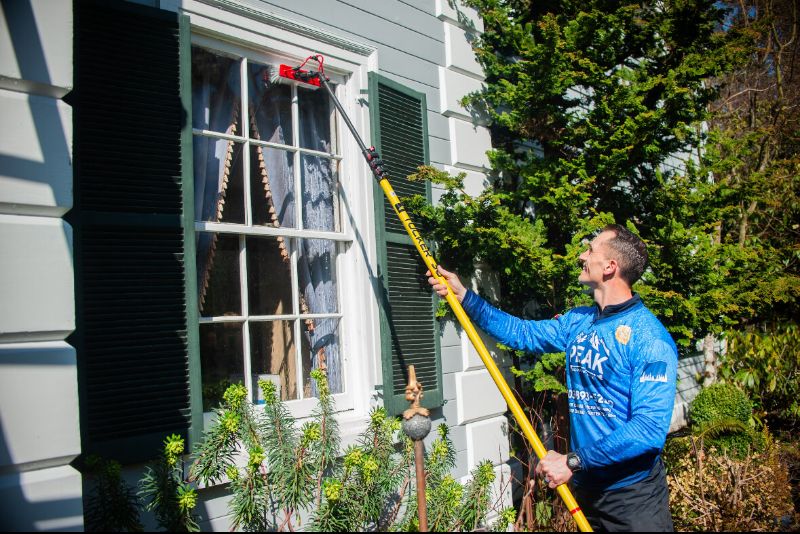
Wet leaves sitting on your roof don’t just look bad—they actively engineer the conditions moss needs to colonize. Scappoose’s November rainfall keeps leaf accumulation persistently damp, accelerating decomposition and creating an organic layer that retains moisture for days. That sustained wetness is precisely what moss spores require to germinate.
Three reasons leaf accumulation drives moss growth:
-
Moisture retention – Decomposing leaves hold water against shingles 3–5x longer than bare surfaces.
-
Nutrient deposits – Breaking-down organic matter feeds moss colonies directly.
-
Shading effect – Leaf piles block UV exposure, eliminating your roof’s natural moss deterrent.
Moss prevention starts with removing debris before it decomposes. Scheduling professional roof cleaning and gutter clearing each November stops this cycle before colonies establish permanent root systems. Once moss takes hold, it can begin lifting shingles and allowing water seepage, compounding the damage well beyond what simple debris removal can address.
What to Inspect on Your Portland Property After November Storms?
Clearing leaf debris before moss colonies establish is only part of November roof maintenance—once storms roll through Scappoose and the broader Portland metro, you’ll want to systematically inspect your property for damage that compounds over the season. Prioritize property inspection across four zones: roofline, gutters, exterior surfaces, and hardscapes. Check fascia boards for water intrusion, gutters for displacement or sagging, and downspouts for debris blockages. Scan concrete driveways and walkways for new surface cracks where freeze-thaw cycles will expand damage. Storm preparation also means documenting pre-storm surface conditions photographically—this establishes baselines for insurance claims and maintenance scheduling. Wind-driven debris in the Columbia River corridor frequently embeds organic matter into siding and deck surfaces, accelerating biological growth if you don’t address it within two weeks post-storm. Clogged gutters and downspouts left unaddressed after storms can cause water to overflow and pool against your foundation, turning a minor post-storm maintenance task into a costly structural repair.
When to Call a Pro Before Winter Sets In?
Knowing where to draw the line between DIY maintenance and professional intervention can save Scappoose and greater Portland metro homeowners significant repair costs heading into winter. A professional assessment before December’s sustained rainfall locks in moisture damage becomes essential under specific conditions:
-
Moss coverage exceeding 20% of roof surface — soft washing treatment prevents shingle deterioration throughout wet months.
-
Gutter debris accumulation after November wind events — clogged systems cause fascia rot and foundation saturation within weeks.
-
Concrete or driveway surface showing algae or organic staining — pre winter maintenance removes slip hazards before freezing temperatures bond contaminants deeper into porous surfaces.
Scheduling professional exterior cleaning before mid-November gives surfaces adequate drying time before Portland’s consistently wet seasonal pattern fully establishes itself.
Frequently Asked Questions
Does Scappoose’s Location Near the Columbia River Worsen November Storm Damage?
Yes, Scappoose’s Columbia River proximity intensifies November storm patterns by channeling wind and moisture directly onto your property. The river impact accelerates debris accumulation, leaving surfaces vulnerable to mold, algae, and damage requiring professional cleaning intervention.
How Long After a Storm Should You Wait Before Scheduling Cleaning?
Wait 48–72 hours after a storm before starting your cleaning timeline. This storm aftermath window lets surfaces dry and guarantees no new debris falls, giving Peak Pressure Washing’s team ideal conditions for effective, thorough exterior cleaning.
Can Pressure Washing Remove Embedded Debris Stains From Concrete Driveways?
Yes, pressure washing can remove embedded debris stains from your concrete driveway. Professional concrete cleaning uses high-PSI equipment to extract ground-in particles that Scappoose’s November windstorms deposit, restoring your surface’s original appearance effectively.
Are Scappoose Homeowners More Likely to Need Gutter Cleaning Than Portland Residents?
Yes, you’re more likely to need gutter maintenance in Scappoose due to heavier tree canopy density and increased wind-driven debris. Prioritizing storm preparation before November’s peak conditions helps you avoid costly water damage and blockages.
Does Homeowner’s Insurance Cover Storm Debris Damage to Exterior Surfaces?
Most policies don’t automatically cover storm damage to exterior surfaces unless you can prove sudden impact. Before filing insurance claims, document debris contact points on siding, gutters, and roofing with timestamped photos showing clear weather-related causation.
Conclusion
November’s wind and debris don’t give Scappoose properties any grace period — the damage compounds fast once organic buildup takes hold. You’ve seen how the Columbia River corridor‘s unique wind patterns accelerate moss growth, clog gutters, and deteriorate surfaces within weeks. Don’t wait until you’re dealing with structural repairs that dwarf prevention costs. Inspect your roof, clear your gutters, and pressure wash debris-laden surfaces now, before December’s sustained rainfall locks in the damage for the entire winter season.