
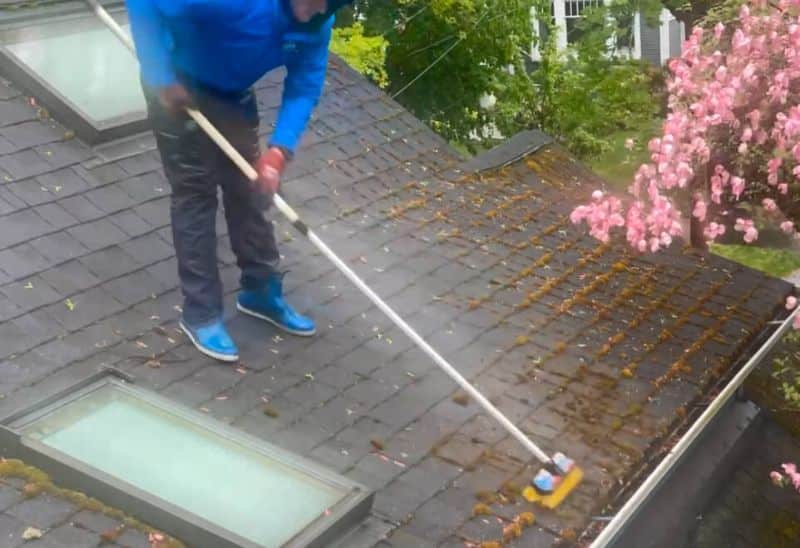
Is your roof looking a bit green? That moss could be more than just an eyesore. While it may seem harmless, moss growth can lead to significant damage to your roofing system over time. In this article, we will explore how moss can damage your roof over time, the implications of moss growth on shingles, and effective moss removal techniques that can help preserve the integrity of your home.
The Hidden Dangers of Moss Growth on Roofs
Moss thrives in damp, shaded areas, making roofs an ideal breeding ground. One of the primary concerns with moss is its ability to retain moisture. When moss accumulates on your roof, it acts like a sponge, holding water against the shingles. This prolonged exposure to moisture can lead to a host of issues, including leaks and wood rot. Over time, this can compromise the structural integrity of your roof, leading to costly repairs or even a complete roof replacement.
The impact of moss on roof shingles cannot be understated. Moss can lift shingles, causing them to crack or break. As the moss roots penetrate the surface of the shingles, it creates small openings where water can seep through. This not only shortens the lifespan of your roofing material but can also result in mold and mildew growth within your home. Understanding how moss can damage your roof over time is crucial for homeowners aiming to maintain their property’s value and safety.
Recognizing Moss Symptoms and Assessing Roof Damage
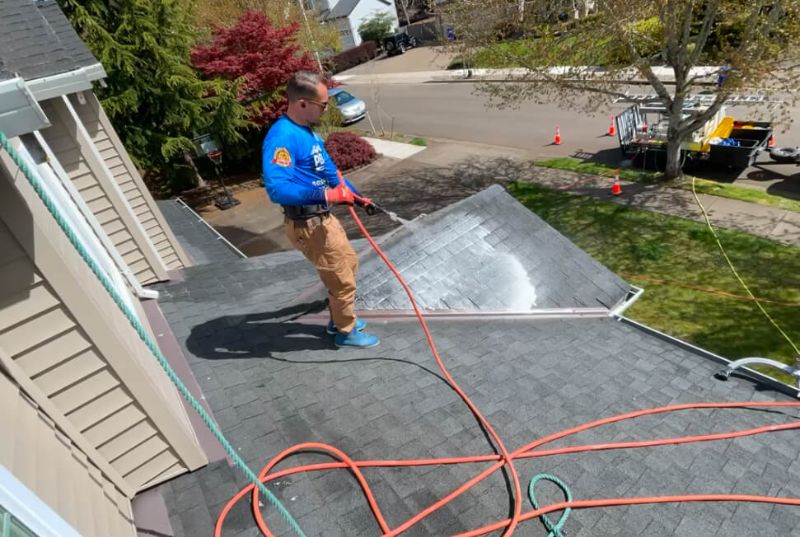
Identifying moss growth on roofs is essential for early intervention. Homeowners should regularly inspect their roofs for signs of moss, which typically appears as green patches or clumps on the surface. These patches can sometimes be mistaken for algae or lichen, but moss has a distinct texture that feels soft and spongy. Other symptoms include the presence of dark streaks, particularly on the north-facing slopes of the roof where moisture is likely to accumulate.
Assessing the extent of roof damage caused by moss involves checking for lifted or broken shingles, as well as water stains on the ceiling or walls inside the home. If you notice these signs, it may indicate that moss has already begun to compromise the integrity of your roof. Regular inspections and maintenance can help catch these issues before they escalate into more significant problems.
Effective Moss Removal Techniques for Homeowners
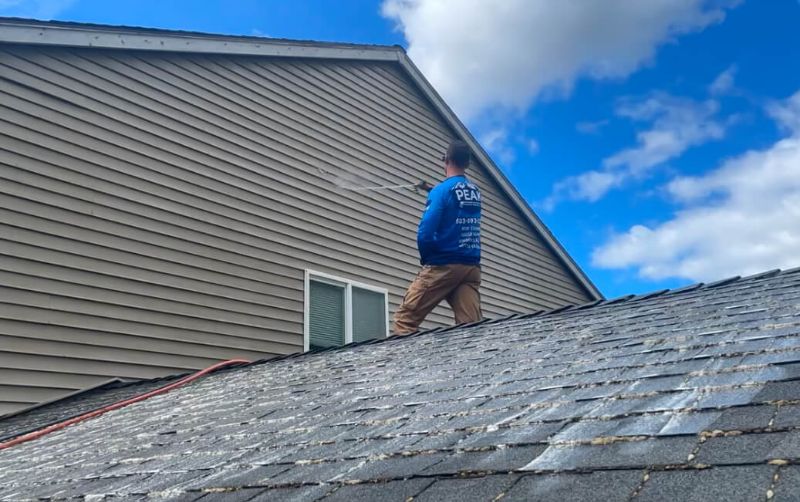
When it comes to removing moss from your roof, homeowners have several options, ranging from chemical solutions to natural methods. Chemical moss removal products are readily available and can be effective in killing moss quickly. However, these products can be harsh on the environment and may damage surrounding vegetation if not used carefully.
Natural moss removal methods, on the other hand, can be safer and just as effective. A popular approach involves using a mixture of water and vinegar or baking soda. To clean your roof using this method, follow these steps:
-
Prepare a solution of equal parts water and white vinegar.
-
Use a garden sprayer to apply the solution directly onto the moss.
-
Allow the solution to sit for about 20 minutes.
-
Gently scrub the moss with a soft-bristle brush to avoid damaging the shingles.
-
Rinse the roof thoroughly with water to remove any remaining moss and cleaning solution.
Regardless of the method chosen, it’s essential to take safety precautions, including using a harness and ensuring you have a stable ladder.
Proactive Roof Maintenance Tips to Prevent Future Moss Growth
Preventing moss growth on roofs begins with regular maintenance. Establishing a cleaning schedule can help keep your roof in good condition. Homeowners should aim to inspect their roofs at least twice a year, ideally in the spring and fall. During these inspections, look for debris such as leaves and branches that can trap moisture and promote moss growth.
Proper drainage is also a critical factor in preventing moss. Ensure that gutters and downspouts are clear of debris and functioning correctly. Poor drainage can lead to water pooling on the roof, creating an ideal environment for moss to thrive. Additionally, trimming back overhanging tree branches can increase sunlight exposure on your roof, helping to dry out moisture more quickly.
Long-term Solutions for Moss Control and Roof Health
For long-term moss control, consider installing moss-resistant shingles. These shingles are designed with materials that inhibit moss growth, extending the life of your roof. Another effective solution is the installation of zinc or copper strips along the ridge of the roof. As rainwater flows over these metals, it releases ions that prevent moss and algae from taking hold.
In addition to these measures, regular cleaning and maintenance should be part of your roof care routine. By implementing these long-term solutions, homeowners can significantly reduce the risk of moss growth, thereby protecting their roofs and enhancing their property’s value.
The Importance of Roof Care and Professional Help
Understanding how moss can damage your roof over time empowers homeowners to take proactive steps in roof care. By recognizing the symptoms of moss growth and implementing effective removal and maintenance strategies, you can significantly extend the lifespan of your roofing system.
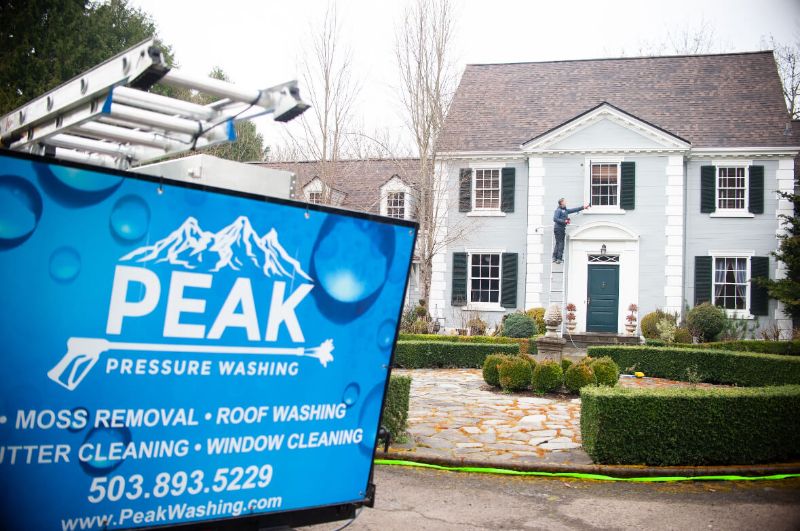
For those seeking professional assistance in moss removal and roof maintenance, Peak Pressure Washing offers expert services tailored to your needs. With our knowledge and experience, we can help ensure that your roof remains clean and free from damaging moss.