
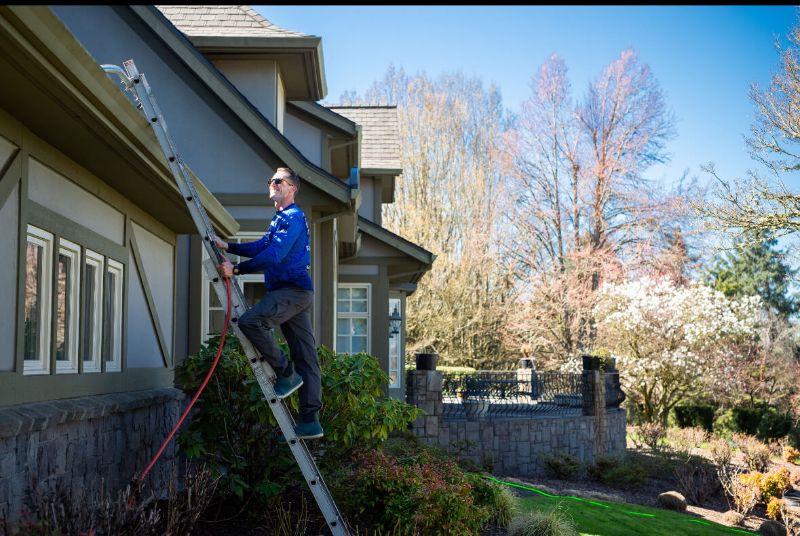
Once November storms hit Damascus, your home loses the brief drying intervals that previously kept moss spores dormant. Persistent rainfall maintains constant surface moisture while dropping temperatures slow evaporation without freezing germination activity. Your roof, walls, and driveways become continuous wet environments where spores activate rapidly. Damascus’s topographical bowl intensifies this by trapping humid air against every surface. Understanding exactly which conditions drive this acceleration reveals why standard prevention timing matters so much.
Key Takeaways
-
November’s persistent rainfall eliminates dry intervals, maintaining constant surface moisture that accelerates moss spore germination across Damascus homes.
-
Damascus’s bowl-shaped terrain traps cool, humid air, prolonging dew retention and creating ideal conditions for rapid moss colonization.
-
Dense tree canopy blocks UV radiation, preventing natural moss suppression while increasing soil moisture near foundations.
-
Storm runoff carries spores from roofs through gutters, spreading contaminated water across driveways, walkways, and patios.
-
Porous concrete cracks, flat surfaces, and low-drainage zones trap moisture, giving spores permanent germination sites during November storms.
Why November Rain Triggers Explosive Moss Growth in Damascus
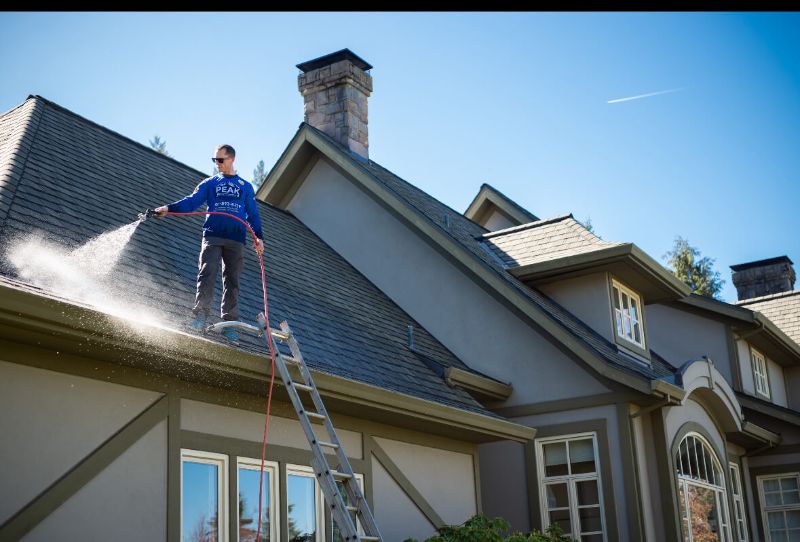
November marks a critical threshold in Damascus, Oregon, where seasonal rainfall shifts from sporadic to persistent, creating the precise moisture conditions moss needs to establish and spread aggressively. Understanding moss biology explains why this timing matters: moss reproduces through spores that require sustained surface moisture to germinate and colonize. November’s consistent precipitation eliminates the dry intervals that otherwise interrupt this process. Seasonal patterns in Damascus compound the problem—temperatures drop just enough to slow evaporation while remaining above freezing, extending surface wetness across roofs, driveways, and siding. You’ll notice green patches appearing rapidly once these conditions align. Each rainfall event doesn’t just sustain existing colonies; it actively expands them by dispersing spores across new surfaces, accelerating spread well beyond what most homeowners anticipate. Left unaddressed, moss and algae growth can compromise the structural integrity of shingles and accelerate roof deterioration over successive wet seasons.
How Damascus Terrain and Tree Canopy Create the Worst Conditions for Moss
Damascus sits within a topographical bowl effect created by the Cascade foothills, trapping cool, humid air at ground level and across rooftops longer than surrounding flatland areas. Dense tree cover compounds this problem considerably. Here’s what your property faces:
-
Canopy shade blocks UV radiation, eliminating moss’s primary natural suppressor.
-
Elevated soil moisture seeps into foundation zones, feeding spore germination at the base of walls.
-
Fallen debris from overhanging branches creates organic material that accelerates moss colonization on roof surfaces.
-
Trapped cold air extends overnight dew retention by several additional hours daily.
These compounding variables don’t operate independently—they reinforce each other. Your roof and siding fundamentally remain in a near-constant germination environment throughout November, creating conditions that accelerate moss establishment far beyond typical regional averages. Once established, moss retains moisture against your shingles and can lift them over time, allowing air and water infiltration that further compromises your roof’s insulation and temperature regulation.
Which Home Surfaces Moss Targets First in Damascus
Moss doesn’t spread randomly across your Damascus home—it targets specific surfaces first based on moisture retention and sun exposure. Your roof shingles absorb the most atmospheric moisture and debris, making them moss’s primary entry point, particularly on north-facing slopes that rarely dry out. From there, moss migrates to north-facing walls and damp wood surfaces like decks and fences, where organic matter and persistent shade accelerate colonization. Once established, moss retains moisture against surfaces like wood and concrete, quietly eroding the underlying material and compounding structural damage over time.
Roof Shingles First
Three surfaces on your home bear the earliest signs of moss colonization in Damascus, but roof shingles take the hit first. Their textured, porous surface traps moisture from November storm systems, creating ideal germination conditions within days.
Shingles deteriorate through a predictable sequence:
-
Spores settle into granule gaps between shingle layers
-
Moisture retention increases as granules dislodge from biological acid exposure
-
Rhizoids penetrate the asphalt substrate, lifting shingle edges
-
Water infiltration accelerates beneath compromised shingles during subsequent storm cycles
Skipping routine shingle maintenance compresses this timeline considerably. What takes years on drier surfaces happens within a single wet season on Damascus rooftops. Scheduling roof inspections before November gives you a measurable advantage, catching early colonization before structural damage becomes your primary concern. Left unaddressed, moss-driven moisture retention can void your roof warranty while simultaneously shortening the overall lifespan of your shingle materials.
North-Facing Walls
North-facing walls receive minimal direct sunlight throughout Damascus’s wet season, making them the second surface moss colonizes after your roof. Without adequate UV exposure to dry surface moisture, these walls maintain near-constant dampness from November through March. North facing challenges compound quickly because rainwater runs down from your roof, saturating siding materials before they can dry between storms.
Moisture retention on north-facing walls depends heavily on your siding material. Wood and fiber cement absorb water deeply, accelerating moss establishment at the cellular level. Vinyl and composite materials resist absorption better but still develop biofilm layers that anchor moss spores within weeks of initial contact.
You’ll typically notice green discoloration appearing along the lower thirds of north-facing walls first, where ground-level moisture and roof runoff converge. Applying moss inhibitors and specialized detergents to these surfaces during routine maintenance can slow recolonization between cleanings.
Damp Wood Surfaces
Wood surfaces on your Damascus home give moss four distinct advantages: porosity, organic matter, moisture retention, and structural texture that anchors spore attachment. Damp wood accelerates colonization faster than concrete or vinyl because it absorbs and holds moisture at the cellular level. Without proper surface treatment, November storm cycles keep wood perpetually saturated.
Moss targets these wood surfaces first:
-
Cedar shake roofing — grain channels collect spores and trap debris
-
Deck boards — horizontal orientation pools standing water after each storm
-
Wood fencing — rough, weathered grain provides ideal spore footholds
-
Fascia boards — constant gutter overflow creates sustained dampness
Each surface compounds the problem. Untreated damp wood doesn’t just host moss — it accelerates structural deterioration simultaneously. As moss establishes itself across these surfaces, it traps soil and debris that keeps wood moisture retention elevated far beyond what rainfall alone would cause.
How Moss Spreads From Your Roof to Your Driveway
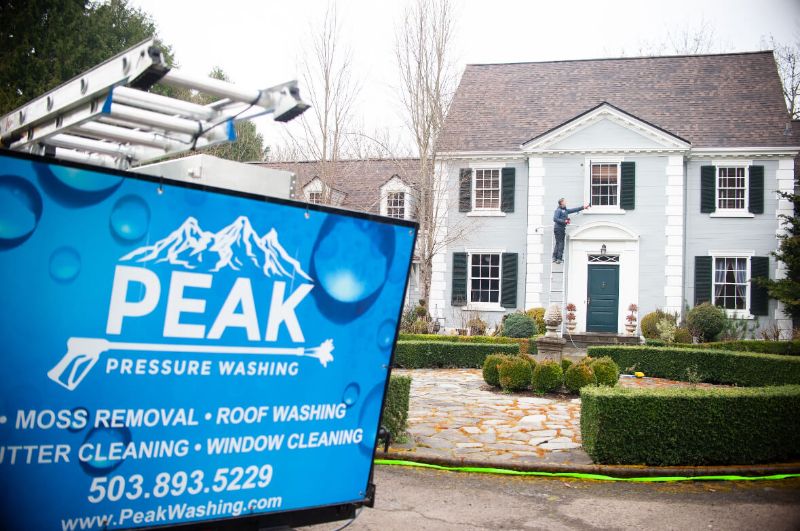
When rain hits your moss-covered roof, it carries live spores downward through gutters and along drainage paths directly onto your driveway surface. Your driveway’s porous concrete or asphalt provides the moisture retention and organic debris that spores need to establish new colonies. Once spores infiltrate these surface pores, they anchor quickly, making your driveway a secondary growth site that feeds further spread across your property. Installing zinc or copper strips along your roofline can help interrupt this cycle by inhibiting moss regrowth at the source before spores ever reach your driveway.
Spores Travel Through Runoff
Moss on your roof doesn’t stay there. November storms accelerate spore dispersion by channeling contaminated water across predictable runoff pathways:
-
Rainwater carries spores from roof surfaces into gutters
-
Overflowing or leaking gutters deposit spores along foundation edges
-
Sheet flow moves spores across driveways, walkways, and patios
-
Standing water in low-drainage zones gives spores ideal germination conditions
Each storm fundamentally reseeds your entire property. By the time you notice moss establishing on your concrete or pavers, the cycle has already repeated dozens of times. Your driveway didn’t develop moss independently — your roof seeded it. Treating one surface without addressing the source guarantees reinfection. Effective moss control requires identifying every runoff pathway and treating all affected surfaces simultaneously. Professional pressure washing services use biodegradable cleaning agents that break down moss and organic matter across all affected surfaces without leaving harmful residues that could further compromise your property.
Entry Points On Driveways
Most Damascus driveways share a structural vulnerability that accelerates moss colonization: they sit directly beneath or adjacent to roof runoff pathways. When November storms hit, contaminated water carries spores from your roof surface directly onto your driveway’s porous concrete or asphalt. Low-lying expansion joints, surface cracks, and textured aggregate sections trap moisture and organic debris, creating ideal germination zones.
Your driveway’s slope matters greatly. Flat or minimally graded surfaces pool water longer, extending spore contact time and improving moss establishment rates. Without consistent driveway maintenance, these entry points become permanent colonization sites that expand outward through the surface.
Effective moss prevention starts with understanding these structural vulnerabilities. Addressing roof runoff redirection and sealing surface cracks eliminates the primary entry points moss exploits each storm season.
Can You Stop Damascus Moss Spread Once It Starts?
Once moss establishes a foothold on your Damascus home’s exterior, stopping its spread requires immediate, targeted intervention rather than passive observation. Applying moss prevention techniques early in the season dramatically reduces colonization across adjacent surfaces.
Effective seasonal maintenance follows a precise sequence:
-
Treat active moss patches with zinc sulfate or potassium salts solution, killing spores at the cellular level before November rainfall accelerates dispersal.
-
Scrub dislodged material from roof shingles and siding, preventing decomposing organic matter from feeding secondary growth.
-
Clear gutters and downspouts of moss fragments, eliminating moisture retention zones that accelerate recolonization.
-
Apply zinc strip flashing along roof ridges, releasing moss-inhibiting ions during each rainstorm.
Acting before storm systems intensify gives you the greatest control over containment.
Signs It’s Time to Call a Damascus Moss Removal Professional
When moss coverage exceeds what surface-level scrubbing and chemical treatment can realistically address, it’s time to bring in a professional Damascus moss removal service. You’ll recognize this threshold through several diagnostic indicators: moss penetrating shingle granules, visible lifting along roof edges, or recurring regrowth within weeks of DIY treatment.
Professional removal benefits extend beyond surface cleaning. Technicians apply moss identification techniques to distinguish species types, assess root depth, and determine appropriate chemical concentrations and application methods for your specific roofing material. This precision prevents surface damage that aggressive DIY scrubbing often causes.
You should also call a professional if moss has colonized multiple surfaces simultaneously—roof, gutters, and siding—since coordinated treatment across zones produces more durable results than addressing each surface independently.
Frequently Asked Questions
Does Moss Spread Faster on Older Damascus Homes Than Newer Ones?
Yes, moss growth accelerates faster on older Damascus homes because aging surfaces develop micro-cracks and porous textures that retain moisture longer. Your home maintenance history directly impacts how quickly moss colonizes and spreads across roofs and siding.
How Much Does Professional Moss Removal Typically Cost in Damascus?
Professional moss removal costs vary based on your roof size and moss growth severity. Peak Pressure Washing tailors removal techniques to your Damascus home’s needs—contact them directly for a precise, transparent quote.
Are Certain Paint Colors or Siding Materials More Resistant to Moss?
Yes, lighter colors and smooth vinyl or fiber cement siding resist moss better. You’ll find that eco-friendly paints with antimicrobial additives and smart siding choices greatly reduce biological growth on your Damascus home’s exterior.
Does Homeowners Insurance Cover Moss-Related Damage in Damascus, Oregon?
Most policies won’t cover moss damage if neglect’s proven. You’ll need to review your insurance policy details carefully, as proactive moss prevention strategies can demonstrate due diligence and potentially strengthen your coverage claims.
How Long Does a Professional Moss Treatment Last Before Reapplication Is Needed?
You can expect professional moss treatment to last 1–3 years, depending on your roof’s exposure and local climate. In Damascus, accelerated moss growth may shorten treatment duration, requiring more frequent reapplication to maintain effective protection.
Conclusion
Once November storms arrive, you’re fighting a combination of sustained moisture, reduced UV exposure, and Damascus’s unique terrain that accelerates moss colonization faster than most treatments can counter. You’ve now seen exactly how moss moves from spore to structural problem across multiple surfaces simultaneously. Don’t wait until spring to assess the damage — by then, moss has completed another full growth cycle. Early intervention is always more effective and considerably less expensive than reactive removal.