
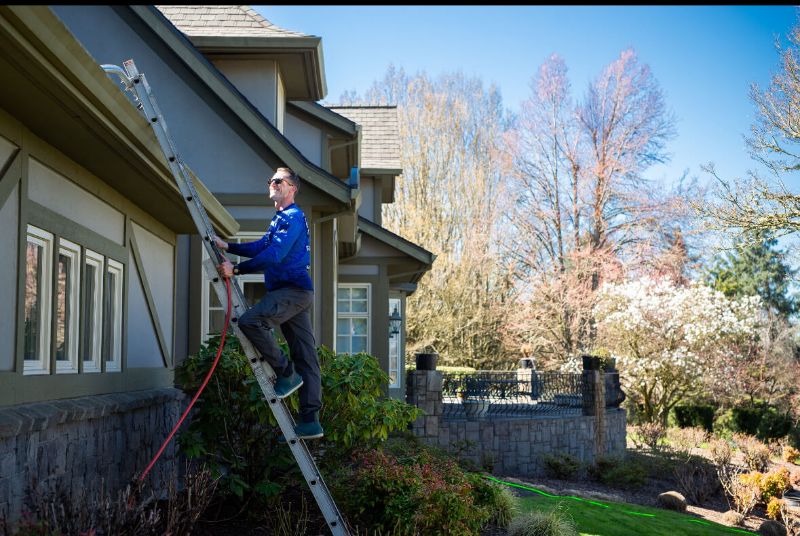
Your new Happy Valley home starts collecting grime the moment it’s exposed to the region’s wet, pollen-heavy air. Porous materials like wood and concrete absorb contaminants quickly, while moss spores, algae, and organic debris bond with moisture on your roof, siding, and gutters. Even freshly built surfaces aren’t immune to Happy Valley’s relentless climate. Understanding exactly what’s working against your home’s exterior can help you stay ahead of the damage before it gets costly.
Key Takeaways
-
Happy Valley’s wet climate accelerates organic growth like algae, moss, and mold on new construction surfaces faster than expected.
-
Porous building materials like wood and concrete immediately absorb moisture, dirt, and contaminants, even on brand-new homes.
-
Nearby trees deposit pollen and debris onto roofs and gutters, quickly forming stubborn, moisture-bonded films on surfaces.
-
Poor air quality from local traffic and construction settles fine particulates onto new home exteriors almost immediately after completion.
-
Wind patterns push organic debris against north and west-facing sides, causing rapid, uneven dirt accumulation on new builds.
Why New Happy Valley Homes Get Dirty So Fast
Despite being brand new, Happy Valley homes start accumulating dirt, moss, and algae faster than most homeowners expect. The region’s wet climate creates ideal conditions for organic growth, and your home’s exterior is constantly exposed to moisture, pollen, and debris.
Construction materials like wood, composite siding, and concrete are especially porous, meaning they absorb contaminants quickly and hold them longer than older, sealed surfaces.
Your roof, gutters, and siding collect organic matter from nearby trees and landscaping installed during construction. That organic material feeds moss and algae growth almost immediately.
Without a consistent cleaning frequency, these contaminants establish themselves deeply into surfaces, making removal harder and more expensive over time. Starting a cleaning schedule early protects your investment before buildup becomes a serious problem.
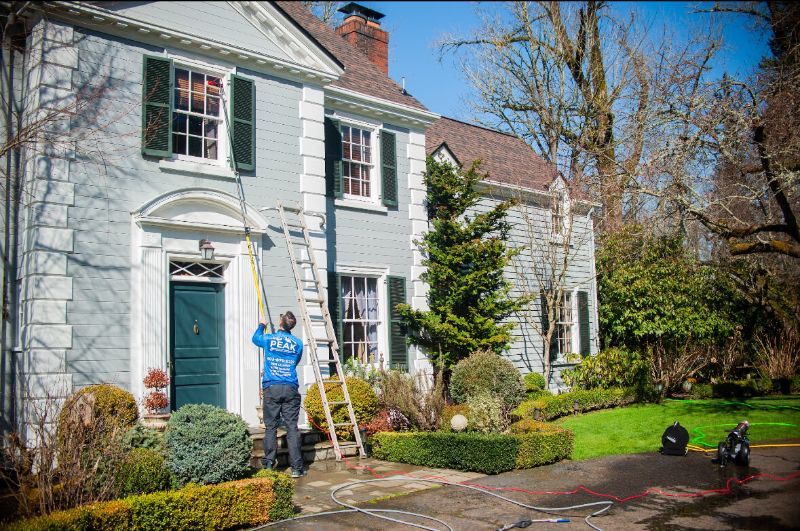
The Environmental Factors Working Against Your New Home
Happy Valley’s climate does more than just accelerate dirt buildup—it actively works against your home’s exterior through a combination of factors that compound over time.
Seasonal changes shift moisture levels dramatically, cycling your siding and roofing through repeated wet and dry conditions that open microscopic gaps where contaminants settle.
Poor air quality from nearby traffic corridors and construction zones deposits fine particulate matter onto every exposed surface.
Tree pollen, road exhaust, and organic debris collect in those gaps, feeding moss and algae growth that roots into your materials.
Wind patterns funnel debris directly against your home’s north and west-facing sides, accelerating discoloration. Additionally, high atmospheric humidity creates an environment where moss can thrive, leading to even more rapid deterioration of your home’s exterior.
Understanding these forces helps you recognize why your new construction home isn’t just getting dirty—it’s getting degraded.
What’s Actually Building Up on Your Exterior Surfaces
When you look at the grime coating your new home’s exterior, you’re not seeing a single substance—you’re seeing a layered accumulation of distinct biological and environmental materials, each with its own behavior and damage potential.
Common surface contaminants include algae, moss spores, mold, mildew, pollen, airborne dirt, and oxidized siding residue. Each one embeds differently into your surfaces. Algae creates slick green films on siding. Moss anchors into roofing materials with root-like structures. Mold penetrates porous concrete and wood. Pollen and dirt bond with moisture, forming stubborn films that resist rain runoff. Regular cleaning schedules are essential to prevent accumulated dirt from leading to costly repairs.
Because these contaminants don’t develop uniformly, they require targeted treatment rather than a single approach. Understanding what’s actually accumulating helps you determine the right cleaning frequency before surface damage becomes a costly repair problem.
The Hidden Damage Dirty Exteriors Cause Over Time
When moisture gets trapped beneath dirt, moss, and algae on your siding, roofing, or concrete, it accelerates surface decay faster than most homeowners expect. Moss is especially destructive—its root-like structures penetrate roofing materials and siding, physically breaking down the surfaces they grip. Algae stains aren’t just cosmetic either; the organisms embed themselves into porous materials, making the damage harder to reverse the longer you wait. Regular roof cleaning serves as preventative care to save costs and prolong the lifespan of your home’s exterior.
Moisture Accelerates Surface Decay
Moisture is one of the most destructive forces working against your new construction home’s exterior, and dirty surfaces make the problem considerably worse.
Dirt, algae, and debris trap moisture against siding, wood, and concrete, preventing proper drying after rain. That sustained contact breaks down surface materials faster than normal weathering would.
Without consistent moisture management, you’ll start seeing paint failure, wood rot, and cracked concrete within just a few years. Your home may look new, but if you’re ignoring buildup, you’re shortening the lifespan of every exposed surface.
Effective surface protection starts with keeping exterior materials clean and dry. Scheduling regular exterior cleaning removes the organic matter that holds moisture in place, giving your surfaces a real chance to perform the way they were designed to.
Moss Weakens Structural Integrity
Moss looks harmless at first, but it’s actively working against your home’s structural integrity the moment it takes hold. Its root-like structures, called rhizoids, penetrate roofing materials, siding joints, and wood surfaces.
Over time, this breaks down protective coatings and separates materials that should stay tightly bonded. Structural integrity concerns become serious when moss spreads unchecked. It retains moisture directly against surfaces, accelerating rot in wood decking, fascia boards, and roof sheathing.
What starts as a thin green layer can lead to costly repairs within a few seasons. Applying moss prevention techniques early—like soft washing treatments and routine exterior cleaning—stops this cycle before it starts.
Happy Valley’s damp climate makes your new construction home especially vulnerable, so proactive cleaning isn’t optional; it’s necessary.
Algae Stains Penetrate Deep
Algae spreads fast on new construction surfaces, and the damage it causes goes well beyond surface-level discoloration.
Once algae growth takes hold, it works its way into porous materials like concrete, siding, and roofing. The longer it sits, the deeper it penetrates, breaking down surface coatings and compromising material integrity over time.
You might notice green or black streaking across your siding or driveway and assume it’s purely cosmetic.
It’s not. Those stains are actively eating into your exterior surfaces. Stain removal becomes considerably harder the longer you wait, and in some cases, the discoloration becomes permanent without professional intervention.
Scheduling routine exterior cleaning stops algae before it embeds itself deep into your home’s surfaces, saving you from costly repairs down the road.
How Often New Construction Homes in Happy Valley Need Cleaning
How often you clean your new construction home in Happy Valley depends on the specific surfaces and the level of environmental exposure each one faces.
As a general rule, follow these cleaning frequency guidelines:
-
Roof and gutters: Once or twice annually, especially before and after fall
-
Siding and exterior walls: Once a year minimum, twice if you’re near tree coverage
-
Concrete driveways and walkways: Every one to two years
-
Windows: Two to four times per year
-
Decks and fences: Annually, with sealing every two to three years
These maintenance tips keep buildup from compounding between visits. Regular cleaning is crucial to prevent moss and algae growth, which can lead to deeper penetration and more costly restoration projects.
Skipping scheduled cleanings lets moss, algae, and grime penetrate deeper, turning a straightforward wash into a costly restoration project.
The Right Way to Keep Your New Home Looking New
Keeping your new construction home in Happy Valley looking its best comes down to pairing consistent cleaning schedules with the right methods for each surface.
Stick to a cleaning schedule that addresses gutters, siding, roofs, and concrete at regular intervals rather than waiting for visible buildup. Use soft washing for siding and roofs to avoid surface damage, and pressure washing for driveways and walkways where grime embeds deeply.
Don’t skip moss treatment—Happy Valley’s wet seasons accelerate growth fast. Regular inspections of your roof and gutters can help catch issues before they escalate. Exterior maintenance works best when it’s preventative, not reactive.
Scheduling professional cleanings once or twice a year keeps surfaces protected and extends their lifespan. Staying consistent costs far less than repairing damage caused by neglect.
Frequently Asked Questions
Does Pressure Washing Void Warranties on New Construction Home Exteriors?
It depends on your warranty terms. You’ll want to review your builder’s guidelines before scheduling service. Professional pressure washing risks are minimized when you hire licensed experts who understand warranty implications and use proper techniques on new construction surfaces.
Can I Use DIY Pressure Washing Equipment on My New Home?
You can use DIY techniques, but pressure washing safety matters on new construction. You risk damaging surfaces with wrong settings. Hiring Peak Pressure Washing guarantees your Happy Valley home’s exterior stays protected and properly cleaned.
What Cleaning Products Are Safe for Newer Exterior Paint and Finishes?
For newer exterior paint longevity, you’ll want eco-friendly cleaners like biodegradable, low-pH surfactants. Avoid bleach-heavy solutions that strip finishes. Peak Pressure Washing uses professionally formulated, surface-safe products that protect your home’s paint while effectively removing dirt and buildup.
Does Homeowners Insurance Cover Exterior Damage From Mold or Algae?
Most homeowners insurance won’t cover mold or algae damage, as insurers consider it a maintenance issue. You’ll want to invest in mold prevention strategies and algae growth solutions before damage occurs to avoid costly, out-of-pocket repairs.
Are New Construction Homes in Happy Valley Built With Dirt-Resistant Materials?
Some builders do include dirt-resistant coatings or treated construction material options, but they don’t make your Happy Valley home immune to buildup. You’ll still need regular exterior cleaning to keep surfaces protected and looking their best.
Conclusion
Your new Happy Valley home won’t stay clean on its own — the climate, surrounding vegetation, and leftover construction residue are already working against it. Don’t wait until you can see the buildup to take action. Establish a regular cleaning schedule, inspect your surfaces seasonally, and address moss and algae before they root in. Staying proactive costs far less than repairing damage down the road, and it keeps your investment looking exactly the way it should.