
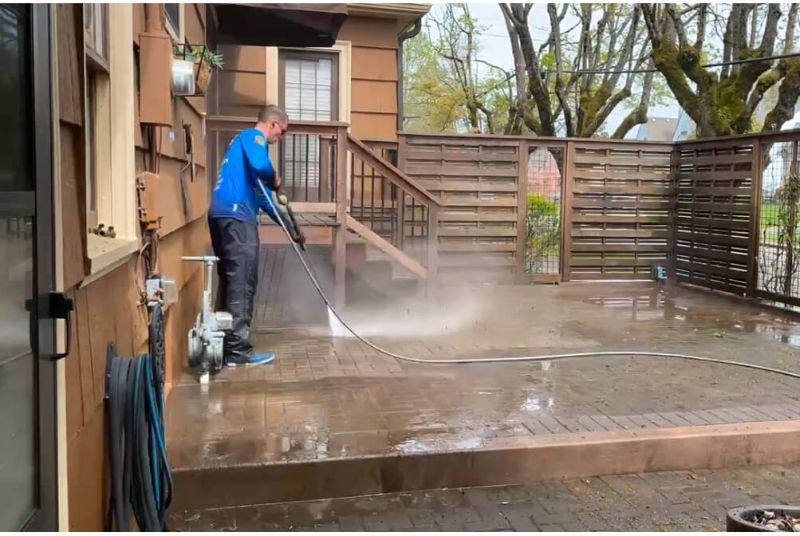
West Linn’s wet winters accelerate deck damage fast—warping, cracking, moss, and mildew all compound over months of freeze-thaw cycles. Before summer entertaining, you’ll need to assess the surface for discoloration, slippery biofilm, and structural deterioration. Clean the deck using the method matched to your surface material, allow adequate drying time, then seal it for maximum moisture protection. Get it scheduled early to beat peak summer demand. There’s a lot more to unpack here.
Key Takeaways
-
Schedule deck cleaning in February or March to secure your preferred date before summer demand peaks in West Linn.
-
Look for black streaks, slippery patches, or moss growth as signs your deck needs immediate cleaning.
-
Choose soft washing for composite decking and low-pressure washing for hardwood or pressure-treated wood surfaces.
-
Allow two to three consecutive dry days for effective cleaning and complete drying after service.
-
Book cleaning at least two weeks before outdoor gatherings, confirming square footage, surface type, and add-on services upfront.
What Winter Does to West Linn Decks
West Linn’s wet winters leave decks in rough shape. Months of rain, freezing temperatures, and persistent moisture accelerate winter damage across every deck surface.
Wood fibers absorb water, expand, and contract repeatedly, causing boards to warp, crack, and splinter. Protective sealants break down under UV exposure and freeze-thaw cycles, stripping away the barrier that keeps moisture out.
Moss, algae, and mildew establish themselves in shaded, damp areas, penetrating wood grain and weakening structural integrity over time. Tannins leach out, leaving gray, weathered discoloration that signals neglect.
Consistent deck maintenance prevents these issues from compounding, as regular cleaning can significantly extend your deck’s lifespan. Skipping pre-summer cleaning doesn’t just affect appearance—it shortens your deck’s lifespan and creates safety hazards like slippery surfaces and soft, deteriorating boards.
Signs Your Deck Needs Cleaning Before You Entertain
Before you set up patio furniture and invite guests over, your deck will show clear indicators that it needs professional cleaning.
Deck discoloration issues and mold growth indicators are two primary warning signs you shouldn’t ignore heading into summer entertaining season.
Watch for these specific conditions:
-
Black or green streaking across boards, signaling algae or mold colonies actively breaking down wood fibers.
-
Gray or uneven discoloration indicating UV damage combined with embedded dirt and organic debris.
-
Slippery surface patches caused by moisture-retaining biofilm, creating a safety hazard for guests.
-
Visible moss accumulation along board edges and between gaps, accelerating structural deterioration.
Each condition compounds over time. Understanding the importance of regular cleaning schedules can help prevent these issues from arising.
Addressing them before your first gathering protects your investment and keeps your outdoor space safe and functional.
Pressure Washing vs. Soft Washing for Deck Surfaces
When cleaning your deck, you’ll choose between two primary methods: pressure washing, which uses high-force water to blast away debris, and soft washing, which relies on low-pressure water combined with cleaning solutions to break down organic growth.
For most wood deck surfaces, soft washing is the safer option because high PSI levels can strip wood fibers, gouge soft grain, and accelerate surface deterioration.
If you use pressure washing on wood, you’ll need to carefully regulate PSI levels—typically staying below 1,500 PSI—and maintain consistent nozzle distance to avoid permanent surface damage. Additionally, understanding deck materials is crucial for selecting the best cleaning approach.
Understanding Each Cleaning Method
Choosing the right cleaning method for your deck comes down to the material and its current condition. Both cleaning techniques serve distinct purposes depending on your surface materials and the level of buildup present.
-
Pressure washing uses high-PSI water force to strip dirt, grime, and peeling paint from hardwood and composite surfaces.
-
Soft washing applies low pressure combined with biodegradable cleaning solutions to treat moss, algae, and mildew without surface damage.
-
Hardwoods like cedar and redwood require lower PSI settings to prevent grain raising and fiber damage.
-
Composite decking responds better to soft washing since high pressure can void manufacturer warranties and cause surface pitting.
Matching the method to your specific deck material guarantees effective cleaning without accelerating deterioration before your summer entertaining season begins.
Best Method for Decks
Two key factors determine the best cleaning method for your deck: surface material and the type of buildup present.
Different deck materials respond differently to pressure and chemical treatments, so matching the method to the material prevents surface damage.
For composite decking, soft washing is typically the correct approach. High pressure can void manufacturer warranties and permanently damage the surface texture.
For hardwood or pressure-treated wood, low-pressure washing combined with targeted cleaning agents removes embedded mold, algae, and grime without raising the grain.
Cleaning frequency also influences which method you’ll need. Decks cleaned annually rarely require aggressive pressure.
Neglected decks with heavy moss or algae buildup may need a staged approach—soft washing first, followed by careful low-pressure rinsing to restore the surface effectively before summer use.
Protecting Deck Wood
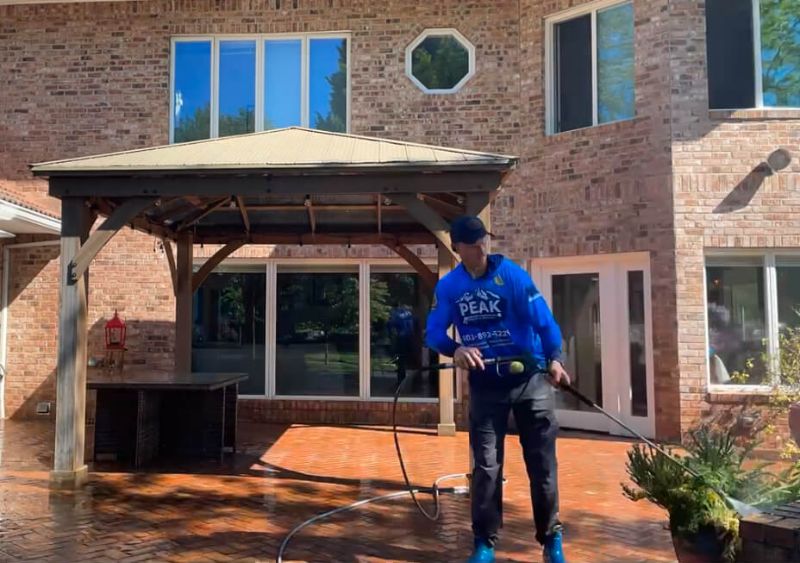
Protecting the structural integrity of deck wood starts with selecting the right application method before any cleaning begins. Improper pressure settings fracture wood fibers, accelerating decay and undermining long-term wood preservation. Effective deck maintenance requires matching technique to material density and age.
Apply these protective principles before starting:
-
Assess wood condition — inspect for rot, raised grain, or existing damage before applying any water pressure
-
Set PSI appropriately — softwoods require 500–600 PSI; hardwoods tolerate up to 1,200 PSI
-
Maintain consistent distance — hold the nozzle 12–18 inches from the surface to prevent scoring
-
Follow wood grain — always direct spray parallel to grain lines to minimize fiber displacement
These steps preserve structural integrity throughout the cleaning process.
What Professional Deck Cleaning Actually Involves
When you hire a professional deck cleaning service, the process typically begins with a pre-inspection to assess the deck’s material, condition, and the type of buildup present—whether that’s mold, algae, mildew, or embedded dirt.
The technician then selects the appropriate pressure settings and cleaning solutions based on your deck’s specific needs. Soft washing is often used on wood to prevent fiber damage, while concrete or composite decking may tolerate higher pressure.
Cleaning frequency and consistent deck maintenance tips factor into how aggressively the technician approaches the job—a deck neglected for several seasons requires more intensive treatment. Additionally, a knowledgeable technician will factor in seasonal maintenance tips to ensure the deck remains in optimal condition throughout the year.
After washing, the surface is rinsed thoroughly and inspected again to confirm uniform cleanliness before any sealing or finishing recommendations are made.
Should You Seal Your Deck After Cleaning?
After professional deck cleaning, sealing isn’t just optional—it’s the step that locks in your investment.
Once the surface is stripped of mold, algae, and grime, it’s fully exposed and vulnerable. Applying a sealant within a few days maximizes adhesion and protection. Understanding your deck sealing options and the benefits of sealing helps you make the right call.
-
Water repellent sealers prevent moisture absorption that causes warping and cracking.
-
UV-blocking stains slow graying and surface degradation from direct sunlight.
-
Semi-transparent finishes preserve wood grain while adding a protective layer.
-
Solid-color stains offer maximum protection for older, weathered wood surfaces.
Choose a product matched to your wood type and local climate.
West Linn’s wet winters make sealing non-negotiable for extending deck lifespan, especially because deck restoration can significantly enhance your outdoor space’s longevity.
How to Schedule Deck Cleaning Before Summer Hits
Scheduling deck cleaning early in the spring gives you the best selection of available dates and prevents last-minute delays as summer demand rises. Contact your service provider, confirm the scope of work, and lock in a date that aligns with your outdoor plans. Review the service details beforehand—surface type, cleaning method, and any add-ons like sealing—so the appointment runs efficiently from start to finish. Additionally, understanding weather impacts on deck conditions can help you plan for the most effective maintenance.
Book Early, Avoid Delays
Once spring arrives, demand for professional deck cleaning services rises sharply, and booking slots fill weeks in advance. To maintain scheduling flexibility and secure your preferred date, you’ll want to act early.
Following these deck maintenance tips helps you stay ahead of seasonal delays:
-
Schedule in February or March before peak demand eliminates available time slots
-
Confirm service details upfront, including surface type, square footage, and any moss or stain concerns
-
Request a written estimate to lock in pricing before seasonal rate adjustments occur
-
Coordinate around your calendar, accounting for 24–48 hours of drying time before furniture placement
Waiting until late May leaves you scrambling. Early booking gives Peak Pressure Washing enough lead time to prepare the right equipment and cleaning solutions for your specific deck.
Choose Your Ideal Date
Booking early secures your spot, but choosing the right date within that window makes the job go smoother. For summer preparation, target a date at least two weeks before your first planned outdoor gathering. This buffer allows time for any sealant or stain application to fully cure after cleaning.
Check Portland’s forecast before confirming. You’ll want two to three consecutive dry days — one for cleaning, additional days for drying. Avoid scheduling during heavy pollen season if you plan to stain immediately after; surface contamination affects adhesion.
For deck maintenance tips, mornings work best. Crews work more efficiently in cooler temperatures, and surfaces dry faster throughout the day.
Coordinate your date around your entertaining calendar, not just availability, so the timing actually serves your summer plans.
Confirm Service Details
Before finalizing your appointment, confirm the specific service details with Peak Pressure Washing to avoid miscommunication on the day of the job. Covering these details upfront supports effective deck maintenance tips and guarantees your seasonal preparation stays on schedule.
Verify the following before your scheduled date:
-
Surface material – specify wood, composite, or treated lumber so the crew selects the correct pressure settings and cleaning solutions.
-
Deck size and access points – confirm square footage and any restricted entry areas.
-
Add-on services – note whether sealing, brightening, or stair cleaning is included.
-
Water and power access – identify available hookup locations on your property.
Locking in these specifics prevents delays, protects your deck’s surface integrity, and keeps your summer entertaining timeline intact.
Frequently Asked Questions
Can Deck Cleaning Remove Old Paint or Stain From Wood?
Yes, deck cleaning can remove old paint or stain using specialized paint removal techniques. You’ll protect your investment with proper wood preservation tips, stripping deteriorating finishes while preparing surfaces for fresh, long-lasting coatings before summer entertaining.
How Long Does a Freshly Cleaned Deck Need to Dry?
After cleaning, your deck needs 48–72 hours to fully dry before applying sealant or stain. Following these deck maintenance tips guarantees proper adhesion and keeps your summer prep on schedule for safe, beautiful entertaining.
Is Deck Cleaning Safe for Pets and Children Afterward?
Yes, once your deck fully dries, it’s safe for both pet safety and child safety. You’ll want to keep them off during cleaning and allow complete drying before permitting any foot traffic or play.
Do You Clean Decks Made From Composite or Trex Materials?
Yes, we clean composite and Trex decks. We adjust pressure settings and use manufacturer-approved solutions tailored for composite maintenance and Trex care, ensuring you don’t void warranties or damage the material’s surface texture.
How Often Should West Linn Homeowners Schedule Professional Deck Cleaning?
Schedule professional deck cleaning once a year, ideally each spring. For West Linn’s wet climate, you’ll benefit from consistent seasonal upkeep to prevent moss and algae buildup, keeping your deck maintenance on a reliable annual cycle.
Conclusion
Your West Linn deck won’t clean itself before summer arrives. You’ve got a narrow window between the last spring rains and your first backyard gathering to pressure wash, treat, and seal the surface properly. Don’t wait until guests are already on their way. Schedule your professional deck cleaning now, confirm your sealer’s cure time, and lock in your entertaining calendar around a deck that’s structurally sound, visually sharp, and ready for heavy use.