
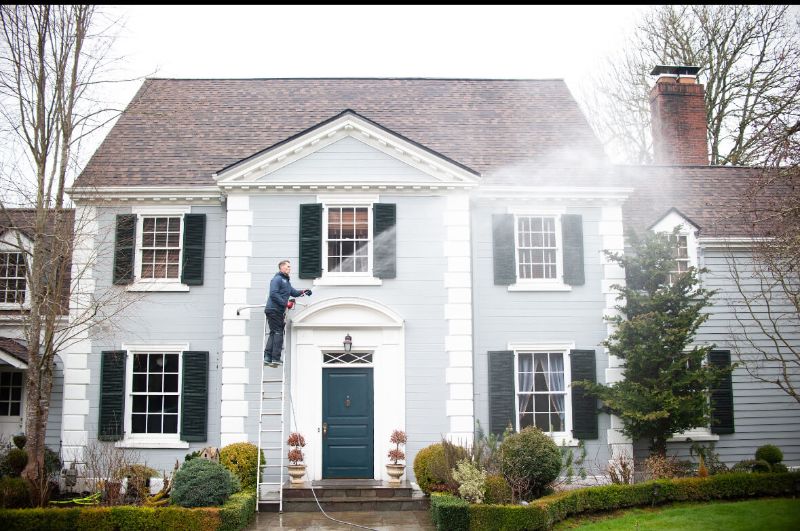
Yes, pressure washing can absolutely damage your home’s paint. Using more than 2,500 PSI breaks down molecular bonds, causing peeling, chipping, and complete paint removal. Incorrect nozzle angles force water beneath paint layers, worsening the damage. Older homes with multiple paint layers are especially vulnerable. The good news is that you can protect your paint — and what follows covers exactly how to do it safely and effectively.
Key Takeaways
-
Excessive water pressure above 2,500 PSI breaks molecular bonds in paint, causing peeling, chipping, or complete paint removal.
-
Incorrect nozzle angles, especially 90-degree positions, force water beneath paint layers, significantly increasing damage risk.
-
Older homes with multiple paint layers are particularly vulnerable to pressure washing damage and require extra caution.
-
Using 25- or 40-degree nozzle tips and maintaining 12–18 inches distance minimizes paint damage during washing.
-
DIY pressure washing on older or lead-based paint surfaces risks significant damage, making professional assessment highly advisable.
Can Pressure Washing Damage Paint?
Pressure washing can absolutely damage your home’s paint if done incorrectly. High-pressure water strips paint from surfaces by compromising paint adhesion, forcing water beneath the coating and causing peeling, bubbling, and flaking.
Even factory-applied finishes aren’t immune when excessive force is applied. The primary risk factor is using incorrect pressure settings. Residential siding typically requires no more than 1,200 to 1,500 PSI, while wood surfaces demand even lower thresholds. Exceeding these limits doesn’t just remove dirt — it removes paint layers entirely. Nozzle angle and distance compound the problem. Holding the wand too close or directing spray at upward angles drives water behind paint films, accelerating adhesion failure.
Understanding these variables isn’t optional — it’s crucial for protecting your home’s exterior finish. Additionally, aggressive washing techniques can cause micro-cracks that lead to further deterioration over time.
What Actually Causes Paint Damage During Washing
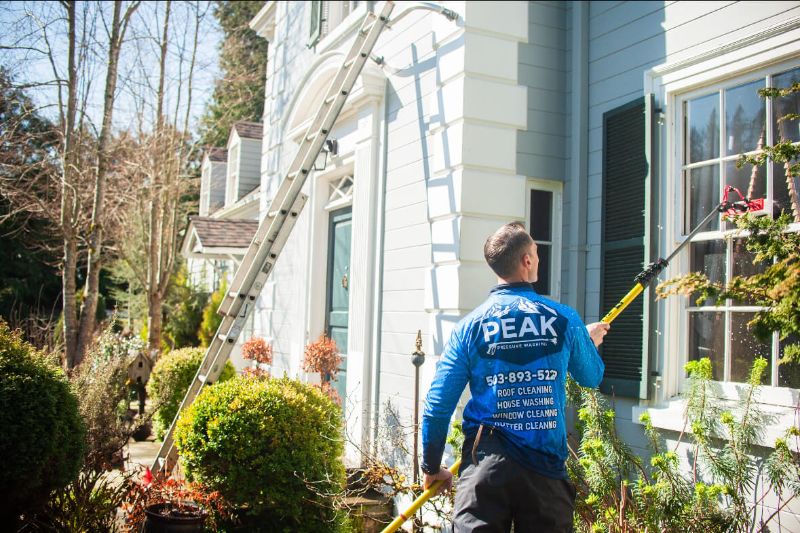
Paint damage during pressure washing typically comes down to three controllable factors: excessive water pressure, incorrect nozzle angles, and pre-existing paint weakness.
When you run too much PSI against a painted surface, the force physically separates the coating from the substrate, causing peeling or chipping.
If your paint already has cracks, bubbles, or age-related brittleness, even moderate pressure can accelerate its failure far beyond what you’d expect. Regular inspections for common roof problems can help identify issues before pressure washing.
Excessive Water Pressure
When it comes to paint damage during pressure washing, excessive water pressure is the primary culprit. Water pressure measured above 2,500 PSI can penetrate beneath paint layers, breaking the molecular bond that maintains paint adhesion to your home’s surface.
Once that bond fails, you’ll see immediate consequences: peeling, chipping, or complete paint strip-off.
Different surfaces have different tolerance thresholds. Older homes with multiple paint layers are especially vulnerable because each additional coat creates more separation points where high-pressure water can intrude.
Soft wood siding requires considerably lower PSI than concrete or brick.
You need to understand that pressure isn’t a fixed setting—it requires deliberate calibration based on your specific surface material, paint age, and current paint adhesion strength.
Misjudging any one of these variables puts your exterior paint at serious risk.
Incorrect Nozzle Angles
Beyond pressure settings, the angle at which you hold your nozzle determines whether you’re cleaning paint or destroying it. Directing water at a perpendicular 90-degree angle drives pressurized stream directly beneath paint layers, forcing moisture underneath and triggering immediate lifting or peeling.
Proper angle adjustment means working at 25 to 45 degrees, allowing water to glide across surfaces rather than penetrate them.
Nozzle selection compounds this problem considerably. A zero-degree red nozzle concentrates full pressure into a pinpoint stream that strips paint regardless of your angle. A 25-degree or 40-degree nozzle distributes pressure across a wider surface area, reducing impact intensity.
Always match your nozzle selection to the surface you’re cleaning, and maintain consistent angle adjustment throughout the entire washing process.
Pre-Existing Paint Weakness
Most paint damage blamed on pressure washing actually originates long before you pick up the wand. Pre-existing conditions in your paint are the real culprit. If your home’s exterior already has cracking, peeling, bubbling, or chalking paint, pressurized water doesn’t damage it — it reveals and accelerates failure that’s already underway.
Paint quality matters greatly here. Low-grade paints, improper surface prep during application, or inadequate primer adhesion create weak bonding layers that can’t withstand even moderate water pressure.
UV degradation, moisture infiltration, and age further compromise structural integrity.
Before any wash, inspect your exterior carefully. Look for edges lifting at trim lines, hairline cracks in painted surfaces, or chalky residue transferring to your fingers.
These signs indicate paint that’ll fail under pressure regardless of technique.
Paint Types That Are Most Vulnerable to Pressure
Not all exterior paints respond the same way to pressure washing, and understanding which types fail first under high PSI helps you avoid costly repaints.
Latex and acrylic paints hold up reasonably well, but older oil-based paints become brittle over time and crack under direct pressure.
Chalking paint, which already shows a powdery residue on the surface, is among the most vulnerable paint types because its bond to the substrate has weakened considerably.
Milk paint and limewash finishes absorb water aggressively, making them highly susceptible to pressure washing techniques that use concentrated streams.
Single-coat applications without primer are equally at risk.
If your home’s exterior uses any of these finishes, you’ll need adjusted pressure settings, wider fan tips, and increased standoff distances to prevent stripping. Additionally, it’s crucial to consider seasonal changes that can affect the integrity of your paint and surfaces.
Signs Your Paint Was Damaged by Pressure Washing
After pressure washing, you’ll want to inspect your home’s exterior carefully for three key indicators of paint damage.
Look for chipping or peeling paint, which signals that water pressure forcibly separated the coating from its substrate.
Check for visible surface streaking, which indicates uneven paint erosion across the treated area.
If you spot exposed bare wood, the damage has reached a critical stage where the surface is now vulnerable to moisture intrusion, rot, and further deterioration. Additionally, be aware that regular cleaning can help prevent such damage by maintaining the integrity of your home’s exterior surfaces.
Paint Chipping or Peeling
Paint chipping or peeling is one of the most obvious signs that pressure washing has damaged your home’s exterior. When high-pressure water penetrates beneath the paint film, it breaks the bond between the coating and the substrate, causing visible separation.
You’ll notice this damage along edges, trim lines, and areas where the paint was already compromised. Improper cleaning techniques accelerate this deterioration greatly.
If the operator used excessive PSI, held the nozzle too close, or directed water at an upward angle, you’re likely to see peeling within days of the cleaning.
Consistent paint maintenance helps identify vulnerable areas before washing begins. Inspect your exterior regularly for cracking or bubbling paint, as these weak points are the first to fail under pressure washing conditions.
Visible Surface Streaking
Streaking across your home’s exterior often signals that pressure washing disrupted the paint’s surface integrity. These marks aren’t cosmetic—they indicate improper surface cleaning techniques that compromise your paint’s protective layer. Identifying streak patterns helps you assess the extent of damage accurately.
Common causes of visible streaking include:
-
Excessive PSI application — high pressure strips uneven paint layers, leaving directional marks across siding.
-
Incorrect nozzle angles — spraying parallel to the surface instead of perpendicular forces water beneath the paint film.
-
Inconsistent spray overlap — uneven passes during surface cleaning techniques create distinct banding lines across panels.
Following proper paint maintenance tips means adjusting pressure settings, maintaining consistent distances, and using appropriate nozzle tips.
Streaking that doesn’t wash away confirms permanent paint disruption requiring professional assessment.
Exposed Bare Wood
When pressure washing strips paint completely, you’ll see exposed bare wood—one of the most serious signs of surface damage.
Unlike streaking, bare wood indicates the pressure fully penetrated your paint layer, leaving the underlying material vulnerable to moisture, rot, and structural deterioration.
Without paint acting as a barrier, wood absorbs water rapidly, accelerating warping, swelling, and fungal growth.
You’ll need to address this immediately—delaying wood protection measures compounds the damage considerably.
Start with these maintenance tips: sand the exposed area, apply a wood primer, and repaint using an exterior-grade coating rated for your climate.
If moisture has already penetrated, consult a professional before repainting to assess potential rot.
Preventing this damage starts with using correct pressure settings and appropriate nozzle distances for painted wood surfaces.
Safe Pressure Washing Practices That Protect Paint
Protecting your home’s paint during pressure washing comes down to technique, equipment settings, and surface awareness. Applying the wrong pressure settings on painted surfaces accelerates peeling, chipping, and premature wear.
Follow these core practices to minimize risk:
-
Maintain distance — Keep the nozzle at least 12–18 inches from painted surfaces, adjusting farther for older or compromised coatings.
-
Use appropriate nozzles — A 25- or 40-degree tip distributes water force broadly, reducing concentrated impact on paint.
-
Apply eco-friendly techniques — Low-pressure soft washing combined with biodegradable detergents removes biological buildup without aggressive mechanical force.
Always work with the grain of siding, spray at a downward angle, and test unfamiliar surfaces in inconspicuous areas before committing to full-scale cleaning.
When to Call a Pro Instead of DIY Pressure Washing
Safe techniques go a long way, but knowing them doesn’t always mean you should be the one doing the work. DIY techniques have clear limits, especially when your home has older paint, lead-based coatings, wood siding, or extensive moss and mildew growth.
One miscalculation in pressure, angle, or distance can strip paint, force water behind siding, or cause damage that costs far more to fix than a professional service would’ve cost upfront. Professional benefits extend beyond equipment. Trained technicians assess surface conditions, select appropriate pressure levels, and apply the right cleaning solutions without guessing. Additionally, regular mold removal is essential for maintaining roof health and preventing further complications.
If your home hasn’t been washed in years, has visible paint deterioration, or sits in a high-moisture environment like Portland, calling a pro isn’t a luxury—it’s the smarter, safer decision.
Frequently Asked Questions
How Soon After Painting Can I Safely Pressure Wash My Home?
You should wait at least 30 days for full paint curing before pressure washing. Even then, use low pressure settings—around 500–600 PSI—to avoid stripping or damaging your newly painted surfaces.
Does Pressure Washing Void My Home’s Paint Warranty?
It can. Improper pressure washing techniques may void your paint warranty if they cause peeling or damage. Always review your warranty’s paint warranty implications and hire professionals who understand manufacturer-approved cleaning methods to protect your coverage.
Can Pressure Washing Remove Mildew Stains Without Damaging Paint Underneath?
Yes, you can remove mildew stains without damaging paint underneath when you combine low-pressure washing with proper cleaning solutions. Effective mildew removal paired with careful technique guarantees paint preservation throughout the entire cleaning process.
How Often Should I Pressure Wash a Freshly Painted Exterior?
Wait at least 12 months before pressure washing a freshly painted exterior. This lets paint durability fully cure. After that, incorporate it into your annual maintenance schedule to keep surfaces clean without compromising the finish.
Is Soft Washing Always Safer Than Pressure Washing for Painted Surfaces?
Soft washing techniques are generally safer, but they’re not foolproof. If you’re applying incorrect detergents or concentrations, you still risk chemical damage. Minimizing pressure washing risks means pairing proper PSI levels with appropriate cleaning solutions for your specific paint type.
Conclusion
Pressure washing doesn’t have to damage your paint — but it will if you use the wrong settings, wrong technique, or wrong timing. You’ve now got the knowledge to recognize vulnerable surfaces, avoid common mistakes, and identify damage before it spreads. Whether you’re handling this yourself or hiring a professional, apply these standards without compromise. Your home’s exterior finish is an investment, and protecting it starts with understanding exactly how pressure and water interact with paint.