
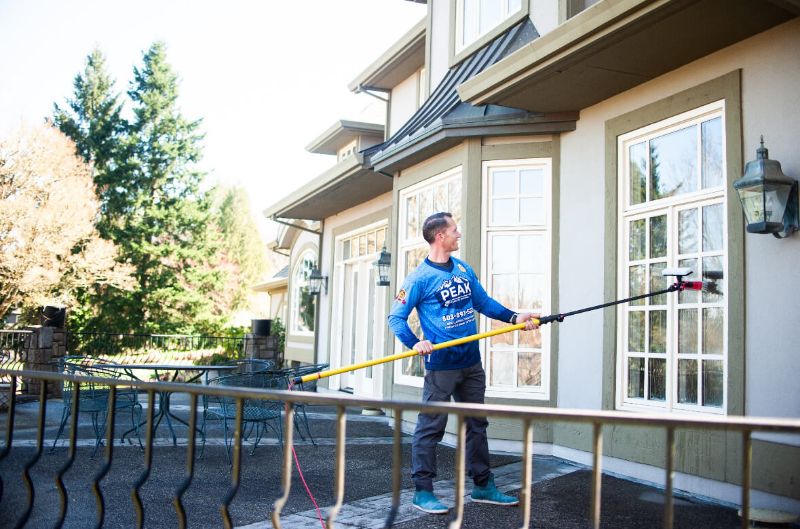
Before Portland’s wet season sets in, you’ll want to tackle your roof, gutters, siding, concrete, and decks in that order. Moss and algae activate fast once sustained rain arrives, and each storm cycle drives contaminants deeper into porous surfaces. Waiting turns a standard wash into an intensive treatment. Address these surfaces now, while conditions still allow effective cleaning, and you’ll protect your home’s structural integrity through the entire winter ahead.
Key Takeaways
-
Clean roofs and gutters before fall rains hit to prevent moss growth, water backup, and costly structural damage.
-
Treat moss and algae early, as Portland’s wet winters accelerate growth and deepen surface contamination quickly.
-
Wash siding, decks, and concrete before rain locks in dirt, mold, and organic buildup into porous materials.
-
The window for effective exterior cleaning narrows fast, making early fall action critical for Portland homeowners.
-
Consider professional cleaning for roofs and siding, as improper pressure washing techniques can cause serious surface damage.
Why Fall Is the Right Time to Clean Your Portland Home
As Portland shifts into fall, the window for effective exterior cleaning narrows quickly. Wet Pacific Northwest winters create conditions where moss, algae, and mold accelerate rapidly on surfaces left dirty heading into the cold months.
Addressing exterior upkeep before the heavy rain arrives gives treatments time to bond, dry, and perform correctly. Completing seasonal maintenance in fall also means you’re removing the summer’s accumulated dust, pollen, and biological growth before moisture locks it deeper into wood, concrete, and roofing materials. Regular house washing helps prevent moss and algae growth that can lead to costly repairs.
That buildup doesn’t pause during winter—it compounds. Acting now protects surfaces through the harshest months rather than reacting to damage in spring.
Fall cleaning isn’t optional convenience; it’s a calculated step in preserving your home’s structural integrity and appearance year over year.
Start With Your Roof and Gutters Before the Rain Arrives
Your roof and gutters are the first line of defense against Portland’s winter rainfall, so they’re the logical starting point for fall exterior maintenance.
Moss and algae accumulate on roof surfaces throughout summer, and if you skip roof maintenance before the wet season, that organic growth accelerates rapidly under sustained moisture. Deterioration follows quickly.
Gutter cleaning is equally critical. Leaves and debris collect through October, blocking drainage channels and forcing water to back up under your roofline or overflow against your foundation.
Both scenarios create costly structural problems.
Clean your gutters after the majority of leaves have fallen but before heavy rain begins. Pair that with a professional roof inspection and moss treatment to guarantee water moves off your home the way it should. Regular roof maintenance can significantly preserve roof lifespan and protect your investment in your home.
Moss and Algae Won’t Wait Until Spring
Moss and algae don’t pause their growth cycle just because summer has ended—in fact, fall’s increasing moisture and cooling temperatures create ideal conditions for rapid spread across your roof, siding, and hardscapes.
If you spot even a thin layer of green or black biological growth now, you’re likely weeks away from a more serious infestation that works its way into shingles and surface materials.
Treating moss and algae before winter sets in stops structural damage before it starts and saves you from a far more costly remediation in spring. Regular maintenance, including moss removal techniques, is essential to keep your home safe and sound.
Moss Spreads Quickly
During Portland’s wet fall season, moss and algae shift into aggressive growth mode—and they won’t pause until conditions improve in spring. Spores travel through air and water, colonizing roof shingles, concrete, fences, and siding faster than most homeowners expect.
Once established, moss retains moisture against surfaces, accelerating deterioration at the structural level.
Effective moss control requires intervention before winter rainfall embeds spores deeper into porous materials. Waiting until spring means allowing an entire season of unchecked growth and compounding surface damage.
The environmental impact of delay is significant—biological buildup weakens materials, increases water absorption, and creates conditions that demand more aggressive treatment later. Addressing moss in fall reduces long-term remediation costs and limits the chemical load required to restore affected surfaces.
Fall Moisture Accelerates Growth
Portland’s fall climate creates near-perfect conditions for moss and algae proliferation—consistent rainfall, dropping temperatures, and reduced sunlight combine to sustain the moisture levels these organisms need to establish and spread.
Once surface moisture persists without drying cycles, colonization accelerates markedly. Roof shingles, concrete, and wood surfaces retain water longer during fall, giving spores the environment they require to anchor and expand.
Prioritizing fall cleaning before peak rainfall begins interrupts this cycle at its earliest stage. Moisture management becomes critical during this window—removing existing organic material and applying preventative treatments reduces surface vulnerability before conditions worsen.
Waiting until spring means allowing an entire wet season of unchecked growth, which compounds both the cleaning effort required and the potential for structural surface damage.
Early Treatment Prevents Damage
Waiting until spring to address moss and algae growth is one of the costliest mistakes Portland homeowners make. By the time winter ends, these organisms have spent months penetrating surface pores, lifting shingles, and degrading wood fibers.
Early fall preventive maintenance interrupts this cycle before irreversible structural damage occurs.
Moss anchors itself with root-like structures called rhizoids that physically break apart roofing materials and concrete surfaces. Algae accelerates moisture retention, creating conditions that invite rot and mold.
Both spread rapidly once fall rain establishes consistent humidity levels.
Scheduling seasonal cleaning before November gives treatments time to work while conditions are still manageable. You’re not just removing visible buildup—you’re protecting surfaces from a full winter of accelerated biological deterioration.
Early action costs considerably less than spring repairs.
Which Exterior Surfaces Need Attention First
As fall settles in, Portland homeowners should prioritize exterior surfaces by their vulnerability to moisture damage and biological growth. Establishing clear exterior priorities guarantees your seasonal maintenance efforts deliver the most protection before heavy rain arrives.
Start with your roof—moss and debris trap moisture and accelerate shingle deterioration. Regular removal of dirt, moss, and algae prevents moisture retention and structural damage.
Move next to gutters, where organic buildup causes overflow and fascia damage.
Siding follows, as algae and mold penetrate surface coatings when left untreated through wet months.
Concrete driveways and walkways rank next, since algae and mildew create slip hazards and degrade surface integrity.
Finally, address decks and fences, which absorb standing moisture and deteriorate rapidly without pre-winter cleaning.
Tackling surfaces in this order targets the highest-risk areas first and maximizes your protective window before Portland’s rainy season sets in.
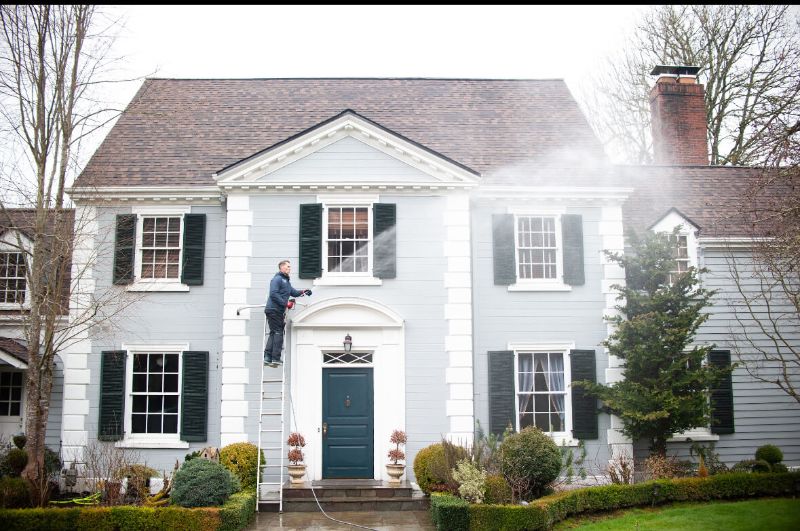
How Wet Weather Locks In Dirt If You Wait Too Long
When moisture penetrates surface-level grime, it binds dirt, algae, and organic debris deeper into porous materials like concrete, wood, and roof shingles.
Each rainfall compounds this effect, cycling contaminants further into the surface and making standard cleaning progressively less effective.
The longer you wait, the more you’re dealing with embedded damage rather than surface buildup—and that distinction directly affects both the cleaning method required and the cost involved. Additionally, regular cleaning can significantly reduce the risk of mold and mildew growth, particularly in Portland’s damp climate.
Moisture Seals Dirt In
Delaying exterior cleaning into Portland’s rainy season creates a compounding problem: moisture doesn’t just wet surface dirt—it drives it deeper into porous materials like concrete, wood, and siding.
Once moisture retention increases through repeated rainfall cycles, contaminants bond more aggressively to surfaces. Dirt accumulation that’s dry and removable in early fall becomes embedded and chemically adhered after weeks of saturation.
Organic material like algae and mold spores also activate under wet conditions, accelerating surface degradation.
What required a standard wash in October may demand more intensive treatment—or cause permanent staining—by December.
Cleaning before the rains arrive keeps contaminants loose, surfaces responsive to treatment, and restoration costs lower.
Timing your exterior cleaning to precede wet weather isn’t optional maintenance—it’s damage prevention.
Rain Compounds Surface Buildup
Portland’s fall rain doesn’t simply rinse your home’s exterior—it drives contaminants deeper into surface materials with every passing storm cycle. Each rain impact loosens organic debris, then forces dissolved particles into porous concrete, wood grain, and roof substrate.
That repeated cycle accelerates surface buildup faster than dry-season accumulation ever does.
Once moisture carries those contaminants past the surface layer, standard cleaning becomes considerably less effective. You’re no longer dealing with residue sitting on top—you’re addressing embedded staining that requires greater pressure, stronger treatments, and more time.
Cleaning before fall rain begins interrupts this cycle at its earliest point. Waiting even a few weeks into the rainy season means you’re working against weeks of driven-in buildup rather than surface-level deposits that clear quickly.
Waiting Worsens The Damage
The longer you wait to clean your home’s exterior, the harder wet weather makes the job. Organic growth like moss, algae, and mold absorbs moisture and anchors itself deeper into porous surfaces with every rain cycle.
What starts as surface-level buildup becomes structural contamination that requires more aggressive treatment to remove.
Seasonal considerations matter here. Fall gives you a narrow window to act before consistent rainfall locks that buildup in place for the entire winter.
Concrete, wood, and roof materials are especially vulnerable to accelerated deterioration once moisture-saturated organic matter sits on them for months.
Preventative maintenance done before the rainy season reduces both the difficulty and cost of cleaning later. Acting now keeps surface damage manageable instead of letting it compound into something more expensive to fix.
Hire a Pro or DIY? What Portland Homeowners Should Know
When it comes to fall exterior cleaning, should you tackle it yourself or call in a professional? Some tasks suit confident DIY tips—clearing gutters of visible debris, sweeping walkways, or rinsing light surface dirt with a garden hose.
However, Portland’s wet climate creates conditions that demand more than surface-level cleaning.
Professional advantages become clear when dealing with roof moss, algae-covered siding, or compacted gutter buildup. Improper pressure washing techniques can damage siding, strip roof granules, or force water behind trim.
Professionals use calibrated equipment, appropriate pressure settings, and proven cleaning solutions that eliminate buildup without causing harm.
If you’re uncertain about the condition of your roof, gutters, or exterior surfaces heading into fall, a professional assessment protects your investment and prevents costly repairs down the line.
Frequently Asked Questions
Does Fall Cleaning Void Any Existing Warranties on My Home’s Exterior?
Fall cleaning doesn’t void warranties when you’re using proper cleaning methods. You’ll want to check your warranty limitations first, as some manufacturers specify approved techniques. Peak Pressure Washing uses compliant, eco-friendly approaches that protect your surfaces and coverage.
How Long Does a Typical Fall Exterior Cleaning Appointment Take to Complete?
Your cleaning duration typically runs 2–6 hours, depending on your home’s size and selected services. Peak Pressure Washing offers scheduling flexibility to fit your fall prep timeline before Portland’s rainy season intensifies surface buildup.
Will Pressure Washing Damage My Landscaping or Plants Around My Home?
When done correctly, pressure washing won’t damage your plants. Professional technicians use controlled pressure washing techniques and prioritize landscaping protection by pre-soaking plants, adjusting water pressure, and rinsing foliage thoroughly after cleaning your home’s exterior.
Do Cleaning Crews Work During Rainy Days or Only Dry Weather?
Yes, crews maintain rainy day cleaning availability for most services, as light rain won’t disrupt operations. However, you’ll want to schedule sealing or coating work during dry windows to guarantee proper surface adhesion and lasting results.
How Soon After Cleaning Can I Apply Exterior Paint or Sealant?
Wait at least 24–48 hours after cleaning before sealant application or paint curing begins. You’ll want surfaces completely dry to guarantee proper adhesion—Portland’s moisture can extend that window, so check conditions carefully first.
Conclusion
You’ve got a narrow window to protect your home before the rains lock in dirt, feed moss, and overwhelm your gutters. Prioritize your roof, gutters, and hard surfaces now while conditions still allow it. Each task you complete reduces your risk of structural damage and costly repairs. Act methodically, work from the top down, and you’ll head into winter with your exterior properly defended.