
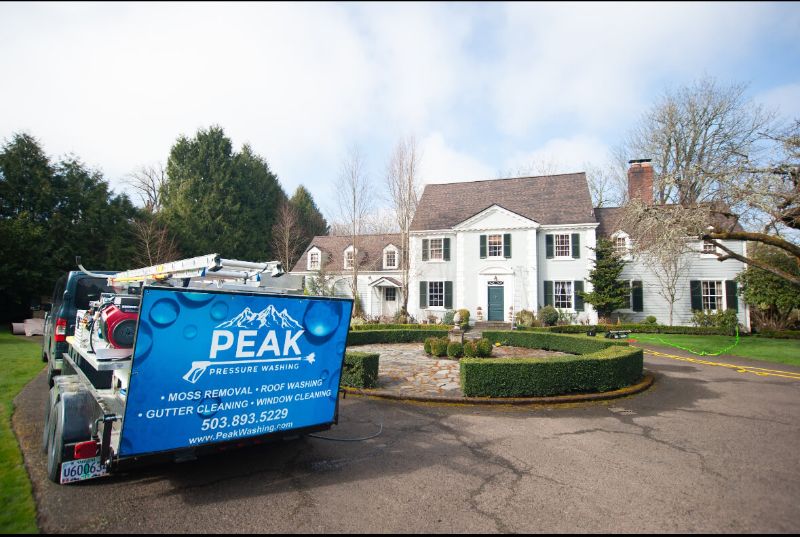
You can pressure wash in Oregon’s winter, but surface type determines success or failure. Concrete, vinyl siding, and metal surfaces handle cold washing well. Wood decks, painted surfaces, asphalt, and stucco risk serious damage when temperatures drop. Wash only when it’s above 40°F, and confirm no freezing temperatures are forecast within 24 hours. The specifics of each surface, technique, and hiring decision make all the difference.
Key Takeaways
-
Oregon’s mild winters allow pressure washing when temperatures stay above 40°F, ideally during daylight hours with no freezing forecast within 24 hours.
-
Safe winter surfaces include concrete, vinyl siding, metal gutters, and brick retaining walls when proper pressure settings are applied.
-
Avoid pressure washing wood decks, asphalt, painted surfaces, stucco, and brick mortar in winter, as freezing water causes serious damage.
-
Cold temperatures reduce cleaning chemical effectiveness, lower equipment performance, and may require repeat treatments, increasing overall project costs.
-
Winter moss and algae should be treated promptly using soft-wash methods to prevent root penetration and structural deterioration.
Can You Pressure Wash in Oregon Winter Weather?
Many Oregon homeowners assume pressure washing is strictly a warm-weather task, but that’s not entirely accurate. Oregon’s mild winters make winter pressure washing feasible more often than you’d expect.
Portland rarely experiences sustained freezing temperatures, which means surface water doesn’t always ice over immediately after cleaning.
That said, you need to apply the right washing techniques to work safely and effectively. Water freezing in surface cracks or joints can accelerate structural damage, so timing matters.
You’ll want to pressure wash during daylight hours when temperatures stay consistently above 40°F and allow adequate drying time before nightfall. It’s also crucial to prepare your home for pressure washing to mitigate potential risks.
Monitoring the forecast is non-negotiable. If freezing temperatures are expected within 24 hours, postpone the job.
Applying winter pressure without accounting for these variables creates preventable surface damage and safety hazards.
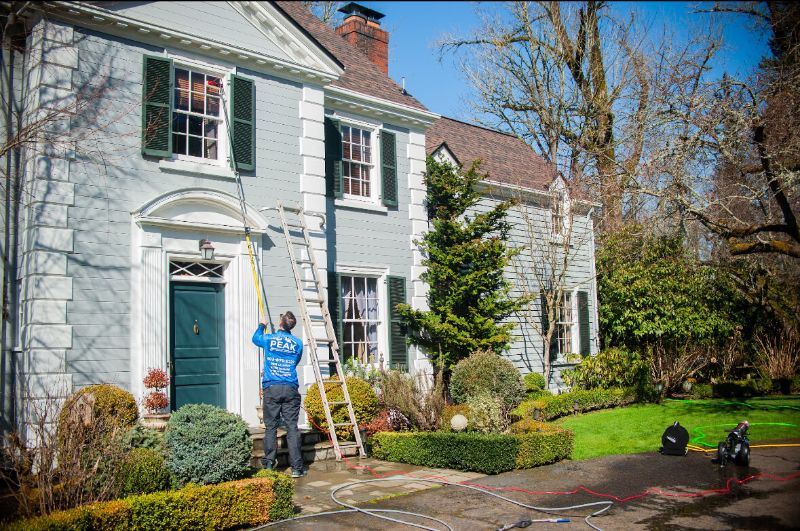
Surfaces That Handle Winter Pressure Washing Just Fine
Certain surfaces hold up well under winter pressure washing conditions, giving you flexibility even during Oregon’s colder months.
Concrete driveways, walkways, and patios rank among the most winter-friendly materials because their dense composition resists cold-temperature stress during cleaning.
Brick and block retaining walls also qualify as safe surfaces, provided you apply appropriate pressure settings and avoid saturating mortar joints.
Vinyl siding handles winter washing effectively when water temperatures stay controlled and runoff drains freely.
Metal surfaces, including gutters and steel fencing, tolerate cold-weather pressure washing without structural compromise.
The key across all these safe surfaces is monitoring ambient temperatures, confirming no freeze events are forecast within 24 hours of cleaning, and adjusting pressure output to prevent surface fracturing or moisture infiltration during the process. Additionally, following eco-friendly practices during winter cleaning helps protect Oregon’s natural resources while maintaining your home’s exterior.
What to Skip Until Spring (and Why)
While some surfaces tolerate winter pressure washing without issue, others demand patience until spring temperatures stabilize. Cold weather exposes equipment limitations and creates genuine safety precautions you can’t ignore.
Avoid pressure washing these surfaces during winter months:
-
Wood decks – Frozen fibers absorb water poorly and crack under high-pressure spray
-
Painted surfaces – Cold temps cause paint to lift, chip, or bubble when moisture penetrates
-
Brick and mortar – Water trapped in porous material expands when it freezes, accelerating deterioration
-
Asphalt driveways – Existing micro-cracks worsen considerably when pressurized water freezes inside them
-
Stucco exteriors – Saturated stucco in freezing conditions develops structural fractures quickly
Pushing past these boundaries doesn’t save time—it creates costly repairs. Regular inspections can help identify roof issues early before they escalate.
Wait for consistent temperatures above 40°F before scheduling these surfaces.
How Cold Temps Affect Pressure Washing Results
When temperatures drop below freezing, water from your pressure washer can ice over on contact with surfaces, creating hazardous conditions and locking contaminants in place rather than flushing them away.
Cold water also loses its cleaning efficiency, reducing the chemical reactions that break down mold, algae, and grime. You’ll end up using more pressure and more product to achieve results that warm-weather washing delivers far more efficiently. Additionally, seasonal changes necessitate effective pressure washing schedules to maintain the integrity of your business’s exterior.
Water Freezes on Surfaces
One of the most immediate risks of pressure washing in freezing temperatures is water turning to ice on the surfaces you’re cleaning.
Without proper safety precautions, frozen surfaces become serious hazards for you, your property, and anyone nearby.
Watch for these dangers when temperatures drop near freezing:
-
Driveways and walkways ice over instantly, creating slip-and-fall risks
-
Siding and wood decking trap moisture that expands as it freezes, causing cracks
-
Roof surfaces become dangerously slick under a thin ice layer
-
Gutters collect standing water that freezes and adds structural weight
-
Concrete absorbs water that freezes internally, accelerating surface spalling
If overnight temperatures fall below 35°F, postpone your project.
Working on frozen surfaces doesn’t just reduce cleaning effectiveness—it actively damages your property.
Reduced Cleaning Effectiveness
Cold temperatures don’t just create safety hazards—they actively undermine the chemistry and mechanics behind effective pressure washing. Most cleaning solutions rely on specific temperature ranges to activate properly. Below 40°F, detergents thicken, dilute inconsistently, and lose their ability to break down mold, algae, and grime at the molecular level.
You’re fundamentally applying an underperforming chemical to a surface and expecting full results.
Equipment limitations compound the problem further. Pressure washing machines operate less efficiently in cold conditions—pump seals stiffen, hose flexibility decreases, and pressure output can fluctuate.
These mechanical inefficiencies reduce your spray consistency and coverage. Even if surfaces appear clean immediately after washing, inadequate chemical activation means organic buildup often returns faster.
Cold-weather pressure washing frequently demands repeat treatments, costing you more time and money in the long run.
Winter Moss and Algae: Why Waiting Makes It Worse
Moss and algae thrive in Oregon’s wet winters, exploiting moisture-saturated surfaces to establish deep root systems that gradually degrade roofing materials, concrete, and wood.
Delaying algae growth solutions accelerates structural deterioration. Implement moss prevention techniques before infestations compound removal costs.
Waiting until spring creates these compounding problems:
-
Root penetration deepens into shingles, cracking substrate materials
-
Algae spread accelerates across porous concrete and wood surfaces
-
Moisture retention increases beneath moss colonies, promoting rot
-
Removal difficulty intensifies as biological growth bonds chemically to surfaces
-
Repair costs escalate markedly with each additional growth cycle
Winter treatment using soft-wash methods safely eliminates active colonies without pressure damage. Additionally, addressing underlying conditions like excess moisture through proper ventilation can significantly aid in preventing future growth.
Addressing moss and algae now prevents irreversible surface degradation before warmer months arrive.
How to Hire a Pro for Winter Pressure Washing in Oregon
When hiring a pressure washing company for winter work in Oregon, you’ll want to confirm they carry current licensing and insurance before signing anything.
Ask specifically about their experience with cold-weather cleaning, including how they handle freezing temperatures and wet conditions safely.
Finally, request itemized written quotes from at least two or three contractors so you can compare scope, methods, and pricing with accuracy.
Verify Licensing and Insurance
Before hiring any pressure washing contractor for winter work in Oregon, verify that they carry both a valid contractor’s license and general liability insurance. Skipping this step exposes you to significant financial and legal risk.
Complete insurance verification and licensing requirements checks before signing any agreement:
-
Confirm their Oregon CCB (Construction Contractors Board) license number
-
Validate the license is current at oregon.gov/ccb
-
Request a certificate of general liability insurance
-
Verify the policy covers winter-specific job hazards
-
Confirm workers’ compensation coverage if they bring a crew
An unlicensed contractor working on your property can void your homeowner’s insurance coverage.
A licensed, insured professional protects both parties if equipment damage, surface damage, or injury occurs during cold-weather cleaning.
Ask About Winter Experience
Once you’ve confirmed a contractor’s licensing and insurance, the next filter is winter-specific field experience.
Ask directly how many winter jobs they’ve completed in Oregon’s climate and what winter techniques they apply when temperatures approach freezing. A qualified contractor should reference adjusted pressure settings, surface temperature checks, and anti-freeze measures for equipment lines.
Ask how they handle safety precautions on wet or frost-covered surfaces—both for personnel and your property.
They should describe non-slip protocols, pre-treatment assessments, and how they identify surfaces too compromised to clean safely in cold conditions.
If a contractor can’t answer these questions with precision, that’s a red flag.
Winter pressure washing demands more than warm-weather experience. You need someone who’s adapted their process specifically for cold, wet Pacific Northwest conditions.
Request Detailed Written Quotes
After vetting a contractor’s credentials and winter experience, your next step is securing a detailed written quote before any work begins. Verbal estimates leave room for disputes. A proper quote protects you and confirms the contractor operates professionally.
Your written quote should include:
-
Detailed pricing for each specific service performed
-
Surface materials being cleaned and methods used
-
Equipment specifications, including water temperature settings
-
Weather contingency policies and rescheduling terms
-
Any available seasonal discounts for winter scheduling
Review every line item before signing. If a contractor resists providing written documentation, treat that as a red flag.
Transparent contractors understand that clear, itemized quotes build trust and eliminate billing surprises. Never authorize work based on a phone conversation alone.
Frequently Asked Questions
Does Winter Pressure Washing Cost More Than Summer Pressure Washing?
Winter pressure washing doesn’t always cost more, but seasonal factors like freezing temps and prep work can influence pricing. For an accurate cost comparison, you’d want to contact Peak Pressure Washing directly for a tailored quote.
Will Pressure Washing Remove Holiday Lighting Residue From My Home?
Yes, pressure washing can effectively handle holiday lighting residue removal from your home’s exterior. You’ll want to target adhesive marks, tape remnants, and grime left behind, ensuring surfaces stay clean without damage.
Can Wet Oregon Winters Actually Make Pressure Washing More Effective?
Yes, wet surfaces can boost winter cleaning effectiveness—pre-soaked grime and moss loosen faster, requiring less pressure. You’ll find Oregon’s consistent rainfall actually primes exterior buildup for easier, more thorough removal when conditions are properly managed.
How Soon After Rain Can You Safely Pressure Wash Outdoor Surfaces?
You can pressure wash most surfaces within a few hours after rain stops. However, rain delays vary by surface types—wait 24 hours for wood and painted surfaces to prevent moisture trapping and guarantee proper cleaning adhesion.
Do Portland Permits Require Anything for Commercial Winter Pressure Washing?
Portland doesn’t typically impose specific winter pressure washing permit requirements, but you’ll need to follow commercial regulations around wastewater discharge and stormwater runoff management. Always verify current local compliance standards before beginning any commercial exterior cleaning project.
Conclusion
Winter pressure washing in Oregon isn’t a blanket yes or no — it’s about matching the right surfaces to the right conditions. You can safely clean concrete, vinyl siding, and gutters when temperatures stay above freezing. You’ll want to skip wood decks, painted surfaces, and anything prone to moisture retention. Assess each surface individually, monitor temperature forecasts before you schedule, and address moss growth before it penetrates deeper. Precision now prevents costly repairs later.