
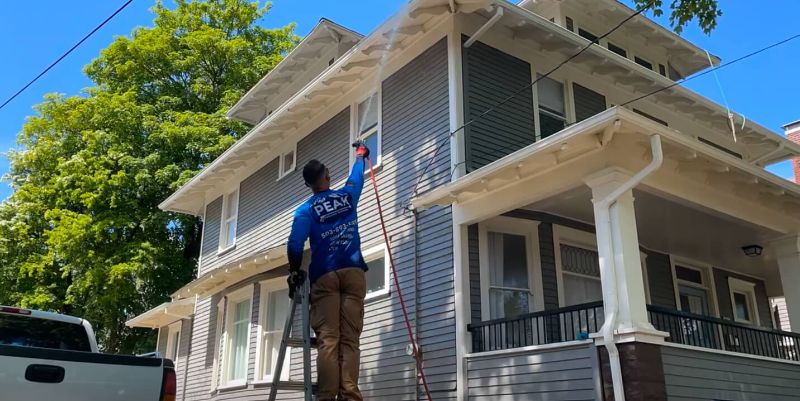
You’ll get the most from your solar panels by cleaning them twice a year — once in late spring and once in early fall. Target May or June to clear pollen buildup before peak summer sun arrives. Then hit September or October to remove summer’s smoke residue and debris before winter rains set in. These two windows maximize your energy output when it matters most. Keep going to learn exactly how to make each cleaning count.
Key Takeaways
-
Late spring (May–June) is ideal for removing pollen buildup before peak summer sun exposure maximizes energy production.
-
Early fall (September–October) is best for clearing summer wildfire debris before winter rains begin.
-
Avoid cleaning during active rainfall or freezing temperatures to ensure safety and cleaning effectiveness.
-
Monitor inverter data for drops exceeding 15–20%, signaling an immediate need for panel cleaning.
-
Base cleaning frequency on performance indicators rather than strict schedules for the most effective maintenance approach.
Why Pacific Northwest Weather Makes Solar Panel Cleaning Tricky
The Pacific Northwest’s climate creates a unique challenge for solar panel maintenance. You’re dealing with weather patterns that combine heavy rainfall, prolonged overcast skies, and seasonal moss and algae growth — all of which compound your cleaning challenges considerably.
While rain might seem like a natural rinse cycle, it actually deposits mineral residue, pollen, and organic debris directly onto panel surfaces. Portland’s mild, damp winters accelerate biological growth, embedding contaminants that rainfall alone can’t remove. Regular maintenance, including professional cleaning services, is essential to ensure maximum energy production and longevity of your solar investment.
Meanwhile, summer months bring wildfire smoke and dust that coat panels in fine particulate matter. You need to understand these regional conditions before establishing any cleaning schedule. Ignoring them means reduced energy output, potential surface damage, and ultimately a shorter lifespan for your solar investment.
How Dirty Panels Actually Hurt Your Energy Output
When dirt, moss, and algae accumulate on your solar panels, they block sunlight from reaching the photovoltaic cells, directly reducing the system’s ability to convert light into electricity.
Studies show that soiling can cut energy output by 15–25% in regions with heavy organic buildup, meaning your system consistently underperforms its rated capacity.
That loss translates directly into higher utility bills and a slower return on your original solar investment. Additionally, regular maintenance is vital for long-term performance and maximizing your energy production.
Reduced Energy Output
Dirty solar panels don’t just look bad—they actively reduce your system’s energy output in measurable ways. A thin layer of dust, pollen, or organic debris can block incoming sunlight, forcing your panels to work harder for less return.
In the Pacific Northwest, moss, algae, and rainfall residue compound this problem, creating uneven shading across individual cells. When even one cell underperforms, it drags down the output of the entire panel string.
Studies suggest soiling losses can reduce energy efficiency by 10–25% depending on buildup severity. Following consistent maintenance tips—like scheduling cleanings after pollen season and before peak summer sun—keeps your system operating at rated capacity.
Ignoring buildup doesn’t just cost you energy; it costs you money every billing cycle.
Soiling’s Financial Impact
Soiling doesn’t announce itself on your energy bill with a single dramatic spike—it bleeds your system’s output gradually, making the financial damage easy to overlook until it compounds. A 10–25% efficiency loss translates directly into reduced kilowatt-hour generation, meaning you’re purchasing more grid electricity than your system should require.
Over a billing cycle, that gap is modest. Over a year, it’s measurable. Over your panel’s lifespan, it’s significant.
Weigh that against routine maintenance costs, and the math favors cleaning. Professional solar panel cleaning is far less expensive than the cumulative financial savings you forfeit by neglecting it.
Your system was sized to offset a specific energy load—dirty panels quietly erode that offset every day they go uncleaned.
The Best Time of Year to Clean Solar Panels Here
In the Pacific Northwest, late spring and early fall are your two best windows for solar panel cleaning.
Late spring—typically May or June—lets you clear the season’s pollen accumulation right before peak summer sun hours arrive, maximizing output when irradiance is highest. A second cleaning in September or October removes summer dust and debris before the rainy season, positioning your system for whatever passive rinsing the winter months provide. Regular cleaning ensures maximum sunlight exposure and higher energy output, protecting your investment in solar technology.
Optimal Cleaning Seasons
Although the Pacific Northwest’s rainy season handles some surface rinsing, it also deposits pollen, moss spores, and organic debris that require professional attention.
Target two primary cleaning windows annually:
Late Spring (May–June): Schedule cleaning after pollen season peaks. You’ll remove accumulated biological matter before peak summer sun exposure, maximizing energy output during highest-production months.
Early Fall (September–October): Apply maintenance tips before winter arrives. You’ll clear summer dust, bird droppings, and residue buildup before extended cloud cover reduces your monitoring ability.
These intervals align cleaning techniques with Portland’s distinct seasonal patterns.
Avoid scheduling during active rainfall or freezing temperatures, as both compromise cleaning efficacy and technician safety.
Panels cleaned within these windows consistently demonstrate measurable efficiency improvements compared to annually or irregularly serviced systems.
After Pollen Season
Pollen season in the Pacific Northwest typically concludes by late May, leaving a dense, electrostatically charged film across panel surfaces that greatly reduces light transmittance.
This post-pollen window represents one of the most strategically sound seasonal considerations for solar panel maintenance. You’re removing a concentrated contaminant layer precisely when daylight hours are increasing, maximizing your energy recovery during peak summer production months.
Schedule your cleaning within two weeks of pollen season‘s end. Waiting longer allows pollen to bond more aggressively with surface moisture and oxidized coating materials, complicating removal.
Use deionized water and low-pressure application to prevent micro-abrasion on anti-reflective coatings. Addressing this specific seasonal contamination cycle positions your system to capture maximum solar irradiance throughout June, July, and August.
Spring vs. Fall Cleaning: Which Matters More?
Both spring and fall offer distinct cleaning advantages, but the right choice depends on your panels’ exposure to specific seasonal debris.
Spring benefits include removing accumulated winter grime, moss spores, and pollen layers that directly suppress energy output during peak summer production months. Cleaning in spring positions your system to perform at maximum efficiency when sunlight hours are longest.
Fall challenges are more complex. Leaf debris, early moss colonization, and organic residue from summer buildup require thorough removal before winter rains arrive.
Skipping fall cleaning allows biological growth to establish itself beneath standing water, accelerating panel degradation. Regular cleaning maximizes solar energy output, ensuring your investment pays off over time.
If you can only choose one, prioritize spring. If your system sits beneath overhanging trees or collects heavy debris, scheduling both cleanings delivers the strongest year-round performance protection.
Signs Your Solar Panels Need Cleaning Right Now
Visible surface contamination is the clearest indicator that your solar panels need immediate attention.
Beyond appearance, reduced energy output signals compromised panel efficiency. Monitor your inverter’s production data regularly — a drop exceeding 15–20% warrants immediate inspection.
Key signs requiring action:
-
Visible debris accumulation — Bird droppings, leaf residue, or mud streaks covering panel surfaces
-
Measurable output decline — Consistent energy production drops compared to previous performance benchmarks
-
Post-storm residue — Sediment deposits remaining after heavy rain or windstorms
These indicators should inform your cleaning frequency decisions rather than relying solely on calendar-based scheduling. Regular maintenance schedules help avoid significant drops in performance. If you notice multiple signs simultaneously, professional cleaning should happen within the week.
DIY Cleaning vs. Hiring a Professional in Portland
When deciding between DIY cleaning and hiring a professional, 3 core factors determine the right approach: safety, equipment access, and cost-effectiveness.
DIY methods work for ground-level or low-slope panels using a soft brush, mild detergent, and deionized water. However, you’ll risk voiding manufacturer warranties if you use improper pressure or abrasive materials.
Roof access also introduces serious fall hazards without proper safety equipment.
Professional benefits become clear when panels sit on steep or multi-story rooftops. Companies like Peak Pressure Washing use low-pressure systems, non-abrasive solutions, and industry-safe techniques that protect panel integrity while maximizing light absorption efficiency.
If your system is under warranty or mounted on a difficult roof pitch, hiring a licensed professional isn’t just convenient — it’s the smarter financial decision long-term.
Frequently Asked Questions
Does Cleaning Solar Panels Void the Manufacturer’s Warranty?
Cleaning your solar panels won’t void your warranty if you follow manufacturer guidelines on cleaning frequency and methods. Understanding warranty implications means you should avoid high-pressure water and abrasive materials that could damage panel surfaces.
How Long Does a Professional Solar Panel Cleaning Typically Take?
Most residential cleanings take 1–2 hours. Your panel count, roof pitch, and soiling level affect duration. For ideal cleaning frequency, you’ll want to schedule maintenance tips sessions every 6–12 months to keep your system performing efficiently.
Are There Permits Required for Rooftop Solar Panel Cleaning in Portland?
You don’t typically need permits for rooftop solar panel cleaning in Portland. However, you’ll want professionals who follow proper safety precautions and approved cleaning techniques to avoid voiding your warranty or violating roof access guidelines.
How Much Does Solar Panel Cleaning Cost in the Portland Area?
You’ll typically pay $150–$300 for solar panel cleaning in Portland, depending on system size and cleaning frequency. For accurate cost comparison, contact Peak Pressure Washing directly for a transparent, customized quote.
Can Solar Panels Be Cleaned During Rainy or Overcast Weather Conditions?
Yes, you can clean solar panels during overcast conditions — they’re actually ideal. Reduced glare improves safety and cleaning benefits are maximized. Follow maintenance tips by avoiding rainy days, as runoff dilutes solutions and compromises results.
Conclusion
Timing your solar panel cleaning around the Pacific Northwest’s seasonal patterns isn’t optional — it’s a system maintenance requirement. Schedule your primary cleaning in late spring after pollen season peaks, and follow up in early fall before winter moisture locks in debris. You’ll protect your inverter efficiency ratings, preserve your panel coating integrity, and capture maximum output during peak irradiance months. Don’t let predictable contamination cycles silently drain your system’s performance data.