
Your deck turns gray after winter because UV rays break down lignin, the natural compound that gives wood its color and structural integrity. Once lignin deteriorates, the remaining cellulose fibers oxidize and turn that familiar silver-gray. Portland’s heavy rainfall and freeze-thaw cycles accelerate this process markedly. The good news is that gray doesn’t always mean damaged. Understanding the difference between surface weathering and structural decay will help you make the right restoration decisions.
Key Takeaways
-
UV rays break down lignin in wood, leaving oxidized cellulose fibers exposed and causing the characteristic gray discoloration.
-
Winter rain and humidity cause deep moisture absorption, accelerating the breakdown of wood fibers and surface degradation.
-
Freeze-thaw cycles force water to expand inside wood fibers, weakening the surface structure and contributing to graying.
-
Mold, algae, and moss thrive in wet winter conditions, adding biological discoloration on top of natural weathering.
-
Oxidized surface cells trap moisture against the wood, compounding the graying effect and risking long-term structural damage.
What Actually Causes Wood Decks to Turn Gray
When wood decks turn gray, the primary culprit isn’t dirt or weathering in the traditional sense—it’s UV degradation. Sunlight breaks down lignin, the natural polymer that binds wood fibers together and gives wood its warm, brown color. Once lignin deteriorates, the remaining cellulose fibers oxidize and turn silver-gray.
Weather effects accelerate this process considerably. Rain, freeze-thaw cycles, and humidity cause wood fibers to expand and contract repeatedly, loosening the surface structure and making it more vulnerable to UV exposure.
Without consistent deck maintenance, this cycle compounds quickly. Regular cleaning not only prevents moisture retention but also helps slow down the structural degradation you’re witnessing.
You’re not dealing with a stain you can simply scrub away. The discoloration reflects actual structural degradation at the cellular level—meaning restoration requires more than rinsing. It requires targeted cleaning and surface treatment.
How Portland’s Wet Winters Speed Up the Graying Process
Portland’s climate creates near-perfect conditions for accelerated wood degradation. Extended rainfall seasons drive deep moisture absorption into wood fibers, swelling and contracting the grain repeatedly. That cycle breaks down lignin faster than in drier climates, leaving gray, weathered surfaces by early spring.
Portland’s winters specifically accelerate graying through:
-
Persistent moisture retention — Weeks of overcast, damp weather prevent wood from fully drying between rain events.
-
Algae growth proliferation — Low sunlight and standing moisture create ideal conditions for algae and mold colonization across deck surfaces.
-
Freeze-thaw stress — Occasional winter temperature swings force absorbed water to expand inside wood fibers, accelerating structural breakdown.
You’re not just dealing with normal aging. Portland’s environment actively compounds the graying process, making annual deck maintenance essential rather than optional. Additionally, understanding moss prevention strategies can help mitigate further deterioration of your deck’s surface.
Is Gray Deck Wood Damaged or Just Weathered?
Knowing that Portland’s climate aggressively accelerates wood degradation raises a practical question: does gray coloring mean your deck is damaged, or is it simply weathered?
Gray wood characteristics alone don’t confirm structural damage. Weathering effects—UV-induced lignin breakdown, surface cell oxidation, and moisture cycling—produce the gray tone without necessarily compromising wood integrity.
The distinction lies beneath the surface. Run a flat screwdriver across a gray board. If it skims smoothly, the wood retains density and strength. If it gouges easily, pulling up soft, fibrous material, you’ve got decay.
Check also for cracking, warping, or splintering—signs that weathering has progressed into structural deterioration.
Gray coloring is your deck’s first warning. Ignoring it accelerates the shift from cosmetic weathering into genuine damage that requires replacement rather than restoration. Regular pressure washing can help maintain your deck’s appearance and longevity.
Can You Restore a Gray Deck Back to Its Original Color?
Yes, you can restore a gray deck back to its original color—but the outcome depends on how far weathering has progressed.
Most gray decks respond well to deck restoration techniques that combine cleaning, brightening, and finishing treatments. Color enhancement options like semi-transparent stains and UV-protective sealers can revive the wood’s natural tone effectively.
A successful restoration typically involves:
-
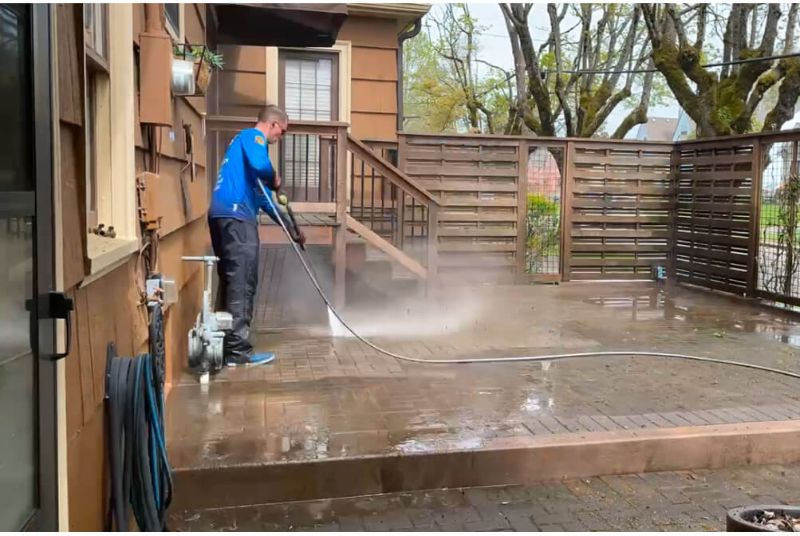
Pressure washing to remove surface dirt, mold, and oxidized wood fibers
-
Wood brightening using an oxalic acid-based solution to neutralize tannins and restore pH balance
-
Staining or sealing to lock in color and protect against future UV graying
The earlier you act, the better your results. Additionally, utilizing manufacturer-recommended methods can ensure safe and effective cleaning, enhancing the longevity of your deck’s restoration.
Severely weathered or cracked wood may require sanding or partial board replacement before any finish adheres properly.

When to Clean vs. When to Replace Gray Deck Boards
Run a screwdriver across the surface and press its tip firmly into the wood — if it penetrates more than ¼ inch with light pressure, the board has rotted and requires replacement, not cleaning.
Boards that are merely gray but still firm, splinter-free, and structurally intact are strong candidates for professional cleaning and restoration. Regular deck maintenance strategies can help prevent further deterioration and extend the life of your deck.
Signs Of Cleanable Boards
Not every gray deck board needs replacing — most just need a proper cleaning. If your boards are structurally sound, cleaning is the right deck maintenance tip to apply before considering costly replacement.
Use these wood preservation techniques to assess whether cleaning will restore your deck:
-
Flexible, not brittle: boards that bend slightly under pressure without cracking are good candidates for cleaning
-
Surface-level discoloration: gray color confined to the outer wood fibers indicates UV oxidation, not structural decay
-
No soft spots: boards that feel firm when pressed with a screwdriver haven’t experienced rot penetration
If your boards check all three boxes, professional cleaning will strip oxidized fibers, eliminate biological growth, and restore the wood’s natural appearance effectively.
Signs Of Board Replacement
Some gray deck boards have crossed the point where cleaning delivers any meaningful result. Knowing the replacement indicators helps you avoid wasting money on a service that won’t restore structural integrity or appearance.
Replace boards showing these conditions:
-
Soft or spongy texture — decay has compromised the wood’s cellular structure
-
Deep cracks or splits — surface integrity is permanently lost
-
Warping or cupping that won’t lay flat — structural instability creates safety hazards
-
Persistent black staining — indicates deep fungal rot, not surface mold
-
Splintering along the grain — the wood fiber has broken down beyond recovery
Your deck lifespan depends on catching these signs early. Boards in this condition won’t respond to cleaning — they’ll continue deteriorating regardless of treatment.
Replacement is the only effective solution.
Assessing Deck Board Condition
Choosing between cleaning and replacement comes down to two factors: the depth of discoloration and the structural condition of the wood.
Surface graying responds well to professional cleaning and wood treatment options, restoring boards without costly replacement. Structural compromise requires removal.
Assess each board using these deck maintenance tips:
-
Press a screwdriver into the wood — soft or spongy resistance indicates rot below the surface
-
Check for deep cracking — surface checks are normal, but splits running through the board’s depth signal structural failure
-
Inspect fastener zones — boards lifting or separating around screws and nails indicate moisture damage beyond cosmetic graying
If boards pass this assessment, cleaning and treatment remain viable.
If they fail even one check, replace them before treating surrounding surfaces.
How Professional Deck Cleaning Protects Your Wood Long-Term
Professional deck cleaning does more than restore appearance—it removes the biological and environmental buildup that actively degrades wood fibers over time.
Moss, algae, mold, and oxidized surface cells trap moisture against the wood, accelerating rot, checking, and structural softening. Removing these contaminants through professional cleaning halts that degradation cycle before it compounds.
Consistent deck maintenance also prepares the surface for protective sealers and stains to bond correctly.
Without proper cleaning, coatings sit on contaminated wood, reducing adhesion and shortening their effective lifespan. Professional equipment and targeted cleaning solutions reach into the grain rather than just treating the surface layer.
Prioritizing wood preservation at this stage extends your deck’s service life considerably, reducing the frequency of costly repairs and premature board replacement.
Frequently Asked Questions
How Often Should I Seal My Wood Deck After Cleaning It?
You should follow deck maintenance tips and seal your wood deck every 1–2 years. Sealing frequency depends on wood type, weather exposure, and foot traffic. Reapply when water no longer beads on the surface.
What Types of Wood Are Most Resistant to Graying Over Time?
Teak, cedar, and redwood offer the best resistance to graying due to their natural oils and durability factors. You’ll still need regular wood treatments to preserve their color and extend their lifespan effectively.
Does Deck Graying Affect My Home’s Resale Value Significantly?
Yes, a grayed, neglected deck can hurt your home’s resale factors by signaling deferred maintenance to buyers. Consistent deck maintenance keeps surfaces visually appealing and structurally sound, helping you preserve or increase your property’s overall market value.
Can I Use Household Bleach to Clean My Gray Deck Myself?
You can use household bleach on gray wood, but it’s risky—it strips natural oils, weakens fibers, and accelerates deterioration. Professional deck cleaning solutions deliver safer, more effective results without damaging your deck’s structural integrity.
How Long Does Professional Deck Cleaning Typically Take to Complete?
Most professional deck cleanings take 2–4 hours, depending on size and condition. You’ll benefit from expert deck maintenance tips and proper cleaning equipment recommendations that restore your deck’s surface efficiently without risking damage from improper DIY methods.
Conclusion
Your deck turns gray because UV radiation breaks down lignin, moisture cycles stress the wood fibers, and biological growth takes hold during wet winters. That weathered appearance signals active deterioration — not just cosmetic aging. You’ve got options: deck cleaning, brightening treatments, and protective sealers can reverse significant graying when you act early. Don’t wait until structural damage forces full board replacement. Addressing the graying process now protects your investment and extends your deck’s functional lifespan considerably.