
Scheduling roof cleaning before fall rains protect your Milwaukie home from accelerating moss, algae, and moisture damage. Wet weather saturates existing biological growth, forcing rhizoids deeper beneath shingles and compromising your waterproofing barrier. Once water infiltrates the underlayment, you’re facing rot, structural failures, and repair costs that dwarf what preventive cleaning would’ve cost. Catching it now—before the first storm hits—is your smartest financial and structural move, and there’s plenty more to understand about why timing matters.
Key Takeaways
-
Fall rains accelerate moss and algae growth, expanding colonies beneath shingles and compromising Milwaukie roofs’ waterproof barriers rapidly.
-
Moisture from seasonal storms saturates existing moss, increasing the risk of leaks, rot, and structural damage.
-
Preventive cleaning costs a few hundred dollars, far less than thousands spent on shingle replacement or decking repairs.
-
Dormant spores germinate quickly under wet conditions, making pre-fall treatment essential for stopping biological growth early.
-
Professional soft wash cleaning eliminates moss and algae at the root, preventing regrowth throughout Milwaukie’s rainy season.
What Fall Rains Do to a Dirty Roof in Milwaukie
When fall arrives in Milwaukie, the seasonal rainfall doesn’t just rinse away surface debris—it accelerates the biological and structural damage already developing on a dirty roof.
Moisture saturates existing moss and algae colonies, causing them to expand and force their way beneath shingles. This lifting effect compromises the waterproof barrier your roof depends on, increasing the risk of leaks, rot, and premature material failure.
Standing water trapped under displaced shingles worsens with each storm cycle. Without proper roof maintenance before the wet season begins, you’re allowing months of biological growth to compound under ideal conditions.
Seasonal preparation isn’t optional in the Pacific Northwest—it’s a structural necessity. Waiting until visible damage appears means you’ve already absorbed preventable repair costs. Additionally, regular inspections can help catch potential issues before they escalate into more significant problems.
How Moss and Algae Spread Faster in Wet Weather
Moss and algae follow three predictable growth stages during wet weather, each compounding faster than the last. First, spores anchor into porous shingle surfaces using microscopic root structures called rhizoids.
Second, sustained moisture accelerates moss growth exponentially, allowing colonies to double in surface coverage within weeks.
Third, algae proliferation spreads through airborne spores that travel across your entire roof slope, establishing new colonies before you’ve noticed the original ones.
Wet conditions don’t just feed existing growth — they create ideal germination conditions for dormant spores already sitting on your roof.
Once rhizoids penetrate shingle granules, they retain moisture even between rain events, maintaining a continuous growth cycle. Additionally, regular roof cleaning is crucial in preventing these organisms from taking hold and ensuring your roof remains in good condition.
The Roof Damage That Builds Up Over One Rainy Season
A single rainy season delivers enough sustained moisture to accelerate structural roof damage well beyond what most homeowners expect. Water infiltrates beneath lifted shingles, saturates underlayment, and compromises wood decking.
Freeze-thaw cycles then widen existing cracks, expanding minor vulnerabilities into significant structural failures. Moss root systems penetrate shingle granules, stripping the protective coating that deflects UV radiation and repels water. Once granule loss occurs, accelerated shingle deterioration follows quickly.
Algae colonies retain moisture directly against roofing material, creating persistent wet conditions that promote wood rot in underlying decking and rafters.
Without proper roof maintenance before the rainy season begins, you’re allowing cumulative damage to compound across consecutive wet months. Prioritizing seasonal preparation protects your roof’s structural integrity and prevents repair costs that far exceed the price of professional cleaning. Implementing regular roof cleaning is essential to ensure your roof remains resilient against these seasonal challenges.
Why Cleaning Now Costs Less Than Repairs Later
Preventive roof cleaning costs a fraction of what structural repairs demand once damage progresses. A professional cleaning typically runs a few hundred dollars. By contrast, replacing deteriorated shingles, repairing rotted decking, or addressing water-infiltrated underlayment can cost several thousand. That gap represents the core argument for preventive maintenance.
Moss and algae don’t pause between rainy seasons. They expand root systems into shingles, lift edges, and compromise waterproofing membranes. Once moisture reaches the decking layer, you’re no longer dealing with a surface problem. You’re funding structural remediation.
Scheduling a cleaning before fall rains interrupt that cycle. You eliminate the biological growth before it advances, extend your roof’s functional lifespan, and realize long-term savings that far outpace the modest upfront investment in routine professional service. Moreover, regular cleaning prevents serious issues before they arise, safeguarding your investment in the long run.
What Professional Roof Cleaning in Milwaukie Actually Involves
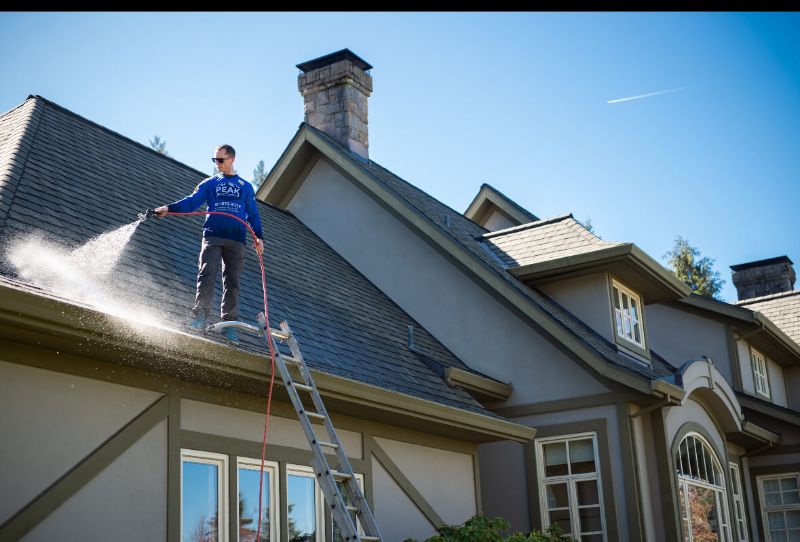
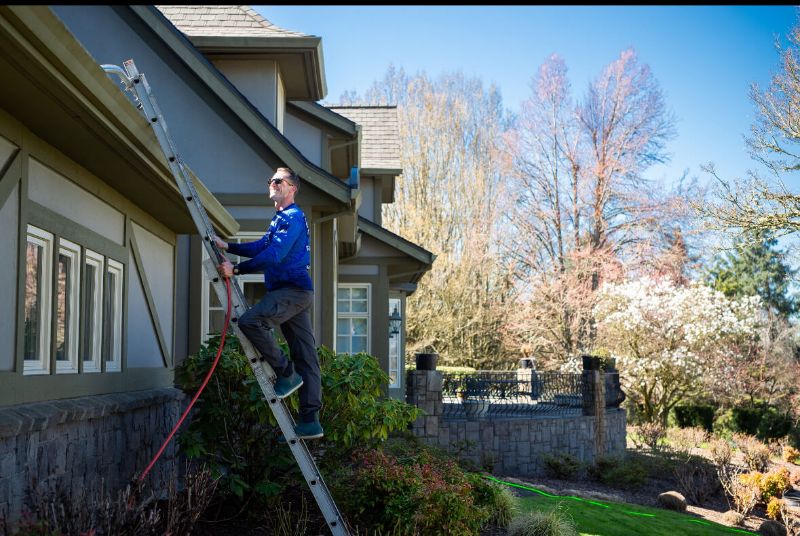
When you hire Peak Pressure Washing for roof cleaning in Milwaukie, the process follows a deliberate sequence designed to remove biological growth without damaging your roofing material.
Technicians begin with a thorough inspection, identifying moss concentrations, algae staining, and debris accumulation. They then apply a low-pressure soft wash solution formulated to break down organic matter at the root level.
This professional technique eliminates regrowth rather than simply dislodging surface buildup. Gutters and valleys receive targeted attention to prevent post-cleaning blockages.
The roof cleaning benefits extend beyond aesthetics — treated surfaces shed water more effectively, reducing moisture infiltration risk before fall rains intensify. Additionally, the use of eco-friendly solutions ensures that the cleaning process is safe for local ecosystems and enhances your property’s environmental appeal.
Every step prioritizes surface preservation, ensuring that professional techniques deliver lasting results without compromising shingle integrity or voiding manufacturer warranties.
How to Schedule Roof Cleaning Before the Rains Hit
Scheduling roof cleaning before Milwaukie’s fall rains arrive is straightforward once you understand the timing. Aim to book services between late August and early September, before moisture levels rise and moss begins accelerating its growth cycle.
Delaying past October means you’re likely scheduling into peak demand, which limits availability and pushes work closer to the rainy season’s onset.
For effective roof maintenance tips, document your roof’s current condition with photos before contacting a provider. This helps technicians assess the scope of work before arriving.
When scheduling services, confirm the company is licensed, insured, and uses low-pressure soft washing methods appropriate for your roofing material.
Contact Peak Pressure Washing early in the season to secure your preferred date and protect your roof before conditions deteriorate.
Frequently Asked Questions
Does Roof Cleaning Void My Existing Roof Warranty or Manufacturer Guarantee?
Professional roof cleaning won’t void your warranty if you follow manufacturer-approved methods. Check your warranty’s cleaning frequency requirements, as neglecting maintenance can actually void coverage. Understand your warranty implications before scheduling service.
How Long Does a Professionally Cleaned Roof Stay Clean in Milwaukie?
After a professional cleaning, your roof typically stays clean for 1–3 years, depending on tree coverage and moisture exposure. For ideal roof longevity, you’ll want to follow a maintenance frequency of annual inspections in Milwaukie’s wet climate.
Are the Cleaning Chemicals Safe for My Pets and Garden Plants?
Yes, the eco-friendly solutions we use prioritize both pet safety and garden health. You’ll want to keep pets indoors during application, but once dry, the treated surfaces won’t harm your plants or animals.
Can Roof Cleaning Be Done Safely on All Roofing Material Types?
Yes, you can safely clean most roofing materials when you apply the correct roof cleaning techniques. We tailor safety precautions to your specific roof type, whether it’s asphalt shingles, tile, metal, or cedar shake.
Will My Homeowner’s Insurance Cover Damage From Moss-Related Roof Deterioration?
Most policies won’t cover moss removal-related damage if they deem it neglect. Review your policy’s exclusions carefully, as insurers often deny insurance claims tied to preventable deterioration. Proactive roof cleaning protects both your roof and your coverage.
Conclusion
Don’t wait for the first heavy rain to reveal what’s been quietly damaging your roof all year. Moss, algae, and debris are working against your shingles right now, and Milwaukie’s wet season will accelerate that deterioration fast. Scheduling a professional roof cleaning before fall means you’re protecting your shingles, preventing moisture intrusion, and avoiding repair costs that compound quickly. Act before the rains arrive, not after they’ve already done the damage.