
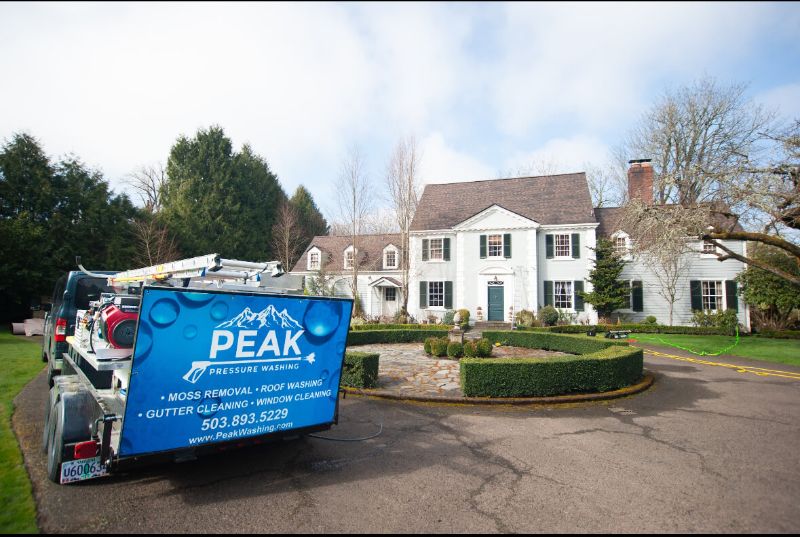
Soft wash house washing protects Oregon City’s older homes by using low-pressure water—below 500 PSI—combined with biodegradable cleaning solutions that kill moss, algae, mold, and mildew rather than just displacing them. Unlike high-pressure washing, it won’t cause paint delamination, splinter wood, or loosen aging caulking. It preserves original materials while extending the time between repaints. If your home was built before 1970, there’s a lot more you’ll want to know before choosing a cleaning method.
Key Takeaways
-
Soft washing uses low pressure below 500 PSI, preventing paint delamination and wood damage common with high-pressure washing on older homes.
-
Biodegradable cleaning solutions kill moss, algae, and mildew rather than displacing them, protecting aging materials from moisture damage and rot.
-
Oregon City homes built before 1970 have fragile original materials that soft washing preserves without causing mechanical stress or abrasion.
-
Regular soft washing identifies early biological damage signs, preventing costly repairs and maintaining property value for older Oregon City homes.
-
The eco-friendly process extends repainting intervals by reducing conditions that degrade paint adhesion on delicate siding and painted finishes.
What Is Soft Wash House Washing?
Soft wash house washing uses low-pressure water combined with specialized biodegradable cleaning solutions to safely remove dirt, algae, mold, mildew, and biological growth from exterior surfaces.
Unlike traditional pressure washing techniques that rely on high PSI to blast away contaminants, soft washing delivers eco-friendly solutions directly to the surface, allowing the chemistry to break down organic matter at its source.
The water pressure typically stays below 500 PSI, eliminating the mechanical force that damages aging wood, brittle mortar, and weathered paint.
You get a deeper, longer-lasting clean because the treatment kills biological growth rather than simply displacing it.
This method protects your home’s structural integrity while achieving results that standard pressure washing techniques can’t consistently deliver on delicate or deteriorating exterior materials. Additionally, using eco-friendly solutions ensures that the cleaning process does not harm the environment, aligning with sustainable practices.
Why Oregon City’s Older Homes Need a Gentler Approach
Oregon City’s housing stock includes a significant number of homes built before 1970, many featuring original wood siding, lead-based paint layers, aged mortar joints, and single-pane windows with deteriorating glazing compounds.
High-pressure washing on these surfaces causes paint delamination, wood fiber damage, mortar erosion, and seal failure around window glazing. These aren’t cosmetic concerns — they’re structural vulnerabilities that compound over time and increase restoration costs.
Soft washing addresses this directly by applying low-pressure delivery systems paired with eco-friendly techniques that eliminate biological growth without mechanical surface stress. This method is particularly effective because it utilizes high-powered water streams that effectively remove harmful growth without damaging delicate materials.
When historical preservation is the priority, you can’t afford the collateral damage that standard pressure washing introduces. A gentler approach protects material integrity while still achieving thorough, lasting cleanliness across every exterior surface.
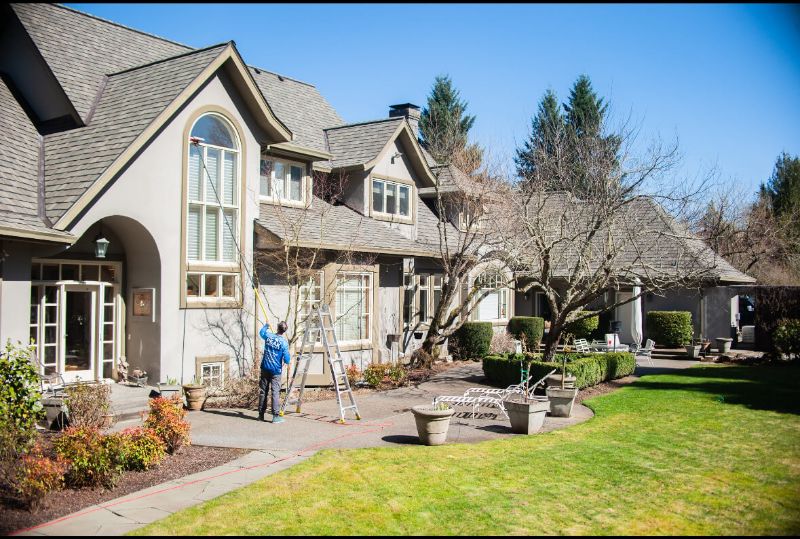
How Soft Washing Protects Aging Siding and Paint
Aging siding and paint require pressure levels that most standard washing equipment can’t safely control — soft washing solves this by delivering cleaning solutions at 60 to 500 PSI, compared to the 1,500 to 3,000 PSI typical of conventional pressure washing.
This controlled application supports siding preservation by eliminating the mechanical force that splinters wood, cracks lap siding, and loosens caulking around trim and window frames.
The biodegradable surfactants used in soft washing penetrate surface contaminants — mold, algae, and oxidation — without abrading the substrate beneath. For paint longevity, this matters considerably.
High-pressure water strips paint films, accelerates peeling, and forces moisture behind painted surfaces, triggering rot.
Soft washing removes biological growth at the source, reducing the conditions that degrade paint adhesion and extend the intervals between repainting cycles on your older home. Moreover, using eco-friendly products can enhance the effectiveness of the cleaning process while being safe for the environment.
Moss, Algae, and Mildew: The Real Threat to Older Exteriors
Moss, algae, and mildew don’t just sit on your home’s surface—they actively penetrate aging siding, wood, and paint, creating micro-damage that worsens with each season.
You’ll often miss the early signs because the most destructive growth hides beneath visible layers, quietly breaking down material integrity.
These organisms also trap moisture against your exterior surfaces, accelerating rot, warping, and paint failure far faster than weathering alone would cause. Regular roof cleaning can effectively prevent these issues before they escalate.
Identifying Hidden Growth Damage
Three biological threats—moss, algae, and mildew—do more structural damage to older homes than most homeowners realize, and they’re rarely visible until the damage is already underway.
Hidden damage accumulates beneath surface layers, where moisture retention accelerates wood rot, degrades mortar joints, and compromises paint adhesion on aging siding.
Effective growth detection requires looking beyond obvious green or black staining. Check for soft or spongy wood near rooflines, paint bubbling along horizontal surfaces, and persistent damp odors near exterior walls.
These indicators suggest biological infiltration has already penetrated your siding or trim.
Older homes with original wood, brick, or stucco exteriors face heightened risk because weathered surfaces absorb moisture faster.
Early identification prevents minor biological growth from escalating into costly structural repairs that far exceed routine cleaning costs.
Moisture Retention Accelerates Decay
Once moss, algae, or mildew establishes itself on your home’s exterior, it doesn’t just sit on the surface—it actively traps moisture against siding, trim, and masonry for extended periods.
That persistent moisture damage accelerates wood rot, degrades paint adhesion, and compromises caulking around windows and joints. On older homes with original wood siding or aging masonry, this cycle moves faster than you’d expect.
Biological growth acts like a sponge, pulling in rainwater and holding it long after surrounding surfaces dry. This constant moisture exposure breaks down protective coatings and softens substrate materials underneath.
Decay prevention requires eliminating the growth itself, not simply rinsing visible residue. Soft wash treatments penetrate and kill biological organisms at the source, stopping the moisture retention cycle before structural deterioration takes hold.
What to Expect From a Soft Wash Service
When you hire a professional soft wash service for your older home, you can expect the process to unfold in four key stages: pre-treatment inspection, surface preparation, solution application, and rinse.
During the inspection, the technician identifies vulnerable materials, deteriorating paint, and moisture-compromised areas.
Surface preparation involves protecting landscaping, sealing windows, and covering electrical fixtures.
The technician then applies a low-pressure biodegradable solution formulated to neutralize mold, algae, and organic buildup without abrading fragile surfaces.
A controlled rinse removes residue without forcing water into gaps or seams.
Understanding these service expectations helps you recognize the soft wash benefits firsthand — your home’s exterior gets thoroughly cleaned while its structural integrity stays protected. Additionally, using eco-friendly solutions enhances the cleaning process without harming your environment.
The entire process typically takes two to four hours depending on your home’s size and condition.
Is Soft Wash House Washing Right for Your Oregon City Home?
Whether your Oregon City home sits on a tree-lined lot prone to moss accumulation or features original siding from the mid-twentieth century, soft wash house washing addresses the specific exterior cleaning challenges that older Pacific Northwest properties face.
If your exterior includes wood, cedar shake, stucco, or painted surfaces, soft wash benefits become immediately relevant — low-pressure application eliminates the risk of surface erosion, paint stripping, and water intrusion that high-pressure methods introduce.
The eco friendly solutions used in the process neutralize biological growth at the root, preventing rapid recontamination.
If you’re uncertain whether your home qualifies, consider its age, surface material, and current contamination level. Homes showing moss, algae, or weathered finishes are strong candidates for this method.
Frequently Asked Questions
How Often Should Oregon City Older Homes Receive Soft Wash Treatments?
You should schedule soft wash frequency every 1-2 years for ideal home maintenance. Oregon City’s older homes face heavy moss, algae, and mildew buildup due to the Pacific Northwest’s wet climate, so don’t skip regular treatments.
Does Soft Washing Remove Graffiti From Older Home Exteriors?
Soft washing isn’t ideal for graffiti removal on your older home’s exterior. You’ll need specialized chemical treatments and targeted pressure techniques that guarantee exterior preservation without damaging aged siding, wood, or masonry surfaces during the cleaning process.
Can Soft Washing Be Done During Oregon City’s Rainy Season?
Yes, you can schedule soft washing during Oregon City’s rainy season. Rainy season considerations include timing between showers, but soft wash effectiveness isn’t compromised—detergents need dwell time, and light rain won’t immediately rinse solutions before they work.
How Long Does a Typical Soft Wash House Washing Service Take?
Most soft wash techniques complete your service duration in two to four hours, depending on your home’s size, surface condition, and complexity. You’ll get thorough, low-pressure cleaning that effectively removes moss, algae, and grime without rushing the process.
Will Soft Washing Disturb Nesting Birds or Insects in Siding?
Soft washing can disturb nesting habits if birds or insects have settled into your siding materials. We’ll inspect your exterior first and avoid those active areas, ensuring we protect both your home and local wildlife.
Conclusion
Your older Oregon City home deserves more than a pressure washer and crossed fingers. Soft washing delivers a technically superior clean by combining low-pressure application with targeted biocidal solutions that eliminate moss, algae, and mildew at the root — not just the surface. You’re protecting aging siding, preserving paint adhesion, and extending your exterior’s lifespan with every treatment. If your home’s showing signs of biological buildup, soft washing isn’t optional — it’s the right solution.