
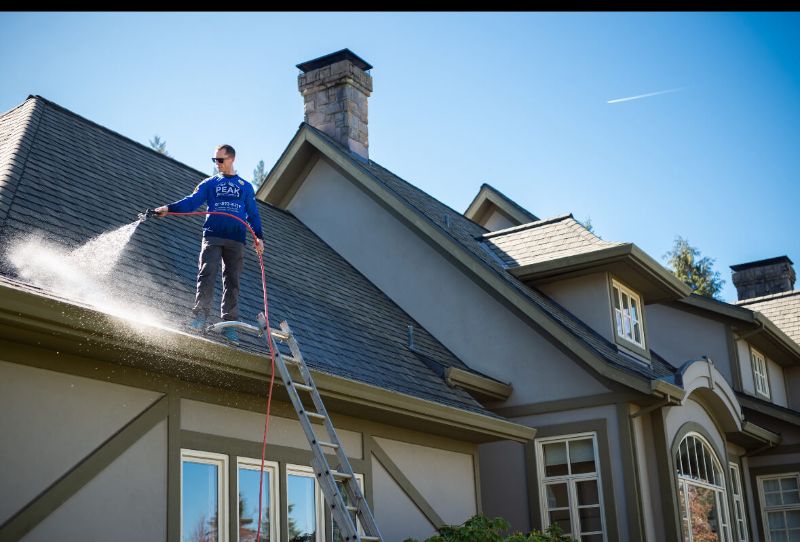
Soft washing combines low-pressure water with biodegradable cleaning solutions to eliminate algae, moss, mold, and mildew from your home’s exterior. Unlike pressure washing, it doesn’t just blast away surface grime—it kills biological growth at the root, delivering longer-lasting results without damaging vulnerable materials. For Portland homeowners dealing with the region’s constant moisture and organic buildup, it’s often the smarter choice. Keep going to find out if your home qualifies and which surfaces benefit most.
Key Takeaways
-
Soft washing uses low-pressure water (100–500 PSI) combined with biodegradable cleaning solutions to safely remove mold, algae, and biological growth.
-
Portland’s wet climate accelerates moss, mold, and algae growth, making soft washing especially beneficial for local homeowners.
-
It’s ideal for roofs, siding, stucco, and wood surfaces that high-pressure washing could easily damage.
-
Cleaning solutions penetrate surface pores to eliminate growth at the root, delivering longer-lasting results than pressure washing.
-
Signs your Portland home needs soft washing include dark streaks, green discoloration, moss patches, or recurring mold spots.
How Soft Washing Actually Works
Soft washing works by combining low-pressure water delivery with specialized cleaning solutions to break down and eliminate biological growth, dirt, and grime at the source. The cleaning agents penetrate surface pores, killing moss, algae, mold, and mildew at the root rather than simply blasting them away.
This distinction matters because high-pressure washing often damages siding, roofing, and wood surfaces while leaving biological growth intact beneath the surface.
The eco-friendly solutions used in soft washing biodegrade safely after application, protecting your landscaping and surrounding environment. Technicians apply the solution, allow it to dwell, then rinse at low pressure—typically under 500 PSI.
The soft washing benefits you gain include longer-lasting results, reduced surface damage, and effective elimination of organisms that would otherwise return within weeks under standard pressure washing methods. Additionally, eco-friendly products are essential for maintaining roof health without harmful chemicals.
Why Portland Homes Need Soft Washing
Portland’s climate creates 3 persistent problems for exterior surfaces: constant moisture, heavy shade, and mild temperatures that rarely freeze—conditions that allow moss, algae, mold, and mildew to thrive year-round.
Soft washing directly addresses these issues through mold prevention and eco-friendly solutions that won’t damage your siding, roof, or painted surfaces.
Portland homes commonly deal with:
-
Moss and algae colonizing roof shingles and reducing their lifespan
-
Mold and mildew spreading across siding, decks, and fencing
-
Black streaks caused by algae on rooflines and gutters
-
Slippery surfaces on walkways, driveways, and steps
Standard pressure washing removes visible buildup but leaves biological matter behind. Soft washing eliminates the root cause, keeping surfaces cleaner longer and reducing how frequently your home needs treatment. Regular inspections are essential for identifying potential issues and ensuring the longevity of your exterior surfaces.
Soft Washing vs. Pressure Washing: What’s the Difference?
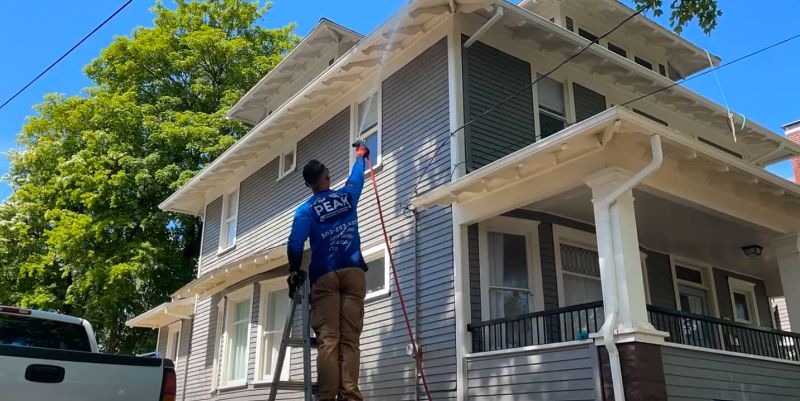
When you compare soft washing and pressure washing, the key difference comes down to PSI—soft washing operates at 100–500 PSI, while pressure washing can reach 1,500–4,000 PSI or higher. Soft washing relies on biodegradable cleaning solutions to break down biological growth like moss, algae, and mold, making it the right choice for roofs, siding, and other delicate surfaces. Moreover, routine maintenance through soft washing can significantly extend the lifespan of your roof and enhance your home’s aesthetic appeal. Pressure washing, on the other hand, uses high-force water to strip away tough surface contaminants and works best on hard, durable materials like concrete driveways, sidewalks, and brick.
Pressure Levels Explained
One of the most common misconceptions in exterior cleaning is that more pressure always means better results. This is one of the most persistent soft washing myths.
In reality, pressure levels must match the surface being cleaned.
Here’s how the ranges break down:
-
Soft washing: 100–500 PSI — safe for roofs, siding, and wood
-
Low-pressure washing: 500–1,000 PSI — suitable for lightly soiled surfaces
-
Standard pressure washing: 1,500–2,500 PSI — used for concrete and driveways
-
High-pressure washing: 3,000+ PSI — reserved for heavy-duty industrial surfaces
The soft washing benefits become clear when you’re working with fragile or porous materials.
Applying high PSI to vinyl siding, shingles, or painted surfaces causes cracking, warping, and water intrusion.
Matching pressure to the surface protects your investment long-term.
Best Use Cases
Knowing the right pressure range is only half the equation — the other half is knowing which method fits the job.
Soft washing is your best practice for surfaces vulnerable to high-pressure damage: roofs, siding, stucco, wood fencing, and painted surfaces.
Pressure washing works better on hard, durable surfaces like concrete driveways, brick, and stone patios.
One of the most common misconceptions is that higher pressure always means cleaner results.
It doesn’t. Biological growth like moss, algae, and mildew requires chemical treatment — not force — to fully die and stop returning.
Blasting these contaminants off without treating them only accelerates regrowth.
Match the method to the material and the problem, and you’ll get results that last.
Which Surfaces on Your Home Benefit Most
Soft washing delivers the best results on surfaces that are vulnerable to high-pressure damage or prone to biological growth.
Your roof, siding, gutters, and fascia all fall into this category, where moss, algae, and mildew thrive and traditional pressure washing risks cracking, lifting, or gouging materials.
Decks and fences also benefit greatly, as soft washing removes embedded grime and organic growth without splintering wood or stripping protective finishes. Additionally, using eco-friendly roof cleaning regimens helps manage these growths effectively without harming the environment.
Roofs and Siding
Roofs and siding take the hardest beating from Oregon’s wet climate, making them the surfaces that benefit most from soft washing. Consistent moisture creates ideal conditions for moss, algae, lichen, and mold to degrade both roof materials and siding materials over time.
Soft washing eliminates these organisms at the root, extending surface lifespan without causing damage from high-pressure water.
Proper roof maintenance through soft washing protects:
-
Asphalt shingles from granule loss caused by aggressive pressure
-
Cedar shake roofs from splitting or cracking under high PSI
-
Vinyl and fiber cement siding from warping or water intrusion
-
Wood siding from accelerated rot when organic growth goes untreated
You’ll preserve both appearance and structural integrity by choosing soft washing over traditional pressure methods.
Gutters and Fascia
Gutters and fascia boards collect years of oxidation, algae streaks, and organic debris that high-pressure washing can dent, crack, or force water behind.
Soft washing solves this by delivering low-pressure water mixed with biodegradable surfactants that dissolve buildup at the source rather than blasting it away mechanically.
For gutter maintenance, this means removing black oxidation streaks and biological growth without warping aluminum or separating seams.
Fascia cleaning follows the same logic—wooden or composite fascia boards are particularly vulnerable to moisture intrusion, and aggressive pressure accelerates rot rather than preventing it.
Soft washing cleans both surfaces thoroughly while keeping water directed away from vulnerable joints and underlayment.
You’re protecting the structural integrity of your drainage system, not just improving its appearance.
Decks and Fences
Wooden decks and fences take a beating from moisture, UV exposure, and biological growth year-round, making them two of the most damage-prone surfaces on your property.
Soft washing supports deck maintenance and fence longevity by eliminating harmful organisms without splitting wood fibers or stripping protective coatings.
High-pressure washing on wood causes:
-
Splintering and gouging along the grain
-
Accelerated weathering by forcing moisture deeper into the wood
-
Premature coating failure on stained or sealed surfaces
-
Structural weakening around fasteners and joints
Soft washing delivers low-pressure, solution-based cleaning that kills mold, mildew, algae, and moss at the root.
The result is a cleaner surface that holds finishes longer and requires less frequent intervention, protecting your investment over time.
Is Soft Washing Safe for Kids, Pets, and Plants?
When done correctly, soft washing is safe for kids, pets, and plants. Professional technicians use biodegradable, diluted cleaning solutions that break down quickly after application.
Child safety and plant protection are priorities during every job. Before treatment begins, surrounding vegetation gets pre-wetted to minimize chemical absorption, and technicians rinse plants thoroughly once the process is complete.
You should keep kids and pets indoors during the application and allow surfaces to dry completely before letting them return to treated areas. This precaution isn’t about danger — it’s about following proper protocol.
Reputable soft washing companies, like Peak Pressure Washing, use EPA-compliant products and follow industry best practices to protect your family, animals, and landscaping throughout the entire cleaning process. Additionally, regular roof maintenance helps to maximize the effectiveness of soft washing by ensuring surfaces are clear of debris prior to treatment.
Signs Your Home Is Ready for a Soft Wash
Knowing the right time to schedule a soft wash can save your home’s exterior from long-term damage. Mold detection and algae growth are two of the strongest indicators that your surfaces need immediate attention.
If you’re noticing visible biological buildup or declining curb appeal, your home is telling you it’s time to act.
Watch for these warning signs:
-
Dark streaks or green discoloration on siding, roofing, or fascia
-
Visible moss patches spreading across roof shingles
-
Chalky, stained, or discolored surfaces that washing alone won’t fix
-
Recurring mold spots returning within months of previous cleaning
Addressing these issues early guarantees proper surface protection and prevents costly repairs down the line.
Don’t wait until the damage is structural—soft washing works best as a proactive solution.
Frequently Asked Questions
How Long Does a Soft Wash Treatment Typically Last on a Home?
A soft wash treatment typically lasts 1–3 years on your home. You’ll maximize soft washing benefits by scheduling regular inspections and following maintenance tips like clearing debris and gutters to prevent premature buildup from returning.
Can Soft Washing Remove Graffiti From Exterior Walls and Surfaces?
Soft washing alone won’t effectively handle graffiti removal from exterior surfaces. You’ll need specialized chemical treatments and higher pressure techniques. Peak Pressure Washing offers dedicated graffiti removal services that target paint and vandalism without damaging your underlying surfaces.
How Much Does Professional Soft Washing Cost in Portland, Oregon?
Professional soft washing costs vary based on your home’s size and surface type. You’ll gain soft washing benefits like surface protection using professional equipment, with Portland services typically ranging from $200–$500 for most residential properties.
Do I Need to Be Home During the Soft Washing Service?
You don’t need to be home during soft washing. However, taking basic safety precautions—like securing pets and closing windows—ensures smooth service. Understanding soft washing benefits means trusting trained technicians to handle everything efficiently while you’re away.
How Often Should Portland Homeowners Schedule a Soft Washing Service?
You should schedule soft washing frequency at least once every 1–2 years. Portland’s wet climate accelerates moss and algae growth, so follow these maintenance tips: inspect your exterior annually and clean sooner if you notice visible buildup.
Conclusion
Your Portland home’s constant battle against moisture, moss, and organic buildup doesn’t have to be a losing fight. Soft washing gives you a proven, surface-safe solution that eliminates the problem at its source rather than just masking it. Whether you’re protecting aging siding, a delicate roof, or painted surfaces, it’s the technically sound choice for lasting results. Don’t let the wrong cleaning method cost you more than the dirt ever would.