
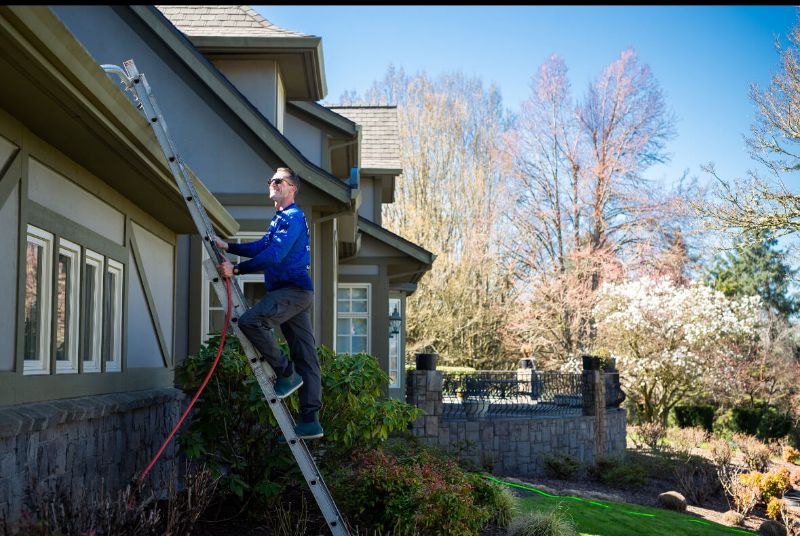
Soft washing uses low-pressure application (below 500 PSI) combined with biodegradable chemical solutions to neutralize contaminants like mold, algae, and dirt at the molecular level. Pressure washing, by contrast, relies on high-velocity water between 1,500 and 4,000 PSI to blast surfaces clean. For siding materials like vinyl, wood, and stucco, that force can crack panels, warp surfaces, and drive moisture behind walls. Choosing the wrong method has real consequences—and there’s more to understand about protecting your siding correctly.
Key Takeaways
-
Soft washing uses low pressure (below 500 PSI) and chemical solutions, while pressure washing relies on high-velocity water at 1,500–4,000 PSI.
-
Pressure washing can force moisture behind siding panels, causing rot, warping, or cracking in vulnerable materials like vinyl and wood.
-
Soft washing’s biodegradable solutions neutralize mold, algae, and dirt at the molecular level without damaging delicate surfaces.
-
Materials like stucco, fiber cement, and vinyl require soft washing, as high pressure can dent, split seams, or erode surfaces.
-
Ignoring proper cleaning methods accelerates UV damage, material degradation, and costly structural repairs over time.
What Is Soft Washing and How Does It Work?
Soft washing is a low-pressure exterior cleaning method that relies on specialized cleaning solutions rather than mechanical force to remove dirt, algae, mold, mildew, and other biological growth from surfaces.
The process delivers cleaning agents through low-pressure nozzles, typically operating below 500 PSI, allowing the solution to penetrate and neutralize contaminants at their source.
Once the solution dwells on the surface, it breaks down organic matter before a gentle rinse removes residue.
Among the core soft washing benefits is its ability to clean effectively without damaging delicate materials like vinyl siding, wood, or stucco.
The eco-friendly solutions used in the process are biodegradable, minimizing environmental impact while still eliminating the organisms responsible for surface degradation.
You get thorough cleaning without risking structural harm, making it a superior choice for maintaining roof longevity and overall home aesthetics.
How Pressure Washing Differs From Soft Washing
While soft washing relies on chemical action, pressure washing depends on high-velocity water force to blast contaminants from surfaces. Equipment typically operates between 1,500 and 4,000 PSI, making it highly effective for dense, hard surfaces like concrete, brick, and stone pavers.
However, when applied to siding maintenance, that same force becomes a liability. High PSI can gouge wood fibers, crack vinyl, force water behind panels, and accelerate surface deterioration. These risks make pressure washing unsuitable for most exterior wall surfaces.
Among the two cleaning techniques, pressure washing excels at stripping stubborn stains and embedded grime from durable horizontal surfaces. But it lacks the precision required for vertical, porous, or moisture-sensitive materials. Knowing this distinction helps you select the right method before any cleaning project begins. Additionally, understanding different surfaces ensures effective cleaning without compromise.
Which Siding Materials Need Soft Washing
Not every siding material tolerates high-pressure water, and choosing the wrong method can cause irreversible damage. Several materials require soft washing to avoid warping, cracking, or surface erosion.
-
Porous and textured surfaces – Stucco siding and fiber cement absorb moisture and debris deeply, making low-pressure chemical cleaning far more effective than high-pressure blasting.
-
Wood and composite materials – Wood siding and composite siding splinter, warp, or delaminate under excessive pressure, requiring a controlled soft wash approach.
-
Lightweight and coated panels – Vinyl siding dents and seam-separates under high PSI, while metal siding loses protective coatings when pressure is misapplied.
Identifying your siding material before cleaning isn’t optional — it’s essential for preserving structural integrity and avoiding costly repairs. Additionally, understanding the unique climate challenges in the Pacific Northwest can further inform the best cleaning methods for your siding.
What High Pressure Actually Does to Siding
High-pressure water doesn’t just clean a surface — it physically alters it. When you apply excessive pressure impact to siding, you’re forcing water into seams, behind panels, and through microscopic surface pores. That trapped moisture accelerates rot, mold growth, and structural deterioration from the inside out.
The mechanical force itself causes direct siding damage. On vinyl, it cracks or warps panels. On wood, it raises the grain and strips protective coatings. On fiber cement, it erodes the surface layer, compromising weather resistance.
Even hardy materials degrade faster when repeatedly exposed to high-pressure streams. Additionally, regular mold removal is crucial for preventing long-term damage that can arise from improper cleaning methods.
You’re not just risking cosmetic harm — you’re shortening your siding’s lifespan. What looks like a thorough clean can quietly set up long-term structural problems that cost considerably more to repair than the original cleaning saved.
When Pressure Washing Is the Right Call
Pressure washing earns its place when you’re working with surfaces built to withstand high-pressure impact — concrete driveways, brick pavers, stone walkways, and masonry walls.
These ideal surfaces respond well to high-pressure water because their density resists surface degradation. The pressure washing benefits here are clear: faster removal of embedded grime, oil stains, and biological buildup.
Use pressure washing confidently for:
-
Concrete driveways and garage floors — strip oil, tire marks, and ground-in dirt efficiently
-
Brick and stone hardscaping — blast out compacted debris from joints and textured surfaces
-
Wooden decks before resealing — remove failing stain and weathered wood fiber effectively
Matching the method to the material is what produces clean results without collateral damage. Additionally, understanding seasonal changes is crucial for planning effective pressure washing schedules to maintain surfaces in optimal condition.
Signs Your Siding Needs a Professional Soft Wash
If you notice green or black streaks across your siding, you’re likely dealing with algae or mold colonies that have taken hold in the surface material.
Faded panels, brownish staining, or a chalky white residue indicate chemical breakdown and biological contamination that standard rinsing won’t resolve.
These are clear signals that your siding needs a professional soft wash to treat the root cause rather than just the surface appearance.
Visible Mold or Algae
One of the clearest signs your siding needs a professional soft wash is the presence of visible mold or algae. These organisms spread quickly and compromise both appearance and surface integrity.
Soft washing targets biological growth at the root level, making it the most effective approach for mold removal and long-term algae prevention.
Watch for these three indicators:
-
Black or green streaking running vertically down siding panels, indicating active algae colonization.
-
Fuzzy or powdery patches appearing in shaded areas, signaling mold establishing beneath the surface layer.
-
Recurring discoloration after standard cleaning, confirming that surface-level washing hasn’t eliminated the biological source.
If you’re noticing any of these signs, delaying treatment accelerates deterioration and increases remediation costs considerably.
Faded or Stained Surfaces
Faded or stained siding signals more than cosmetic wear — it often indicates embedded contamination that standard cleaning methods won’t fully address.
Faded paint frequently results from prolonged exposure to mold spores, algae films, and oxidation, all of which bond to surface substrates and accelerate material breakdown.
Pressure washing alone won’t extract these contaminants — it redistributes them or drives them deeper into porous materials.
Soft washing applies low-pressure water combined with targeted cleaning agents that break down biological and organic staining at the molecular level.
This approach makes genuine surface restoration possible without abrading or fracturing the siding material.
If you’re noticing discoloration that persists after rain or routine rinsing, that’s a reliable indicator that chemical treatment through soft washing is the appropriate intervention.
Chalky Residue Buildup
Chalky residue on siding — that white, powdery film that transfers onto your hand when you run a finger across the surface — is oxidation, and it signals accelerating material degradation.
A chalky surface requires specific cleaning techniques to avoid compounding the damage. High-pressure washing strips protective coatings further and embeds contaminants deeper into compromised material.
Soft washing addresses oxidation through three precise steps:
-
Low-pressure application prevents additional coating removal
-
Surfactant-based solutions break down oxidation at the molecular level
-
Controlled rinsing lifts residue without abrading the substrate
Ignoring chalky buildup accelerates UV damage, color loss, and structural vulnerability.
You’re not just dealing with aesthetics — oxidation indicates your siding’s protective layers are failing, and the right cleaning techniques determine whether you restore or worsen the surface condition.
Frequently Asked Questions
How Long Does Soft Washing Solution Take to Fully Rinse Away?
Soft washing effectiveness peaks when you allow the solution 10–15 minutes of dwell time. Rinse time typically takes 5–10 minutes, ensuring you’ve fully flushed residues from your siding without compromising the cleaning agents’ results.
Is Soft Washing Safe for Homes Near Gardens or Water Features?
Yes, soft washing’s eco-friendly solutions are safe near your garden and water features when applied correctly. You’ll want professionals to pre-wet plants for garden safety and cover water feature protection points before treatment begins.
How Often Should Portland Homeowners Schedule Professional Siding Cleaning Services?
You should schedule professional siding maintenance every one to two years. Portland’s wet climate accelerates moss and algae growth, so you’ll want to adjust your cleaning frequency based on your home’s sun exposure and surrounding vegetation.
Does Soft Washing Remove Graffiti or Only Biological Growth and Dirt?
Soft washing doesn’t effectively handle graffiti removal—it’s designed for biological growth and dirt. For graffiti, you’ll need specialized chemical treatments and targeted pressure techniques that guarantee surface protection without damaging your siding or underlying substrate.
Can Soft Washing Be Performed Safely During Cold or Rainy Weather?
You can perform soft washing in cold or rainy weather with proper cold weather precautions, but rainy day techniques require you to monitor dilution effects on cleaning solutions and avoid freezing temperatures that compromise surfactant performance.
Conclusion
Choosing between soft washing and pressure washing isn’t guesswork — it’s a decision rooted in your siding material, its current condition, and how each method interacts with its surface. Apply the wrong pressure, and you’re trading a cleaning bill for a repair bill. Match the method to the material, and you’re extending your siding’s lifespan while eliminating biological growth at its source. When in doubt, contact Peak Pressure Washing for a professional assessment.