
When pollen and debris coat your solar panels, they create a physical barrier that scatters incoming light and reduces photon conversion rates. Fine pollen oils bond stubbornly to glass, while dust and organic matter compound the problem over time. You can expect energy output to drop between 15% and 25%, with heavily soiled systems losing up to 30%. The type of debris, your local climate, and panel angle all determine how fast efficiency degrades.
Key Takeaways
-
Pollen, dust, and bird droppings create a physical barrier that reduces photon conversion rates and lowers overall energy output.
-
Dirty solar panels typically lose between 15% and 25% of energy output depending on debris type and accumulation duration.
-
Fine pollen particles contain oils that adhere strongly to glass, forming a persistent film that progressively blocks incoming light.
-
Partial shading from debris causes disproportionate efficiency losses across entire panel strings, not just individual affected panels.
-
Heavily soiled systems in climates like Portland’s can experience compounding seasonal contamination, pushing efficiency drops up to 30%.
How Pollen and Debris Block Solar Energy Absorption
When pollen, dust, bird droppings, and leaf debris settle on solar panels, they create a physical barrier between sunlight and the photovoltaic cells beneath.
Pollen composition matters here — fine particles contain oils and proteins that adhere strongly to glass surfaces, making them harder to remove than simple dust.
As layers accumulate, they scatter and absorb incoming light before it reaches the cells, directly reducing photon conversion rates.
Studies show debris impact can cut energy output by 15–25% under heavy accumulation conditions.
Your panels don’t fail mechanically — they’re simply starved of the light they need.
Even partial shading from clustered debris triggers disproportionate efficiency losses across entire panel strings, compounding the performance drop well beyond what the visible buildup might suggest. Regular maintenance maximizes energy production for homeowners, ensuring panels operate at peak efficiency.
How Much Efficiency Do Dirty Solar Panels Actually Lose?
Exactly how much output you lose depends on your environment, panel angle, and how long debris sits undisturbed — but the data points to consistent, measurable degradation.
Studies show dirty panels typically lose between 15% and 25% of their output, with some heavily soiled systems dropping efficiency by up to 30%. The solar panel impact from pollen is particularly severe during spring bloom cycles, when fine particles accumulate rapidly across the surface.
Efficiency factors like tilt angle matter — low-slope panels trap more debris and shed less naturally during rain. Even a thin, barely visible film reduces photon penetration measurably.
In high-pollen or dusty urban environments like Portland, panels can reach significant contamination thresholds within weeks, making regular cleaning a performance issue, not just an aesthetic one. Regular cleaning ensures maximum sunlight exposure and higher energy output, which is crucial for maintaining efficiency.
Which Types of Debris Cause the Most Damage Over Time
Not all debris affects your solar panels equally—organic matter and hard particulates damage surfaces through distinct mechanisms.
Organic debris like moss, algae, and decomposing leaves retains moisture against the panel surface, accelerating microcorrosion and creating biological buildup that compounds over time. Regular cleaning is essential to combat weather-related efficiency losses that can further diminish energy output.
Hard particles—sand, grit, and airborne ash—scratch the anti-reflective coating during wind movement, permanently reducing light transmission even after cleaning.
Organic Debris Builds Up
Organic debris is one of the most damaging categories of buildup that accumulates on solar panels, and certain types degrade efficiency faster than others.
Leaves, bird droppings, pollen, and algae each contribute to organic buildup in distinct ways. Decomposing leaves trap moisture and accelerate oxidation on panel surfaces.
Bird droppings create concentrated shading spots that cause localized hotspots, which stress photovoltaic cells and reduce output by up to 25% per affected cell.
Pollen forms a fine, adhesive film that bonds to glass surfaces during humidity cycles, compounding light blockage over time.
Algae and moss retain moisture continuously, promoting microcracks in panel coatings.
Without consistent solar maintenance, these organic materials compound one another, creating layered contamination that standard rainfall can’t adequately remove.
Hard Particles Scratch Surfaces
Hard particles like sand, grit, and fine gravel represent a distinct damage category—one that doesn’t just block light but physically degrades the panel surface itself.
When wind drives these particles across your panels, they act like fine-grit sandpaper, creating micro-abrasions in the anti-reflective coating. Over time, those scratches scatter incoming light rather than transmitting it, permanently reducing conversion efficiency even after cleaning.
Surface protection becomes critical here because coating damage isn’t reversible. Unlike pollen or organic buildup, scratched coatings can’t be restored through standard cleaning techniques.
That’s why your cleaning approach matters—using low-pressure soft washing with appropriate nozzles prevents additional abrasion during the cleaning process itself. Abrasive brushes or high-pressure streams compound existing damage, accelerating coating degradation faster than the debris alone would.
How Portland’s Climate Makes Solar Panel Buildup Worse
Portland’s wet, overcast climate creates near-ideal conditions for accelerating solar panel buildup. Portland rainfall averages 36 inches annually, and seasonal variations create distinct contamination cycles that compound efficiency losses throughout the year.
Three climate-driven factors intensify debris accumulation on your panels:
-
Spring pollen surges coincide with increased rainfall, creating sticky residue that bonds organic matter directly to panel surfaces.
-
Wet winters promote algae and moss colonization, particularly on panels with low tilt angles that retain standing moisture.
-
Dry summer periods allow accumulated dust and biological debris to harden, making removal increasingly difficult without professional intervention.
These overlapping seasonal patterns mean Portland homeowners face compounding contamination rather than isolated buildup events, accelerating efficiency degradation beyond what most panel manufacturers account for in standard performance estimates. Regular cleaning maximizes solar energy output, ensuring that your panels operate at their best throughout the year.
Can You Clean Solar Panels Yourself Without Causing Damage?
You can clean solar panels yourself using deionized water and a soft brush or squeegee, but you risk micro-scratching the anti-reflective coating with abrasive tools or hard tap water minerals, permanently reducing light transmittance.
Avoid high-pressure streams, harsh detergents, and metal scrapers, as each can crack cells, degrade seals, or void manufacturer warranties.
When buildup includes heavy moss, bird droppings, or lichen, professional cleaning guarantees chemical compatibility with panel coatings and eliminates the safety risks of rooftop work. Additionally, regular inspections help identify potential issues early, ensuring optimal performance and longevity of your solar system.
DIY Risks To Panels
Cleaning solar panels yourself might seem straightforward, but the risks of causing damage are higher than most homeowners expect.
Using the wrong diy tools or skipping basic cleaning safety protocols can degrade panel performance faster than the debris you’re trying to remove.
Three common DIY risks include:
-
Abrasive materials — Scrubbing pads or stiff brushes scratch anti-reflective coatings, permanently reducing light absorption efficiency by up to 10%.
-
High-pressure water — Incorrect pressure levels force water beneath panel frames, compromising seals and triggering electrical faults.
-
Harsh chemical cleaners — Unapproved solutions etch glass surfaces and void manufacturer warranties, creating long-term performance losses.
Each mistake compounds over time, turning a simple maintenance task into a costly repair or premature panel replacement.
Safe Cleaning Methods
Despite those risks, safe DIY cleaning is possible if you follow manufacturer-approved methods and use the right equipment.
Use a soft-bristle brush or microfiber cloth paired with a low-pressure garden hose — never exceed 40 PSI directly on panel surfaces. Eco-friendly solutions like diluted dish soap or purpose-formulated panel cleaners effectively dissolve pollen, dust, and organic residue without degrading anti-reflective coatings.
Clean early morning or late evening when panels are cool; thermal shock from cold water on heated glass can cause microcracks. Distilled water minimizes mineral deposits that reduce transmittance over time.
Safe techniques also require you to avoid abrasive pads, harsh solvents, and high-pressure nozzles. Following these protocols protects your panels’ efficiency ratings and preserves manufacturer warranties throughout their 25-year operational lifespan.
When Professionals Help
While DIY cleaning works for accessible, single-story installations, certain conditions make professional intervention the smarter, safer choice.
Professional cleaning becomes necessary when:
-
Roof pitch exceeds 4:12 — steep angles create serious fall risks that outweigh any efficiency gains from self-cleaning.
-
Soiling involves biological growth — moss, lichen, or algae require chemical treatment protocols that DIY methods typically can’t execute without voiding manufacturer warranties.
-
Panel output has dropped 20% or more — significant efficiency loss often signals soiling beyond surface debris, requiring diagnostic assessment alongside cleaning.
For solar panel maintenance in Portland’s wet climate, professionals bring specialized equipment, proper detergents, and safe access systems.
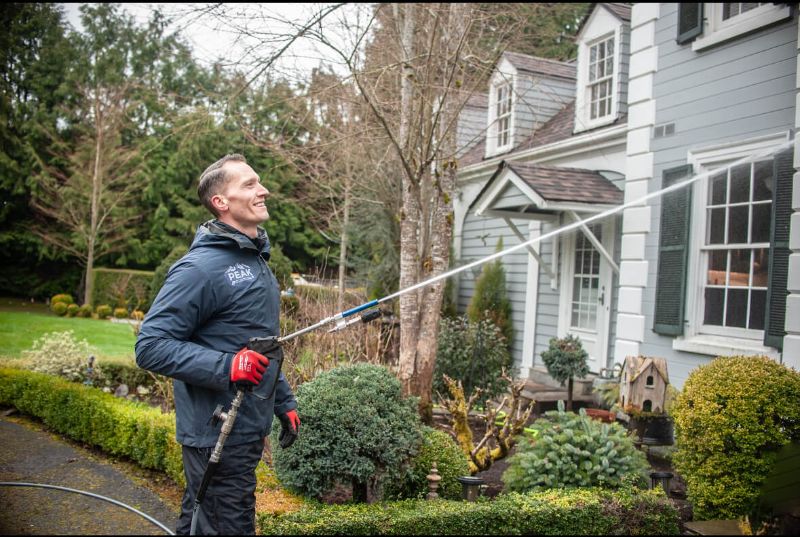
Peak Pressure Washing delivers professional cleaning that restores panel output without risking surface damage or personal injury.
When to Call a Professional for Solar Panel Cleaning
Some debris and buildup require professional intervention rather than a DIY approach. If your panels have heavy moss growth, hardened mineral deposits, or significant soiling across a large array, professional cleaning delivers measurable results standard rinsing can’t achieve.
Professionals use calibrated low-pressure systems and specialized surfactants that dissolve stubborn contaminants without damaging anti-reflective coatings or voiding manufacturer warranties.
You should also consider professional solar panel maintenance if your system is roof-mounted at a steep pitch, creating genuine fall risk. Studies show heavily soiled panels lose 25–30% efficiency, making the ROI on professional cleaning straightforward to calculate.
Scheduling routine professional cleaning once or twice annually keeps degradation minimal and production consistent. Peak Pressure Washing provides solar panel cleaning across Portland and surrounding communities, restoring output efficiently and safely.
Frequently Asked Questions
Does Solar Panel Cleaning Void the Manufacturer’s Warranty?
Cleaning your solar panels won’t void your warranty if you use approved cleaning methods. Most manufacturers’ warranty coverage requires gentle, non-abrasive techniques—exactly what professional services like Peak Pressure Washing apply to protect your panels safely.
How Often Should Portland Homeowners Schedule Professional Solar Panel Cleaning?
Schedule professional solar panel cleaning twice yearly in Portland. You’ll want spring cleanings to address pollen impact after bloom season, and fall cleanings before winter. This cleaning frequency maintains peak energy output and prevents efficiency losses from debris buildup.
Will Cleaning Solar Panels Lower My Monthly Electricity Bill Noticeably?
Yes, you’ll notice a measurable reduction in your monthly electricity bill. Clean panels restore lost efficiency, directly boosting energy savings. Regular cleaning keeps maintenance costs low while maximizing the output you’re already paying for.
Does Rain Naturally Clean Solar Panels Enough Between Professional Cleanings?
Rain frequency matters, but it doesn’t fully clean your panels. Light rain can’t remove sticky pollen impact residue or compacted debris. You’ll still need professional cleanings to maintain peak energy output and efficiency.
Are There Insurance Benefits to Keeping Solar Panels Professionally Maintained?
Some insurers reduce your premiums or honor claims more readily when you document professional upkeep. Regular cleanings lower long-term maintenance costs, and verified insurance coverage often requires proof of routine care to validate solar panel damage claims.
Conclusion
Dirty solar panels aren’t just an aesthetic problem—they’re a measurable performance issue. You’re likely losing 15 to 25 percent of your system’s output capacity when pollen, debris, and biological growth accumulate across your panels. Portland’s wet winters and heavy spring pollen seasons accelerate that buildup faster than most climates. You’ll protect your investment, shorten your payback period, and maintain peak energy output by scheduling regular professional cleanings throughout the year.