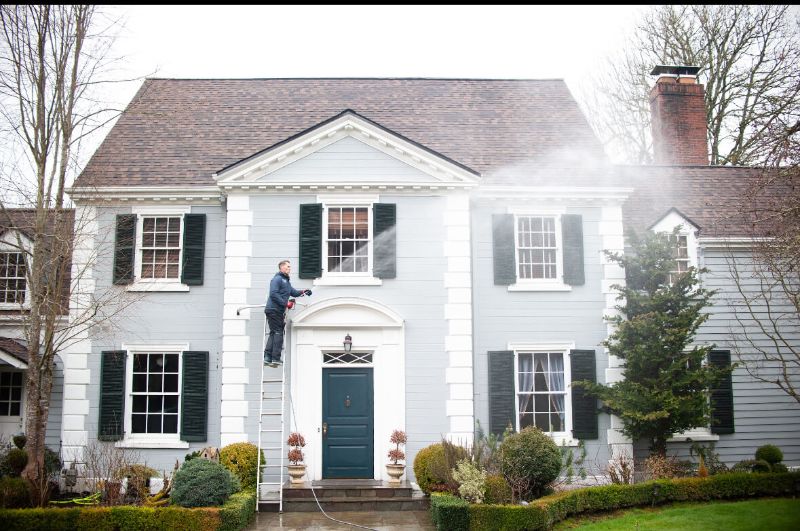
When you hire a professional pressure washer, runoff water carries dirt, mold, algae, and chemical residue across your property and toward storm drains, ditches, or landscaping. Unlike municipal water systems, storm drains don’t filter or treat what enters them, meaning contaminants can reach local waterways untreated. Reputable professionals use barriers, collection mats, and controlled spray angles to manage this flow responsibly. There’s much more to understand about how these practices protect both your property and the environment.
Key Takeaways
-
Pressure washing runoff carries contaminants like dirt, mold, and algae, which can flow into storm drains and harm local waterways.
-
Professionals assess drainage points beforehand, using strategic spray angles and physical barriers to control and contain runoff.
-
The Clean Water Act regulates polluted runoff discharge, requiring professionals to follow proper wastewater containment and disposal procedures.
-
Harsh chemical detergents break down slowly and can damage aquatic ecosystems, while biodegradable solutions neutralize quickly and reduce environmental risk.
-
When hiring a pressure washing company, verify their runoff containment practices, use of eco-friendly solutions, and local regulatory compliance.
Where Does Runoff Water Actually Go?
When you pressure wash your home or driveway, that water doesn’t just disappear — it travels somewhere, and understanding where matters.
Runoff flows across hard surfaces like concrete, asphalt, and pavement, carrying loosened dirt, algae, mold, detergents, and debris along with it. From there, it typically drains into storm gutters, ditches, or nearby landscaping.
Unlike wastewater from your home, storm drain systems in most municipalities don’t route water through a treatment facility. That means whatever enters those drains goes directly into local waterways without water filtration.
Proper runoff management isn’t optional — it’s a responsibility. Professional pressure washing companies like Peak Pressure Washing account for where runoff travels before the job starts, ensuring cleaning solutions and contaminants don’t end up where they can cause environmental harm. Understanding how gutter maintenance affects runoff can further enhance responsible cleaning practices.
How Professionals Control Runoff on Your Property
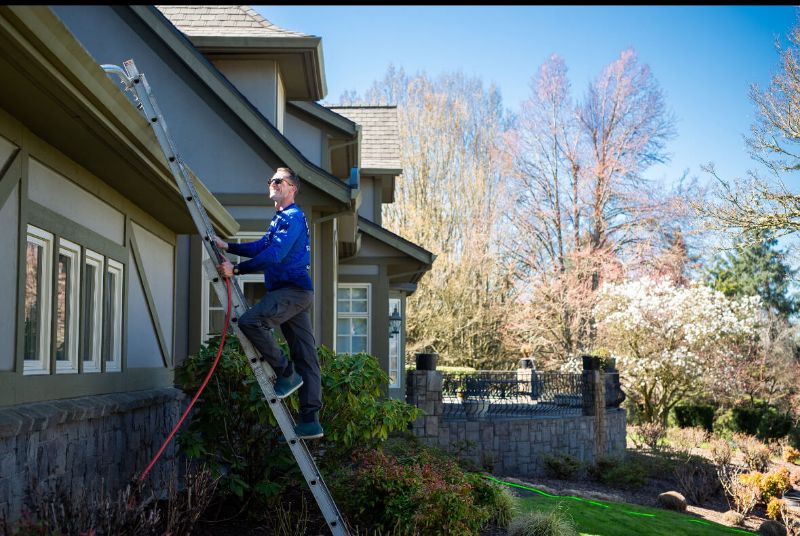
When you hire a professional pressure washing crew, they don’t just point a wand and hope for the best—they actively direct water flow away from vulnerable areas like foundations, landscaping beds, and drainage inlets.
Pros use strategic positioning, controlled spray angles, and physical barriers to guide runoff toward safe collection points. They also capture loosened debris and sediment before it migrates into storm drains or contaminates surrounding surfaces. This careful management is essential for maintaining the integrity of homes, ensuring that the cleaning process does not inadvertently cause damage or create additional issues.
Directing Water Flow Strategically
Controlling where water goes during a pressure washing job isn’t an afterthought—it’s a core part of the process. Professionals assess your property’s slope, drainage points, and surrounding features before work begins.
From there, they apply water diversion techniques that guide runoff away from landscaping, foundation edges, and sensitive hardscaping. They’ll angle their approach, adjust spray patterns, and work in deliberate sequences to prevent water from pooling or migrating where it shouldn’t.
These runoff management strategies also account for neighboring properties and storm drains, ensuring compliance with local environmental guidelines. You won’t see water sheeting across your driveway uncontrolled or flooding flower beds.
Every decision—where to start, where to finish, how to angle the wash—reflects a disciplined approach to keeping your property clean without creating new problems.
Containing Debris and Sediment
Debris and sediment are inevitable byproducts of pressure washing—loosened dirt, algae, moss fragments, and grime have to go somewhere once they’ve been blasted off a surface.
Professionals handle debris containment by positioning barriers, using collection mats, or manually redirecting runoff toward designated drainage points before work begins.
Sediment management becomes especially critical on properties near storm drains, where untreated discharge can violate local environmental regulations.
Rather than letting particulate matter flow freely across your driveway or into your landscaping, technicians contain it at the source.
They’ll often pre-sweep surfaces, collect heavier debris by hand, and flush remaining sediment toward compliant disposal areas.
This approach protects your surrounding landscape, keeps neighboring properties clean, and guarantees the job meets both professional and environmental standards.
The Environmental Risks of Unmanaged Pressure Washing Runoff
When pressure washing runoff flows off your property unmanaged, it carries contaminants like detergents, mold spores, algae, heavy metals, and oil directly into storm drains and local waterways.
Unlike municipal wastewater systems, storm drains don’t filter or treat what enters them, meaning those pollutants reach rivers, streams, and wetlands largely intact.
Once in aquatic environments, these chemicals disrupt oxygen levels, harm fish and invertebrates, and accelerate algae blooms that further degrade water quality. Additionally, storm drains in Portland discharge untreated water to rivers and streams, exacerbating the pollution problem.
Contaminants Entering Local Waterways
Pressure washing runoff doesn’t just disappear—it carries a concentrated mix of contaminants directly into storm drains, which in the Portland metro area flow untreated into local rivers, streams, and wetlands.
Without proper runoff treatment, these contaminant sources introduce harmful substances into ecosystems that can’t easily recover.
Common pollutants carried by unmanaged runoff include:
-
Moss and algae treatments containing biocides that kill aquatic organisms
-
Detergents and surfactants that strip oxygen from water and disrupt fish habitats
-
Heavy metals and petroleum residues washed from driveways and parking surfaces
-
Sediment and organic debris that increases turbidity and smothers aquatic plant life
You’re not just cleaning a surface—you’re redirecting everything on it somewhere else.
That responsibility matters.
Ecological Impact on Aquatic Life
Once contaminants enter local waterways, the damage to aquatic ecosystems unfolds quickly and compounds over time. Detergents, heavy metals, and organic waste reduce oxygen levels in the water, creating conditions that suffocate fish, invertebrates, and plant life.
Algae blooms triggered by nutrient-rich runoff block sunlight and further deplete oxygen, accelerating the collapse of aquatic habitats.
Chemical exposure doesn’t just kill organisms outright—it disrupts reproduction, impairs immune function, and weakens entire food chains. Even low concentrations of surfactants found in common cleaning agents are toxic to amphibians and aquatic insects.
When you hire a pressure washing company that doesn’t manage runoff responsibly, your property cleaning contributes directly to these outcomes. The ecological consequences extend far beyond your driveway or roofline.
Local Regulations That Govern Pressure Washing Wastewater
Runoff from pressure washing isn’t just a nuisance—it’s a regulated byproduct that property owners and contractors must manage responsibly.
Wastewater management and regulatory compliance aren’t optional—they’re legally required in most municipalities, including Portland.
Key regulations you should know:
-
Clean Water Act: Prohibits discharge of polluted runoff into storm drains or waterways without proper permits
-
Local MS4 Permits: Portland’s stormwater system requires contractors to contain and properly dispose of wastewater
-
EPA Guidelines: Mandate that wash water containing detergents, oils, or debris gets captured before reaching drainage systems
-
Oregon DEQ Standards: Enforce wastewater containment protocols specific to commercial and residential cleaning operations
Hiring a licensed, insured contractor like Peak Pressure Washing guarantees your project stays compliant while protecting Portland’s waterways from harmful contaminants. Additionally, effective wastewater management practices are essential for minimizing environmental impact and maintaining adherence to local regulations.
How Eco-Friendly Cleaning Solutions Affect Runoff Safety
The cleaning solutions a contractor uses directly shape how safe your runoff is for the surrounding environment. Harsh chemical detergents break down slowly, travel through stormwater systems, and damage aquatic ecosystems.
Eco-friendly solutions, by contrast, use biodegradable formulas that neutralize quickly once they contact soil or water, markedly reducing environmental impact.
When a professional applies eco-friendly solutions during a job, runoff management becomes more straightforward. Lower toxicity means less risk if wastewater reaches a storm drain before it’s fully contained.
That said, biodegradable doesn’t mean harmless in large volumes, so proper containment still matters. Additionally, using eco-conscious methods ensures that property cleaning does not compromise environmental health.
At Peak Pressure Washing, we use environmentally responsible products that protect your property without compromising local waterways, giving you results that are both effective and conscientious.
What to Ask Your Pressure Washing Company About Runoff?
Knowing that eco-friendly solutions reduce runoff risk is a good start, but you still need to verify that your contractor handles wastewater responsibly from start to finish.
Ask direct questions before hiring anyone. The right company will answer confidently and demonstrate a clear understanding of runoff management and pressure washing standards.
Ask your contractor:
-
How do you contain or redirect runoff on my property?
-
Are your cleaning solutions biodegradable and safe near storm drains?
-
Do you comply with local wastewater regulations in Portland and surrounding areas?
-
Are you licensed and insured, and can you document your practices?
These questions filter out careless operators fast.
A qualified company won’t hesitate—they’ll back every answer with process and proof.
Frequently Asked Questions
Can Pressure Washing Runoff Damage My Lawn or Garden Plants?
Yes, runoff toxicity can harm your lawn and garden plants if harsh chemicals are used. We prioritize plant safety by using eco-friendly cleaning solutions that won’t damage your vegetation during any pressure washing service.
How Long Does Runoff Water Take to Fully Dissipate After Cleaning?
Runoff evaporation rates vary, but you’ll typically see dissipation within a few hours on sunny days. Weather, surface type, and environmental impact all influence the timeline, so shaded or porous areas may take longer to fully clear.
Does Rainy Portland Weather Affect How Professionals Manage Runoff?
Yes, Portland’s rain absolutely affects how professionals handle runoff containment. They’ll adjust their weather adaptations by timing jobs around precipitation, modifying drainage strategies, and ensuring runoff doesn’t overwhelm storm systems during wet conditions — protecting both your property and the environment.
Is Runoff From Roof Cleaning Different Than Runoff From Concrete?
Yes, roof cleaning runoff carries moss, algae, and chemical treatments, while concrete runoff contains oil, grease, and sediment. You’ll find each requires different containment methods to prevent these distinct contaminants from reaching storm drains or landscaping.
Can I Request a Runoff Management Plan Before My Appointment?
Yes, you can absolutely request a runoff management plan before your appointment. Peak Pressure Washing’s team will walk you through their approach to runoff regulations and water conservation practices, ensuring you’re fully informed before work begins.
Conclusion
Runoff might seem like a minor detail, but it tells you a lot about how seriously a pressure washing company takes its work. When you hire a professional who controls wastewater, uses biodegradable solutions, and follows local regulations, you’re protecting your landscaping, your neighbors, and Portland’s waterways. Don’t overlook this part of the conversation. Ask the right questions before the job starts, and you’ll know you’ve chosen a crew that’s doing things the right way.