

Peak Pressure Washing protects your landscaping by combining precise water management, low-pressure soft washing techniques, and biodegradable cleaning solutions during every visit. Technicians angle spray nozzles away from garden beds, feather water flow near borders, and keep cleaning pressures below 500 PSI around delicate plants. Pre-service assessments identify vulnerable areas before work begins, and protective sheeting shields sensitive foliage when necessary. Keep going to see exactly how each method works together.
Key Takeaways
-
Peak Pressure Washing uses soft washing techniques below 500 PSI near garden beds to prevent mechanical damage to delicate plants.
-
Biodegradable, low-toxicity detergents neutralize on contact with plant tissue, leaving no harmful residues in soil or on foliage.
-
Spray nozzles are angled away from garden beds, with water feathered near borders to prevent saturation and runoff damage.
-
A pre-service assessment identifies vulnerable plants, with protective sheeting applied and surrounding soil wetted to dilute chemical contact.
-
Equipment is continuously repositioned between passes, and runoff paths are monitored in real time to protect root zones.
Why Landscaping Is at Risk During Pressure Washing
Pressure washing equipment operates at high PSI levels that can strip bark, shred delicate foliage, and uproot shallow-rooted plants when water streams make direct or indirect contact with landscaping.
These pressure washing risks extend beyond physical force. Runoff carrying concentrated detergents, dislodged mold spores, and accumulated contaminants can saturate soil and chemically damage root systems.
Hardscape edges bordering garden beds create natural channels that direct high-volume water flow directly into planted areas. Mulch displacement exposes root systems to both mechanical erosion and chemical exposure.
Overhead spray from house washing can coat leaf surfaces with cleaning agents, disrupting photosynthesis.
Understanding landscaping damage requires recognizing that both direct water contact and chemical runoff contribute to deterioration, making protective protocols essential before any cleaning work begins. Additionally, the importance of regular inspections ensures that potential problems are identified early, further protecting your landscaping during maintenance activities.
How We Control Water Direction Around Plants and Beds
Controlling where water goes during a pressure washing job is just as important as controlling the pressure itself. Our technicians use deliberate water management techniques to direct runoff away from plant beds, root zones, and delicate foliage throughout every job.
Specific plant protection methods we apply include:
-
Angling spray nozzles away from beds to push water toward hardscape drainage points.
-
Feathering water flow near garden borders to prevent saturation and chemical pooling.
-
Repositioning equipment between passes to eliminate concentrated runoff into vulnerable soil zones.
These aren’t accidental outcomes — they’re calculated decisions made in real time. You shouldn’t have to worry about whether your hydrangeas or boxwoods will survive a routine cleaning.
We make sure they do. Additionally, our approach aligns with gutter functionality, ensuring that water is efficiently channeled away from your landscaping.
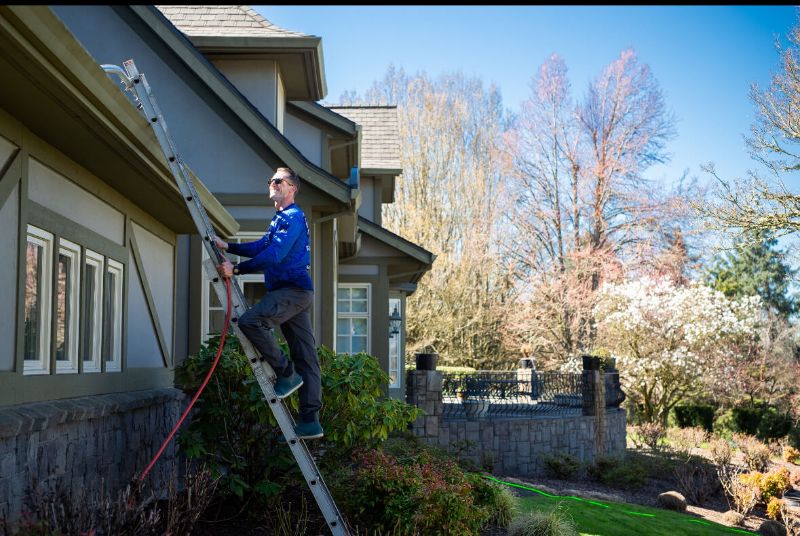
The Low-Pressure Techniques That Keep Gardens Safe
When cleaning near garden beds, flower borders, or delicate shrubs, we rely on low-pressure soft washing techniques rather than high-PSI stream blasting.
Soft washing delivers cleaning solutions at pressures typically below 500 PSI, eliminating the mechanical force that shreds foliage, displaces mulch, and exposes root systems.
We adjust nozzle selection, standoff distance, and spray angle based on each plant’s proximity to the target surface.
Gentle cleaning with diluted, biodegradable solutions breaks down algae, mold, and grime without saturating soil or chemically stressing root zones.
Plant safety remains a measurable priority throughout each service phase, not an afterthought.
You’ll see technicians working methodically around your landscaping, treating each plant zone as a boundary that guides technique selection rather than an obstacle to work around. Additionally, we communicate concerns about delicate siding to further ensure that your landscaping is well protected during the process.
Eco-Friendly Cleaning Solutions That Won’t Harm Your Yard
When Peak Pressure Washing treats your exterior surfaces, they apply biodegradable cleaning solutions specifically formulated to break down organic matter without leaving harmful residues in your soil. These solutions neutralize on contact with plant tissue, meaning your shrubs, flower beds, and lawn stay protected throughout the cleaning process. You can expect a thorough clean that doesn’t compromise the health of your landscaping. Additionally, these eco-conscious methods protect ecosystems by ensuring that runoff does not pollute local waterways.
Biodegradable Solutions Used
Keeping your landscaping intact during a pressure washing service starts with the cleaning solutions used on your property.
Peak Pressure Washing uses biodegradable detergents formulated to break down safely after application, eliminating risks to your soil, plants, and root systems. Environmental safety isn’t an afterthought — it’s built into every product selection decision.
These solutions deliver results without leaving harmful residues behind.
Here’s what that means for your property:
-
Your garden beds stay protected from chemical contamination that kills beneficial soil organisms
-
Your grass retains its health because runoff won’t carry toxic compounds into root zones
-
Your trees and shrubs survive intact since low-toxicity formulas won’t damage leaf tissue or bark
Every solution used meets strict biodegradability standards before it touches your property.
Safe for Plants
Biodegradable formulas protect your soil chemistry, but plant safety goes further than what breaks down in the ground — it starts with what lands on leaves, stems, and root zones during application.
Peak Pressure Washing technicians pre-wet surrounding vegetation before applying any cleaning solution, which dilutes surface contact and reduces chemical absorption through stomata.
Post-application rinse protocols flush residual solution away from root zones, preventing localized concentration buildup.
Surfactant concentrations stay calibrated specifically to avoid phytotoxic thresholds, so foliage exposure doesn’t trigger cellular damage or wilting.
This level of landscaping care means your shrubs, flower beds, and ground cover remain structurally intact throughout the entire service.
Every application decision prioritizes plant safety without compromising the cleaning performance your exterior surfaces actually require.
Pre-Service Steps We Take to Shield Vulnerable Plants
Before our crew begins any exterior cleaning job, we take deliberate steps to protect your landscaping from chemical exposure and physical damage. Our pre-cleaning assessment identifies every vulnerable plant, shrub, and garden bed within the work zone.
This structured approach to plant protection guarantees nothing gets overlooked before chemicals or equipment enter the space.
We consistently execute three protective measures before starting:
-
Wet down surrounding soil and foliage to dilute any chemical contact
-
Cover delicate plants and flower beds with protective sheeting when necessary
-
Redirect spray angles and nozzle pressure away from root zones and exposed stems
These steps aren’t optional — they’re standard protocol. Your landscaping represents real investment and care, and we treat it with the precision that reflects that.
What to Expect From a Landscape-Conscious Cleaning Visit
When our crew arrives for a landscape-conscious cleaning visit, you’ll notice a structured sequence of actions designed to protect your property from start to finish.
We begin with a walkthrough to identify plant beds, irrigation lines, and vulnerable ground cover near the work zones. We then apply pre-wetting protocols and install protective barriers before initiating any cleaning techniques.
Throughout the process, we adjust pressure settings, nozzle angles, and chemical dilutions based on surface proximity to vegetation. Runoff paths are monitored continuously to redirect wastewater away from root zones.
Every phase integrates landscape preservation into the technical execution, not as an afterthought, but as a core operational standard. This commitment parallels the importance of clean gutters in maintaining the health of your home’s exterior.
You’ll see deliberate, methodical movement across your property that prioritizes both surface cleanliness and plant health simultaneously.
Frequently Asked Questions
Do You Offer Seasonal Scheduling to Protect Plants During Growth Periods?
We’ll work with you on seasonal considerations to schedule services around your plant growth cycles, ensuring treatments happen at ideal times to minimize stress on your landscaping and protect vulnerable vegetation effectively.
Can You Clean Near Newly Planted or Recently Transplanted Landscaping?
Yes, we can clean near newly planted or transplanted landscaping. We’ll adjust pressure washing techniques and water flow to prioritize landscape safety, ensuring delicate root systems and fragile new growth aren’t disturbed during the process.
What Happens if a Plant Is Accidentally Damaged During the Service?
If accidental damage occurs, we’ll conduct a thorough damage assessment immediately and document the affected plants. We’ll then discuss plant recovery options with you and take responsibility for resolving the situation professionally and transparently.
Do You Move Potted Plants or Outdoor Decor Before Starting Work?
Yes, we’ll relocate your potted plants and address outdoor decor considerations before beginning work. You can trust our team to systematically clear the area, ensuring potted plant safety and protecting your belongings from water pressure and cleaning solutions.
Are Your Landscaping Protection Methods the Same for Commercial Properties?
Yes, we apply the same landscape maintenance protocols to commercial properties, but we’ll also account for commercial considerations like larger plant beds, irrigation systems, and high-traffic areas to guarantee your exterior vegetation stays fully protected.
Conclusion
When you hire Peak Pressure Washing, you’re getting a structured, deliberate process engineered to protect every plant, bed, and lawn section on your property. From pre-service shielding to controlled water direction and biodegradable solutions, each step follows a defined protocol that eliminates guesswork. You don’t have to choose between a clean exterior and a protected landscape — Peak’s methodology delivers both, precisely and consistently, on every visit throughout Portland and surrounding communities.