

Both methods use a motorized pump to force water through a narrow nozzle at high velocity, but here’s the key distinction: power washing heats water to 180°F–200°F, while pressure washing uses ambient temperature water. That temperature difference determines which surfaces you can safely clean and how effectively you’ll remove grease, oil, moss, and grime. Choose the wrong method, and you risk warping wood or cracking mortar. Keep going to find out exactly which method your surfaces need.
Key Takeaways
-
Power washing uses heated water (180°F–200°F), while pressure washing uses unheated, ambient-temperature water to clean surfaces.
-
Heat makes power washing more effective against grease, oil, and heavy biological buildup on hard surfaces.
-
Pressure washing is safer for delicate surfaces like wood, vinyl siding, solar panels, and windows.
-
Using the wrong method risks damage, including warped wood, buckled vinyl, stripped paint, or cracked mortar.
-
Both methods use motorized pumps and interchangeable nozzles, but the key difference is temperature, not pressure.
How Power Washing and Pressure Washing Actually Work
Both power washing and pressure washing rely on the same core mechanism: a motorized pump forces water through a narrow nozzle to generate a concentrated, high-velocity stream capable of stripping away dirt, grime, and biological growth from exterior surfaces.
The key difference lies in temperature. Power washing heats the water, typically between 180°F and 200°F, before delivering it to the surface. That thermal energy makes it more effective against grease, oil, and stubborn biological buildup.
Pressure washing uses unheated water, relying entirely on mechanical force.
Both cleaning techniques adjust output through interchangeable nozzles that control spray angle and intensity.
Additionally, choosing the correct method is crucial for surface protection to ensure an effective and safe cleaning process tailored to specific materials like concrete, wood, siding, or pavers.
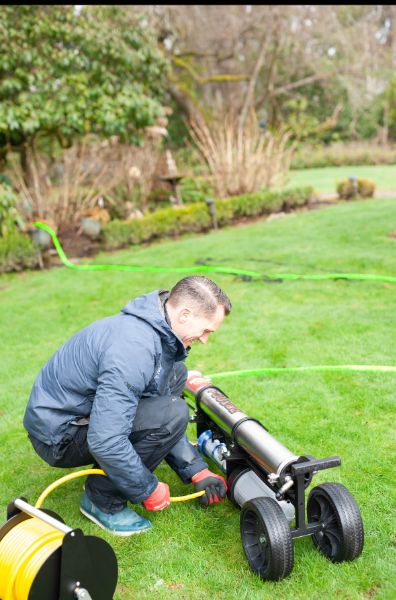
The One Key Difference Between Them
The one factor that separates power washing from pressure washing is heat: power washing heats the water before it exits the nozzle, while pressure washing uses water at ambient temperature. That single difference in water temperature changes what each method can effectively clean and which surfaces you should use them on. Additionally, pressure washing is an effective method for removing mold and algae, making it ideal for maintaining roof health.
Heat Sets Them Apart
Despite sharing similar equipment and techniques, power washing and pressure washing differ in one fundamental way: temperature.
Power washing uses heated water, typically reaching temperatures between 180°F and 330°F, while pressure washing relies solely on cold or ambient-temperature water at high velocity.
Heat application makes power washing considerably more effective at dissolving grease, oil, and stubborn biological contaminants like mold, algae, and moss. The temperature effects break down molecular bonds in grime faster and more thoroughly than cold water alone can achieve.
Pressure washing, by contrast, removes surface dirt and debris through water force rather than thermal action. You’ll get strong cleaning results, but without heat, deeply embedded stains and heavy organic buildup require more effort to eliminate.
Understanding this distinction helps you choose the right method for your specific cleaning needs.
Same Pressure, Different Results
When you strip away the terminology, power washing and pressure washing operate on the same mechanical principle: high-velocity water delivered through a nozzle at equivalent PSI levels.
The distinction isn’t mechanical force — it’s temperature. Power washing introduces heated water into the equation, while pressure washing relies solely on cold water at high velocity.
That single variable produces meaningfully different results across surface types. Heat breaks down grease, oil, and biological growth more efficiently than cold water alone, making power washing the stronger choice for heavily contaminated commercial surfaces.
Pressure washing handles most residential cleaning techniques effectively without the added thermal component.
Understanding this distinction helps you select the right method for your specific surface — preventing unnecessary damage while achieving thorough, lasting results.
Which Surfaces Need Power Washing vs. Pressure Washing?
Choosing the right method depends on the surface material and the type of buildup you’re dealing with.
Power washing works best on hard, durable surface types like concrete driveways, brick walkways, and stone retaining walls where heat accelerates the breakdown of grease, oil, and compacted grime. It’s particularly effective when cleaning materials include industrial residues or heavy organic growth.
Pressure washing suits more sensitive surfaces like wood decking, vinyl siding, roof shingles, and painted fences. These cleaning materials respond poorly to heat and can warp, crack, or strip under thermal exposure. You’ll also want cold-water pressure washing for solar panels and windows where temperature fluctuations cause damage.
Additionally, ensuring easy access to outdoor faucets can significantly enhance the efficiency of the pressure washing service. Matching your method to your surface protects the material while delivering an effective, thorough clean.
When Pressure Washing Is the Safer Choice
Pressure washing is the safer choice for surfaces that react poorly to heat or where thermal stress can cause irreversible damage.
When you’re dealing with delicate surface types, skipping the heat eliminates a major risk factor. Following proper safety precautions means matching your method to the material.
Pressure washing works best for:
-
Wood decks and fences — heat warps wood fibers, raises grain, and strips protective sealants prematurely
-
Vinyl siding and window frames — hot water softens and distorts PVC, causing panels to buckle or warp permanently
-
Painted surfaces — thermal exposure accelerates paint failure, lifting edges and creating entry points for moisture
When you choose pressure washing for these surface types, you protect both the material and your investment. Additionally, regular roof cleaning can help prevent harmful buildup of moss and algae, which further enhances the longevity of your home’s exterior surfaces.
Can You Damage Your Property by Choosing Wrong?
Mismatching your cleaning method to the surface can cause damage that’s either costly to repair or entirely irreversible. High-pressure streams strip paint, etch wood grain, crack mortar, and fracture aging concrete.
Heat from power washing can warp vinyl siding or drive moisture deeper into porous materials. Your property condition directly determines which cleaning techniques are appropriate—what works on a concrete driveway will destroy a cedar deck.
Soft, older, or previously damaged surfaces require lower pressure and gentler chemical application. Harder, heavily soiled surfaces can tolerate more aggressive treatment.
Skipping this assessment isn’t just a minor oversight; it can void surface warranties, accelerate deterioration, and create structural vulnerabilities. Choosing the wrong method doesn’t just fail to clean your property—it actively works against it. Additionally, understanding cleaning effectiveness is crucial in selecting the right approach to avoid unintended damage.
Which Service Does Your Portland Home Actually Need?
To choose the right service, you’ll need to assess your home’s specific surfaces, the type and severity of buildup you’re dealing with, and the climate conditions Portland regularly throws at your property.
Moss, algae, and mildew thrive in the Pacific Northwest’s wet, overcast environment, which means matching the correct service to your damage type isn’t just a preference — it’s a practical necessity.
Once you understand what your surfaces can handle and what the buildup actually requires, selecting between power washing and pressure washing becomes a straightforward, informed decision. Additionally, engaging trained professionals can ensure the selection of the most effective techniques tailored to your specific needs.
Assessing Your Home’s Surfaces
How do you know which cleaning method your home actually needs? Start by evaluating your surface types and their material sensitivity. Different materials respond differently to heat and pressure, so selecting the wrong method risks permanent damage.
Consider these common surface scenarios:
-
Weathered wood decking with embedded mildew requires controlled pressure to avoid splintering or fiber damage.
-
Concrete driveways with oil stains and heavy organic buildup benefit from power washing‘s heated water to break down stubborn residue.
-
Vinyl siding or painted surfaces demand lower PSI and temperature-sensitive approaches to prevent warping or peeling.
Walk your property and note where moss, algae, or staining concentrate. That assessment directly determines whether standard pressure washing or power washing’s added heat is the right solution.
Matching Service To Damage
Once you’ve assessed your surfaces, the next step is matching the specific damage type to the right cleaning method. Different damage types require different approaches, and using the wrong one risks surface deterioration.
For oil stains, chewing gum, or heavy grease on concrete, power washing’s heated water breaks down hydrocarbon bonds more effectively than cold-pressure alone.
For moss, algae, and mildew on wood siding or roof shingles, pressure washing combined with soft wash chemical treatment protects delicate surface conditions while eliminating biological growth.
Driveways and sidewalks with embedded grime respond better to power washing.
Painted surfaces, vinyl siding, and cedar decking demand controlled PSI pressure washing to prevent stripping or splintering.
Matching method to damage type isn’t optional—it’s what separates effective cleaning from costly repairs.
Portland’s Climate Considerations
Portland’s wet climate creates ideal conditions for moss, algae, mildew, and biological growth to accumulate on exterior surfaces year-round.
High humidity levels accelerate moss growth on roofs, driveways, and siding, making routine exterior cleaning essential rather than optional.
Choose your method based on surface conditions:
-
Moss-covered roof shingles — soft washing with low pressure prevents granule loss while eliminating biological growth at the root
-
Algae-stained concrete driveways — high-pressure washing cuts through dense organic buildup embedded in porous surface material
-
Mildew-streaked vinyl siding — soft washing with eco-friendly detergents removes staining without warping or cracking panels
Portland’s persistent rainfall means surfaces rarely dry completely between storms, compounding buildup faster than drier climates.
Selecting the correct method protects your investment long-term.
Frequently Asked Questions
How Much Does Power Washing Typically Cost Compared to Pressure Washing?
You’ll find costs are similar between both methods, but cost factors like surface type and size influence pricing. Service providers may charge slightly more for power washing due to heating equipment requirements.
How Long Does a Standard Power or Pressure Washing Job Take?
Most jobs take 1–4 hours, depending on surface types and cleaning efficiency. You’ll find smaller driveways wrap up faster, while full house washes or large commercial areas naturally demand more of your time.
Are the Cleaning Solutions Used Eco-Friendly and Pet-Safe?
Yes, we use eco-friendly solutions that won’t harm your landscaping or animals. Our pet safe practices guarantee your yard stays protected throughout the cleaning process, giving you confidence in every wash we perform.
How Often Should Portland Homeowners Schedule Professional Exterior Washing Services?
You should schedule professional exterior maintenance schedules at least once or twice yearly. Follow seasonal cleaning tips by washing in spring to remove winter buildup and fall to prep surfaces before Portland’s heavy rain season begins.
Do I Need to Be Home During the Power or Pressure Washing Service?
You don’t need to be home, but guarantee someone’s communicated your property’s access points and safety precautions beforehand. Our technicians handle all equipment requirements independently, so you can confidently leave knowing your exterior’s in professional hands.
Conclusion
Now that you know the difference, you can stop guessing and start making smarter decisions about your exterior surfaces. Power washing handles tough, heat-resistant surfaces where deep sterilization matters. Pressure washing protects delicate materials where heat would cause damage. Choosing the wrong method risks surface damage, voided warranties, and costly repairs. When you’re ready to clean your Portland home the right way, Peak Pressure Washing will assess your surfaces and recommend the method that’s actually right for your property.