
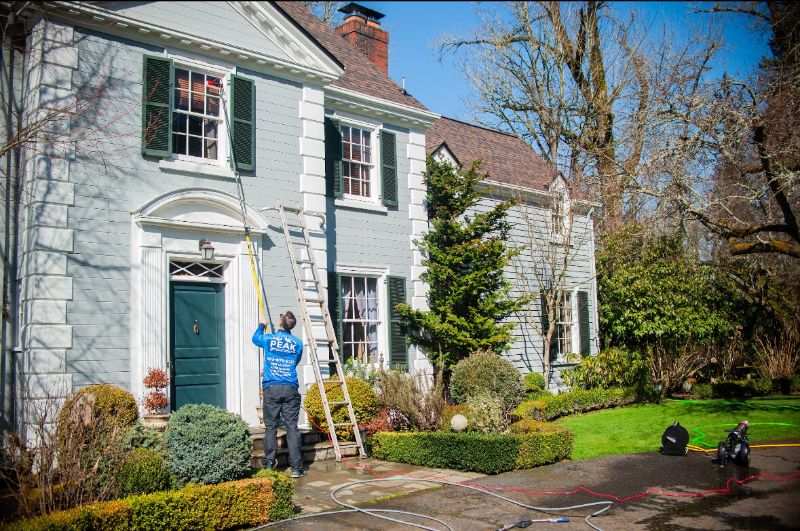
Stucco’s porous, cement-based surface traps dirt, moisture, mold, and algae in ways smooth exteriors don’t, making standard cleaning methods genuinely dangerous to your home’s structure. High-pressure washing erodes the finish coat, forces water into the substrate, and breaks down waterproof barriers—causing cracking and long-term deterioration. You need low-pressure soft washing techniques, targeted biocidal treatments, and proper distance control to clean stucco safely. Keep exploring to understand exactly how to protect your investment.
Key Takeaways
-
Stucco’s porous, cement-based surface traps dirt, mold, and moisture more readily than smooth exterior materials, requiring careful, targeted cleaning methods.
-
Standard pressure washing at 2,000–4,000 PSI can erode stucco’s finish coat and force damaging moisture into the underlying substrate.
-
High-pressure water breaks down stucco’s waterproof barriers, significantly increasing the risk of long-term water infiltration and structural damage.
-
Soft washing with low pressure (500–1,200 PSI) and specialized chemical treatments effectively cleans stucco without compromising its structural integrity.
-
Mold, algae, and moss anchor into stucco’s porous surface, retaining moisture and weakening the substrate if not properly treated.
What Makes Stucco Different From Other Exterior Surfaces
Stucco isn’t like vinyl siding or wood — it’s a porous, cement-based material applied in multiple layers directly over a wire mesh or foam substrate. Its textured surface creates thousands of microscopic cavities that trap dirt, algae, mold spores, and moisture.
That stucco texture, while visually appealing, makes cleaning considerably more complex than smooth exterior surfaces.
Moisture retention is a primary concern. Because stucco absorbs water readily, improper cleaning methods can force moisture deep into the substrate, accelerating mold growth, cracking, and structural deterioration.
Unlike vinyl, which sheds water efficiently, stucco holds it. You can’t apply the same high-pressure techniques you’d use on concrete without risking surface erosion or water intrusion behind the finish coat.
Stucco demands a controlled, low-pressure approach with the right chemical solutions. Additionally, it’s essential to communicate concerns about delicate surfaces to ensure the appropriate cleaning methods are used.

Why Standard Pressure Washing Damages Stucco
When most homeowners think about pressure washing, they picture high-pressure water blasting away years of buildup in minutes — and for concrete or brick, that’s a reasonable approach.
Stucco, however, has surface vulnerabilities that make high-pressure washing genuinely destructive. Its porous, cement-based composition absorbs water rapidly, and excessive pressure forces moisture deep into the substrate, accelerating cracking, swelling, and mold growth behind the walls.
Standard pressure settings — typically 2,000 to 4,000 PSI — easily erode the finish coat, strip textured detail, and compromise the waterproof barrier stucco relies on for structural integrity.
Once that barrier breaks down, water infiltration becomes a serious and costly problem. Regular removal of dirt, moss, and algae prevents moisture retention, which is essential for maintaining stucco’s durability.
Cleaning stucco correctly requires considerably lower pressure combined with appropriate cleaning solutions that lift contaminants without attacking the surface itself.
The Right Pressure and Techniques for Stucco Cleaning
Cleaning stucco effectively comes down to pressure control and technique — get either wrong, and you’ll cause the very damage you’re trying to avoid.
Professionals follow a precise process to protect the surface while removing contaminants thoroughly.
-
Keep pressure between 500–1,200 PSI — higher settings fracture stucco’s finish and force water behind the coating.
-
Use soft washing methods — applying low-pressure water combined with targeted chemical solutions breaks down mold, algae, and dirt without abrasive force.
-
Maintain a consistent distance and angle — hold the nozzle at least 18 inches away and spray at a downward angle to prevent water intrusion.
Skipping any of these steps puts your stucco at risk. Regular inspections for common roof problems are crucial to ensure that your stucco remains in good condition.
Precision isn’t optional — it’s what separates effective cleaning from costly repairs.
Moss, Mold, and Algae: How They Attack Stucco
Moss, mold, and algae don’t just stain stucco — they actively break it down. These organisms anchor into stucco’s porous surface, trapping moisture and accelerating deterioration.
Mold growth penetrates beyond the surface layer, weakening the substrate and creating conditions that invite structural damage over time. Algae spreads rapidly across sun-deprived, damp exterior walls, forming a slick biofilm that retains even more moisture.
In Portland’s wet climate, these threats intensify considerably. You’re dealing with organisms that thrive in exactly the conditions your exterior faces most of the year.
Algae removal requires more than rinsing — it demands targeted biocidal treatments that eliminate root systems rather than just surface discoloration. Skipping this step guarantees regrowth within weeks, putting your stucco at continued risk. Regular roof moss removal preserves roof lifespan and protects your home from further damage.
How Often Should You Clean a Stucco Home?
Your stucco maintenance schedule should reflect your local environment and exposure conditions. Portland’s wet climate accelerates biological growth, making routine cleaning essential.
Follow this cleaning frequency framework:
-
Annual cleaning — Schedule professional house washing every 12 months to remove accumulated dirt, algae, and early moss growth before it penetrates the surface.
-
Biannual inspections — Check stucco surfaces every six months for discoloration, cracking, or biological buildup requiring spot treatment.
-
Post-storm assessment — Inspect after heavy rain or wind events, as debris and moisture accelerate surface contamination. Regular cleaning can help mitigate the impact of Oregon’s climate on your home’s exterior.
Staying consistent with your stucco maintenance prevents minor buildup from becoming structural damage, saving you significant repair costs long-term.
When to Call a Professional for Stucco Cleaning
While DIY cleaning works for light surface dirt, certain stucco conditions demand professional intervention to avoid costly damage. If you notice widespread moss, algae, or mold growth, deep-set staining, or surface deterioration, you need professional cleaning benefits that go beyond basic rinsing.
Professionals assess your stucco’s texture, porosity, and condition before selecting the appropriate pressure settings and cleaning solutions. They identify hairline cracks that could admit water during cleaning, preventing structural damage. Additionally, effective roof care in damp climates can greatly enhance the longevity of your stucco when combined with regular maintenance.
For multi-story homes or large commercial properties, professionals bring proper equipment and safety protocols that DIY methods can’t replicate.
Following these stucco maintenance tips protects your investment: schedule professional inspections every two to three years, address biological growth immediately, and never attempt high-pressure washing on damaged stucco without expert evaluation first.
Frequently Asked Questions
Can Stucco Cleaning Help Improve the Energy Efficiency of My Home?
Yes, proper cleaning techniques can boost your home’s energy efficiency. When you remove algae, dirt, and buildup from stucco, you’ll restore its natural insulating properties, helping your HVAC system work less and reducing energy costs.
Does Cleaning Stucco Affect Its Color or Painted Finish?
When done correctly, cleaning won’t damage your stucco’s painted finish. Following proper stucco maintenance tips and using low-pressure techniques eliminates color fading concerns, preserving your surface’s integrity while effectively removing dirt, mold, and environmental buildup.
Are Eco-Friendly Cleaning Solutions Safe to Use on Stucco Surfaces?
Yes, eco-friendly cleaning solutions are safe for stucco maintenance. They’ll effectively break down dirt, mold, and algae without compromising the surface’s integrity. You’ll also gain eco-friendly benefits, as these solutions minimize chemical runoff and protect surrounding landscaping.
Will Stucco Cleaning Remove Old Stains From Rust or Irrigation Systems?
Yes, professional stucco cleaning can tackle rust stain removal and address irrigation system impact effectively. You’ll need specialized treatments and controlled low-pressure application to break down mineral deposits without damaging your stucco’s delicate surface texture.
Can Newly Applied Stucco Be Cleaned the Same Way as Older Stucco?
You can’t clean newly applied stucco the same way. Fresh stucco composition remains porous and vulnerable, so you’ll need gentler methods and reduced cleaning frequency until it fully cures, typically after 28 days minimum.
Conclusion
Your stucco’s longevity depends on using the right cleaning techniques every time. Standard pressure washing damages the surface, drives moisture inward, and accelerates deterioration — especially in Portland’s wet climate. You’ll protect your investment by using low-pressure washing, appropriate cleaning solutions, and scheduled maintenance intervals. When moss, mold, or algae take hold, don’t delay treatment. If you’re uncertain about any part of the process, you should call a professional who specializes in stucco cleaning.