
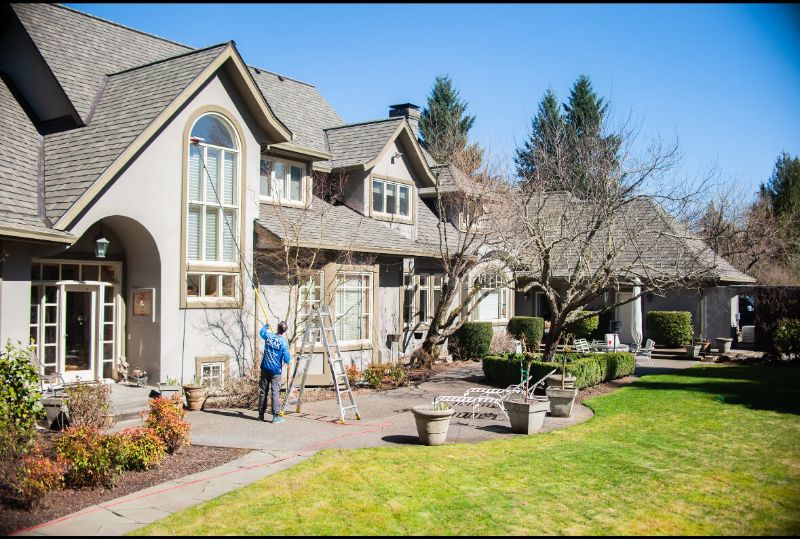
Roof algae spreads through your Portland neighborhood faster than you’d expect. Wind carries microscopic Gloeocapsa magma spores from infected roofs directly onto yours. Overhanging trees deposit spores during rain events, while shared gutters packed with debris create additional transfer points. North-facing slopes and shaded sections stay damp longest, giving those spores the perfect environment to establish colonies. Understanding exactly how this process unfolds — and which roofs are most at risk — can help you stay ahead of the damage.
Key Takeaways
-
Wind carries microscopic algae spores from infected roofs to neighboring homes, spreading invisibly across dense Portland neighborhoods.
-
Overhanging branches deposit spores directly onto shingles during rain, accelerating spread between closely situated properties.
-
Shared gutters accumulate debris and moisture, creating ideal conditions for algae spores to transfer between homes.
-
Portland’s 144 annual rainy days and mild temperatures create persistent dampness that accelerates neighborhood-wide algae colonization.
-
Regular professional roof cleaning reduces reinfection risks, protecting both individual homes and surrounding neighboring properties.
Why Portland Roofs Are Especially Vulnerable to Algae
Portland’s climate creates near-perfect conditions for roof algae growth. You’re dealing with an average of 144 rainy days per year, mild temperatures, and heavy tree canopy coverage — a combination that keeps roof surfaces persistently damp.
That moisture doesn’t evaporate quickly because overcast skies and limited direct sunlight slow the drying process considerably.
Gloeocapsa magma, the most common roof algae strain, thrives in exactly these conditions. It feeds on the limestone filler embedded in asphalt shingles, spreading steadily if you neglect routine roof maintenance.
North-facing and shaded roof sections are hit hardest since they retain moisture the longest.
Without consistent algae prevention measures, Portland homeowners face accelerating shingle deterioration. Regular roof cleaning can significantly improve energy efficiency and extend the life of your roofing system.
Understanding your local climate is the first step toward protecting your roof before algae takes hold.
How Roof Algae Actually Spreads Between Homes
Roof algae spreads faster than most Portland homeowners realize, with wind carrying spores from infected roofs to clean ones across entire neighborhoods.
If your neighbor’s roof has visible algae streaking, shared fencing, overhanging trees, and gutters can all act as transfer points that deposit spores directly onto your shingles.
Once those spores land on a moisture-rich surface, they establish quickly, making early detection and professional treatment your best defense against a neighborhood-wide cycle of reinfection. Regular roof cleaning is essential to mitigate this risk and preserve your home’s integrity.
Wind Carries Algae Spores
Unlike seeds or spores you can see, Gloeocapsa magma travels invisibly through the air as microscopic particles. Wind patterns across Portland’s Willamette Valley funnel these spores efficiently through dense residential corridors, depositing them onto nearby rooftops with no visible warning signs.
Understanding the algae lifecycle helps explain why your neighbor’s streaked roof often predicts your own. Spores land on your shingles, absorb moisture from Portland’s persistent rainfall, and establish colonies within weeks.
By the time dark streaking appears, the infestation is already well-developed.
Prevailing southwest winds common to the Portland metro carry spores across multiple properties in a single weather event. If you’re surrounded by affected roofs, you’re constantly receiving new spore deposits, making professional roof cleaning and preventative treatments essential rather than optional.
Shared Surfaces Enable Spreading
Beyond airborne transmission, physical contact between shared surfaces accelerates algae’s spread across neighboring properties.
In Portland’s densely packed neighborhoods, shared gutters and neighboring fences act as direct pathways for algae colonies to migrate between homes.
When debris accumulates in shared gutters, moisture retention creates ideal conditions for algae to establish and then transfer onto adjacent roof edges.
Similarly, neighboring fences that run alongside your roofline can harbor algae growth, allowing spores to jump directly onto your shingles during rain events or physical contact.
Portland’s persistent rainfall keeps these surfaces consistently wet, dramatically speeding up this cross-contamination process.
You’ll want to regularly inspect these contact points and coordinate cleaning efforts with your neighbors to interrupt the cycle before algae establishes a foothold on your roof.
Neighboring Trees Transfer Spores
Trees overhanging your roof don’t just drop debris—they actively transfer algae spores directly onto your shingles.
In Portland’s dense, heavily wooded neighborhoods, the tree canopy creates a direct biological bridge between infected surfaces and your roof. Branches touching or hovering close to your shingles deposit moisture-laden spores during rainfall and wind events, accelerating spore dispersal across multiple properties simultaneously.
Oregon’s native Douglas firs, maples, and alders retain moisture long after rain, sustaining algae colonies that continuously shed reproductive spores.
Those spores settle onto your shingles, germinate under trapped moisture, and establish new growth within weeks.
Trimming branches at least six feet away from your roof considerably disrupts this transfer pathway and reduces the conditions that allow algae to take hold and spread.
Which Roof Materials Let Algae Take Hold Fastest
Asphalt shingles give algae the easiest foothold of any common roofing material, largely because manufacturers embed limestone filler into the shingles to add weight and durability. That limestone becomes a food source, accelerating algae growth across your entire roof surface.
Portland’s rainfall keeps these roof materials persistently damp, creating ideal conditions.
Watch for accelerated colonization if you have:
-
Asphalt shingles – Limestone filler feeds Gloeocapsa magma directly, spreading black streaks within one season.
-
Wood shake – Naturally porous cedar absorbs moisture, letting algae penetrate below the surface and cause structural rot.
-
Aging tile – Weathered coatings lose their protective layer, leaving raw material exposed to spore attachment.
Knowing your roof material helps you act before damage becomes irreversible. Regular pressure washing can effectively remove algae and prevent further growth, enhancing the longevity of your roof.
Warning Signs Your Roof Has Caught a Neighbor’s Algae
Knowing your roof material tells you how vulnerable you are—but it doesn’t tell you whether the problem has already arrived.
Use these algae identification techniques to catch early spread: look for faint gray or greenish streaking near the ridge or north-facing slopes, where spores land first. Discoloration that follows wind patterns—typically southwest-to-northeast in Portland—often traces back to a neighboring source.
Check shaded zones near overhanging branches where moisture lingers longest. If you notice these signs, don’t wait. One of the most overlooked neighborly communication tips is simply comparing timelines with adjacent homeowners. If their staining appeared six months before yours, the source becomes clear.
Early detection lets you schedule professional roof cleaning before colonies entrench and begin accelerating shingle deterioration. Additionally, timely roof moss removal is essential to prevent structural compromise and preserve your home’s longevity.
Can Roof Algae Cause Lasting Damage If Left Alone?
If you let roof algae go untreated, it’ll actively erode your shingles by breaking down the limestone filler in asphalt roofing materials. The algae’s root-like structures trap moisture against the surface, accelerating rot and creating ideal conditions for moss and mold to move in. Over time, this progressive deterioration compromises your roof’s structural integrity, turning what started as a cosmetic issue into a costly repair problem for Portland-area homeowners. Regular roof cleaning can prevent these issues from escalating and maintain your roof’s longevity.
Algae Erodes Roofing Materials
Roof algae doesn’t just stain — it eats away at your roofing materials over time. In Portland’s wet climate, prolonged algae growth compromises your roof’s structural integrity faster than most homeowners expect.
Prioritizing roof maintenance and algae prevention now saves you from costly replacements later.
Here’s what algae actually does to your roof:
-
Lifts and loosens shingle granules — stripping away the protective layer that shields asphalt from UV damage and moisture.
-
Retains excess moisture — keeping your roof constantly wet, accelerating rot and weakening the decking beneath.
-
Creates entry points for mold and mildew — organisms that spread deeper into your roof structure, causing hidden deterioration.
Ignoring algae growth doesn’t just affect appearances — it quietly destroys the materials protecting your home.
Moisture Retention Accelerates Decay
Once algae takes hold on your Portland roof, its moisture-retaining properties accelerate structural decay far beyond what’s visible on the surface.
Algae colonies trap rainwater against shingles, preventing proper drying between Portland’s frequent rain events. That sustained dampness softens roofing substrates, weakens adhesive bonds, and invites wood rot beneath the surface layer.
Without effective moisture control, the damage compounds seasonally.
Freeze-thaw cycles during winter months force moisture deeper into compromised materials, widening cracks and accelerating deterioration. By spring, what began as surface discoloration may have progressed into structural vulnerability.
Decay prevention requires more than cosmetic cleaning — it demands timely intervention before subsurface damage becomes costly.
Addressing algae growth early protects your roof’s integrity and extends its serviceable life considerably.
Structural Integrity Eventually Compromised
Algae left untreated doesn’t just stain your Portland roof — it systematically compromises the materials holding it together.
Portland’s wet climate accelerates this process, turning a cosmetic problem into serious structural damage faster than most homeowners expect.
The long term effects unfold in stages:
-
Shingle granules erode, stripping away UV protection and exposing the asphalt substrate to accelerated weathering.
-
Decking boards absorb moisture, softening the wood beneath your shingles until it can no longer hold fasteners securely.
-
Rafters and trusses weaken, turning what began as surface algae into a full roof replacement conversation with your contractor.
You didn’t budget for a premature roof replacement.
Catching algae growth early keeps that structural integrity intact and protects your Portland home’s long-term value.
How Professional Roof Cleaning Stops the Spread for Good
While trimming back trees and improving drainage helps slow algae’s advance, those measures alone won’t eliminate an established colony.
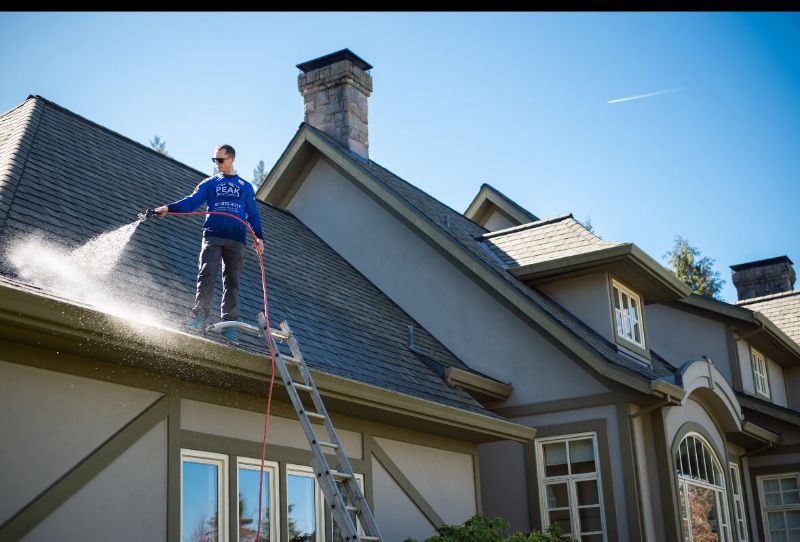
Professional roof cleaning applies targeted, low-pressure treatments using eco-friendly solutions that kill algae, lichen, and moss at the root level rather than just masking surface discoloration.
In Portland’s wet climate, preventative maintenance means scheduling soft wash treatments every two to three years before visible growth returns.
A professional application penetrates shingle granules, neutralizing spores that would otherwise survive and recolonize your roof within a single wet season.
Peak Pressure Washing uses cleaning agents safe for surrounding vegetation and stormwater systems, which matters in environmentally conscious Portland.
Stopping the spread starts with your roof — treating it properly protects not just your home but your neighbors’ roofs as well. Regular mold removal is essential for maintaining roof health and preventing costly repairs.
Frequently Asked Questions
Does Roof Algae Affect Home Resale Value in Portland?
Yes, roof algae hurts your resale value. It creates resale challenges by signaling neglect to Portland buyers, undermining neighborhood aesthetics, and suggesting moisture damage. You’ll attract stronger offers by treating algae before listing your home.
Can Gutters Spread Algae to Other Roof Sections?
Yes, your gutters can absolutely spread algae to other roof sections. Clogged gutters overflow onto fascia and adjacent shingles, seeding new colonies. Prioritizing gutter maintenance is essential for effective algae prevention across Portland’s moisture-heavy rooflines.
Are Algae-Resistant Shingles Worth the Extra Cost?
They’re worth it in Portland’s wet climate. The cost benefits become clear in a longevity comparison—algae-resistant shingles outlast standard ones markedly, saving you on frequent treatments and premature replacements caused by persistent Pacific Northwest moisture and biological growth.
Will Homeowners Insurance Cover Algae-Related Roof Damage?
Most insurance policies won’t cover algae-related damage claims since insurers classify it as neglected maintenance. You’ll want to schedule regular roof cleanings to protect your Portland home and avoid costly out-of-pocket repairs.
How Often Should Portland Homeowners Schedule Professional Roof Inspections?
Schedule professional roof maintenance inspections twice yearly in Portland — ideally spring and fall. Given the region’s heavy rainfall and moss-prone climate, this inspection frequency helps you catch algae spread and moisture damage before it becomes costly.
Conclusion
If you’re living in Portland’s dense neighborhoods, algae isn’t a problem you can ignore or postpone. Once spores start moving across rooftops on your block, your roof becomes a target. Don’t wait until dark streaks appear — schedule a professional roof cleaning now, confirm your shingles have algae-resistant granules, and keep your gutters clear. Taking preventative action today is far cheaper than replacing a roof that algae has quietly destroyed over several wet Pacific Northwest seasons.