

When you’re cleaning a single-story home, you’re working within 10 to 15 feet, which keeps pressure control consistent and safety risks low. Move to a multi-story structure, and everything shifts—you’ll need telescoping wands, fall protection systems, and stricter safety protocols. Labor hours increase with every floor, and equipment costs follow. The differences between these two jobs run deeper than most homeowners expect.
Key Takeaways
-
Single-story cleaning is simpler, with rooflines between 10–15 feet allowing ground-level equipment use, consistent pressure control, and minimal fall risk.
-
Multi-story cleaning requires specialized equipment like telescoping wands and high-reach pressure systems to effectively clean upper surfaces.
-
Fall risks increase with each additional story, making safety harnesses, stabilization systems, and strict safety protocols essential for elevated work.
-
Labor hours multiply with height due to frequent repositioning, safety checks, and the physical demands of operating equipment at elevation.
-
Multi-story projects cost significantly more due to specialized equipment, structured safety infrastructure, and increased labor requirements per additional floor.
Why Building Height Changes the Cleaning Equation
When cleaning a single-story home, a technician can manage water pressure, spray angles, and surface coverage from a relatively stable, ground-level position. Every variable stays within close reach, and adjustments are immediate.
Multi-story structures change that entirely. As height increases, so does complexity. Cleaning techniques that work efficiently at ground level require significant modification when you’re working two or three stories up. Water pressure behaves differently over extended vertical distances, spray trajectories shift, and surface visibility decreases.
Access methods also become a critical factor — ladders, scaffolding, and extended wands each introduce unique safety and performance challenges. Regular gutter cleaning frequency is crucial to ensure that debris doesn’t obstruct drainage, especially in multi-story homes.
You’re no longer just cleaning a surface. You’re managing equipment, positioning, physical risk, and environmental exposure simultaneously. Understanding these differences is essential before any multi-story exterior cleaning project begins.
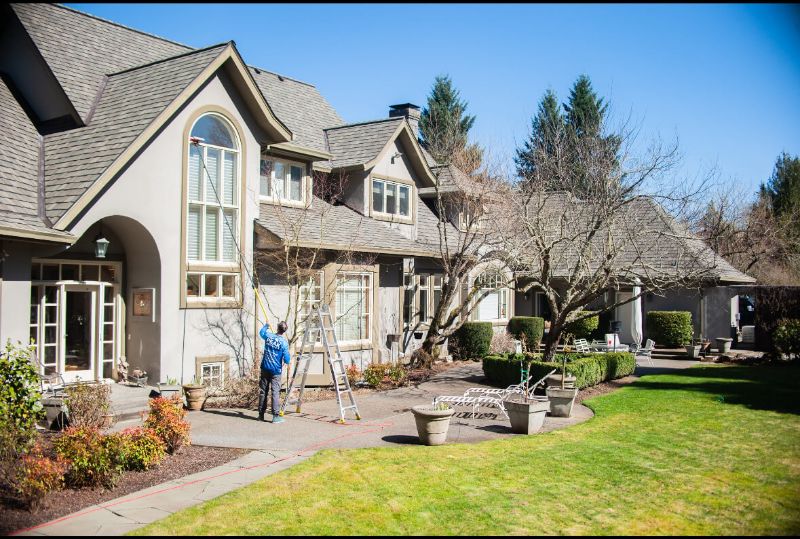
Single-Story Exterior Cleaning: What the Job Actually Involves
Single-story exterior cleaning sets the baseline for understanding why height matters so much in multi-story work. With rooflines typically sitting between 10 and 15 feet, technicians can work efficiently using ground-level equipment and standard extension wands.
The single story advantages here are significant—reduced setup time, lower equipment demands, and straightforward access to all surfaces.
Your cleaning techniques at this height allow for consistent pressure control and direct visual inspection throughout the process. Technicians can monitor runoff, adjust angles, and address problem areas without repositioning ladders repeatedly.
Key operational factors at single-story level include:
-
Surface access: Most areas reachable without elevated platforms
-
Pressure consistency: Easier to maintain uniform application across siding and fascia
-
Safety margin: Minimal fall risk during equipment adjustments
Additionally, technicians can effectively communicate concerns about delicate materials to ensure proper treatment during the cleaning process.
Multi-Story Exterior Cleaning: Added Complexity, Equipment, and Risk
When you move to a two- or three-story structure, you’re no longer working from the ground or a basic step ladder — you’re managing height, reach, and stability simultaneously.
Technicians must use extension ladders, scaffold systems, or telescoping wand attachments to access upper walls, soffits, and rooflines safely.
Each added story multiplies the fall risk and demands stricter equipment protocols, proper anchor points, and a working knowledge of load-bearing surfaces before any cleaning begins. Regular inspections of gutter conditions help identify potential issues that could complicate the cleaning process.
Elevated Access Challenges
Multi-story exteriors introduce access challenges that single-story cleaning simply doesn’t require.
Ladder stability becomes critical when reaching upper-level surfaces, and your cleaning technique must adapt to each elevation shift. Surface accessibility varies depending on roof pitch, overhangs, and structural obstructions that block direct equipment positioning.
Professionals address these challenges by following strict safety protocols before any cleaning begins.
Key elevated access considerations include:
-
Ladder stability: Securing footing on uneven terrain or sloped surfaces requires proper anchoring and weight distribution.
-
Surface accessibility: Overhangs, gutters, and architectural features limit direct reach and require adjusted equipment angles.
-
Cleaning technique: Pressure, spray distance, and nozzle selection must compensate for increased height and reduced control.
Skipping these steps creates serious fall hazards and inconsistent cleaning results across upper-level surfaces.
Specialized Equipment Requirements
Reaching upper-level surfaces safely requires equipment that standard single-story cleaning setups can’t provide. Multi-story work demands specialized equipment types, including telescoping wands, extension poles, high-reach pressure systems, and in some cases, aerial lifts or scaffolding.
Each piece of equipment must match the specific cleaning techniques applied at height—soft washing systems for delicate siding, higher-pressure nozzles for concrete or brick facades, and low-flow options for windows and painted surfaces. You can’t simply extend a standard ground-level setup and expect safe, effective results.
Professionals also rely on safety harnesses, stabilization systems, and pressure-rated hoses built to handle the mechanical stress of elevated operation. Choosing the wrong equipment type doesn’t just reduce cleaning quality—it increases the risk of surface damage, equipment failure, and serious injury.
How Height Affects Pressure Washing Pricing
When you request exterior cleaning for a multi-story property, you’re paying for more than additional square footage—you’re covering the cost of specialized equipment like telescoping wands, high-reach ladders, and lift systems that single-story jobs rarely require. Each added story also multiplies labor time, since technicians must reposition equipment, adjust pressure settings, and maintain safety protocols at every elevation change. These compounding factors—equipment overhead and extended labor hours—directly drive up your project’s final cost. Regular annual roof cleaning can also help maintain the longevity of your property by preventing more extensive damage over time.
Equipment Costs Increase
Cleaning higher stories requires specialized equipment that directly increases project costs. Your cost assessment should account for the tools technicians must use to safely and effectively reach elevated surfaces:
-
Extension wands and telescoping poles – Allow ground-level operation for moderate heights but add to equipment overhead.
-
Scaffolding or lift rentals – Required for multi-story structures where ladders aren’t sufficient, considerably raising your equipment budget.
-
Safety harnesses and anchor systems – Mandatory fall protection gear for elevated work that adds compliance-related costs.
Each piece of equipment serves a specific safety and operational function. Higher structures demand more gear, more setup time, and greater logistical coordination.
These factors compound quickly, making multi-story projects measurably more expensive than single-story cleaning jobs of comparable square footage.
Labor Time Multiplies
Height doesn’t just change how technicians work—it directly multiplies the labor hours required to complete a job.
On a single-story home, technicians move efficiently across surfaces with minimal repositioning. On multi-story structures, that labor efficiency drops markedly.
Every ladder adjustment, equipment repositioning, and safety check adds time. Technicians can’t rush these steps—working at elevation demands deliberate movement to prevent falls and equipment mishandling. That caution, while necessary, extends the job timeline considerably.
Worker fatigue also becomes a real factor. Climbing, maintaining balance, and operating equipment at height is physically demanding. Fatigue slows output and increases error risk, which means experienced crews must pace themselves carefully.
When you’re pricing a multi-story exterior cleaning project, expect labor hours to increase proportionally with each additional floor.
Safety Standards That Differ Between One and Two Stories
Safety requirements shift considerably once a cleaning job moves beyond a single story. Height regulations mandate stricter safety protocols for two-story work, affecting how crews set up, operate, and secure their equipment throughout the job.
Key standards that apply specifically to multi-story exterior cleaning include:
-
Fall protection systems: Harnesses, anchor points, and guardrails become required at elevations above six feet in most jurisdictions.
-
Ladder safety compliance: Extension ladders must maintain proper angle ratios and secure footing on uneven or sloped surfaces.
-
Equipment load ratings: Scaffolding and lift platforms must meet rated capacity standards for both personnel and cleaning equipment.
These requirements directly influence how crews plan each job. Additionally, understanding the importance of roof cleaning necessity can help prioritize safety measures in multi-story operations.
You’re not just paying for extra height—you’re paying for the structured safety infrastructure that makes working at that height legal and controlled.
Which Exterior Surfaces Need Extra Attention on Multi-Story Homes
Multi-story homes concentrate the most problematic buildup in areas that single-story cleaning crews rarely deal with at elevation: upper gable ends, second-floor soffits, fascia boards, and high window frames.
These surfaces trap moisture longer, accelerating moss, algae, and mold growth that compromises paint and wood integrity over time.
Roof cleaning becomes especially critical on multi-story structures because debris accumulates on upper roof sections that go unnoticed from ground level.
Left untreated, organic growth works beneath shingles and causes premature deterioration.
Gutter maintenance follows the same logic—second-floor gutters handle significant water volume, and blockages create overflow that damages fascia and exterior walls below.
You’ll find that these elevated surfaces require deliberate, methodical attention during every cleaning cycle to prevent compounding structural damage. Additionally, proper gutter maintenance is essential to avoid costly repairs and protect the integrity of your home.
Frequently Asked Questions
Can Multi-Story Homes Be Cleaned During Rainy Portland Weather?
Yes, you can clean multi-story homes in rainy conditions, but our technicians adjust cleaning techniques to guarantee safety and effectiveness. We avoid slick surfaces, monitor wind levels, and use controlled low-pressure methods throughout Portland’s wet weather.
How Long Does a Full Multi-Story Exterior Cleaning Typically Take?
You’ll typically spend 3–6 hours on a full multi-story exterior cleaning. Cleaning timeframes vary based on efficiency factors like home size, surface condition, and access complexity, so your crew’ll adjust methods to maintain safety throughout.
Do I Need to Be Home During the Exterior Cleaning Appointment?
You don’t need to be home, but you’ll want to confirm access points beforehand. We’ll handle all safety precautions while you enjoy scheduling flexibility, ensuring the job’s completed efficiently whether you’re present or away.
Will Pressure Washing Damage My Home’s Exterior Paint or Caulking?
Proper pressure washing techniques won’t damage your paint or caulking. We adjust water pressure based on your surface type, protecting paint longevity while effectively removing buildup, ensuring your home’s exterior stays safe and intact throughout the cleaning process.
How Often Should Multi-Story Homes in Portland Be Professionally Cleaned?
You should schedule professional cleaning for your multi-story home every 1–2 years. Portland’s wet climate makes weather considerations critical, as moss and algae accelerate buildup. Adjust your cleaning frequency based on shading, tree coverage, and surface exposure.
Conclusion
When you’re dealing with multi-story exterior cleaning, you can’t afford to treat it like a straightforward single-story job. You’ll need specialized equipment, stricter safety protocols, and properly trained professionals who understand elevated-surface risks. You’re looking at higher costs, more complex logistics, and greater liability exposure if something goes wrong. Don’t underestimate what height adds to the equation — it changes your pressure settings, your equipment requirements, and your safety standards entirely.