
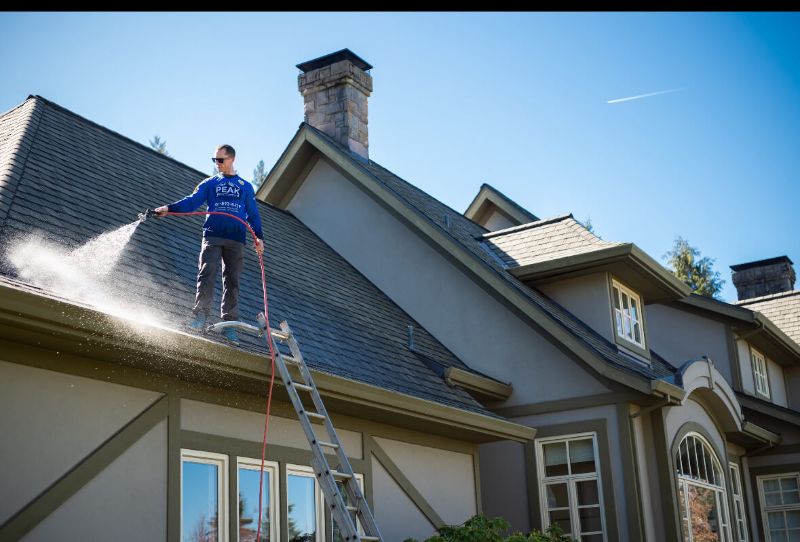
Soft washing removes more than surface grime from your roof—it eliminates Gloeocapsa magma, the bacteria behind dark streaks, along with moss, lichen, and fungi that are actively breaking down your shingles from the inside out. These biological threats lift shingle edges, dislodge protective granules, and trap moisture that accelerates rot. A low-pressure chemical solution targets these organisms at the root level, restoring what you can’t see. Keep going to understand exactly what’s at stake.
Key Takeaways
-
Soft washing removes Gloeocapsa magma, the bacteria causing dark roof streaks that most homeowners mistake for simple dirt or debris.
-
Lichen, which bonds directly to shingles and silently dislodges protective granules, is effectively eliminated through soft washing’s chemical process.
-
Moss hidden beneath shingle edges is removed, preventing water infiltration and wood rot that develops undetected over time.
-
Soft washing targets fungi and mold colonies living deep within roofing materials, not just visible surface-level growth.
-
After treatment, roofs stay clean for 2-4 years, reflecting how thoroughly biological contamination has been eliminated at the root level.
What Soft Washing Actually Does to Your Roof
Soft washing isn’t just rinsing your roof with less pressure—it’s a targeted chemical treatment process that eliminates biological growth at the root level.
Technicians apply a low-pressure solution containing surfactants and biocides that penetrate beneath moss, algae, lichen, and mold colonies, breaking down their cellular structure rather than simply dislodging surface debris.
High-pressure methods push contaminants deeper into shingles or strip protective granules entirely.
Soft washing benefits your roof by preserving material integrity while delivering a more thorough clean. The solution dwells on the surface, neutralizing organisms that would otherwise continue feeding on your roofing substrate.
This directly supports roof longevity by stopping deterioration before it compounds. You’re not just cleaning your roof—you’re eliminating the biological agents actively degrading it. Additionally, eco-friendly roof cleaning methods ensure that these treatments are safe for the environment while effectively managing growth.
The Hidden Growths Living on Your Shingles
What’s living on your shingles isn’t always visible to the naked eye—but it’s actively breaking down your roof. Microbial growth—including algae, moss, lichen, and fungi—embeds itself into asphalt shingles and begins consuming the granule layer that protects them.
These hidden dangers operate silently, feeding on limestone filler within the shingles and retaining moisture that accelerates structural deterioration.
Gloeocapsa magma, the most common roof algae, appears as dark streaking but represents only the surface evidence of a deeper biological colony.
Lichen bonds directly to shingles using root-like structures called rhizines, physically dislodging granules when removed improperly.
Moss lifts shingle edges, allowing water infiltration beneath the surface layer. Each organism compounds the damage the others cause, creating a deteriorating cycle that shortens your roof’s functional lifespan considerably. Regular roof cleaning is essential to prevent these issues and maintain your roof’s integrity.
Why Pressure Washing Damages What Soft Washing Saves
When you use high-pressure washing on asphalt shingles, you strip away the protective granules embedded in the surface, accelerating wear and voiding manufacturer warranties.
Those granules aren’t cosmetic—they shield the underlying asphalt mat from UV degradation and moisture penetration.
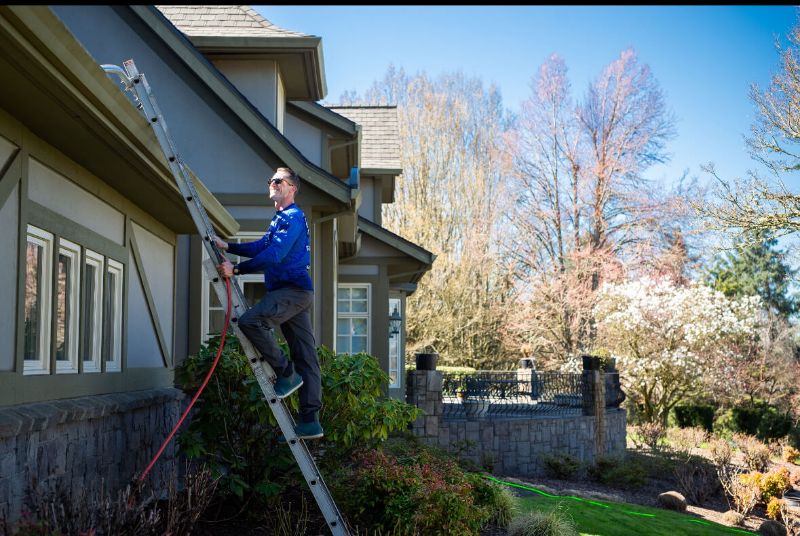
Soft washing replaces brute force with low-pressure application and biodegradable cleaning solutions, eliminating biological growth without compromising the shingle’s structural integrity. Additionally, eco-friendly techniques ensure that the roof is cleaned sustainably, preserving both the material and the environment.
Pressure Strips Protective Granules
One of the most critical reasons professionals recommend soft washing over pressure washing for roofs comes down to granule preservation.
Asphalt shingles rely on embedded mineral granules to perform their protective function — deflecting UV rays, shedding water, and resisting heat transfer. When you apply high-pressure water to shingle surfaces, you’re mechanically stripping those granules away.
You won’t always see it happening, but your gutters will tell the story — collecting displaced granules like sediment after every pressure wash session. That granule loss accelerates shingle aging, reduces weather resistance, and shortens your roof’s lifespan considerably.
Soft washing uses low-pressure application combined with specialized cleaning solutions, eliminating biological growth without disturbing granule integrity.
You’re cleaning the surface, not degrading it.
Soft Washing Preserves Integrity
Granule loss is the most visible symptom of pressure damage, but it’s not the only structural risk you’re taking when high-pressure water meets roofing materials.
Forceful streams drive moisture beneath shingles, compromise adhesive bonding, and accelerate edge lifting. Over time, these micro-failures compound into leaks and premature replacement costs.
Soft washing eliminates that risk entirely. Low-pressure application combined with professional-grade cleaning solutions kills moss, algae, and lichen at the root without stressing the surface.
You’re not just cleaning—you’re protecting shingle longevity by removing organisms that retain moisture and physically degrade materials from below.
The maintenance benefits extend beyond appearance. A soft-washed roof dries faster, sheds debris more effectively, and resists biological regrowth longer.
That’s structural preservation, not just cosmetic improvement.
The Real Before and After: What Changes Beyond Appearance
Roof soft washing delivers results that go well beyond surface-level aesthetics. When you remove biological growth like moss, algae, and lichen, you’re directly improving roof health by eliminating organisms that actively degrade shingles, lift granules, and trap moisture against the substrate.
That moisture retention accelerates wood rot, compromises decking integrity, and shortens your roof’s functional lifespan.
The long-term benefits become measurable over time. You’ll notice reduced granule loss in gutters, fewer shingle cracks, and better thermal performance since algae-darkened shingles absorb excess heat. Additionally, a clean roof significantly enhances energy performance by regulating temperature more effectively.
Soft washing also removes airborne pollutants and oxidation that standard visual inspections miss. What looks like simple discoloration is often active biological damage. Treating it early keeps your maintenance costs lower and extends the years before a full replacement becomes necessary.
How Long Roof Buildup Takes to Return After Treatment
After a professional soft wash treatment, most roofs stay clean for two to four years before biological growth returns at a noticeable level. Your buildup timeline depends on several variables: tree canopy coverage, annual rainfall, roof pitch, and shingle material.
North-facing surfaces and heavily shaded areas accumulate moss and algae faster than exposed sections. Portland’s wet climate compresses the buildup timeline compared to drier regions, often pushing maintenance frequency toward the shorter end of that range. Applying a post-treatment biocide inhibitor extends protection by slowing spore germination between service intervals. Scheduling inspections every eighteen to twenty-four months lets you identify early-stage growth before it embeds into the shingle surface, keeping each cleaning session more straightforward and reducing the cumulative stress placed on your roofing material over time. Additionally, regular maintenance is crucial in preventing significant structural issues that can arise from prolonged buildup.
Signs Your Portland Roof Is Ready for Soft Washing
If you’re noticing dark streaks running down your shingles or patches of green and black moss spreading across your roof’s surface, your roof is overdue for soft washing.
These visual indicators signal that algae, moss, or lichen have already established a foothold and are actively breaking down your roofing materials.
You’ll also want to act when your shingles look prematurely aged or weathered, as biological growth accelerates granule loss and shortens your roof’s service life. Regular cleaning can help prevent further damage and prolong the lifespan of your roofing materials.
Visible Moss And Streaking
Two telltale signs that your Portland roof needs soft washing are visible moss growth and dark streaking across the shingles.
Moss colonies anchor themselves into shingle granules, lifting edges and accelerating moisture intrusion. Left untreated, they compromise your roof’s structural integrity season after season. Moss prevention starts with early intervention before root systems penetrate deeply into the substrate.
Dark streaks are caused by Gloeocapsa magma, a cyanobacteria that feeds on limestone filler within asphalt shingles. These streaks aren’t cosmetic—they’re actively degrading your roofing material.
Streak removal requires low-pressure chemical treatment, not abrasive blasting, which strips protective granules and voids warranties. Soft washing targets both issues at the source, eliminating biological growth while preserving your shingles’ manufacturer-rated lifespan.
Shingles Look Aged
Moss and streaking aren’t the only indicators that your roof needs attention—sometimes the damage shows up as premature aging.
When shingles look faded, brittle, or unevenly discolored, biological growth is often the underlying cause. Algae, lichen, and mold feed on the limestone filler in asphalt shingles, breaking down the material from within and accelerating deterioration well before the shingle lifespan should expire.
What you’re seeing isn’t just a cosmetic issue—it’s structural degradation in progress.
Soft washing removes these organisms at the root level, halting further breakdown and restoring the roof’s aesthetic appeal without the surface damage that pressure washing causes.
If your shingles look older than they are, biological contamination is the likely culprit, and cleaning is the appropriate corrective action.
Frequently Asked Questions
Is Soft Washing Safe for All Roofing Materials and Shingle Types?
Soft washing’s safe for most roof materials and shingle types. It uses low-pressure application with specialized solutions, eliminating safety concerns tied to high-pressure cleaning methods that crack or dislodge asphalt, tile, cedar, or metal roofing.
How Much Does Professional Roof Soft Washing Typically Cost in Portland?
In Portland, you’ll typically spend $300–$600 for professional roof soft washing, depending on roof size and pitch. When weighing cost comparison against roof maintenance needs, it’s a worthwhile investment that prevents costly repairs from moss and algae damage.
Will Soft Washing Void My Roof’s Manufacturer Warranty?
Soft washing won’t void your roof warranties — it actually aligns with most manufacturers’ guidelines. You’ll preserve your warranty while gaining soft wash benefits like safe, low-pressure cleaning that removes harmful biological growth without damaging shingles.
Can Soft Washing Be Done During Rainy Portland Weather?
Yes, you can schedule soft washing during rainy conditions, but light rain won’t affect results. Weather considerations matter most during heavy downpours, as they’ll dilute cleaning solutions before they’ve properly dwell-treated your roof’s surface.
How Long Does a Professional Roof Soft Washing Treatment Take to Complete?
Most soft washing techniques complete your roof’s treatment duration within two to four hours, depending on roof size and contamination levels. You can expect thorough application, dwell time, and low-pressure rinsing to account for the bulk of that timeline.
Conclusion
Your roof’s before and after transformation isn’t just visual — it’s structural. Soft washing eliminates the algae, moss, and lichen that are actively degrading your shingles from the inside out. Once you understand what’s been living on your roof undetected, you can’t afford to ignore it. Schedule professional soft washing before biological growth advances to irreversible damage. It’s not maintenance you’re putting off — it’s protection you’re already overdue for.