
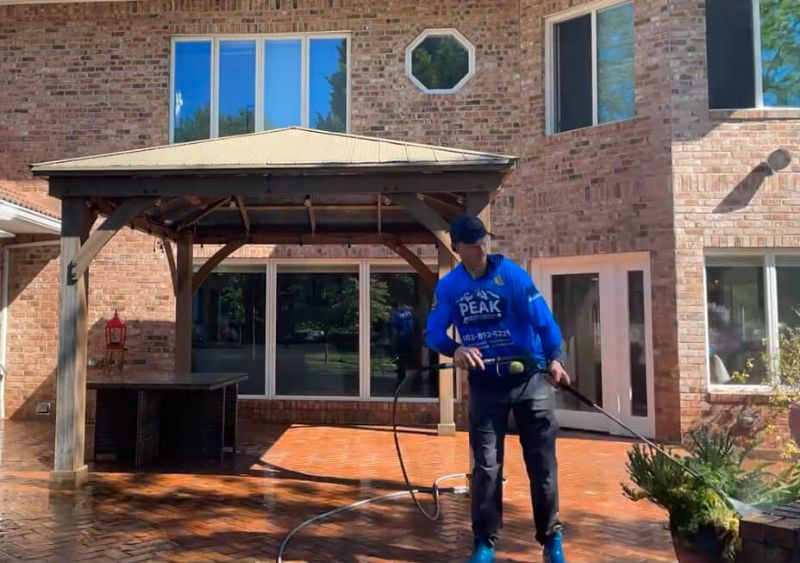
In Oregon’s wet climate, cedar decking needs cleaning at least once or twice a year, while composite decking requires it every two to three years. Cedar absorbs moisture, making it far more vulnerable to moss, mildew, and rot. Composite resists moisture but still traps organic debris in its textured grooves. Neither material is truly maintenance-free in the Pacific Northwest. Keep going to find out exactly what each deck type needs to stay in top shape.
Key Takeaways
-
Cedar decking requires cleaning at least once or twice yearly, while composite decking needs thorough cleaning every two to three years.
-
Oregon’s heavy rainfall and humidity accelerate moss, mildew, and algae growth, making cedar especially vulnerable without consistent maintenance.
-
Cedar’s porous surface absorbs moisture rapidly, demanding more frequent attention compared to moisture-resistant composite decking.
-
Composite decking’s textured grooves trap organic debris, requiring regular cleaning despite being marketed as a low-maintenance option.
-
Skipping cedar maintenance significantly shortens its lifespan, whereas neglected composite decking risks permanent discoloration that cannot be corrected by sanding.
How Oregon’s Climate Affects Both Deck Materials
Oregon’s wet winters, mild summers, and near-constant moisture create demanding conditions for any deck material. The Pacific Northwest’s heavy rainfall, humidity, and extended overcast seasons accelerate biological growth, surface degradation, and structural wear.
Both cedar and composite decking face significant environmental impact from Oregon’s climate, but they respond differently. Cedar absorbs moisture readily, making it vulnerable to moss, mildew, and rot if you neglect regular maintenance. Regular roof inspections help identify potential issues before they escalate, ensuring your decking remains in optimal condition.
Composite decking resists moisture absorption better, but its textured surface traps organic debris, creating ideal conditions for algae and mold growth.
Understanding how Oregon’s climate affects your specific deck material helps you make smarter cleaning and maintenance decisions. Deck longevity depends heavily on how proactively you address the region’s persistent moisture, biological buildup, and seasonal weather cycles.
Cedar Decking: How Often It Needs Cleaning in the PNW
Cedar decking in the Pacific Northwest demands a consistent cleaning schedule because Portland’s wet climate accelerates biological growth faster than in drier regions. You should plan on cleaning cedar at least once annually, though twice yearly is more realistic given Oregon’s extended rainy season.
A spring cleaning removes winter mold and algae buildup, while a fall cleaning prepares the surface before heavy rains return.
Beyond basic washing, cedar treatment options like sealers and UV-protective stains must be reapplied every one to two years to prevent moisture penetration and graying. Skipping this maintenance shortens your deck’s lifespan considerably.
Incorporating proven deck preservation techniques, such as soft washing followed by proper drying time before sealing, keeps cedar structurally sound and visually sharp throughout Oregon’s demanding seasonal cycles. Additionally, addressing signs of damage promptly can mitigate further risks to your deck’s integrity.

Composite Decking: Easier to Maintain, But Not Maintenance-Free
Composite decking gets marketed as a low-maintenance alternative to cedar, but that doesn’t mean you can ignore it entirely in the Pacific Northwest’s wet climate.
The region’s persistent moisture, shade, and organic debris create ideal conditions for mold, algae, and mildew to take hold in the textured surface of composite boards.
To keep your deck looking clean and structurally sound, you’ll want to schedule a thorough cleaning at least once or twice a year. Regular cleaning helps extend the lifespan of surfaces and supports overall property value and aesthetic.
Composite’s Hidden Maintenance Demands
While composite decking markets itself as low-maintenance, it’s not entirely hands-off. Oregon’s wet climate creates conditions where mold, mildew, and algae thrive on composite surfaces, particularly in shaded Portland backyards.
You’ll notice organic buildup settling into the board’s textured grain, which traps moisture and accelerates staining.
Composite durability holds up well structurally, but surface appearance suffers without consistent cleaning. You’ll need to wash composite decks at least once or twice annually to prevent permanent discoloration.
Hidden costs emerge when staining sets deep into the material, requiring specialized cleaning products or professional intervention.
Unlike cedar, composite can’t be sanded or refinished, so neglecting routine maintenance leaves you with few recovery options.
Staying proactive protects your investment and keeps composite looking the way it’s designed to.
Mold And Algae Buildup
Portland’s damp, overcast climate gives mold, algae, and mildew near-perfect conditions to colonize your composite deck year-round.
Unlike cedar, composite doesn’t absorb moisture into its core, but surface buildup still happens fast—especially in shaded areas or under furniture.
For effective mold prevention, rinse your composite deck every few months and scrub problem areas with a composite-approved cleaner.
Don’t use a high-pressure washer directly; it can erode the protective cap layer, making the surface more vulnerable long-term.
Algae treatment typically requires a diluted oxygen bleach solution applied with a soft brush.
Let it dwell, then rinse thoroughly.
In Portland’s climate, you’ll likely repeat this process at least once or twice annually to keep your composite deck looking clean and structurally sound.
Cleaning Frequency For Composite
Keeping mold and algae off your composite deck is easier when you’re cleaning on a consistent schedule rather than reacting to buildup after it’s already set in. For most Oregon homeowners, that means a light rinse every few months and a thorough cleaning at least twice a year — once in spring and again in fall.
Composite durability depends on consistent upkeep. Neglecting buildup shortens the lifespan of your boards and voids manufacturer warranties.
Effective cleaning techniques for composite include low-pressure washing with a fan-tip nozzle, mild soap, and a soft-bristle brush for stubborn spots. Avoid high-pressure settings, which can damage the surface texture and force moisture into the board’s core.
Staying consistent keeps your composite deck performing well through Portland’s wet seasons.
Cedar vs. Composite: Side-by-Side Cleaning Comparison
Both cedar and composite decking require regular cleaning, but the methods differ enough that using the wrong approach on either material can cause real damage.
Oregon’s wet climate accelerates buildup on both surfaces, making proper cleaning methods essential for preserving deck aesthetics.
Here’s how the two materials compare:
-
Pressure: Cedar tolerates low PSI (500–600); composite requires even lower (300–500).
-
Cleaners: Cedar accepts oxygen bleach; composite needs pH-neutral, manufacturer-approved solutions.
-
Scrubbing: Cedar handles stiff brushes; composite requires soft-bristle tools only.
-
Frequency: Cedar needs cleaning every 1–2 years minimum; composite every 2–3 years.
Mixing up these approaches risks splintering cedar or voiding your composite warranty entirely. Additionally, understanding specific deck material needs is vital for effective cleaning and maintenance to prolong the lifespan of both types.
Warning Signs Your Deck Needs Professional Cleaning Now
Knowing how to clean your deck correctly only matters if you recognize when cleaning is actually overdue.
Oregon’s wet climate accelerates surface deterioration, so don’t wait for your annual schedule if you’re seeing these warning signs.
Your deck needs professional cleaning now if you notice:
-
Green or black streaking — active moss, algae, or mold growth
-
Slippery surfaces — biofilm buildup creating fall hazards
-
Gray, weathered wood — UV and moisture damage on cedar
-
Embedded dirt or staining — composite grooves trapping organic debris
-
Standing water — drainage blocked by buildup
These aren’t cosmetic issues.
Left untreated, they compromise structural integrity and void manufacturer warranties on composite materials. Regular cleaning helps prevent underlying issues such as rot and pest infestations, ensuring the longevity of your deck.
Following these maintenance tips and scheduling timely deck cleaning protects your investment before damage becomes costly repair.
When to Call a Portland Deck Cleaning Professional
Even with the right tools and technique, there are situations where DIY deck cleaning creates more risk than reward.
Oregon’s wet climate accelerates damage, and some deck care problems require professional services to resolve safely and effectively.
Call a Portland deck cleaning professional when:
-
Moss or algae has deeply penetrated cedar grain or composite seams
-
Your roof runoff has caused widespread black streaking or biological staining
-
You notice soft spots, warping, or structural concerns before cleaning begins
-
Previous DIY cleaning left uneven results, streaking, or surface damage
Peak Pressure Washing understands regional conditions specific to Portland and surrounding areas.
They’ll match the right pressure, temperature, and cleaning solution to your deck material—protecting your investment without guesswork or costly mistakes.
Frequently Asked Questions
Does Deck Cleaning Cost More for Cedar Than Composite Materials?
Cedar maintenance typically costs more since it needs gentler, more frequent cleaning. Composite durability means you’ll clean it less often. Contact Peak Pressure Washing for accurate pricing tailored to your Portland deck’s specific material and condition.
Can Pressure Washing Void My Composite Decking Manufacturer’s Warranty?
Yes, it can. High PSI pressure washing often voids your composite decking’s warranty. To avoid warranty implications, you’ll want to follow manufacturer-approved maintenance practices — Peak Pressure Washing uses low-pressure soft washing methods that keep Oregon decks clean safely.
What Cleaning Products Are Safe for Cedar Decks Near Gardens?
For cedar decks near gardens, you’ll want to use natural cleaners like oxygen bleach or diluted white vinegar. They’re effective yet prioritize garden safety, avoiding harsh chemicals that can leach into Oregon’s soil and harm nearby plants.
How Long Does Professional Deck Cleaning Typically Take to Complete?
Most professional deck cleaning jobs take 2–4 hours, depending on your deck’s size and condition. For proper deck maintenance in Oregon’s wet climate, you’ll want to factor cleaning frequency into your schedule to keep surfaces protected year-round.
Should I Clean My Deck Before or After Applying Sealant?
Always clean your deck before sealant application. Dirt, moss, and algae trapped beneath sealant compromises adhesion and deck maintenance results. In Oregon’s damp climate, you’ll want a professionally cleaned surface to guarantee maximum sealant penetration and longevity.
Conclusion
Whether you’ve got cedar or composite, Oregon’s climate demands consistent attention. Cedar needs more frequent deep cleaning and annual treatments to stay structurally sound. Composite is more forgiving, but moss and mildew will still take hold if you ignore it. Clean cedar every one to two years, composite every one to three. Don’t wait for visible damage — by then, you’re already behind. Stay proactive, and your deck will handle Oregon’s weather for decades.