
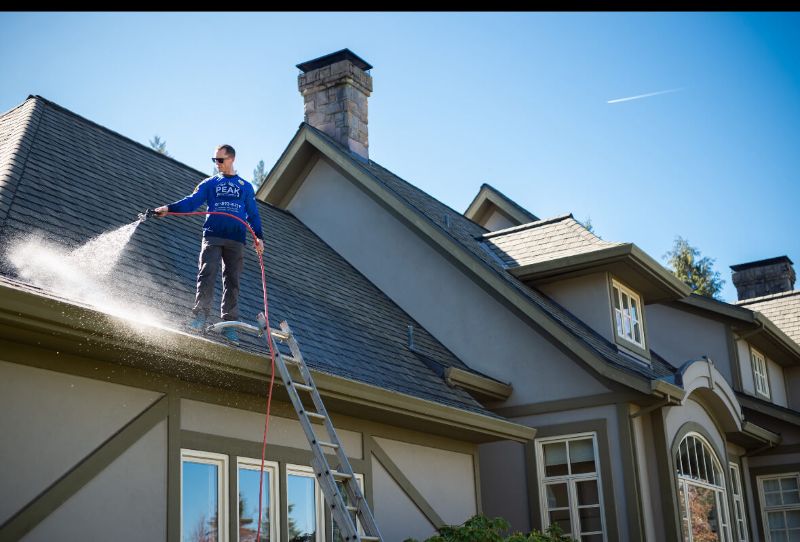
Living under West Linn’s heavy tree canopy means you’re constantly battling moss, algae, needle buildup, and moisture-trapping debris on every exterior surface. You’ll want to soft wash your siding, clean gutters at least twice yearly, and use biodegradable, pH-neutral cleaners to protect your surrounding trees and soil. Trim overhanging branches to improve airflow and reseal wooden surfaces annually. Keep scrolling for a complete surface-by-surface breakdown of what works best for heavily treed Pacific Northwest properties.
Key Takeaways
-
Trim overhanging branches to improve airflow and light, reducing moisture retention that promotes algae, moss, and wood rot on your home’s exterior.
-
Use eco-friendly, biodegradable cleaners with a pH between 6 and 8 to protect surrounding trees and soil from harmful chemical runoff.
-
Soft washing with low pressure and biodegradable detergents is recommended for most siding types, preventing regrowth without risking structural damage.
-
Clean gutters at least twice yearly, scooping bulk debris and flushing with a hose; install fine-mesh guards to reduce future buildup.
-
Follow a seasonal schedule: pressure wash in spring, spot-treat in summer, clear gutters in fall, and inspect drainage in winter.
Why Tree-Covered Homes in West Linn Are Harder to Maintain
Living under a canopy of Douglas firs and big-leaf maples is one of West Linn’s defining charms, but it comes with a relentless maintenance burden most homeowners underestimate.
Tree growth accelerates debris accumulation on your roof, siding, and gutters faster than open-lot properties experience. Seasonal shedding drops needles, seed pods, and decomposing leaves that trap moisture against exterior surfaces, promoting algae, moss, and wood rot.
Wildlife interactions compound these maintenance challenges — squirrels, birds, and insects nest in overhanging branches and deposit organic material directly onto your home.
Left unaddressed, these layers create serious aesthetic concerns, staining surfaces and degrading curb appeal quickly.
You’re not just dealing with dirt; you’re managing a living ecosystem that’s actively working against your home’s exterior integrity year-round.
Eco-Friendly Cleaning Products Safe for Your Surfaces and Surrounding Trees
When you’re cleaning the exterior of a tree-covered home, you’ll want to choose biodegradable cleaners that break down naturally without leaving harmful residues in the soil or on your bark and root systems.
Look for products with a pH level between 6 and 8, since solutions outside that range can damage tree roots and strip protective coatings from your siding or wood surfaces.
Brands like Simple Green Oxy Solve and Spray & Forget are widely available and proven effective for moss and algae removal while remaining safe for the Pacific Northwest’s dense tree canopies.
Biodegradable Cleaners Explained
Homes shaded by mature trees face a recurring tension: keeping exterior surfaces clean without harming the root systems, soil biology, and foliage that make that shade possible.
Biodegradable cleaners dissolve into harmless compounds after use, eliminating the runoff risk that petroleum-based detergents create around West Linn’s Douglas firs and Oregon white oaks.
You’ll find the biodegradable benefits extend beyond tree protection — they’re gentler on concrete, wood siding, and painted surfaces too.
Natural alternatives like plant-derived surfactants and citrus-based degreasers break down organic staining from moss, algae, and sap without leaving toxic residue in your soil.
When you’re selecting a product, confirm it carries a legitimate biodegradable certification rather than relying on vague “eco-friendly” labeling, which often lacks enforceable standards.
Tree-Safe pH Levels
Even if a cleaner carries a biodegradable certification, its pH level determines whether it’s truly safe for the trees surrounding your home.
For tree health, you’ll want products with a pH between 6 and 8—neutral enough to avoid disrupting root absorption or damaging bark.
In West Linn’s Pacific Northwest climate, where heavy rainfall already influences soil acidity, applying acidic or alkaline cleaners near Douglas firs, cedars, or maples compounds the stress.
Before purchasing any exterior cleaner, check the product label or safety data sheet for its pH value. You can also use inexpensive pH test strips to verify.
Rinse treated surfaces thoroughly with water to dilute runoff before it reaches your tree’s root zone and affects the surrounding soil.
How to Remove Moss, Algae, and Needle Buildup From Your Roof
Before you grab a pressure washer, you’ll need to identify what you’re dealing with—moss forms thick, spongy mats that lift shingles, algae leaves dark streaks along roof valleys, and needle buildup creates moisture-trapping debris dams near flashings and gutters.
Once you’ve identified the contamination type, you can match the removal technique to the problem: low-pressure soft washing with a diluted sodium hypochlorite solution works well for algae and moss, while a roof rake or leaf blower safely clears needle accumulation without damaging shingle granules.
Always work from ridge to eave and avoid walking on wet or moss-covered sections, as both conditions dramatically increase your risk of a dangerous slip.
Identifying Roof Contamination Types
Moss, algae, and needle buildup each damage your roof differently, so correctly identifying what you’re dealing with determines which removal method you’ll use.
Moss appears as thick, green, sponge-like growth that lifts shingles and traps moisture. Algae creates dark roof stains — typically black or gray streaks running vertically down your slope.
Needle buildup from Douglas firs and cedars, common contamination sources in West Linn, accumulates in valleys and along ridges, retaining moisture and accelerating organic growth beneath the debris.
You’ll often find multiple contamination types coexisting, particularly on north-facing slopes with heavy canopy coverage.
Before treating anything, inspect your roof from ground level or use binoculars to accurately categorize what’s present. Misidentifying the contamination type leads to ineffective treatment and repeated cleaning cycles.
Safe Removal Techniques
Each contamination type you’ve identified requires a specific removal approach to avoid shingle damage.
For moss, apply a zinc sulfate or potassium soap solution, letting it penetrate before gently scrubbing with a soft-bristle brush. Never use high-pressure washing, as it strips granules and voids manufacturer warranties common with Pacific Northwest roofing materials.
For algae, a diluted bleach solution works effectively when applied with low-pressure equipment. Rinse thoroughly to protect your West Linn landscaping below.
Remove fir and cedar needle buildup using a roof rake or leaf blower on a low setting, clearing valleys and gutters where decomposition accelerates moisture damage.
Invest in tree pruning to reduce future debris accumulation and improve sunlight exposure—your strongest tool for long-term moss prevention on shaded residential rooftops.
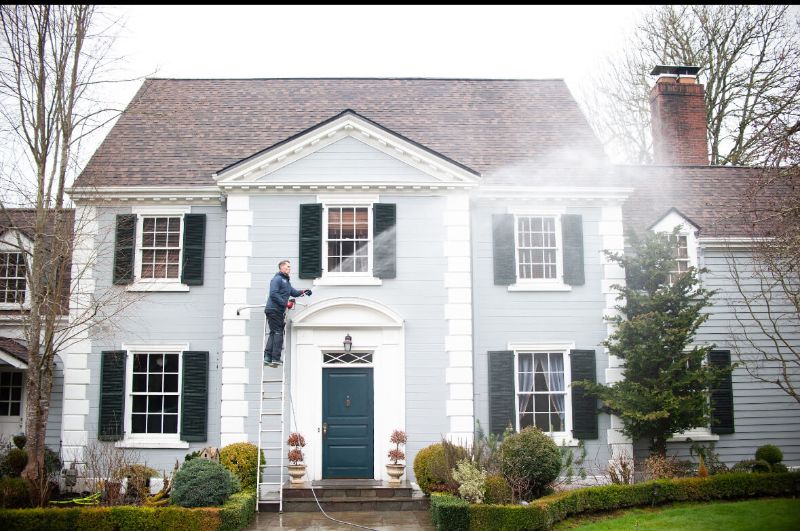
How to Clear Gutters Packed With Tree Debris
Gutters packed with leaves, pine needles, and seed pods can back up fast, especially under a dense tree canopy.
Start your gutter maintenance routine by scooping out bulk tree debris by hand or with a gutter scoop, working toward the downspout. Once you’ve cleared the solid material, flush the gutter with a garden hose to check water flow and spot any low spots or sags.
In West Linn, where Douglas firs and big-leaf maples drop debris year-round, you’ll want to clean gutters at least twice annually—more if you’ve got heavy overhang.
Install fine-mesh gutter guards to reduce future buildup without blocking flow.
Always use a stable ladder and have someone spot you to keep the job safe.
Soft Wash vs. Pressure Wash for Your Siding
When tree canopy keeps your siding in near-constant shade, organic growth like moss, algae, and lichen take hold fast—and that’s where the soft wash versus pressure wash decision matters most.
In West Linn’s wet climate, soft wash benefits outweigh high-pressure methods for most siding types. Soft washing uses low pressure combined with biodegradable detergents to kill organisms at the root, preventing regrowth rather than just surface removal.
Pressure wash risks include cracking fiber cement, forcing water behind lap siding, and stripping paint—damage that’s especially likely on north-facing walls weakened by prolonged shade and moisture.
Reserve pressure washing for concrete surfaces only. For wood, vinyl, or fiber cement siding under heavy tree cover, soft washing delivers thorough, lasting results without compromising your home’s exterior integrity.
How to Remove Lichen and Algae From Driveways and Walkways
Driveways and walkways under tree canopy accumulate lichen and algae faster than sun-exposed surfaces. In West Linn’s rainy climate, that growth can turn concrete and pavers dangerously slick.
For effective lichen removal techniques, start with a stiff brush to break up surface crust. Then apply a diluted sodium hypochlorite solution and let it dwell for 15–20 minutes before rinsing. Avoid high-pressure blasting on older pavers, as it can dislodge jointing sand and crack surfaces.
For algae prevention methods, apply a penetrating biocide sealer after cleaning to inhibit regrowth through the wet season. Trim overhanging branches where possible to increase light and airflow.
Repeat treatment every 12–18 months, or sooner if you notice green discoloration returning between seasonal rains.
How to Clean Your Deck Without Warping or Stripping the Wood
Wooden decks beneath tree cover take a beating in West Linn’s climate—constant moisture, leaf debris, and shade create ideal conditions for mold, mildew, and wood fiber breakdown.
For proper deck maintenance, avoid pressure washing above 1,200 PSI, which strips grain and causes warping. Instead, use a fan-tip nozzle and work with the grain, keeping the wand moving consistently.
Apply an oxygen bleach solution—not chlorine bleach—to lift organic growth without degrading wood fibers. Rinse thoroughly and let the deck dry completely before applying a penetrating sealant.
Wood preservation depends on this sequence: clean, dry, then seal. Skipping the drying phase traps moisture beneath the sealant, accelerating rot.
Re-seal annually to maintain protection against West Linn’s persistent wet seasons.
Seasonal Cleaning Schedule for West Linn Homes Under Tree Cover
Keeping your deck sealed and protected is only one piece of the larger maintenance puzzle for West Linn homes sitting beneath heavy tree canopy. A seasonal tasks approach keeps organic buildup from compounding into costly repairs.
Use this maintenance checklist to stay ahead year-round:
-
Spring: Pressure wash siding, gutters, and roof edges after winter debris accumulation
-
Summer: Spot-treat moss and algae growth on walkways, fences, and siding
-
Fall: Clear gutters aggressively before Douglas fir needle drop peaks in October
-
Winter: Inspect downspouts and drainage pathways for blockages after heavy rain events
Each season brings distinct challenges under West Linn’s dense canopy. Staying proactive rather than reactive prevents moisture damage, wood rot, and staining that accelerates dramatically when organic material sits untreated.
Frequently Asked Questions
Does Tree Cover Affect My Home’s Insurance Rates in West Linn?
Yes, tree cover can affect your insurance rates. You’ll want to discuss coverage considerations and insurance implications with your West Linn provider, as overhanging branches and debris accumulation often influence your home’s risk assessment and premiums.
Can Tree Sap Permanently Stain or Damage Exterior Paint Finishes?
Yes, tree sap can permanently cause paint damage if you don’t address it quickly. Tree sap’s acidic compounds etch into your finish, so you’ll want to remove it promptly using a specialized solvent before it bonds completely.
How Do I Prevent Pests From Nesting in Tree Debris Buildup?
Schedule regular pest prevention inspections and clear tree debris from your home’s exterior monthly. You’ll reduce nesting risks by combining consistent tree maintenance with targeted treatments, keeping West Linn’s common pests like carpenter ants and wasps away effectively.
Are There Local West Linn Ordinances About Trimming Trees Near Homes?
West Linn’s municipal code regulates tree trimming near structures, so you’ll want to check with the city’s Community Development Department for specific property maintenance rules before cutting branches that overhang your home or utility lines.
What Exterior Cleaning Tasks Should I Hire Professionals to Handle?
You’ll want to hire professionals for roof cleaning and gutter maintenance. Both tasks involve heights, specialized equipment, and technical expertise. In West Linn’s tree-heavy environment, pros safely remove moss, debris, and buildup, protecting your home’s structural integrity year-round.
Stay Consistent and Your Exterior Will Hold Up Year-Round
Living under West Linn’s dense tree cover comes with extra upkeep, but the payoff is worth it when you stay ahead of the maintenance. Regular soft washing, clearing debris-filled gutters, and treating moss early all work together to prevent moisture damage and surface deterioration. Timing your cleanings around the Pacific Northwest’s wet seasons helps you stay proactive instead of reacting to bigger issues later.
If your exterior is starting to show buildup or you want help sticking to a reliable maintenance schedule, professional service can make things easier and more effective. Peak Pressure Washing provides exterior cleaning tailored to tree-heavy, moisture-prone environments, using eco-friendly methods that protect both your home and surrounding landscape. Request a free quote today and keep your property clean, protected, and built to handle the elements year-round.