
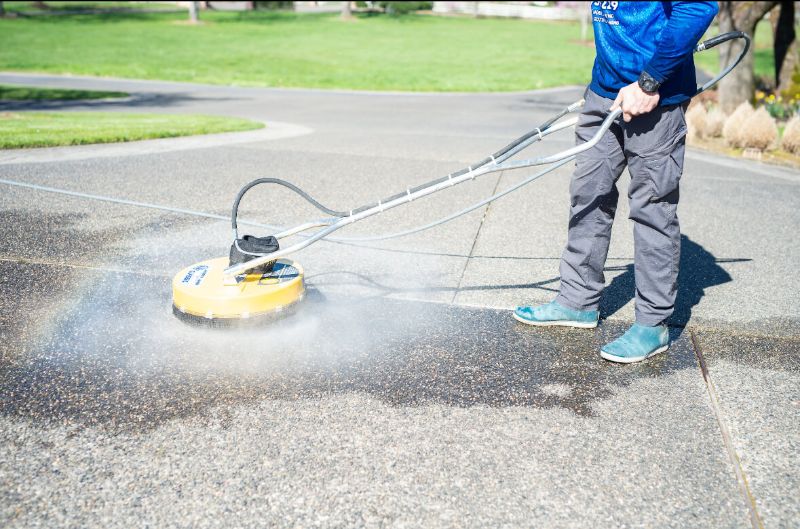
Once October rains arrive, your walkways don’t just get slippery—they become a legal liability. Fallen leaves and moisture accelerate algae and biofilm growth, creating an invisible layer that strips traction from concrete, pavers, and wood. If someone falls, you’re financially exposed. Medical bills and legal settlements can far exceed what preventive maintenance would’ve cost. Understanding exactly how this hazard develops—and how to stop it—can protect your property and your wallet.
Key Takeaways
-
October rains activate dormant algae and moss spores, rapidly transforming walkways into dangerously slippery surfaces that significantly increase fall risks.
-
Invisible biofilm layers reduce surface traction dramatically, making hazards nearly undetectable for family, guests, and customers.
-
Homeowners can face personal injury lawsuits, with medical bills and legal settlements often exceeding insurance coverage limits.
-
Visible moss and algae growth weakens negligence defenses, making liability claims harder to dispute in court.
-
Clogged gutters cause water pooling on walkways, compounding biological growth and worsening hazardous conditions during heavy rainfall.
Why Wet Walkways Turn Dangerous Fast in Fall
When October arrives in Portland, falling leaves, morning dew, and persistent rain create the perfect conditions for dangerously slippery walkways. Organic debris traps moisture against concrete and pavers, accelerating algae and biofilm growth. These microorganisms produce a thin, nearly invisible layer that dramatically reduces surface traction — especially when wet.
You’re dealing with a compounding problem. Rain doesn’t simply wash surfaces clean; it feeds existing biological growth and spreads contaminants across wider surface areas. Without proper moisture management, your walkways become increasingly hazardous throughout the season.
Fall safety isn’t just about raking leaves. The underlying surface condition determines whether your property poses a slip-and-fall liability risk. Waiting until someone gets hurt is far more costly than addressing the root cause before the rainy season intensifies. Compounding this risk, clogged gutters can cause water to overflow and pool directly onto walkways, worsening surface saturation and accelerating the biological growth that makes these areas treacherous.
The Hidden Buildup Making Portland Walkways Slippery
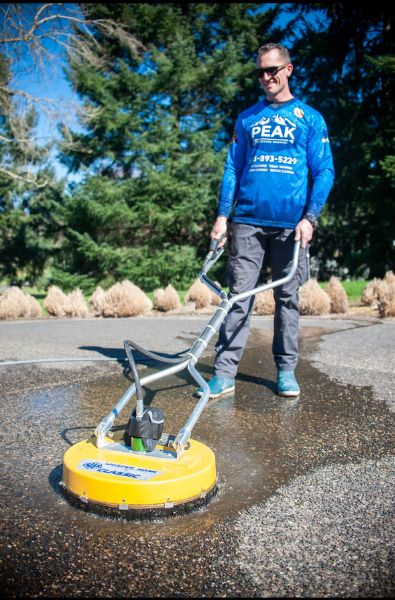
Even if your walkway looks clean, you’re likely dealing with a thin layer of algae or moss that’s nearly invisible until it rains. These organisms thrive in Portland’s mild, wet climate and colonize concrete, pavers, and stone surfaces throughout the fall season. Once moisture activates this biological film, your walkway’s surface friction drops sharply, turning an ordinary path into a genuine slip hazard. Unlike moss, algae prefers sunny water-rich environments, meaning both shaded and exposed sections of your walkway can harbor different organisms that create equally dangerous conditions.
Algae and Moss Growth
Portland’s mild, wet climate creates the ideal breeding ground for algae and moss, and once these organisms take hold on your walkways, they form a thin, invisible film that dramatically reduces traction underfoot. Without proper algae prevention and moss treatment, here’s what’s quietly happening beneath your feet:
-
Algae colonies establish within surface pores, creating a slick, biofilm layer that worsens dramatically when wet.
-
Moss root systems penetrate concrete and paver joints, lifting surfaces and creating uneven, unstable footing.
-
Organic debris accumulation accelerates spore settlement, compounding growth cycles each successive rain season.
Shade from overhanging trees compounds the problem further, as trimming overhanging trees reduces the moisture retention and darkness that algae and moss depend on to spread across walkway surfaces.
Wet Surface Danger
October’s persistent rainfall doesn’t just make Portland walkways wet—it activates a complex layering of organic buildup that’s been accumulating on your surfaces since spring. Dormant algae spores, embedded moss rhizoids, and compacted debris absorb moisture rapidly, transforming textured concrete and pavers into slippery surfaces within hours of rainfall.
What makes this particularly dangerous is the invisibility of the hazard. Thin biofilm layers don’t always appear visibly green or dirty, yet they reduce surface friction dramatically. Without proper safety precautions, you’re exposing family members, guests, and customers to fall risks that carry serious liability consequences.
Addressing this buildup before October rains intensify is the only reliable strategy. Professional pressure washing removes the biological material causing slippage, restoring your walkway’s original traction and safety profile. Similarly, neglected gutters can overflow onto walkways, accelerating moisture and biofilm accumulation that compounds the slip hazard you’re already working to eliminate.
Which Portland-Area Surfaces Are Most at Risk in October
Not all surfaces weather October’s conditions equally—concrete walkways, brick pavers, wooden decks, and stone paths are your highest-risk surfaces as organic matter embeds into their porous textures. If your property sits in shaded, low-lying areas common to neighborhoods like Happy Valley or West Linn, you’re facing accelerated moss and algae colonization. Driveways, entry paths, and back patio surfaces take the hardest hit, making them dangerously slick well before you notice visible growth. Water trapped in concrete micro-pores can trigger freeze-thaw fractures that compound surface damage and further accelerate hazardous conditions as temperatures fluctuate through the season.
High-Risk Surface Types
As October’s rain returns to the Portland area, certain surfaces become markedly more hazardous than others due to their texture, material composition, and exposure to organic growth. Slippery surfaces develop fastest where moisture and organic material combine. Seasonal maintenance becomes critical on the following high-risk surface types:
-
Concrete walkways and driveways – Porous surfaces trap algae and mold spores, accelerating biofilm development once rain arrives.
-
Wooden decks and stairs – Grain texture retains moisture, making them prime zones for moss and mildew accumulation.
-
Paver pathways and patios – Joint gaps collect organic debris, creating uneven, slick surfaces that worsen with each rainfall.
Identifying these surfaces early allows you to prioritize cleaning before hazardous conditions escalate. Clogged gutters that overflow onto these surfaces accelerate moisture buildup, which is why cleaning gutters twice yearly in spring and fall is a critical part of keeping surrounding walkways safer during Portland’s wet season.
Problem Areas Around Portland
Portland’s wet climate creates high-risk conditions across several specific surface types and locations that homeowners should address before October’s rain fully sets in. Shaded driveways in neighborhoods like Happy Valley and West Linn accumulate algae rapidly once moisture returns. North-facing walkways throughout Clackamas and Oregon City rarely dry between rainstorms, accelerating slippery conditions that develop faster than most homeowners expect. Composite decks in Gresham and Milwaukie trap organic debris that turns dangerously slick overnight. Concrete patios and stepping stones in Beaverton and Portland’s inner eastside collect moss year-round, requiring proactive safety measures before foot traffic increases. The same moss and moisture retention that shortens roof lifespans works against walkways and hardscapes the same way, quietly weakening surfaces and creating hazardous conditions over time. If you haven’t inspected these surfaces since summer, you’re already behind. October doesn’t give you a warning before someone slips — it just rains.
Why Portland Homeowners Can’t Ignore the Liability Risk
When slippery walkways cause a visitor or delivery driver to fall on your property, you could face a personal injury lawsuit that costs far more than any cleaning service. Liability awareness isn’t optional—it’s a core part of homeowner responsibilities in Oregon’s wet climate.
Here’s what’s at stake if you ignore it:
-
Medical bills from injuries sustained on your property can reach tens of thousands of dollars.
-
Legal fees and settlements often exceed what homeowner’s insurance fully covers.
-
Negligence claims become harder to defend when moss and algae buildup is visibly present.
Autumn rain accelerates surface growth rapidly. Keeping walkways clean isn’t just cosmetic—it’s your legal protection against preventable accidents. Applying sealants after cleaning creates a protective barrier that slows the return of algae and organic buildup, reducing how often dangerous conditions develop in the first place.
How Professional Walkway Cleaning Eliminates the Hazard
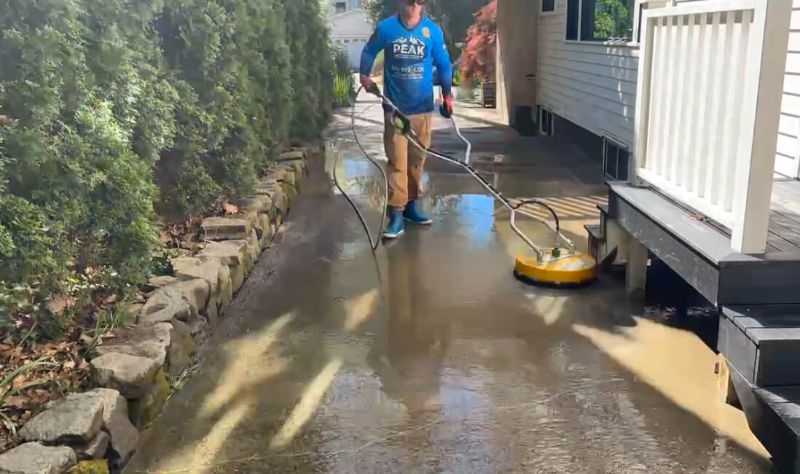
Professional walkway cleaning doesn’t just remove surface dirt—it eliminates the biological growth that makes autumn walkways genuinely dangerous. Moss, algae, and mold anchor themselves into concrete and pavers at the root level. Surface scrubbing won’t reach them. Professional equipment delivers controlled pressure that extracts these organisms entirely, preventing regrowth weeks after treatment.
Effective walkway maintenance also includes applying post-treatment solutions that inhibit biological return through winter moisture cycles. You’re not just cleaning for today—you’re protecting against the next three months of rain accumulation.
These safety measures work because they address the actual hazard mechanism rather than masking it. Once biological growth is fully removed and treated, traction returns to the surface, and your liability exposure drops considerably before Portland’s wettest season peaks.
Why October Is the Window for Walkway Cleaning in Portland
October sits at the exact intersection of biological activity and incoming hazard in Portland’s seasonal calendar. Moss, algae, and biofilm have spent summer establishing deep root systems across your concrete and pavers. Rain accelerates their spread while simultaneously making untreated surfaces dangerously slick. Seasonal maintenance during October addresses the problem before freeze-thaw cycles bond organic growth even deeper into surface pores.
Here’s why October is your critical window for walkway safety:
-
Biofilm reaches peak density before cold temperatures slow professional treatment effectiveness.
-
Pre-winter cleaning prevents organic matter from compressing under rain saturation and foot traffic.
-
Treated surfaces have adequate dry time before Portland’s heaviest rainfall arrives in November.
Miss this window, and you’re managing liability rather than preventing it.
Frequently Asked Questions
How Much Does Professional Walkway Cleaning Typically Cost in Portland?
You’ll typically pay $100–$300 for professional walkway maintenance in Portland, depending on size and condition. Your cleaning frequency affects long-term costs—regular cleanings prevent buildup that’s harder and pricier to remove later.
Can I Use Store-Bought Treatments Instead of Hiring a Professional?
You can try store-bought effectiveness, but it’s limited. DIY safety risks rise without proper equipment and technique. Professional treatment penetrates deeper, removes embedded algae, and delivers longer-lasting protection against Portland’s wet season slipping hazards.
How Long Does a Professional Walkway Cleaning Service Usually Take?
Most walkways take 1–2 hours depending on size and buildup. You’ll restore walkway safety faster with professional equipment, and maintaining proper cleaning frequency guarantees Oregon’s fall rains don’t turn your surfaces into a recurring liability.
Will Pressure Washing Damage Older or More Delicate Walkway Surfaces?
It won’t if you hire professionals who adjust pressure washing techniques to match your surface type. They’ll use lower PSI settings and soft washing methods, ensuring surface protection for older concrete, brick, or delicate pavers without causing erosion or damage.
How Often Should Portland Homeowners Schedule Professional Walkway Cleaning Annually?
You should schedule professional walkway maintenance at least twice yearly — once in spring and again before fall rains arrive. Taking these seasonal precautions prevents dangerous moss and algae buildup that Portland’s wet climate consistently accelerates on your surfaces.
Conclusion
Don’t wait for someone to slip before you take action. Once October’s rains arrive in Portland, your untreated walkways become a genuine liability risk — not just a cosmetic issue. Moss, algae, and surface grime turn dangerous fast when they’re wet, and you can’t undo a fall after it happens. Scheduling professional concrete cleaning and moss removal now gives your surfaces the traction they need before conditions worsen. The window is narrow — use it.