
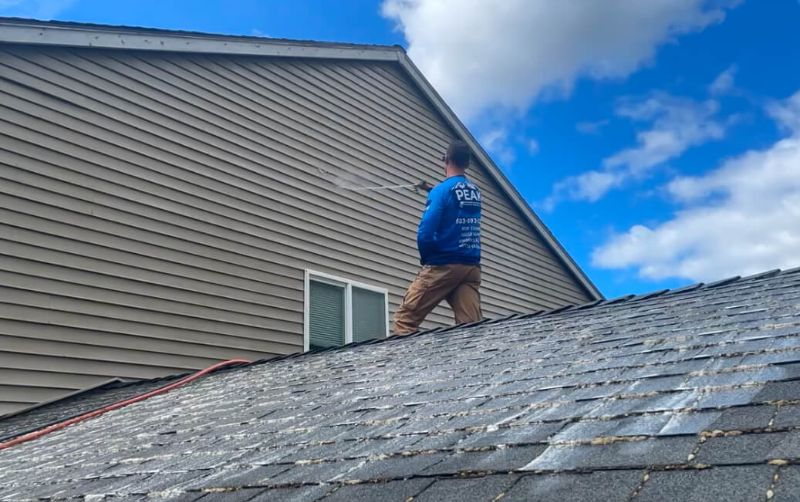
School districts schedule exterior cleaning during summer break because it’s the only time you can access every surface without disrupting students or staff. Empty campuses let contractors work across multiple buildings simultaneously, compressing timelines and aligning with fiscal year budgets. Dry summer weather also supports faster drying and better results. If you want to understand exactly what’s involved — from compliance requirements to planning a full campus scope — keep going.
Key Takeaways
-
Summer break gives contractors unobstructed access to all exterior surfaces without disrupting students, staff, or daily school operations.
-
Dry summer weather in Portland supports faster drying and more effective pressure washing results across campus surfaces.
-
Simultaneous cleaning across multiple buildings compresses timelines and aligns with fiscal year budget cycles.
-
Completing cleaning before fall ensures facilities meet safety compliance benchmarks and pass inspections before the academic year begins.
-
Addressing moss, algae, and debris during summer prevents structural deterioration and reduces costly repairs throughout the school year.
Why Summer Break Is the Right Window for School Cleaning
Summer break gives school districts a rare operational window that’s nearly impossible to replicate during the academic year. Without students, staff, and summer activities filling campuses, contractors can access every exterior surface without scheduling conflicts or safety concerns.
You can coordinate roof cleaning, concrete washing, and moss removal across multiple buildings simultaneously, compressing project timelines considerably.
This window also aligns with budget considerations tied to fiscal year cycles, allowing districts to plan expenditures before the new school year budget activates.
Dry summer weather in the Portland area supports faster drying times and more effective soft washing results. You’re not working around class schedules or occupied parking lots — every surface stays accessible, letting crews move efficiently from building to building without interruption.
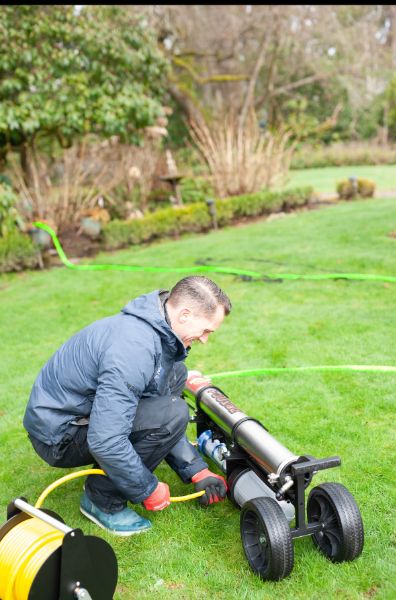
Surfaces That Take the Most Abuse During the School Year
Once you’ve identified summer break as your cleaning window, the next step is knowing where to direct resources first. High traffic areas take the most punishment during the school year, and they show it clearly by June.
Entryways, covered walkways, and gymnasium exteriors accumulate compacted dirt, gum residue, and biological growth that routine maintenance can’t address. Concrete pathways and asphalt-adjacent surfaces collect oil, tire marks, and organic debris.
Environmental factors compound the damage considerably. Portland’s wet winters accelerate moss and algae growth on rooflines, sidewalks, and shaded building walls. Gutters clog with leaf debris, and drains back up near high-use zones.
Prioritizing these surfaces first guarantees your cleaning crew targets areas where deterioration is fastest and where neglect creates the greatest safety and structural risk.
How Pressure Washing Protects School Buildings Long-Term
When you schedule regular pressure washing for your school buildings, you’re doing more than improving appearances—you’re actively preventing the surface deterioration that leads to costly repairs. Biological growth like moss, algae, and mold breaks down concrete, roofing, and siding over time, but consistent cleaning eliminates these threats before they compromise structural integrity. Additionally, employing professional pressure washing ensures a thorough cleaning that reduces safety risks and enhances the longevity of building materials.
Prevents Surface Deterioration
Dirt, moss, algae, and mold don’t just look bad on school buildings—they actively break down surfaces over time. These contaminants trap moisture against concrete, brick, wood, and siding, accelerating cracks, rot, and structural weakening.
Regular pressure washing removes these threats before they cause irreversible damage. Consistent surface maintenance extends the lifespan of walkways, building exteriors, roofs, and parking areas.
When you allow biological growth to accumulate season after season, you’re shortening the life of materials that cost considerably more to replace than to maintain.
Scheduling exterior cleaning during summer break supports long-term property preservation by addressing buildup before fall and winter moisture worsens the damage.
You protect school infrastructure now and reduce costly repairs in future budget cycles.
Eliminates Harmful Biological Growth
Biological growth on school buildings goes beyond cosmetic issues—moss, algae, mold, and lichen are living organisms that anchor into surface materials and expand over time.
Left untreated, they accelerate surface deterioration and compromise indoor air quality by releasing spores into ventilation systems.
Scheduling biological removal during summer break gives your cleaning crews full access to rooflines, walkways, and exterior walls without disrupting students or staff.
Professional pressure washing eliminates these organisms at the root level, stopping regrowth cycles before the school year begins.
The health benefits extend beyond surface appearance—removing mold and algae reduces allergen exposure for students with respiratory sensitivities.
Treating affected surfaces during the off-season also gives sealants and treatments adequate curing time before daily foot traffic resumes.
Extends Building Lifespan
Surface deterioration on school buildings accelerates when contaminants like dirt, mold, algae, and hard water deposits are left to break down exterior materials over time. These substances trap moisture against concrete, brick, wood, and siding, weakening structural integrity and accelerating decay.
Consistent building maintenance through professional pressure washing removes these damaging agents before they compromise surface materials.
The longevity benefits are measurable. Clean exteriors resist moisture penetration more effectively, reducing the likelihood of cracking, spalling, and premature material failure.
You’re extending the functional lifespan of roofing, siding, and hardscape surfaces by keeping them free of corrosive buildup. Scheduled exterior cleaning during summer break allows your district to address these concerns systematically, protecting capital investments and reducing the frequency of costly structural repairs down the line.
What Portland School Districts Actually Clean Each Summer
Each summer, Portland-area school districts tackle a consistent list of exterior cleaning priorities before students return in the fall.
Exterior aesthetics and playground maintenance both factor into these annual routines, keeping campuses safe and presentable.
Districts typically focus on three core areas:
-
Building exteriors – Washing facades, entryways, and covered walkways to remove moss, algae, and dirt buildup accumulated over the school year.
-
Concrete and hardscape surfaces – Cleaning sidewalks, courtyards, and parking lots that handle heavy daily foot and vehicle traffic.
-
Playground equipment and surrounding areas – Removing grime, mold, and organic growth from structures and adjacent surfaces.
These priorities reflect a practical approach to facility upkeep. Regular inspections help prevent costly future repairs, ensuring that all surfaces remain in optimal condition.
Addressing them during summer break minimizes disruption and guarantees every surface is clean before staff and students arrive.
Safety and Compliance Reasons Behind Exterior Cleaning Schedules
When you look at why school districts schedule exterior cleaning, safety and compliance requirements drive most of the decisions.
Moss, algae, and biofilm on walkways, steps, and entry surfaces create measurable slip hazards that expose districts to liability, particularly during Oregon’s wet fall and winter months.
Beyond injury prevention, districts must also meet code compliance standards and maintain inspection-ready facilities, meaning clean exteriors aren’t optional—they’re a documented operational requirement. Regular gutter cleaning schedules are essential to preventing water-related damage and ensuring safe premises.
Slip Hazard Reduction
Wet surfaces covered in moss, algae, or biofilm become dangerously slippery, and school districts carry direct liability when students, staff, or visitors slip and fall on neglected walkways, ramps, or entries.
Integrating slip prevention into your maintenance schedule directly supports broader safety protocols. Summer break gives crews unrestricted access to clean high-risk zones before fall foot traffic returns.
Prioritize these three areas during exterior cleaning:
-
Entrance ramps and ADA pathways – biofilm accumulates quickly and creates invisible slip hazards
-
Covered walkways and breezeways – shade and moisture accelerate moss and algae growth
-
Exterior stairwells – textured surfaces trap organic debris, reducing traction considerably
Addressing these zones during summer keeps liability exposure low and guarantees surfaces meet safety standards before school resumes.
Code Compliance Requirements
Beyond slip liability, school districts must meet specific code compliance requirements that directly tie exterior cleanliness to scheduled maintenance. Regulatory standards set by state education agencies and local building authorities often mandate that school facilities remain free of biological growth, debris accumulation, and surface deterioration that could compromise structural integrity or student safety.
When you’re managing a school district, you can’t treat exterior cleaning as optional. Inspectors evaluate walkways, rooflines, drainage systems, and building facades against established benchmarks. Failing those evaluations triggers corrective action orders, potential fines, and delayed facility reopening approvals.
Scheduling pressure washing during summer break lets your maintenance team address compliance deficiencies before fall inspections begin. It keeps your facilities aligned with regulatory standards without disrupting the academic calendar or creating safety concerns around active student populations.
Inspection Readiness Standards
Inspection readiness standards require your facilities to meet documented cleanliness and safety benchmarks before the start of each academic year.
Aligning exterior cleaning with your maintenance schedules guarantees you’re prepared when inspection protocols are initiated. Summer break gives your team the window needed to address three critical compliance checkpoints:
-
Surface documentation – Clean walkways, entries, and facades must be photographed and logged as part of your inspection records.
-
Hazard elimination – Moss, algae, and biological growth on roofs and concrete must be removed before inspectors assess slip and fall risks.
-
Structural visibility – Clean surfaces allow inspectors to identify cracks, deterioration, or drainage issues accurately.
Scheduling professional exterior cleaning before inspections helps your district avoid costly delays and compliance violations.
How to Plan a Commercial Cleaning Scope for a School Campus
Planning a commercial cleaning scope for a school campus starts with a thorough walkthrough of every exterior surface you’ll be responsible for maintaining. Document each surface type, square footage, and condition during your walkthrough. Clear scope definition prevents miscommunication and keeps your project on track.
Break the campus into zones: buildings, walkways, parking areas, rooftops, gutters, and fencing. Prioritize surfaces that affect safety and inspection compliance first.
Once you’ve mapped every area, match each task to the appropriate cleaning method—soft washing, pressure washing, or manual scrubbing. Regular maintenance, including gutter functionality, is crucial to prevent water-related damages.
For budget considerations, factor in surface complexity, chemical requirements, crew size, and project duration. Itemizing costs per zone helps you identify where to adjust without cutting critical services.
A detailed scope protects both your timeline and your bottom line.
Frequently Asked Questions
How Long Does a Full School Campus Exterior Cleaning Typically Take?
A full school campus exterior cleaning typically takes two to five days, depending on size. You’ll want to align your cleaning frequency with summer maintenance schedules to guarantee crews complete all surfaces before students return.
Does Pressure Washing Remove Graffiti From School Buildings and Equipment?
Yes, pressure washing can remove graffiti from school buildings and equipment. You’ll get the best results when you combine high-pressure water with specialized graffiti removal solutions, effectively restoring surfaces without causing damage to the underlying materials.
Can Exterior Cleaning Services Be Completed Over a Single Weekend?
Some projects fit into weekend scheduling, but larger campuses may require multiple visits. You’ll maximize service efficiency by coordinating with Peak Pressure Washing early to assess your property’s scope and plan accordingly.
Are Eco-Friendly Cleaning Solutions Safe Around School Garden Areas?
Yes, you’ll find eco-friendly benefits include biodegradable formulas that won’t harm soil or plants, ensuring garden safety. These solutions break down safely, protecting your school’s garden areas while still delivering effective exterior cleaning results.
Do Cleaning Crews Need Special Access Permits for School District Properties?
You’ll typically need to coordinate with district facilities management to secure access regulations and permits. Verify your cleaning protocols align with school security requirements, including background checks, badge systems, and designated entry points for crews.
Conclusion
Scheduling exterior cleaning during summer break isn’t just convenient — it’s the smartest way to protect your district’s infrastructure and prepare campuses for the year ahead. You’ve got uninterrupted access, ideal working conditions, and no operational disruptions. Use that window to address rooftops, concrete, facades, and drainage systems before students return. When you plan your cleaning scope early, you’re extending building lifespans, staying compliant, and ensuring every campus looks and functions at its best come September.