
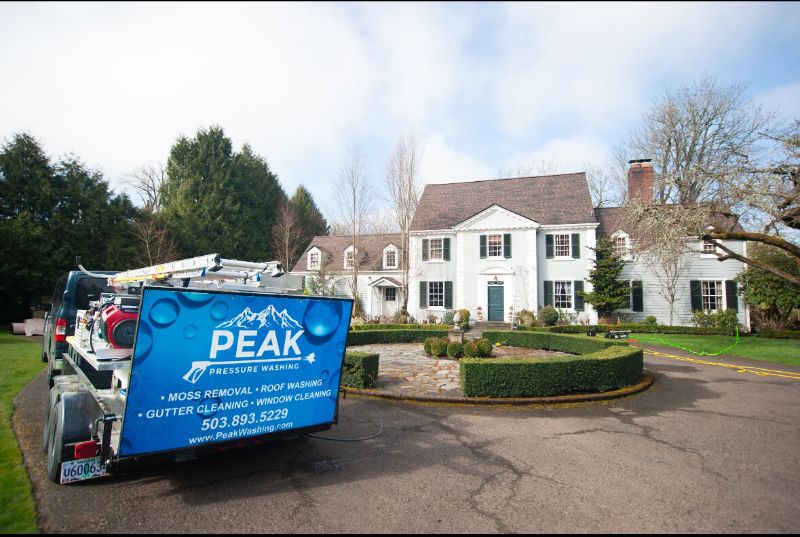
Your Lake Oswego home sits in a climate that averages over 37 inches of rain annually, creating persistent moisture that fuels algae, moss, lichen, and mold growth on roofs and siding year-round. These organisms don’t just look bad — they actively decay shingles, warp siding, and compromise structural integrity over time. Regular professional cleaning every one to two years isn’t optional here; it’s essential protection. Keep going to understand exactly what’s threatening your home and how to stop it.
Key Takeaways
-
Lake Oswego receives over 37 inches of annual rainfall, creating persistent moisture that accelerates biological growth on roofs and siding.
-
The Pacific Northwest climate fosters algae, moss, lichen, and mold growth, particularly on shaded surfaces that dry slowly.
-
Moss roots penetrate shingles and trap moisture, while algae secretes acids that degrade siding materials and paint bonds.
-
Most Lake Oswego homes require professional cleaning every one to two years to prevent costly structural damage.
-
Shaded vinyl and fiber cement siding may need annual cleaning due to accelerated biological growth in low-light conditions.
Why Lake Oswego’s Climate Is So Hard on Your Roof and Siding
Lake Oswego receives over 37 inches of rainfall annually, and that persistent moisture is the single greatest threat to your home’s exterior surfaces.
The Pacific Northwest climate creates ideal conditions for algae, moss, lichen, and mold to colonize your roof shingles and siding. Seasonal moisture cycles — wet winters followed by dry summers — cause organic growth to expand and contract, accelerating material breakdown.
Moss roots penetrate asphalt shingles, lifting edges and compromising waterproofing. On siding, biofilm retains moisture against the surface, promoting rot and premature paint failure.
You’re not just dealing with cosmetic discoloration; you’re facing structural degradation that shortens your roof’s lifespan by years.
Understanding these climate-driven threats helps you make smarter decisions about cleaning frequency and protective treatments.
What’s Actually Growing on Your Roof and Siding?
When you look at the dark streaks and fuzzy patches on your Lake Oswego roof and siding, you’re actually seeing a mix of algae, moss, lichen, and mildew — each thriving in the region’s persistently damp conditions.
Moisture is the common driver behind all of these growths, as it creates the ideal environment for spores to anchor, colonize, and spread across porous surfaces like asphalt shingles and wood siding.
Identifying what’s actually growing on your home matters because each organism requires a specific removal approach and, left untreated, all of them accelerate surface deterioration.
Common Biological Growth Types
The Pacific Northwest’s damp climate makes Lake Oswego roofs and siding prime real estate for biological growth, but not everything you see is the same organism. Each type behaves differently and requires targeted treatment.
Moss forms thick, spongy mats that lift shingles and trap moisture. Proper moss identification reveals root-like rhizoids penetrating roofing materials.
Algae appears as dark streaks or greenish film, particularly on north-facing surfaces. Early algae prevention saves significant repair costs by stopping deterioration before it escalates.
Lichen combines fungus and algae into a stubborn, barnacle-like growth that chemically bonds to surfaces, making removal more aggressive.
Mildew and mold thrive on siding, penetrating paint layers and compromising structural integrity if untreated.
Knowing what you’re dealing with determines which cleaning method actually works.
Moisture’s Role in Growth
Moisture drives nearly every biological growth problem Lake Oswego homeowners face on their roofs and siding. The Pacific Northwest’s persistent rainfall, heavy fog, and limited winter sunlight create ideal conditions for algae, moss, lichen, and mold to thrive.
When your surfaces retain water longer than they should, moisture retention accelerates biological colonization considerably. Shaded north-facing sections of your roof and siding dry out slower, making them prime targets for aggressive growth.
Porous materials like wood shakes and certain asphalt shingles absorb moisture readily, embedding organisms deeper into surface fibers over time. Understanding this connection between trapped moisture and biological spread is essential for effective growth prevention.
Reducing moisture retention through proper cleaning, ventilation, and maintenance directly limits the conditions these organisms need to establish and expand.
How Moss and Algae Rot Shingles and Warp Siding Over Time
Once moss takes hold on your shingles, its root-like structures called rhizoids penetrate the granule layer and underlying asphalt, breaking down the material that keeps water out.
Over time, this biological infiltration accelerates moisture retention, causing shingles to crack, curl, and decay far ahead of their expected lifespan.
Algae presents a different but equally destructive threat to your siding, secreting acids that degrade wood fibers, vinyl surfaces, and paint bonds, ultimately warping and weakening the material from the outside in.
Moss Accelerates Shingle Decay
Moss and algae don’t just sit harmlessly on your roof—they actively break down the materials beneath them. Moss roots penetrate asphalt shingles, lifting granules and creating microscopic cracks where moisture infiltrates.
Once water gets underneath, freeze-thaw cycles accelerate structural damage, causing shingles to curl, crack, and fail prematurely. Algae produce acids that degrade shingle composition over time, compromising their waterproofing integrity.
Lake Oswego’s wet climate makes roofs particularly vulnerable, since prolonged moisture creates ideal conditions for rapid moss colonization. Without timely moss removal, what starts as surface-level growth becomes a costly replacement problem.
Scheduling preventive maintenance before moss establishes deep root systems protects your shingle investment and extends roof lifespan considerably. Addressing growth early is always more cost-effective than replacing structurally compromised roofing materials.
Algae Warps Siding Materials
Algae growth on siding does far more damage than cosmetic staining—it actively degrades the structural integrity of wood, vinyl, and fiber cement materials over time.
As algae colonies spread, they retain moisture against the siding surface, creating conditions that accelerate warping, cracking, and material breakdown.
Wood siding becomes particularly vulnerable, as prolonged moisture exposure leads to rot and structural failure. Vinyl siding, while more resistant, can still buckle under sustained biological growth and trapped humidity.
Fiber cement isn’t immune either—algae infiltration weakens its composite layers.
Prioritizing professional algae removal prevents irreversible warping and extends your siding’s lifespan considerably.
Consistent siding maintenance, including periodic cleaning and inspection, protects your Lake Oswego home’s exterior from costly deterioration caused by unchecked biological growth.
Signs Your Lake Oswego Roof or Siding Is Overdue for Cleaning
If your roof shingles have taken on a dark, streaky appearance or your siding looks perpetually damp even during dry weather, your home’s exterior surfaces are overdue for a professional cleaning.
Roof discoloration causes typically include gloeocapsa magma, a cyanobacteria that leaves black streaks across asphalt shingles.
Siding damage indicators worth monitoring include visible green or black patches, chalky residue, peeling paint, and warped or buckled panels.
You’ll also notice efflorescence on masonry surfaces and persistent moisture near your foundation.
These warning signs don’t resolve independently. Biological growth continues spreading until you intervene with targeted cleaning methods.
Catching these indicators early prevents accelerated material degradation and keeps replacement costs manageable.
Schedule an inspection immediately if you’re observing two or more of these conditions simultaneously.
How Often Should Lake Oswego Homes Be Cleaned?
How frequently you should clean your Lake Oswego home’s exterior depends on the specific materials involved, your property’s sun exposure, and proximity to tree canopy cover.
In the Pacific Northwest’s wet climate, most homes require professional cleaning every one to two years. However, if your roof or siding sits beneath dense Douglas fir or cedar trees, you’ll likely need annual seasonal maintenance to prevent accelerating moss and algae colonization.
Your cleaning frequency should also account for material type. Cedar shake roofs accumulate biological growth faster than composite shingles, demanding more aggressive scheduling.
Vinyl and fiber cement siding in shaded areas typically require annual attention. Tracking visible growth patterns between cleanings helps you establish a precise, property-specific schedule rather than defaulting to a generic timeline.
Soft Washing vs. Pressure Washing: What Works on Lake Oswego Homes?
Choosing the wrong cleaning method for your Lake Oswego home’s exterior can accelerate material degradation just as surely as neglecting maintenance altogether.
Pressure washing drawbacks become evident on Cedar shake siding, composite roofing, and painted wood surfaces — high PSI strips protective coatings, forces water beneath materials, and voids manufacturer warranties.
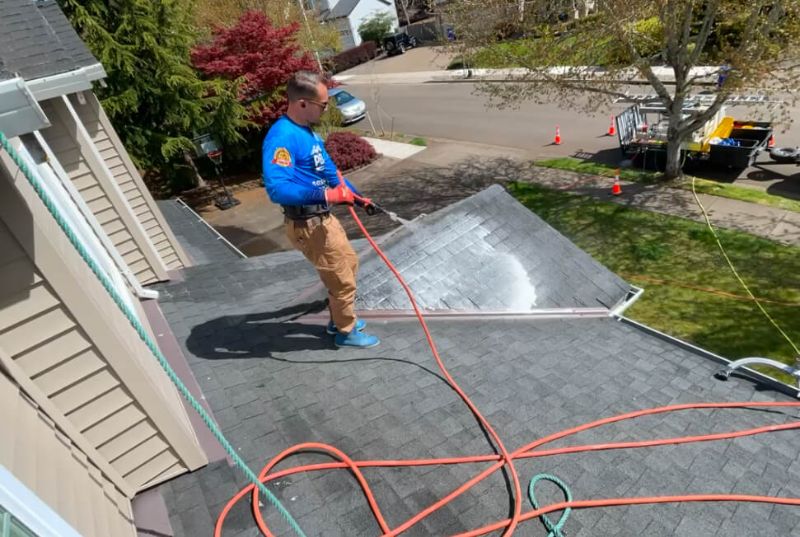
Soft washing benefits are particularly relevant in Lake Oswego’s wet climate. This low-pressure technique combines biodegradable detergents with controlled water flow to eliminate algae, moss, and biofilm without compromising structural integrity.
It treats the biological source of staining rather than simply blasting surface debris.
Reserve pressure washing strictly for concrete driveways and masonry hardscapes where material density withstands the force.
Your roof and siding require soft washing’s precision-driven approach every time.
Frequently Asked Questions
Does Roof Cleaning Affect My Homeowner’s Insurance Policy in Lake Oswego?
Regular roof cleaning can positively impact your insurance coverage in Lake Oswego. Many insurers reward maintained roofs with better rates, while neglected ones risk policy implications like reduced claims coverage or potential policy cancellation.
Can I Claim Roof Cleaning as a Tax Deduction for My Home?
You can’t typically claim roof cleaning as a personal tax deduction. However, if you’re renting your Lake Oswego property, you’ll find cleaning expenses qualify for tax benefits as legitimate rental property maintenance deductions.
Will Cleaning Remove My Roof’s Factory-Applied Protective Coating?
Proper cleaning methods won’t remove your roof’s factory-applied protective coatings. You’ll want to avoid high-pressure washing, as it can damage them. Instead, opt for soft washing techniques that effectively clean without compromising your roof’s protective integrity.
Are Cleaning Chemicals Safe for My Lake Oswego Garden and Pets?
When you choose eco-friendly options, you’ll protect your Lake Oswego garden and guarantee pet safety. Reputable contractors use biodegradable, low-toxicity solutions that won’t harm plants or animals once they’ve properly dried and rinsed away.
Does Roof Cleaning Increase My Lake Oswego Home’s Resale Value?
Yes, roof maintenance directly boosts your Lake Oswego home’s resale value. You’ll align with local resale trends by presenting a clean, damage-free roof, signaling buyers you’ve prioritized upkeep—making your property more competitive and commanding stronger offers.
Stay Ahead of Lake Oswego’s Year-Round Moisture Cycle
In a climate like Lake Oswego’s, moss, algae, and moisture aren’t seasonal problems—they’re constant pressures on your home’s exterior. Once buildup starts, it can quickly spread and begin breaking down shingles, siding, and other surfaces. Acting early with the right cleaning approach helps stop that progression before it leads to costly repairs or shortened material lifespan.
Routine soft washing is one of the most effective ways to protect your home from ongoing exposure. It safely removes organic growth while preserving delicate surfaces and finishes. If you’re seeing early signs of buildup, professional treatment can help reset your exterior and keep it protected. Peak Pressure Washing provides soft washing services tailored to moisture-heavy environments. Request a free quote today and keep your home clean, protected, and built to handle the elements year-round.