
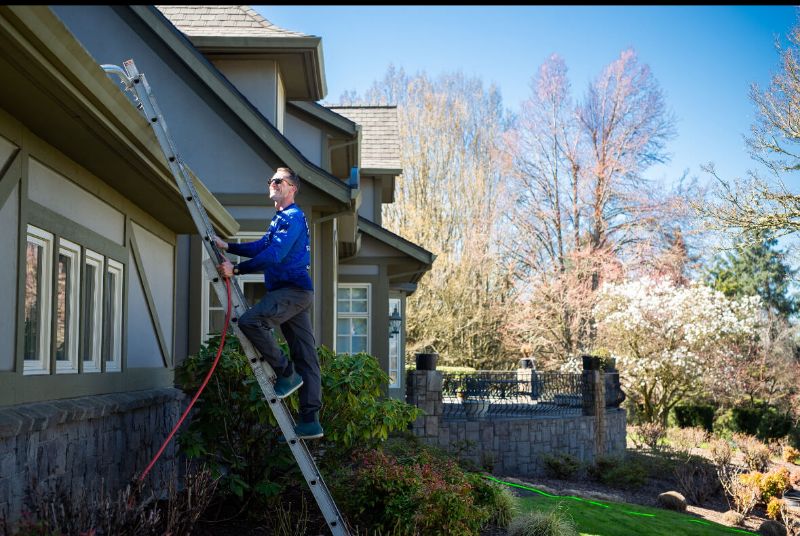
That dark buildup on your gutters is called tiger striping, and it’s caused by electrostatic bonding between negatively charged particles and your gutter’s surface. Rainwater carries asphalt particles from your shingles, air pollution, and organic debris directly into your gutters, where they concentrate along edges and seams. Oxidation then roughens the surface, making it trap even more grime over time. Understanding what each buildup pattern signals can help you catch serious structural problems before they compound.
Key Takeaways
-
Dark streaks on gutters, called “tiger striping,” result from electrostatic bonding of asphalt particles, dirt, and organic debris carried by rainwater.
-
Buildup locations signal specific problems: near downspouts indicates blockages, along seams suggests failing sealant, and along back walls signals improper slope.
-
Although tiger striping is primarily cosmetic, it signals neglected maintenance and can accelerate oxidation and corrosion over time.
-
Minor streaking can be cleaned with a soft brush and mild detergent, but sagging, leaks, or rot require professional assessment.
-
Preventive measures include installing gutter guards, cleaning twice yearly, trimming overhanging branches, and applying sealant to slow oxidation.
The Real Cause of Dark Streaks on Gutters
Those dark streaks running down your gutters aren’t simply dirt or mold—they’re the result of a specific chemical reaction called “tiger striping.”
Electrostatic bonding causes negatively charged particles from asphalt shingles, air pollution, and decomposing organic matter to fuse with the positively charged outer surface of your gutters.
This bonding makes standard gutter maintenance ineffective. Regular water rinsing won’t break the electrostatic charge holding these particles in place.
You’ll need specialized cleaning techniques involving alkaline-based cleaners or dedicated gutter brighteners that chemically neutralize and lift the bonded particles.
Understanding what’s actually causing the discoloration changes your entire approach.
You’re not just removing surface grime—you’re reversing a chemical bond. Using the wrong products wastes time and risks damaging your gutters’ finish permanently.
Why Roof Runoff and Oxidation Speed Up Gutter Grime
When rain hits your roof, it picks up asphalt particles, dirt, and organic debris before channeling into your gutters, depositing a concentrated layer of grime along the inner and outer edges.
At the same time, your aluminum or galvanized gutters undergo oxidation, which breaks down the metal’s surface and creates a rough, porous texture that traps and holds those deposits even more aggressively.
Together, these two forces compound the buildup problem—runoff feeds the grime while oxidation gives it a surface to grip.
Roof Runoff Deposits Grime
Every time rain hits your roof, it picks up a cocktail of debris—algae spores, pollen, dust, and oxidized particles from shingles—and carries it straight into your gutters.
This runoff doesn’t flow through cleanly. It deposits a layered residue that bonds to aluminum and vinyl surfaces over repeated cycles.
Without consistent roof maintenance, organic matter accumulates faster than most homeowners expect. Each rainfall adds another thin layer of grime, creating the dark streaking you’re seeing along your gutter edges.
Gutter protection systems can reduce debris volume, but they don’t eliminate fine particle buildup from runoff.
Understanding this process helps you recognize that the discoloration isn’t cosmetic neglect—it’s a measurable result of how water moves across your roofing materials and into your drainage system.
Oxidation Accelerates Buildup
Aluminum gutters begin oxidizing the moment they’re exposed to air and moisture, and that chemical process directly worsens the grime problem you’re already dealing with from roof runoff.
Oxidation effects include surface degradation that roughens the metal at a microscopic level, creating more texture for particles to grip. That rough surface traps organic debris, shingle sediment, and pollutants far more aggressively than clean, smooth aluminum would.
Your routine gutter maintenance becomes harder as the oxidized layer bonds with accumulated grime, forming a stubborn, chalky residue that resists basic rinsing. The longer you wait, the deeper that bond sets.
You’re no longer dealing with loose dirt — you’re dealing with a chemically integrated layer that requires deliberate scrubbing and appropriate cleaning agents to remove effectively.
What Buildup Location Reveals About Your Gutter’s Weak Points
Where the dark buildup appears on your gutters isn’t random—it’s a diagnostic signal that points directly to specific structural or functional failures. Understanding buildup locations helps you identify gutter weaknesses before they escalate into costly damage.
Buildup concentrated near downspouts indicates blockages restricting water flow. Streaking along seams signals failing sealant or joint separation. Heavy deposits beneath overhanging branches reveal organic debris accumulation overwhelming your gutter’s capacity.
Buildup along the back wall, where the gutter meets your fascia, exposes improper slope or sagging sections trapping standing water.
You shouldn’t treat these patterns as cosmetic issues. Each location tells you exactly where your system is underperforming. Map the buildup zones, then address the underlying mechanical failure driving each one before water infiltration causes structural deterioration.
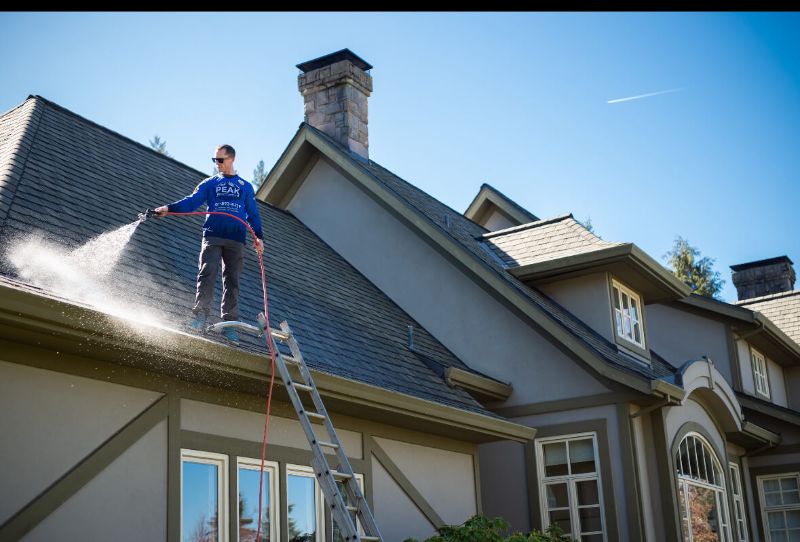
Is That Dark Buildup Actually Damaging Your Gutters?
Knowing where buildup forms tells you which components are failing, but you also need to know whether that buildup itself is actively degrading your gutter material. The answer depends on composition. Organic debris retains moisture against aluminum or steel surfaces, accelerating oxidation and corrosion beneath the visible layer.
Algae and mold produce acids that etch protective coatings, compromising structural integrity over time. Tiger-striping from oxidized aluminum is cosmetic but signals neglected gutter maintenance. If you ignore it, electrostatic bonding deepens, making removal increasingly abrasive and damaging.
Mineral deposits from hard water can crack sealants at joints, triggering leaks. Prioritizing buildup prevention stops compounding damage before it requires costly repairs. Regular inspection and prompt cleaning are your most effective tools against progressive gutter deterioration.
When to Clean vs. When to Call for Gutter Repairs
If your gutters show minor dark streaking from oxidation or tannin runoff, you can handle the cleanup yourself using a soft brush, mild detergent, and a garden hose.
However, if you notice sagging sections, separated seams, rust spots, or persistent leaks alongside the discoloration, it’s time to call a professional rather than attempt a DIY fix.
Ignoring those structural warning signs allows water to work deeper into fascia boards and soffit materials, turning a manageable repair into a costly replacement.
Signs Needing Professional Repair
While routine cleaning resolves most dark buildup on gutters, some conditions signal deeper structural problems that require a professional’s attention.
You’ll need a professional assessment when you notice sagging sections, visible cracks, or separated joints that cleaning won’t fix. Persistent leaks after cleaning, fascia board rot, and water pooling near your foundation are critical repair indicators that demand immediate expert evaluation.
If gutters pull away from the roofline or fasteners keep loosening despite reattachment, the underlying structure may be compromised.
Peeling exterior paint or water stains on siding directly beneath gutters also confirm active leakage problems beyond surface buildup.
Don’t attempt to patch severely damaged sections yourself — improper repairs accelerate deterioration and create costlier problems down the line.
DIY Cleaning Indicators
Most dark buildup on gutters — including tiger striping, algae stains, and general grime — falls well within DIY territory if you catch it early.
You’re dealing with a cleanable problem when staining appears on exterior surfaces only, water flows freely through the trough, and no physical damage exists.
Standard gutter maintenance tips apply here: use a non-abrasive cleaner, soft-bristle brush, and garden hose to flush debris.
White vinegar or diluted dish soap are effective DIY cleaning solutions for mild biological growth and oxidation stains.
Work top-down to prevent recontamination.
However, if you spot fascia rot, separated joints, sagging sections, or persistent interior rust during your inspection, stop cleaning and call a professional — those conditions require structural repair, not surface treatment.
When Damage Worsens
Knowing when to stop cleaning and start calling matters more than the cleaning itself. If you’re removing tiger striping and discovering cracked seams, separated joints, or fascia boards showing rot underneath, you’ve crossed from gutter maintenance into repair territory. No amount of scrubbing fixes structural failure.
During seasonal inspections, watch for gutters pulling away from the roofline, sagging between hangers, or water pooling directly behind the trough. These aren’t cosmetic issues—they’re functional failures that accelerate home damage.
If downspouts are leaking at connections or water is overflowing despite clear gutters, the pitch is likely off. That requires a professional realignment, not another cleaning session.
Call a contractor before one problem compounds into several.
How to Clean Dark Gutter Buildup Without Causing Damage
Cleaning dark gutter buildup effectively requires the right approach to avoid scratching the finish or forcing water behind the fascia board.
Start by mixing a non-abrasive cleaner with warm water, or use eco-friendly solutions like diluted white vinegar or oxygen bleach. Apply the mixture using a soft-bristled brush, working in small sections from top to bottom.
Avoid pressure washing directly against seams or end caps, since high-pressure water infiltrates joints and accelerates rust or wood rot.
For routine gutter maintenance, clean surfaces twice yearly—once in spring and once after fall leaf drop.
Never use steel wool or harsh solvents, as both strip protective coatings and expose the aluminum or vinyl to oxidation, which worsens discoloration rather than correcting it.
How to Keep Dark Streaks From Returning on Your Gutters
Once you’ve removed the dark buildup, preventing its return depends on addressing the root causes rather than simply repeating the cleaning cycle.
Consistent preventative maintenance keeps oxidation, algae, and debris from accumulating again.
Follow these practical steps:
-
Install gutter guards to reduce organic debris accumulation and slow biological growth
-
Establish a cleaning schedule — twice yearly minimum, or quarterly in heavily wooded areas
-
Apply a gutter sealant or protectant to slow aluminum oxidation
-
Trim overhanging branches to limit moisture retention and debris deposits
-
Monitor water flow regularly, ensuring downspouts drain freely without backflow pooling
Consistency matters more than intensity.
Staying proactive eliminates conditions that trigger dark streak formation before they become a recurring problem.
Frequently Asked Questions
Can Dark Gutter Buildup Attract Pests or Create Nesting Environments?
Yes, dark gutter buildup absolutely creates pest attraction and nesting concerns. You’re providing insects, rodents, and birds with decomposing organic matter that’s ideal for harboring and establishing colonies, making prompt cleaning essential.
Does Gutter Color or Material Affect How Quickly Dark Streaks Appear?
Yes, your gutter’s color and material directly impact streak visibility and color longevity. Lighter gutters show dark buildup faster, while aluminum requires more frequent gutter maintenance than vinyl, which naturally resists algae and oxidation staining longer.
Are Dark Streaks on Gutters Covered Under Standard Homeowner’s Insurance Policies?
Standard homeowner’s insurance won’t cover dark streaks since insurers classify them as a gutter maintenance issue, not sudden damage. You’re responsible for routine cleaning costs, as insurance coverage typically excludes gradual cosmetic deterioration.
Can Dark Gutter Buildup Spread Staining to My Home’s Siding or Foundation?
Yes, dark gutter buildup can spread staining to your siding and foundation. You’ll prevent this through consistent gutter maintenance and increasing your cleaning frequency, especially after heavy rainfall or nearby tree activity.
Do Gutter Guards Completely Prevent Dark Buildup From Forming Over Time?
Gutter guards don’t completely prevent dark buildup. You’ll still need regular gutter maintenance, as algae and debris accumulate on guard surfaces. They reduce your cleaning frequency but don’t eliminate the need for periodic inspection and cleaning.
Read the Signs Before Gutter Damage Sets In
Dark buildup on your gutters isn’t just surface-level grime—it’s a signal that something needs attention. Tiger striping, oxidation, and algae growth each point to different underlying issues, from runoff patterns to material wear and moisture retention. Ignoring these signs can lead to staining, weakened gutter systems, and even water damage to your home’s exterior if left unchecked.
Staying proactive with seasonal cleaning, inspecting your roof’s drip edge, and applying protective treatments after deep cleans can make a big difference in long-term performance. If your gutters are heavily stained or showing signs of wear, professional cleaning can restore them safely and thoroughly. Peak Pressure Washing provides gutter cleaning and exterior care tailored to moisture-heavy climates. Request a free quote today and keep your gutter system functioning and looking its best year-round.