
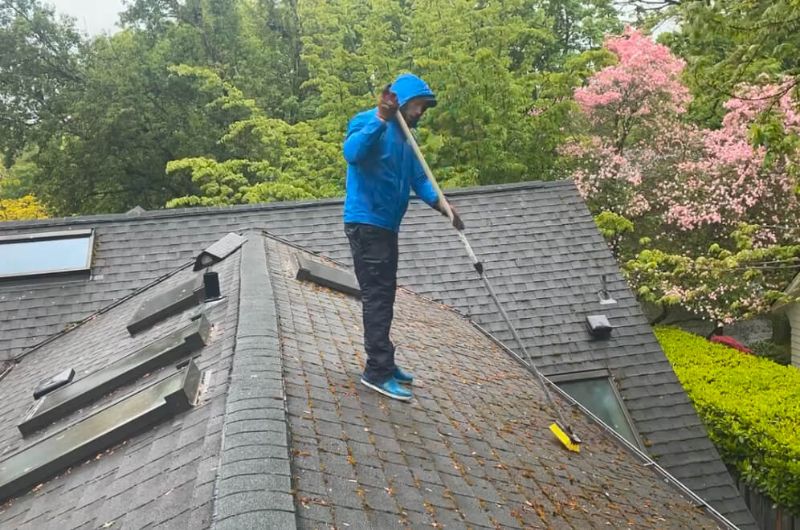
Yes, moss on a brand new roof in Oregon is completely normal—it’s not a sign of poor installation or faulty materials. Oregon’s climate, with over 36 inches of annual rainfall and limited UV exposure, creates ideal conditions for moss spores to colonize virtually any roofing surface within months. Even asphalt shingles fresh off installation aren’t immune. Understanding why this happens—and what you can do about it—starts with knowing what you’re actually dealing with.
Key Takeaways
-
Moss growth on brand-new roofs in Oregon is completely normal due to the state’s high-moisture, rainfall-heavy climate.
-
Portland averages over 36 inches of rain annually, creating ideal conditions for moss spores to settle within months of installation.
-
New asphalt shingles have textured surfaces that trap moss spores, accelerating colonization regardless of installation quality.
-
Shaded areas and north-facing slopes receive limited UV exposure, further encouraging rapid moss growth on new roofs.
-
While normal, moss should be addressed promptly, as six months of unchecked growth can void roof warranties.
Yes, Moss on a New Roof in Oregon Is Normal
If you’ve recently had a new roof installed in Oregon and you’re already noticing green patches forming on the shingles, you’re not dealing with a defective roof — you’re dealing with Oregon’s climate.
Oregon’s persistently wet, overcast conditions create ideal conditions for moss colonization, even on brand-new roofing materials. Spores travel through the air and settle onto surfaces within months of installation.
Without proactive moss prevention tips built into your roof maintenance strategies from day one, growth can establish itself quickly. Asphalt shingles, cedar shakes, and composite materials are all vulnerable.
The presence of moss doesn’t indicate poor installation or low-quality materials — it reflects the biological reality of living in the Pacific Northwest’s high-moisture environment. Regular roof cleaning is essential for maintaining roof condition and preventing extensive damage.
Why Oregon’s Climate Makes Roofs a Moss Magnet
Oregon’s climate operates like a moss incubator, combining extended rainfall, moderate temperatures, and persistent cloud cover into conditions that moss thrives in year-round.
Portland averages over 36 inches of rain annually, and temperatures rarely drop low enough to kill moss spores or dry surfaces thoroughly. Shade from surrounding trees compounds the problem by preventing UV exposure that would otherwise slow moss growth.
Your roof absorbs this moisture daily, creating a surface environment where spores germinate quickly and colonies establish within months.
North-facing slopes and shaded sections deteriorate fastest without consistent roof maintenance. Regular roof moss removal preserves roof lifespan and prevents structural damage, highlighting the necessity for ongoing maintenance.
Understanding these climate-driven conditions isn’t just informative—it’s practical. Effective moss prevention starts with recognizing that Oregon’s environment will always push moss growth, making proactive treatment a necessity rather than an option.
What Causes Moss to Grow So Fast on New Shingles?
Oregon’s wet climate gives moss spores the moisture they need to germinate quickly, even on roofs installed within the last year or two.
New asphalt shingles are especially vulnerable because their granule surfaces create textured, porous areas where spores can anchor and absorb water.
Once established, moss colonies spread rapidly as Portland’s frequent rainfall and limited drying periods create near-ideal conditions for sustained growth. Regular cleaning enhances home energy efficiency, ensuring that moss doesn’t exacerbate heat retention issues.
Oregon’s Climate Accelerates Growth
Because Oregon sits in one of the most moss-friendly climates in North America, new shingles can develop visible growth within months of installation.
Portland’s wet winters, mild temperatures, and persistent cloud cover create ideal moss-propagating conditions year-round.
Three climate factors that accelerate growth on new roofs:
-
Rainfall frequency – Oregon averages over 140 rainy days annually, keeping shingles consistently damp.
-
Low UV exposure – Overcast skies reduce sunlight, which would otherwise naturally inhibit moss spore germination.
-
Moderate temperatures – Moss thrives between 40–80°F, precisely Oregon’s year-round range.
Without applying moss prevention techniques early, your roof becomes vulnerable fast.
Staying ahead with proactive roof maintenance tips—like zinc strip installation or annual inspections—helps you avoid costly structural damage before it starts.
New Shingles Attract Spores
New shingles don’t repel moss—they attract it. Fresh asphalt shingles have a rough, granular texture that traps airborne spores with remarkable efficiency. Spore distribution happens constantly in Oregon’s environment, and your new roof acts as a collection surface the moment installation is complete.
Shingle material plays a direct role in how quickly moss establishes itself. Asphalt and fiberglass shingles lack natural antimicrobial properties, giving spores an ideal substrate to anchor and germinate.
The granules that protect your shingles from UV damage also create microscopic crevices where moisture and organic debris accumulate.
Within one to two years, those trapped spores can develop into visible moss colonies. New doesn’t mean protected—it simply means the growth cycle is just beginning.
Can Moss Actually Damage a Roof That’s Still New?
Even though your roof is new, moss can still cause real structural damage if it’s left unchecked. Different moss types interact with roofing materials in ways that accelerate deterioration faster than most homeowners expect.
Here’s how moss damages a new roof:
-
Moisture retention – Moss holds water against shingles, breaking down protective granules and promoting rot in underlying decking.
-
Root penetration – Moss rhizoids push between shingle layers, lifting edges and creating entry points for water intrusion.
-
Freeze-thaw acceleration – Trapped moisture expands during freezing temperatures, cracking and warping shingles prematurely.
Oregon’s wet climate makes these risks especially severe.
Even six months of unchecked moss growth can void manufacturer warranties and compromise your roof’s structural integrity years ahead of schedule.
How to Slow Moss Growth Before It Gets Worse
Knowing that moss can damage even a new roof makes prevention the smarter move over reactive treatment.
Start with regular maintenance inspections twice yearly, especially after fall and winter seasons when Oregon’s rainfall accelerates biological growth. Keep gutters clear so water doesn’t back up and create prolonged moisture exposure along your roofline.
Trim overhanging branches to reduce shade and debris accumulation, two conditions that accelerate moss colonization.
Installing zinc or copper strips near the ridge is one of the most effective preventive measures available, since rainfall activates metal ions that inhibit moss growth downslope. Some roofing manufacturers also offer moss-resistant shingle coatings worth requesting during installation. Regularly conduct inspections of moisture-prone areas to catch early signs of moss growth.
Acting early keeps treatment simple, affordable, and far less disruptive than addressing established moss colonies later.
When to Call a Professional for Roof Moss Removal
When should you handle roof moss yourself, and when does the situation call in a professional? Light surface moss on accessible areas may seem manageable, but several conditions warrant a professional assessment:
-
Moss has penetrated beneath shingles or lifted edges, signaling structural vulnerability.
-
Coverage spans large roof sections, making DIY moss prevention techniques ineffective and physically hazardous.
-
Your roof is steep, multi-story, or showing early signs of water damage beneath moss colonies.
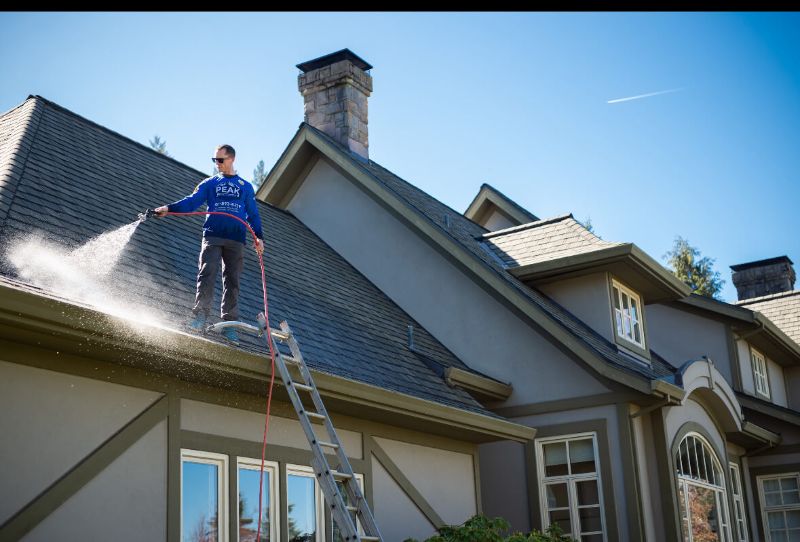
Attempting aggressive scrubbing or high-pressure washing without proper training accelerates shingle deterioration. Professionals use low-pressure soft washing combined with targeted treatments that eliminate moss at the root without compromising roofing materials.
Additionally, regular maintenance is key to preventing structural compromise and preserving the longevity of your roof.
If your new Oregon roof already shows significant moss growth, don’t delay — early professional intervention protects your warranty and prevents compounding structural damage.
Frequently Asked Questions
Does Moss Removal Void a New Roof’s Warranty in Oregon?
Moss removal won’t void your warranty if you use manufacturer-approved moss prevention methods. Always review your warranty’s terms to avoid complications, as aggressive techniques can trigger warranty implications that nullify your coverage entirely.
How Much Does Professional Moss Removal Cost for a New Roof?
Professional moss removal typically costs $200–$600 for a new roof, depending on size and moss growth severity. You’ll protect your investment through routine roof maintenance, and Peak Pressure Washing offers transparent, competitive pricing for Portland homeowners.
Are Certain New Roofing Materials More Resistant to Moss Growth?
Yes, certain materials resist moss better. In roofing material comparisons, metal, slate, and synthetic shingles outperform asphalt. You’ll find built-in moss prevention techniques, like zinc-coated granules, make treated asphalt shingles a practical, moss-resistant option too.
Can I Use Zinc Strips to Prevent Moss on New Shingles?
Yes, you can install zinc strips along your ridge line for effective moss prevention. Rain activates zinc effectiveness by releasing ions that inhibit moss growth, but you’ll need periodic replacement as they gradually deplete.
Will Homeowners Insurance Cover Moss Damage on a New Roof?
Most insurers won’t cover moss growth damage since they classify it as a maintenance issue. Before filing insurance claims, review your policy carefully—you’re typically responsible for preventing and addressing moss through routine roof maintenance.
Conclusion
Moss on a new Oregon roof isn’t a sign of poor installation — it’s a predictable consequence of the Pacific Northwest’s climate. But you can’t afford to ignore it. Act early by installing zinc or copper strips, trimming overhanging branches, and scheduling routine inspections. The longer you wait, the deeper moss roots penetrate your shingles. Protect your investment now, and you’ll notably extend your roof’s lifespan before costly structural damage sets in.