

To care for vinyl siding without warping or cracking, you’ll need to control heat exposure, use low-pressure washing between 1,200 and 1,500 PSI, and always spray at a downward angle. Never use water exceeding 140°F, and avoid harsh chemicals that degrade the polymer surface. Inspect panels each season for loose sections, discoloration, and moisture infiltration. The details behind each of these practices can make the difference between siding that lasts decades and one that fails prematurely.
Key Takeaways
-
Avoid nailing vinyl panels too tightly during installation, allowing room for natural thermal expansion and contraction to prevent warping.
-
Clean siding using low-pressure water between 1,200 and 1,500 PSI with a 25- or 40-degree nozzle tip.
-
Always spray at a downward angle to prevent water from infiltrating behind panels and causing moisture damage.
-
Keep heat sources like grills away from siding, as direct heat permanently distorts vinyl panels.
-
Inspect siding each season for cracks, warping, and discoloration, scheduling professional cleanings every two years for optimal maintenance.
Why Vinyl Siding Warps and Cracks in the First Place
Vinyl siding is durable, but it’s not indestructible. Understanding what causes vinyl degradation helps you avoid costly repairs.
Vinyl expands and contracts with temperature fluctuations, and when that movement is restricted or accelerated by external forces, warping occurs. Direct heat sources — like a grill placed too close to your home — can permanently distort panels.
Environmental factors also play a significant role. Prolonged UV exposure breaks down the polymer structure, making panels brittle and prone to cracking.
Moisture infiltration behind panels accelerates deterioration, especially during freeze-thaw cycles. Improper installation, such as nailing panels too tightly, removes the necessary slack for thermal movement.
Physical impact, harsh chemicals, and high-pressure water applied at the wrong angle can fracture or dislodge panels entirely. Knowing these causes lets you take a more protective approach. Regular maintenance and seasonal cleaning considerations can significantly extend the life of your siding.
Cleaning Methods That Are Safe for Vinyl Siding
Keeping vinyl siding clean comes down to three reliable methods: hand washing, soft washing, and low-pressure rinsing. Each approach protects the surface while removing dirt, mold, and algae effectively.
-
Hand washing – Use a soft-bristle brush with safe cleaning solutions diluted in water. Scrub gently in horizontal strokes.
-
Soft washing – Apply low-pressure water combined with biodegradable safe cleaning solutions to break down biological growth without stressing the siding.
-
Low-pressure rinsing – Use a garden hose or pressure washer set below 1,500 PSI to flush residue away cleanly.
Soft washing remains the most effective method for heavy contamination because it lets the cleaning solution do the work rather than relying on damaging water pressure. Additionally, utilizing eco-friendly solutions not only protects your siding but also ensures compliance with local environmental standards.
Water Pressure and Temperature Limits You Need to Know
When washing vinyl siding, staying within safe pressure and temperature limits prevents warping, cracking, and water intrusion behind panels.
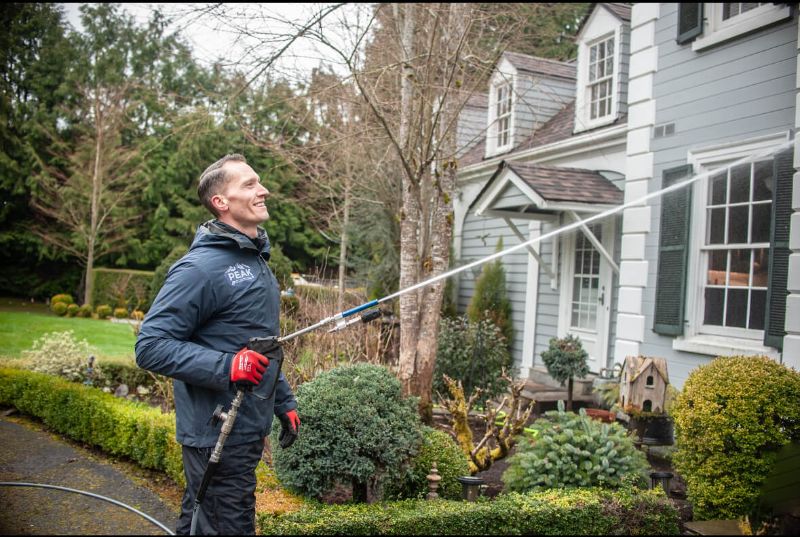
Keep water pressure between 1,200 and 1,500 PSI, and maintain the nozzle at least 12 inches from the surface. Use a 25- or 40-degree tip to distribute force evenly and reduce the risk of panel damage.
Temperature effects are equally critical. Hot water accelerates vinyl expansion, increasing the likelihood of warping and joint separation.
Use cold or lukewarm water only, never exceeding 140°F. Always spray at a downward angle to prevent water from forcing behind panels. Additionally, it’s important to communicate concerns about delicate siding to ensure proper care during the cleaning process.
If you’re uncertain about equipment settings or technique, hiring a licensed exterior cleaning professional guarantees your siding gets cleaned safely without risking structural or cosmetic damage.
Seasonal Maintenance Habits That Prevent Long-Term Damage
Seasonal inspections keep small issues from becoming expensive repairs—walk the perimeter of your home each spring, summer, fall, and winter to check for cracks, warping, loose panels, and discoloration.
You’ll also want to clear debris like leaves, dirt, and organic buildup from panel seams and trim edges, since trapped moisture accelerates mold and mildew growth.
Staying consistent with these habits lets you catch deterioration early and extend the lifespan of your siding considerably. Additionally, regular gutter cleaning can help prevent water overflow that may lead to siding damage.
Inspect Siding Each Season
Regular seasonal inspections are one of the most effective ways to catch vinyl siding problems before they escalate into costly repairs. Consistent siding maintenance requires you to evaluate your exterior systematically each season.
During each seasonal inspection, prioritize these three critical checkpoints:
-
Cracks and warping — Examine panels for stress fractures, buckling, or heat-related distortion along sun-exposed walls.
-
Moisture infiltration — Check seams, joints, and panel edges for gaps where water can penetrate behind the siding.
-
Biological growth — Identify early moss, algae, or mold accumulation before it compromises surface integrity.
Document what you find each season so you can track progression.
Catching minor issues early prevents structural deterioration and keeps your repair costs manageable over the long term.
Clear Debris Promptly
After each storm or high-wind event, clear leaves, branches, and organic debris from your siding’s surface and the base of your exterior walls. Trapped debris retains moisture, accelerating mold growth, staining, and surface degradation.
Don’t allow organic material to sit against vinyl panels for extended periods — decomposition byproducts can discolor and weaken the material over time.
Integrate debris removal into your seasonal checks by inspecting after fall storms, winter freezes, and spring rain events. Use a soft-bristle brush or low-pressure rinse to dislodge clinging material without scratching the surface.
Pay particular attention to seams, corners, and areas beneath overhangs where debris accumulates undetected. Consistent, timely removal prevents compounding damage and reduces the frequency of intensive cleaning cycles throughout the year.
Signs Your Vinyl Siding Needs Professional Attention
Even routine maintenance has its limits, and some siding issues require more than a garden hose and a Saturday afternoon.
Siding discoloration issues and mold growth signs often indicate deeper problems that DIY cleaning can’t resolve.
Watch for these warning signs:
-
Persistent staining — Discoloration that doesn’t respond to standard cleaning suggests mold or algae has penetrated surface pores.
-
Widespread mold growth — Black, green, or fuzzy patches spreading across multiple panels signal systemic moisture intrusion.
-
Warping or buckling — Structural deformation requires professional assessment before cleaning compounds the damage.
If you’re noticing any of these conditions, contact Peak Pressure Washing.
Additionally, understanding the best roof cleaning products can aid in preventing further issues when addressing siding problems.
Attempting aggressive DIY cleaning on compromised siding risks permanent surface damage and costly repairs.
When to Call a Pro Instead of DIYing It
DIY vinyl siding cleaning works well for routine maintenance, but it falls short when you’re dealing with stubborn mold, extensive moss growth, or hard-to-reach sections above the first story.
Improper pressure settings or technique can force water behind panels, causing moisture damage and mold growth inside your walls.
Hiring a professional guarantees the job gets done with the right equipment, correct pressure levels, and cleaning solutions that won’t compromise your siding’s integrity or void its warranty.
Signs DIY Falls Short
While DIY vinyl siding care handles routine maintenance well, some situations call for professional intervention. Recognizing DIY pitfalls early prevents costly damage.
Common mistakes homeowners make include:
-
Using high-pressure washing that forces water behind panels, causing mold growth and structural damage.
-
Applying incompatible cleaning chemicals that degrade vinyl’s surface finish or accelerate brittleness.
-
Working at unsafe heights without proper equipment, increasing injury risk and inconsistent cleaning results.
If you’re noticing persistent staining, widespread algae colonization, or deteriorating caulk around seams and fixtures, professional assessment becomes necessary.
Professionals carry specialized low-pressure soft washing equipment, commercial-grade solutions, and technical knowledge that protects your siding’s integrity.
Attempting complex cleaning scenarios without proper training typically worsens existing damage rather than resolving it.
Benefits of Hiring Pros
Hiring a professional exterior cleaning company delivers three core advantages that DIY methods can’t consistently replicate: specialized equipment, commercial-grade cleaning solutions, and liability protection.
Professionals apply soft-wash systems that regulate pressure precisely, eliminating the warping and cracking risks common with consumer-grade units. Their expert knowledge of vinyl’s thermal and structural tolerances guarantees cleaning protocols match your siding’s specific requirements.
You’ll also realize cost savings long-term. Improper DIY cleaning accelerates surface degradation, leading to premature replacement costs that far exceed professional service fees.
Licensed and insured contractors additionally protect you from property damage liability during the cleaning process.
If your siding shows widespread algae colonization, embedded staining, or hasn’t been professionally cleaned in over two years, scheduling a professional service is the practical, structurally sound decision.
Frequently Asked Questions
Can Vinyl Siding Be Painted Without Voiding the Manufacturer’s Warranty?
Yes, you can paint vinyl siding, but you’ll need to review your warranty considerations carefully first. Using proper painting techniques and manufacturer-approved coatings guarantees you don’t inadvertently void your coverage during the process.
How Long Does Vinyl Siding Typically Last Before Needing Full Replacement?
Your vinyl’s lifespan typically runs 20–40 years with proper maintenance. You’ll notice replacement signs like persistent warping, deep cracking, fading beyond cleaning, or structural gaps that compromise insulation—indicating it’s time for a full replacement.
Does Vinyl Siding Color Affect How Much Heat It Absorbs?
Yes, your siding’s color temperature directly impacts heat absorption. Darker shades absorb more solar energy, reducing heat reflection and raising surface temperatures, which increases warping risk. Lighter colors reflect more heat, helping you protect siding integrity longer.
Can You Install New Vinyl Siding Directly Over Existing Damaged Panels?
You shouldn’t install new vinyl siding directly over damaged panels. Following installation best practices, you’ll need to remove compromised sections first. Proper siding repair techniques require a sound, stable substrate to prevent future warping, cracking, and moisture intrusion beneath your new panels.
Are Certain Vinyl Siding Brands More Resistant to Warping Than Others?
Yes, brand comparisons matter greatly. You’ll find that premium brands like CertainTeed and Royal Building Products offer superior heat resistance, using thicker, UV-stabilized formulations that actively withstand temperature extremes better than budget alternatives, reducing your warping risks considerably.
Conclusion
Taking care of your vinyl siding doesn’t have to be complicated, but it does require precision. You’ve now got the knowledge to clean safely, control water pressure, maintain seasonally, and recognize when professional intervention is necessary. Don’t let improper technique undo years of protection. Stick to the methods outlined here, stay consistent with your maintenance schedule, and you’ll prevent the warping, cracking, and water infiltration that compromise your home’s structural integrity and curb appeal.