
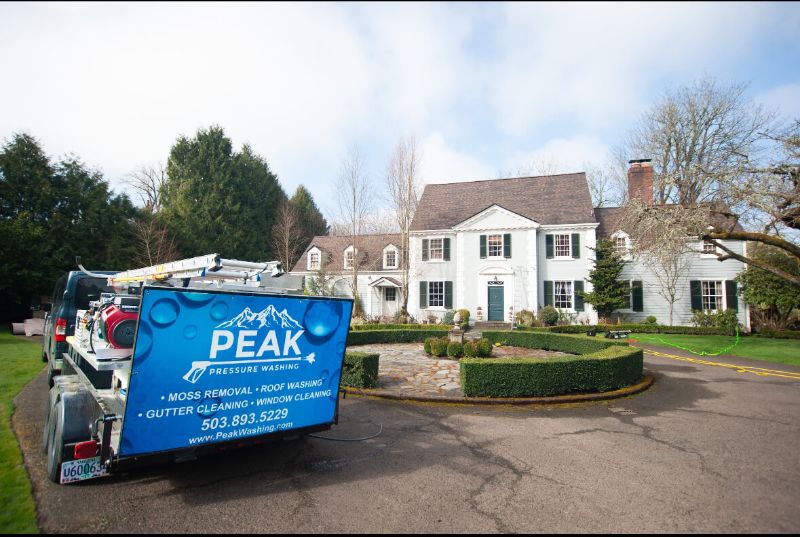
To keep your HOA’s common areas clean in Portland, you’ll need a consistent maintenance plan that accounts for the city’s wet, moss-prone climate. Schedule professional pressure washing every 3–6 months depending on traffic, use soft washing for pavers to avoid damage, and treat biological growth promptly to prevent slippery surfaces. Sealing pavers and improving drainage also helps slow recolonization. Everything you need to build a complete strategy is covered ahead.
Key Takeaways
-
Portland’s wet climate accelerates moss and algae growth, making regular cleaning every 3–6 months essential for HOA common areas.
-
Use pressure washing for concrete and soft washing for pavers to effectively clean surfaces without causing damage.
-
Address visible moss, dark staining, slippery textures, and embedded grime promptly to prevent long-term surface deterioration.
-
Hire licensed, insured contractors with HOA experience who use eco-friendly methods safe for landscaping and pets.
-
Build a seasonal maintenance plan including spring cleaning, summer sealing, fall clearing, and winter freeze-thaw preparation.
Why Portland’s Climate Is Hard on HOA Concrete and Pavers
Portland’s wet, mild climate creates near-perfect conditions for moss, algae, and mold to take hold on concrete and paver surfaces. The city averages over 36 inches of rain annually, and that persistent moisture, combined with limited sunlight in shaded areas, accelerates biological growth on shared walkways, driveways, and patios. For HOAs, this weather impact means cleaning challenges compound quickly across large common areas. What starts as a thin layer of green algae can become slippery, embedded growth that’s far harder to remove. Additionally, the high atmospheric humidity exacerbates the situation, allowing for rapid moss recolonization. Freeze-thaw cycles in winter also force water into paver joints, weakening the structure over time. Without a proactive maintenance plan, your HOA’s concrete and paver surfaces deteriorate faster, create liability risks, and become considerably more expensive to restore.
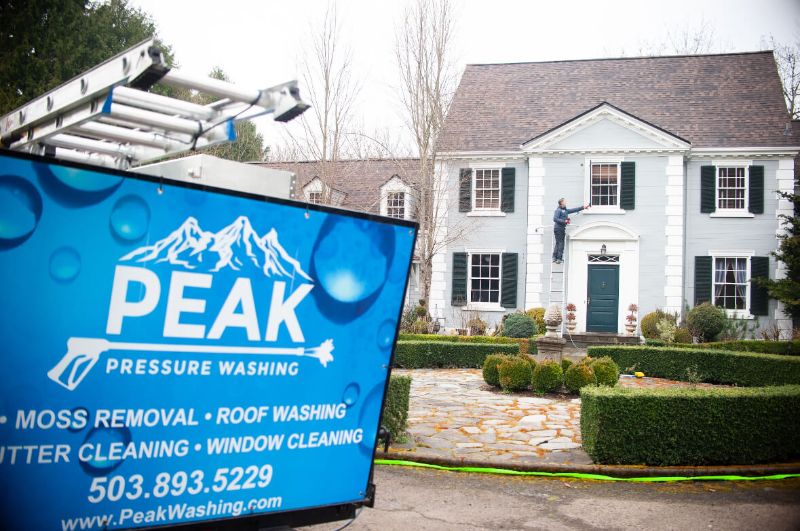
The Most Common Damage HOAs See in Common Areas
When you manage HOA common areas in Portland, you’re dealing with a consistent set of problems that show up again and again.
Moss and algae spread quickly across concrete and pavers in the region’s wet climate, creating slippery surfaces and accelerating surface deterioration.
You’ll also contend with cracked and stained pavers from freeze-thaw cycles and heavy foot traffic, along with oil and grease buildup in parking areas and driveways that bonds to surfaces and becomes harder to remove the longer it sits. Regular pressure washing can help prevent surface deterioration and maintain the safety and appearance of these common areas.
Moss and Algae Growth
Moss and algae are the most persistent threats HOAs face when maintaining concrete walkways, driveways, and paver surfaces in common areas.
Portland’s wet climate creates ideal conditions for rapid growth, and once it takes hold, it spreads quickly across shared surfaces. Beyond appearance, moss and algae make surfaces dangerously slippery, increasing liability risks for your community.
Effective algae removal methods involve applying professional-grade treatments that break down organic growth without damaging surface materials.
Moss prevention techniques focus on reducing moisture retention through proper drainage, regular cleaning schedules, and applying inhibiting treatments after each cleaning.
Waiting until growth becomes visible often means the damage is already done.
Scheduling routine professional cleanings keeps common area surfaces safe, presentable, and structurally sound throughout Portland’s rainy seasons.
Cracked and Stained Pavers
Organic growth isn’t the only issue threatening your HOA’s common area surfaces. Cracked and stained pavers are among the most common damage HOAs deal with in high-traffic zones like walkways, parking areas, and courtyards.
Freeze-thaw cycles, heavy foot traffic, and shifting soil all contribute to cracks, while oil, rust, and organic debris leave stubborn stains that worsen over time.
Prompt paver repair prevents small cracks from spreading and becoming costly replacements. Equally important, professional stain removal restores surface appearance and prevents materials like oil or tannins from breaking down the paver’s surface structure.
Scheduling routine inspections helps your HOA catch damage early. Pairing those inspections with professional cleaning keeps common areas looking well-maintained and extends the lifespan of your hardscape investment.
Oil and Grease Buildup
Oil and grease buildup is one of the most persistent problems HOAs face in shared parking lots, driveways, and vehicle turnaround areas.
Vehicle fluids seep into concrete and pavers quickly, and if you don’t address them early, they penetrate deep into the surface and become extremely difficult to remove.
Routine oil stain removal requires specialized degreasers and professional-grade equipment.
Standard pressure washing alone won’t lift embedded grease — you need the right cleaning agents applied correctly to break down the buildup without damaging the surface.
For grease prevention, consider scheduling regular professional cleanings before stains have a chance to set.
Staying proactive keeps your common areas looking clean, protects the surface long-term, and reduces the cost of more intensive restoration work down the road.
How Often Should HOAs Schedule Concrete and Paver Cleaning?
Cleaning frequency for your HOA’s concrete and pavers depends on traffic levels, local climate, and how quickly organic growth and grime accumulate.
High-traffic areas like parking lots, pool decks, and main walkways typically need cleaning more often than low-use spaces.
Knowing the recommended seasonal schedule and recognizing early warning signs can help your HOA stay ahead of damage before it becomes costly. Additionally, regular paver sealing can enhance protection against stains and weather damage, prolonging the lifespan of your surfaces.
Seasonal Cleaning Schedule Recommendations
Establishing a consistent cleaning schedule is one of the most effective ways HOAs can protect concrete and paver surfaces while keeping shared spaces looking their best year-round.
Use this seasonal tips and maintenance checklist as your guide:
-
Spring: Remove winter debris, treat moss and algae growth, and pressure wash high-traffic walkways.
-
Summer: Spot-clean stains, inspect for joint sand erosion, and address any surface cracking.
-
Fall: Clear leaves before they stain surfaces and flush drains near paved areas.
-
Winter: Monitor for freeze-thaw damage and limit de-icing chemical use on pavers.
-
Year-Round: Schedule professional cleanings at least twice annually for consistent results.
Sticking to this schedule helps your HOA stay ahead of buildup, reduce long-term repair costs, and maintain safe, attractive common areas.
High-Traffic Area Frequency
Once your seasonal schedule is in place, the next step is figuring out how often specific areas actually need attention. Not all concrete and pavers wear the same way, so maintenance frequency should reflect actual usage patterns.
High traffic areas like building entrances, parking lots, and main walkways accumulate dirt, oil, and organic buildup far faster than low-use zones. These surfaces typically need professional cleaning every three to four months.
Moderate traffic areas, such as side paths and secondary gathering spaces, can usually wait six months between cleanings.
Tracking how quickly surfaces show visible soiling helps you refine your schedule over time. Staying proactive prevents buildup from becoming a bigger, costlier problem and keeps your community’s common areas consistently presentable throughout the year.
Signs It’s Time to Clean
Even with a consistent schedule in place, your surfaces will sometimes signal that they need attention before the next planned service.
Strong maintenance awareness means knowing these cleaning indicators so you can act quickly and prevent long-term damage.
Watch for these warning signs:
-
Visible moss or algae growth, especially in shaded or moist areas
-
Dark staining or discoloration across concrete or paver surfaces
-
Slippery or slick texture that creates a safety hazard for residents and guests
-
Embedded dirt or grime that regular rain isn’t clearing away
-
Weed growth between pavers, indicating organic buildup in the joints
When you spot any of these issues, don’t wait for the next scheduled cleaning.
Prompt action protects surfaces and keeps your common areas safe and presentable.
Pressure Washing vs. Soft Washing for HOA Common Areas
Choosing the right cleaning method for HOA common areas can mean the difference between pristine surfaces and costly damage.
Pressure washing benefits hard, durable surfaces like concrete driveways, sidewalks, and pool decks by blasting away embedded grime, oil stains, and heavy buildup. It’s ideal when surfaces need aggressive cleaning and can handle high-pressure water.
For pavers, decorative stonework, or surfaces with existing moss and algae growth, soft washing techniques are the smarter choice.
Soft washing uses lower pressure combined with specialized cleaning solutions to eliminate biological growth without dislodging sand, cracking pavers, or stripping sealants.
Knowing which method fits each surface protects your HOA’s investment and avoids unnecessary repairs. Regular pressure washing can reduce overall maintenance costs by up to 80%, ensuring the common areas remain in excellent condition.
A professional exterior cleaning company can assess your common areas and recommend the most effective approach.
What to Look for in an HOA Pressure Washing Contractor
Hiring the right contractor for HOA pressure washing isn’t just about finding the lowest bid—it’s about protecting shared property that dozens of homeowners depend on.
Verify contractor qualifications and confirm they offer clear service guarantees before signing anything.
Look for these essentials:
-
Licensing and insurance – Protects your HOA from liability
-
HOA-specific experience – Familiarity with common area scope and scale
-
Eco-friendly methods – Safe for landscaping, pets, and storm drains
-
Written service guarantees – Accountability if results don’t meet agreed standards
-
References or reviews – Proven track record with similar properties
Additionally, ensure they utilize eco-friendly solutions that minimize harm to local ecosystems, aligning with community values.
Choosing carefully upfront saves your HOA from costly mistakes, re-cleaning, or surface damage down the road.
How to Build a Year-Round Maintenance Plan for HOA Pavers
Pavers need consistent care throughout the year to stay structurally sound and visually appealing—without a structured plan, small issues like shifting joints or weed growth can escalate into costly repairs.
Start by scheduling yearly inspections to catch early signs of deterioration, sand loss, or drainage problems before they worsen. From there, build a seasonal routine: spring cleaning removes winter debris and moss buildup, summer allows for joint re-sanding and sealing, fall clears organic material before wet weather sets in, and winter prep minimizes freeze-thaw damage. Additionally, consider incorporating paver sealing into your summer maintenance to enhance their durability and appearance.
Factor professional cleaning and sealing into your maintenance budget so costs don’t catch the board off guard. A documented plan also helps justify expenses to homeowners and keeps your common areas consistently well-maintained year after year.
Frequently Asked Questions
Can HOAS Use Paver Sealing to Reduce Long-Term Maintenance Costs?
Yes, you can use paver sealing to boost paver longevity and reduce maintenance frequency. It protects surfaces from stains, moisture, and wear, saving your HOA time and money on costly repairs and replacements.
Does Pressure Washing Concrete Void Any HOA Surface Warranties?
It depends on your warranty terms. You should review warranty considerations carefully before proceeding, as improper pressure washing techniques—like excessive PSI—can void coverage. Always consult your warranty documentation or manufacturer guidelines first.
How Should HOAS Handle Graffiti Removal on Shared Concrete Surfaces?
Act quickly when graffiti appears—delayed removal makes it harder to clean. You’ll want to use professional graffiti removal services, apply anti-graffiti coatings for prevention strategies, and foster community engagement initiatives to encourage residents to report vandalism immediately.
Are Eco-Friendly Cleaning Solutions Safe for HOA Common Area Landscaping?
Yes, eco-friendly alternatives are safe for your HOA’s landscaping when applied correctly. They’re biodegradable and won’t harm plants, soil, or waterways, ensuring landscaping safety while effectively cleaning concrete and pavers in your shared common areas.
What Insurance Should an HOA Require From Cleaning Contractors?
When vetting contractor liability, you’ll want to require these key insurance types: general liability (minimum $1M), workers’ compensation, and commercial auto coverage. Always request certificates of insurance directly from the provider before work begins.
Conclusion
Keeping your HOA’s concrete and pavers clean in Portland isn’t optional — it’s essential. With the right cleaning schedule, proper techniques, and a reliable contractor, you can protect your community’s surfaces, prevent safety hazards, and maintain strong property values year-round. Don’t wait for moss, algae, or grime to become a bigger problem. Start building your maintenance plan now and give your residents the clean, well-kept community they expect and deserve.