
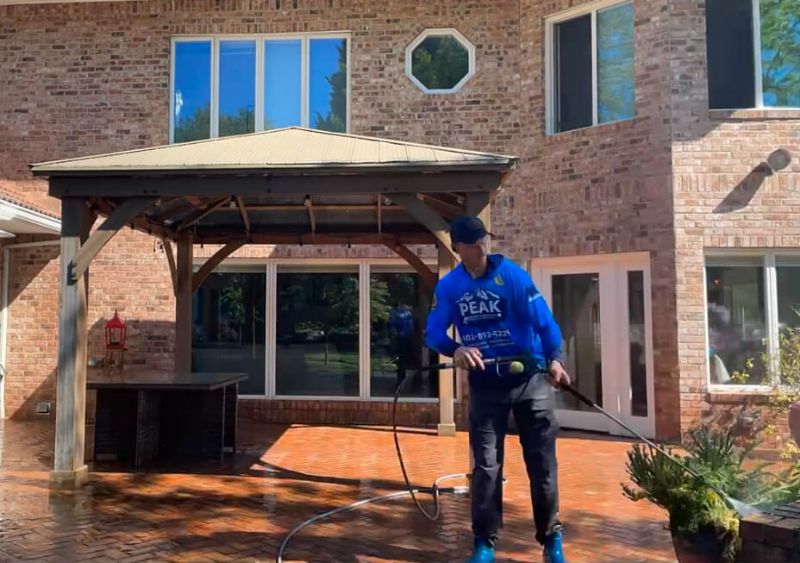
Maintaining a clean and well-preserved fence is essential for homeowners in Portland who want to enhance their property’s curb appeal and longevity. Whether your fence is wood or metal, the best practices for fence cleaning vary, and understanding these distinctions is key to effective fence maintenance. This article delves into best practices for fence cleaning in Portland, focusing on preparation, cleaning techniques, and ongoing maintenance strategies.
Understanding the Differences: Wood vs. Metal Fences
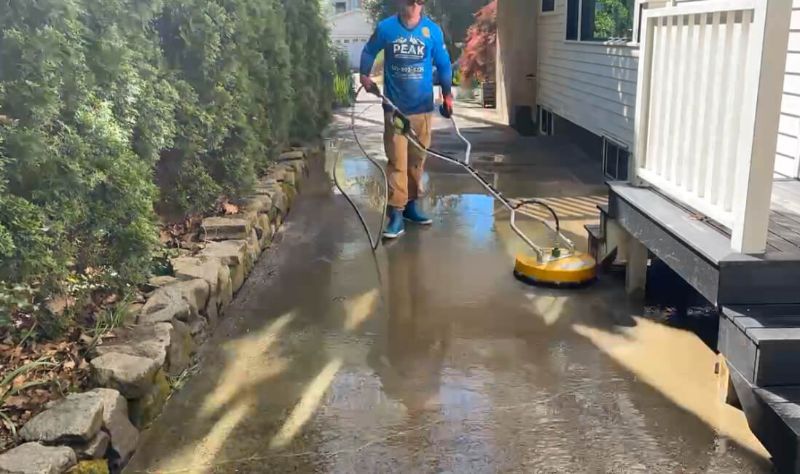
When it comes to fence materials, wood and metal each have unique characteristics that influence how they should be cleaned and maintained.
Wood Fences
Wood fences are a popular choice due to their aesthetic appeal and versatility. However, they require more upkeep compared to metal fences. Over time, wood can absorb moisture, leading to rot and mold growth. Additionally, exposure to UV rays can cause fading and cracking. Regular cleaning and treatment are essential to prolong the life of a wood fence.
-
Common Issues: Mold, mildew, and discoloration can significantly affect the appearance and integrity of wood fences.
-
Cleaning Needs: Wood requires gentle cleaning methods to avoid damage. High-pressure washing can strip paint and splinter the wood, so it’s crucial to choose the right approach.
Metal Fences
Metal fences, often made from materials like aluminum or wrought iron, are generally more durable and require less frequent cleaning. However, they are not immune to the elements. Rust can develop, especially in humid conditions, and dirt and grime can accumulate over time.
-
Common Issues: Rust and corrosion can compromise the structural integrity of metal fences if not addressed promptly.
-
Cleaning Needs: Metal fences can usually withstand stronger cleaning methods, but it’s essential to avoid abrasive tools that could scratch the surface.
How to Prepare Your Fence for Cleaning: Essential Steps
Before embarking on fence cleaning in Portland, proper preparation is crucial to ensure effective results. Here’s how to set the stage for a successful cleaning process.
Assess the Condition of Your Fence
Evaluating the state of your fence is the first step in preparation. Look for signs of damage, such as rotting wood or rust on metal. This assessment will help determine the appropriate cleaning method and any repairs needed.
-
Inspect for damage: Look for cracks, rot, or rust.
-
Identify growth: Check for mold, mildew, or algae that may require specific treatments.
-
Determine cleaning frequency: Consider how often your fence needs cleaning based on its condition and exposure to the elements.
Gather Necessary Supplies
Having the right tools and cleaning supplies on hand will streamline the cleaning process. Depending on your fence type, the following items may be needed:
-
For wood fences:
-
Mild detergent or wood cleaner
-
Soft-bristle brush or sponge
-
Garden hose or low-pressure washer
-
Wood preservative or sealant
-
-
For metal fences:
-
Degreaser or mild detergent
-
Wire brush or non-abrasive scrubber
-
High-pressure washer (if applicable)
-
Rust-inhibiting primer and paint
-
Prepare the Surrounding Area
Clear the area around the fence to prevent any debris from interfering with the cleaning process. Trim back any overgrown plants or bushes that may obstruct access. Additionally, consider covering nearby plants and outdoor furniture to protect them from cleaning solutions and debris.
Effective Cleaning Techniques for Wood Fences
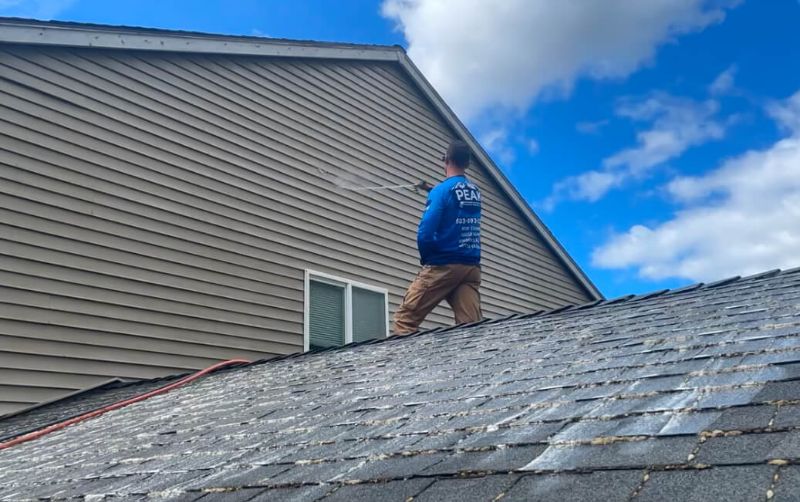
Wood fences require careful handling to avoid damage during cleaning. Here are the best practices for maintaining a wood fence.
Gentle Washing Method
Start by rinsing the fence with water to remove loose dirt and debris. Then, apply a mild detergent mixed with water using a soft-bristle brush or sponge.
-
Start at the top: Begin cleaning from the top of the fence to allow dirt to wash down.
-
Use a soft brush: Gently scrub the surface to avoid splintering the wood.
-
Rinse thoroughly: After scrubbing, rinse the fence with a garden hose or low-pressure washer to remove all soap residue.
Treating Mold and Mildew
If mold or mildew is present, a specialized wood cleaner or a mixture of vinegar and water can effectively treat these issues.
-
Apply the solution: Use a spray bottle to apply the cleaner directly to affected areas.
-
Let it sit: Allow the solution to penetrate for about 10-15 minutes before scrubbing.
-
Rinse and dry: Rinse thoroughly and allow the fence to dry completely before applying any sealant.
Effective Cleaning Techniques for Metal Fences
Metal fences have different cleaning requirements compared to wood. Here are strategies for maintaining a metal fence.
Pressure Washing
Metal fences can typically withstand higher pressure cleaning, making pressure washing an effective method for removing dirt and grime.
-
Choose the right pressure: Set the pressure washer to a medium setting to avoid damaging the surface.
-
Start from the top: Similar to wood fences, begin washing from the top and work your way down.
-
Use appropriate cleaning solutions: Add a mild detergent to the pressure washer for better results.
Rust Removal and Prevention
For rusted areas, a wire brush can help remove loose rust before applying a rust-inhibiting primer.
-
Scrape away rust: Use the wire brush to scrub off any visible rust.
-
Apply primer: Once clean, apply a rust-inhibiting primer to protect against future corrosion.
-
Finish with paint: If desired, follow up with a coat of paint designed for metal surfaces.
Ongoing Maintenance for Longevity
To keep your fence looking great and functioning well, ongoing maintenance is essential. Here are some tips for both wood and metal fences.
Regular Inspections
Conducting routine inspections helps catch potential issues before they escalate.
-
Check for wear: Look for signs of rot, rust, or other damage.
-
Monitor for growth: Keep an eye out for mold, mildew, and other growths.
Scheduled Cleaning
Establish a regular cleaning schedule based on your fence material and environmental conditions.
-
Wood fences: Clean at least once a year, or more often if you notice excessive dirt or mold.
-
Metal fences: Clean every six months to prevent rust and maintain appearance.
Protective Treatments
Applying protective treatments can extend the life of your fence.
-
For wood fences: Consider applying a sealant every few years to protect against moisture and UV damage.
-
For metal fences: Repaint or touch up rust-inhibiting paint every few years to maintain protection.
Extend the Life of Your Fence With the Right Care
Proper fence cleaning in Portland goes beyond improving appearance—it helps protect both wood and metal fencing from moisture damage, rust, discoloration, and organic buildup. With consistent maintenance and the right preparation, you can prevent premature deterioration and keep your fence looking strong and well-maintained for years to come. Addressing grime and moss early is especially important in Portland’s damp climate, where buildup can quickly accelerate wear.
If your fence is starting to look faded, green, or weathered, professional cleaning can restore its appearance without causing surface damage. Peak Pressure Washing provides fence cleaning services tailored to Portland properties, helping homeowners protect their investment and enhance curb appeal. Request a free quote today and keep your fence looking its best season after season.