
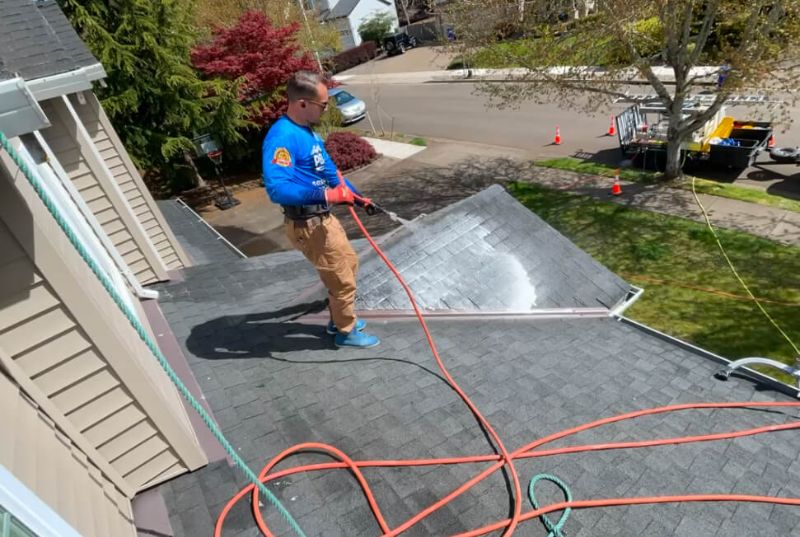
Maintaining the aesthetic appeal and structural integrity of outdoor surfaces is a priority for homeowners in Portland. Paver sealing and sanding are essential processes that not only enhance the visual appeal of patios, driveways, and walkways but also extend their lifespan. While DIY methods may seem cost-effective, professional services often deliver superior results due to expertise, equipment, and the right materials. This article will provide an in-depth look at why investing in professional paver sealing and sanding is the best choice for homeowners.
Understanding Paver Sealing and Sanding
Paver sealing involves applying a protective sealant to paver surfaces, preventing moisture infiltration and protecting against staining. Sanding, on the other hand, restores the joint sand between pavers, which can erode over time due to weather conditions and heavy foot traffic. Both processes are integral to maintaining the durability and appearance of paver installations.
Benefits of Professional Paver Sealing
-
Expert Application: Professionals understand the nuances of sealant application. They know the correct products to use based on the type of pavers and the environmental conditions in Portland. Incorrect application can lead to peeling or uneven finishes, which are common pitfalls in DIY attempts.
-
Quality Materials: Professional services typically have access to high-quality sealants that are not available in retail outlets. These materials are often formulated for long-lasting protection and enhanced appearance, ensuring that the investment in sealing pays off over time.
-
Time Efficiency: Professionals can complete the job in a fraction of the time it would take a homeowner to do it themselves. This efficiency allows homeowners to return to enjoying their outdoor spaces sooner.
Advantages of Professional Paver Sanding
-
Restoration of Integrity: Over time, the sand that holds pavers in place can wash away, leading to shifting and instability. Professionals can assess and restore the joint sand effectively, ensuring that the pavers remain secure.
-
Prevention of Weeds: Proper sanding techniques can help prevent weed growth between pavers. Professionals use polymeric sand, which hardens when wet, creating a barrier against weeds and insects.
-
Enhanced Drainage: By ensuring that the pavers are properly sanded and sealed, professionals help maintain effective drainage, preventing water from pooling on surfaces and reducing the risk of damage.
The Best Practices for Effective Paver Sanding
To achieve optimal results in paver sanding, several best practices should be followed. Professionals are trained in these techniques, ensuring that every step is executed correctly.
Step-by-Step Process for Professional Paver Sanding
-
Cleaning the Surface: Before sanding, professionals thoroughly clean the paver surface using pressure washing. This step removes dirt, debris, and old sand, creating a clean slate for new joint sand.
-
Assessing Damage: A thorough inspection of the paver surface helps identify any areas that may require repair before sanding. Cracks or loose pavers are addressed to ensure a stable foundation.
-
Applying Joint Sand: Once the surface is clean and repairs are made, professionals apply high-quality joint sand. This is typically a polymeric sand that binds together when wet, offering superior stability compared to traditional sand.
-
Compacting the Sand: After application, the sand is compacted into the joints using a vibrating plate compactor. This ensures that the sand fills every gap and provides a solid foundation for the pavers.
-
Final Cleaning: The final step involves removing excess sand from the surface of the pavers. This not only enhances the appearance but also prevents sand from interfering with the sealant application.
Common Mistakes to Avoid
-
Skipping the Cleaning Step: Neglecting to clean the surface thoroughly can lead to poor adhesion of the new sand and sealant.
-
Using Low-Quality Materials: Opting for cheaper sand or sealants can compromise the durability of the installation.
-
Ignoring Weather Conditions: Professionals consider weather forecasts before scheduling sealing or sanding. Rain or extreme heat can adversely affect the application process.
The Role of Pressure Washing in Paver Maintenance
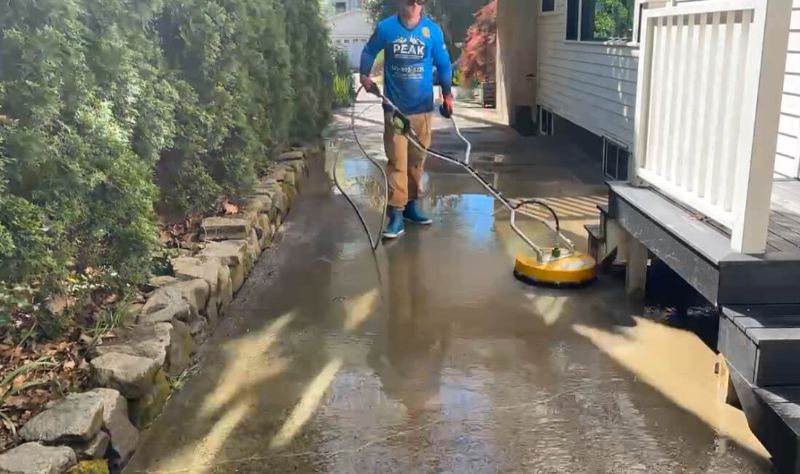
Regular pressure washing is an essential component of paver maintenance that complements sealing and sanding. By keeping surfaces clean, pressure washing enhances the effectiveness of sealants and prolongs the life of pavers.
Advantages of Regular Pressure Washing
-
Mold and Mildew Removal: Portland’s wet climate can lead to mold and mildew growth on outdoor surfaces. Regular pressure washing eliminates these growths, preventing damage to the pavers.
-
Stain Prevention: Dirt and grime can accumulate over time, leading to stains that are difficult to remove. Pressure washing prevents this buildup, keeping surfaces looking new.
-
Increased Curb Appeal: Clean pavers significantly enhance the overall appearance of a property, improving curb appeal and potentially increasing home value.
Integrating Pressure Washing with Paver Sealing and Sanding
For the best results, homeowners should consider scheduling pressure washing prior to sealing and sanding. This integrated approach ensures that pavers are in optimal condition for maintenance and protection.
Professional vs. DIY: The Clear Advantages
While DIY paver sealing and sanding may seem appealing due to lower costs, the benefits of hiring professionals far outweigh the risks.
Cost Considerations
-
Initial Costs vs. Long-Term Savings: While professional services may have a higher upfront cost, the long-term savings from avoiding repairs and replacements often justify the expense.
-
Quality Assurance: Professionals guarantee their work, providing peace of mind that the job will be done right the first time.
Expertise and Experience
-
Knowledge of Local Conditions: Professionals understand the specific challenges posed by Portland’s climate and can tailor their services accordingly.
-
Access to Advanced Equipment: Professional-grade tools and equipment enhance the efficiency and effectiveness of the sealing and sanding processes.
The Importance of Regular Paver Maintenance
Regular maintenance, including sealing, sanding, and pressure washing, is vital for preserving the beauty and functionality of paver surfaces. Homeowners should establish a maintenance schedule based on the specific needs of their outdoor areas.
Recommended Maintenance Schedule
-
Annual Inspections: Conduct a thorough inspection of paver surfaces at least once a year to identify any issues early.
-
Resealing should occur every two to three years: Depending on usage and exposure to the elements, resealing should occur every two to three years.
-
Sanding as Needed: Joint sand may need to be replaced more frequently in high-traffic areas or after heavy rain.
Protect and Elevate Your Pavers With Expert Care
Paver surfaces in Portland are constantly exposed to moisture, shifting, and joint erosion that can lead to fading, weeds, and uneven areas over time. Professional sealing and sanding help stabilize the surface, lock in joint sand, and create a protective barrier against the elements. With the right care, your patios, walkways, and driveways can stay durable, level, and visually appealing for years to come.
If your pavers are starting to look worn or lose their structure, professional service can restore and protect them effectively. Peak Pressure Washing provides paver sealing and sanding tailored to Portland conditions, delivering long-lasting results that enhance both appearance and performance. Request a free quote today and give your outdoor spaces the protection and polish they deserve.