
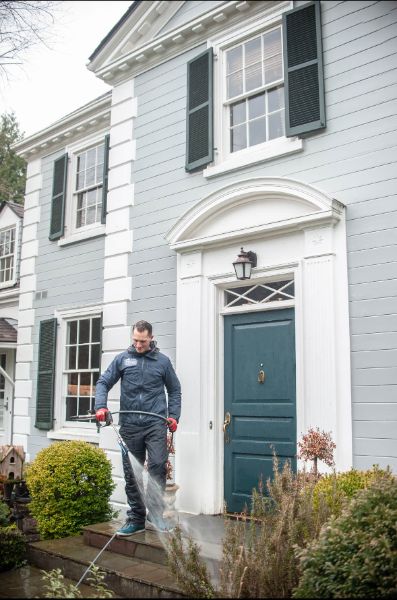
Maintaining the integrity of your outdoor surfaces is vital for both aesthetics and longevity. For homeowners in Portland, proper care of paver surfaces can significantly impact curb appeal and property value. Paver sealing and sanding are essential steps in this maintenance process, but they cannot be executed effectively without prior outdoor surface cleaning. This article provides in-depth insights into why outdoor surface cleaning is critical before engaging in paver sealing and sanding in Portland.
Understanding the Importance of Outdoor Surface Cleaning
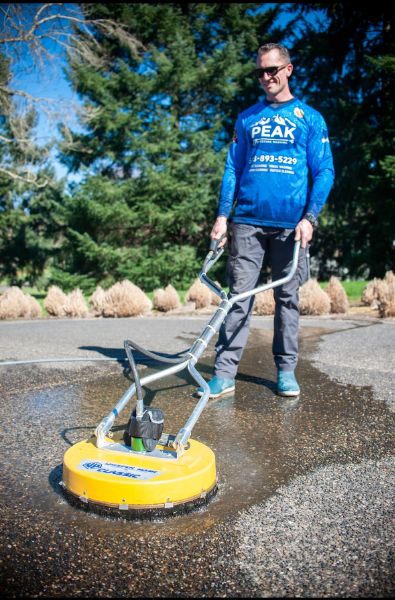
Outdoor surfaces, particularly those made from pavers, are constantly exposed to environmental elements. Over time, dirt, grime, algae, and moss can accumulate on these surfaces, leading to a range of issues that affect both appearance and durability. Proper cleaning not only prepares the surface for sealing and sanding but also extends the life of your paver surfaces.
The Impact of Dirt and Grime
Dirt and grime buildup can cause several problems, including:
-
Decreased Aesthetic Appeal: A dirty surface detracts from the beauty of your outdoor spaces, making them less inviting.
-
Surface Damage: Accumulated debris can lead to surface deterioration, which may necessitate costly repairs or replacements.
-
Safety Hazards: Slippery surfaces due to algae or moss can pose a safety risk for family and guests.
Cleaning these surfaces effectively ensures that they are free of contaminants, allowing sealants to adhere properly and provide maximum protection.
Preparing for Sealant Application
The application of sealants is a critical step in paver maintenance. Sealants protect against water infiltration, staining, and UV damage. However, applying sealants to dirty surfaces can lead to:
-
Poor Adhesion: Sealants may not adhere properly to a contaminated surface, leading to peeling and flaking.
-
Trapped Contaminants: Dirt and grime can become trapped under the sealant, which may cause discoloration and deterioration over time.
To ensure a successful sealing process, outdoor surfaces must be cleaned thoroughly. This preparation is essential for achieving the desired results in paver sealing and sanding in Portland.
Effective Outdoor Surface Cleaning Techniques
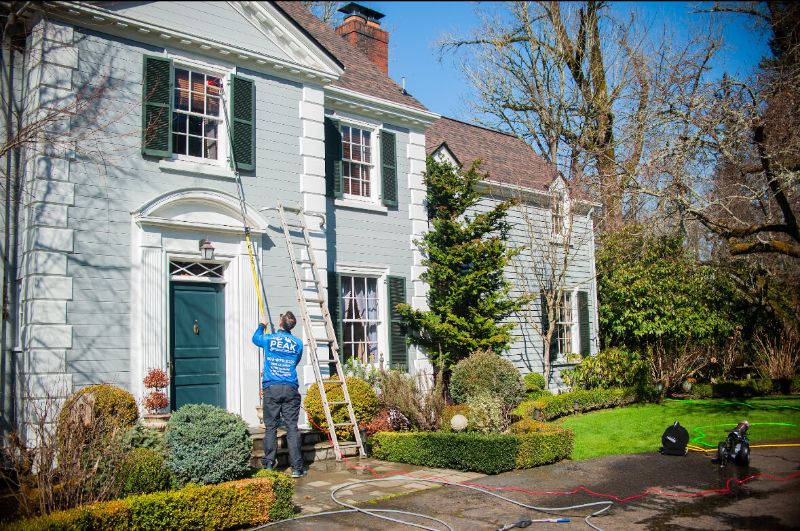
Understanding the best practices for outdoor surface cleaning can help homeowners maintain their paver surfaces effectively. Here are several techniques and tips to consider:
Pressure Washing
Pressure washing is one of the most effective methods for cleaning outdoor surfaces. It involves using high-pressure water jets to remove dirt, algae, and other contaminants.
-
Benefits:
-
Cleans deeply, reaching into the pores of the pavers.
-
Removes stubborn stains and debris effectively.
-
Reduces the need for harsh chemicals.
-
When pressure washing, it is essential to use the appropriate pressure settings to avoid damaging the pavers. A professional service can assess the right pressure level based on the type of paver material.
Chemical Cleaning Solutions
In some cases, chemical cleaning solutions may be necessary to tackle tough stains, such as oil or rust. These solutions can be applied before pressure washing to enhance cleaning effectiveness.
-
Considerations:
-
Always follow the manufacturer’s instructions when using chemical cleaners.
-
Test a small area first to ensure compatibility with the paver material.
-
Use eco-friendly options when possible to minimize environmental impact.
-
Combining chemical cleaning with pressure washing can lead to optimal results, ensuring that the surface is thoroughly cleaned before sealing.
Manual Cleaning
For smaller areas or delicate surfaces, manual cleaning can be effective. This involves using brushes, brooms, or scrubbing pads along with water and cleaning solutions.
-
Advantages:
-
Allows for targeted cleaning of specific areas.
-
Less likely to cause damage compared to high-pressure washing.
-
Manual cleaning can be particularly useful for intricate designs or areas with heavy foot traffic where pressure washing might not be appropriate.
Key Steps in Paver Sealing and Sanding
[image:d1774035-5e5c-47b1-8fd3-7392fa1f49c0]
Once the outdoor surface is clean, the next steps involve paver sealing and sanding. Here are the key actions to follow:
Paver Sanding
Sanding is an essential step that helps lock the pavers in place. It fills in the joints between the pavers, providing stability and preventing weed growth.
-
Choose the right type of sand, typically polymeric sand, which hardens when wet.
-
Apply the sand evenly across the surface, ensuring it fills all joints.
-
Use a broom to sweep away excess sand from the surface.
Proper sanding not only enhances the appearance of the pavers but also contributes to their longevity.
Applying Sealants
Applying sealants is the final step in the maintenance process. Here are the steps to follow:
-
Select a high-quality sealant that is appropriate for your paver type.
-
Use a roller or sprayer to apply the sealant evenly across the surface.
-
Allow sufficient drying time as specified by the manufacturer.
This process creates a protective barrier that guards against stains, moisture, and UV damage, effectively prolonging the life of your pavers.
Common Mistakes to Avoid in Paver Maintenance
Even with a clear understanding of the cleaning and sealing process, homeowners often make mistakes that can lead to subpar results. Here are some common pitfalls to avoid:
Skipping the Cleaning Step
Many homeowners underestimate the importance of cleaning before sealing. Neglecting this step can lead to adhesion problems and compromised protection.
Using the Wrong Products
Not all cleaning products or sealants are suitable for every type of paver. Using inappropriate products can cause discoloration or damage to the surface.
Ignoring Weather Conditions
Weather can significantly impact the effectiveness of sealing. Avoid sealing pavers during rain or extreme heat, as this can hinder proper curing.
The Benefits of Professional Services
While some homeowners may choose to handle paver maintenance themselves, hiring professionals can yield significant benefits. Professional services often offer:
-
Expertise: Knowledge of the best cleaning techniques and products for various paver types.
-
Efficiency: Ability to complete the job quickly and effectively, saving homeowners time and effort.
-
Quality Assurance: Assurance that the job will be done correctly, reducing the risk of future problems.
For residents in Portland, engaging professionals for paver sealing and sanding can ensure that outdoor surfaces are maintained to the highest standards.
Long-Lasting Pavers Start With Proper Surface Preparation
Thorough outdoor surface cleaning is the foundation of effective paver sealing and sanding. Removing built-up dirt, moss, algae, and old joint sand allows new sand and sealant to properly bond, improving durability and preserving the look of your hardscapes. In Portland’s moisture-heavy climate, this proactive approach helps prevent shifting, weed growth, and premature wear while keeping patios, walkways, and driveways looking sharp.
If your pavers are fading, uneven, or showing signs of moss and joint erosion, it may be time for professional care. Peak Pressure Washing provides expert paver cleaning, sealing, and sanding tailored to Portland homes, ensuring each surface is properly prepared and protected. Request a free quote today and give your outdoor spaces the long-term protection they deserve.