
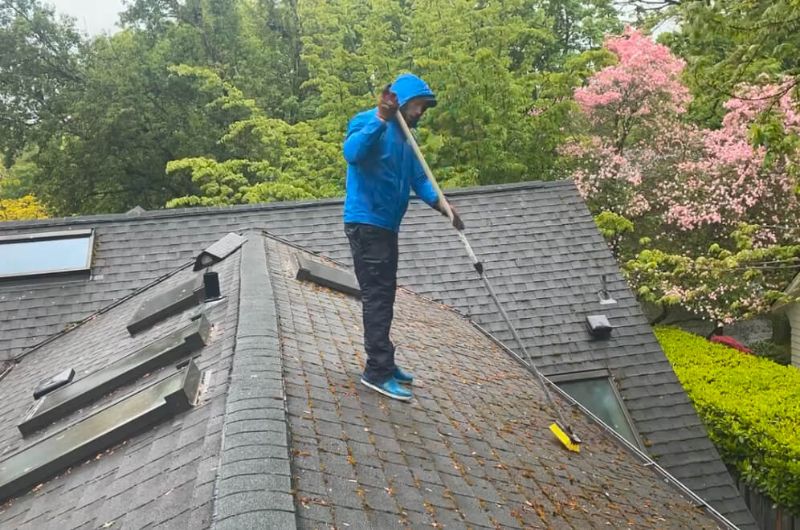
Late summer gives you the best conditions to protect your home before Oregon’s fall rains arrive. Dry, stable weather lets cleaning solutions work effectively and surfaces dry completely. Your roof has already absorbed months of heat stress, granule loss, and debris buildup, while your gutters are likely weakened from thermal expansion and compaction. Addressing these vulnerabilities now prevents minor damage from becoming costly structural failures. Keep going to understand exactly what’s at stake.
Key Takeaways
-
Late summer’s dry, stable weather creates ideal conditions for roof and gutter cleaning, allowing solutions to dwell and surfaces to dry effectively.
-
Summer heat causes shingles to expand, contract, and lose granules, making late summer inspections essential for catching UV and moisture damage early.
-
Gutters accumulate compacted debris and weakened seams throughout summer, requiring cleaning before Oregon’s heavy fall rainfall begins.
-
Removing debris and clearing downspouts ensures proper water drainage away from foundations, preventing soil erosion and structural damage.
-
Addressing vulnerabilities in late summer stops aggressive moss growth, cracked gutter joints, and costly repairs before peak rain season arrives.
Oregon’s Late Summer Weather Works in Your Favor
Late summer in Oregon brings a narrow but valuable window of dry, stable weather that makes roof and gutter maintenance far more effective.
Weather patterns between late July and early September typically deliver low precipitation, reduced humidity, and consistent temperatures—conditions that allow cleaning solutions to dwell properly, surfaces to dry completely, and technicians to work safely at elevation.
Understanding seasonal impacts helps you make smarter decisions about when to schedule exterior maintenance.
Attempting roof or gutter cleaning during Oregon’s wet season introduces risks: saturated materials, ineffective treatments, and slippery working conditions.
Late summer eliminates those variables. You’re working with surfaces that are dry, accessible, and ready to accept protective treatments before fall rainfall arrives and accelerates moss growth, organic buildup, and debris accumulation inside your gutters. Additionally, regular cleaning minimizes repair costs and helps maintain the integrity of your home.
What a Summer of Heat and Debris Does to Your Roof
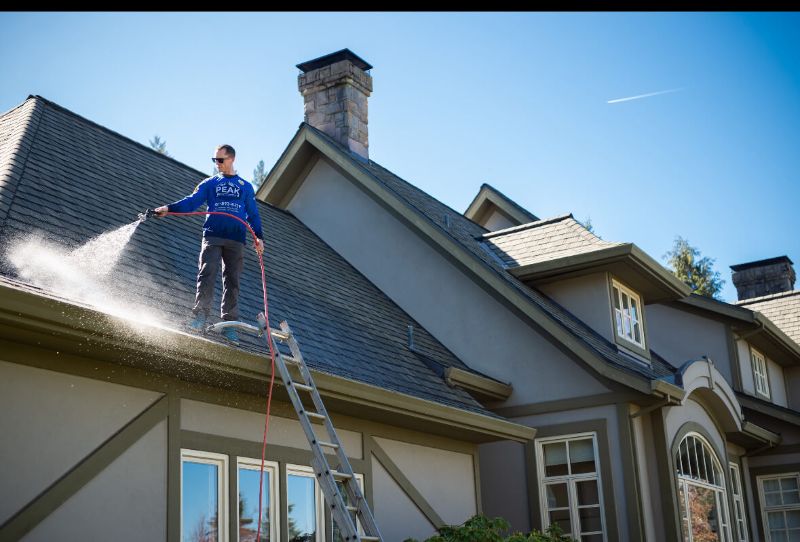
While dry summer conditions make late-season cleaning more effective, those same months aren’t passive on your roof. Summer heat accelerates the degradation of roofing materials, causing shingles to expand, contract, and lose granules over time.
That granule loss exposes the underlying asphalt, making it more vulnerable to UV damage and moisture intrusion once fall rains arrive.
Meanwhile, roof debris accumulates steadily throughout summer. Dried pine needles, leaves, and seed pods collect along valleys, around penetrations, and inside gutters.
Unlike wet debris, dry material compacts tightly, creating dense blockages that trap moisture against roofing surfaces. This promotes moss and algae colonization the moment humidity returns. Regular roof inspections can help catch these potential issues early, ensuring your roof remains in top condition.
Why Gutters Are Already Pushing Their Limits
By late summer, your gutters have already absorbed months of thermal stress, debris accumulation, and UV exposure—often without a single cleaning cycle.
Expansion and contraction from summer heat weakens seams and fasteners, while compacted organic debris restricts flow capacity. When late-season storms arrive, that restriction triggers gutter overflow almost immediately—sending water cascading against your foundation, fascia boards, and siding.
Moisture buildup accelerates behind clogged downspouts, creating standing water that breeds mold, warps wood, and corrodes metal components.
You’re not dealing with a minor inconvenience—you’re looking at compounding structural risk. The debris load your gutters carry by August is heavier than most homeowners expect, and it only increases as fall approaches.
Cleaning now prevents the worst-case scenarios before peak rainfall season hits, as regular cleaning is essential for effectiveness.
Clean Now Before Fall Rains Turn Small Problems Into Big Ones
The window to act before Oregon’s fall rains arrive is narrow, and every week you wait compounds the risk.
Seasonal preparations completed in late summer give you control over outcomes that become expensive once heavy rainfall begins. Preventative measures now address vulnerabilities before water does the damage for you.
Late summer cleaning resolves:
-
Debris-packed gutters that redirect water toward fascia boards and foundations
-
Moss colonies on roofing that expand aggressively under wet conditions
-
Cracked or separating gutter joints that leak under high-volume flow
-
Downspout blockages that cause overflow and soil erosion near your foundation
-
Organic buildup on roof surfaces that accelerates shingle deterioration
Each item on that list is manageable now. Additionally, ensuring regular gutter cleaning helps maintain effective drainage and prevents costly water damage in the long run.
After the rains start, you’re reacting instead of preventing.
What Roof and Gutter Maintenance Actually Involves
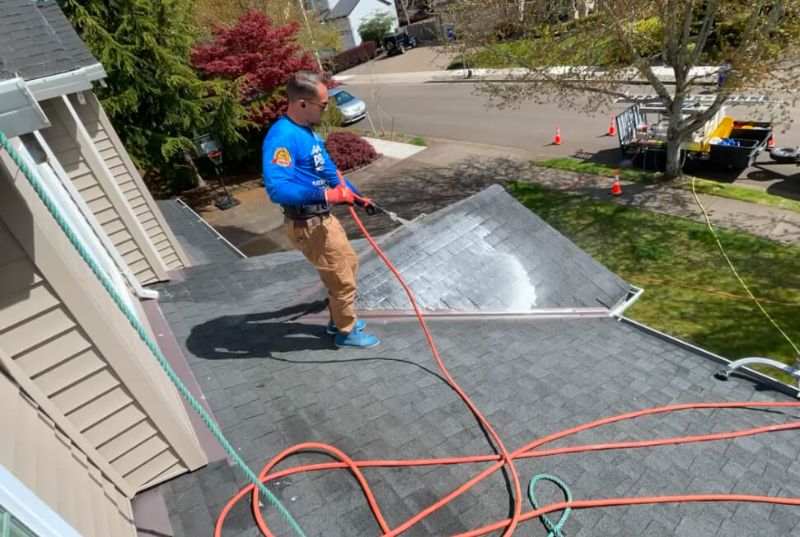
Roof and gutter maintenance covers more ground than most homeowners expect. Effective roof cleaning techniques go beyond rinsing off surface debris. Professionals apply low-pressure soft washing with biodegradable treatments to eliminate moss, algae, and lichen without cracking or dislodging shingles.
They’ll also clear ridge caps, valleys, and flashings where organic growth concentrates.
Gutter inspection tips follow a similar depth-first approach. It’s not enough to scoop out debris and call it done. A thorough inspection checks for sagging sections, separated joints, improper pitch, and compromised downspout connections.
Technicians flush the system under pressure to confirm water moves freely from roofline to ground-level drainage. This comprehensive approach not only protects your roof but also enhances the lifespan of roofs, preventing costly repairs down the line.
Together, these processes identify structural vulnerabilities before fall rains expose them—turning what looks like routine maintenance into meaningful damage prevention.
How to Choose the Right Pressure Washing Company in Portland
Choosing the right pressure washing company in Portland comes down to a handful of verifiable factors. Before you hire anyone, confirm they meet these standards:
-
Licensed and insured for both residential and commercial work
-
Demonstrated experience with soft washing and low-pressure roof cleaning
-
Transparent, itemized pricing with no hidden fees
-
Documented customer reviews on Google or verified third-party platforms
-
Clear service guarantees outlining what happens if results don’t meet expectations
Customer reviews reveal patterns—repeated complaints about missed spots or surface damage are red flags you shouldn’t ignore.
Service guarantees signal that a company stands behind its work.
Peak Pressure Washing checks each of these boxes, making them a reliable choice for Portland homeowners preparing their roofs and gutters before fall arrives.
Frequently Asked Questions
How Often Should Oregon Homeowners Schedule Roof and Gutter Maintenance Annually?
You should schedule seasonal maintenance twice yearly—late summer and early spring. These preventative tips keep Oregon’s moss, debris, and rainfall damage at bay, protecting your roof and gutters from costly long-term deterioration.
Does Homeowners Insurance Cover Damage From Neglected Gutters or Roofs?
Most insurers won’t cover damage from gutter neglect consequences, as they classify it as preventable maintenance failure. Review your insurance policy specifics carefully—you’re responsible for proving you’ve maintained your roof and gutters properly.
Are There Permits Required for Professional Roof Cleaning in Portland?
You don’t typically need permits for professional cleaning in Portland. However, you should verify local permit regulations with your contractor, as specific chemicals or methods used on certain roof types may require additional compliance steps.
Can Roof Cleaning Void My Existing Roofing Material Warranty?
Yes, improper roof cleaning can void your warranty. To avoid warranty implications, you’ll want to hire certified professionals who follow manufacturer-approved methods. Peak Pressure Washing delivers roof cleaning benefits while preserving your roofing material’s warranty compliance.
What Is the Average Cost of Roof and Gutter Cleaning in Portland?
In Portland, you’ll typically spend $300–$600 for combined roof and gutter cleaning. Cost factors like roof size, pitch, and moss buildup affect pricing. Your cleaning frequency—ideally annual—can also influence long-term service rates.
Conclusion
Late summer won’t wait, and neither should you. Your roof and gutters are already carrying months of debris, UV stress, and biological growth — and Oregon’s fall rains are just weeks away. Scheduling a professional cleaning now means you’re not scrambling after water damage appears. You’ll extend your roofing materials’ lifespan, protect your home’s structural integrity, and head into the wet season with a system that actually works. Don’t hand the rain an easy target.