
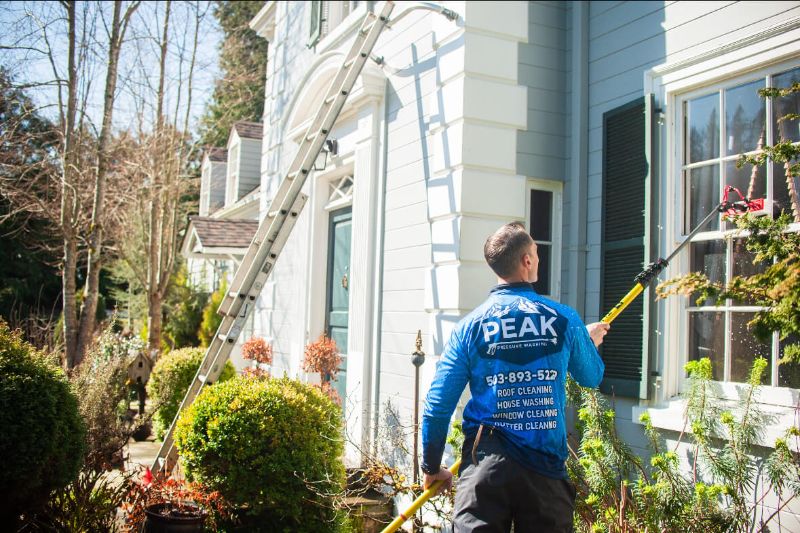
Your siding’s turning green because algae, mold, mildew, or lichen have taken hold on its surface. These organisms thrive wherever moisture lingers, making shaded, north-facing walls especially vulnerable. Your siding material matters too — wood and fiber cement absorb moisture readily, while even vinyl can harbor growth in its textured crevices. Left unchecked, the problem can go beyond cosmetic damage. Stick around to learn exactly what’s happening, what’s at risk, and how to fix it.
Key Takeaways
-
Green siding is caused by living organisms like algae, mold, mildew, or lichen thriving in moisture-retaining conditions.
-
North-facing and shaded walls stay damp longer, making them prime locations for green growth development.
-
Wood and fiber cement siding absorb moisture easily, making them especially vulnerable to green organism growth.
-
Soft, spongy siding or peeling paint alongside green growth may indicate serious underlying moisture damage.
-
Regular cleaning, annual sealant application, and trimming nearby trees help prevent green siding from recurring.
What’s Actually Causing the Green on Your Siding?
That green tint creeping across your siding isn’t just dirt — it’s a living organism. Algae, mold, mildew, or lichen have colonized your exterior surface, and each thrives under specific conditions you likely have around your home.
Mold spores exist everywhere in outdoor air. When they land on siding with adequate moisture retention, they germinate and multiply rapidly. North-facing walls, shaded areas under trees, and surfaces near sprinkler systems are prime targets because they stay damp longer.
Your siding material matters too. Wood and fiber cement absorb moisture, making them especially vulnerable. Vinyl resists absorption but still harbors organic growth on its surface when dirt accumulates.
Identifying the exact organism — algae versus mold versus lichen — determines the correct removal method and prevents premature reoccurrence.
Why Certain Sides of Your House Turn Green First?
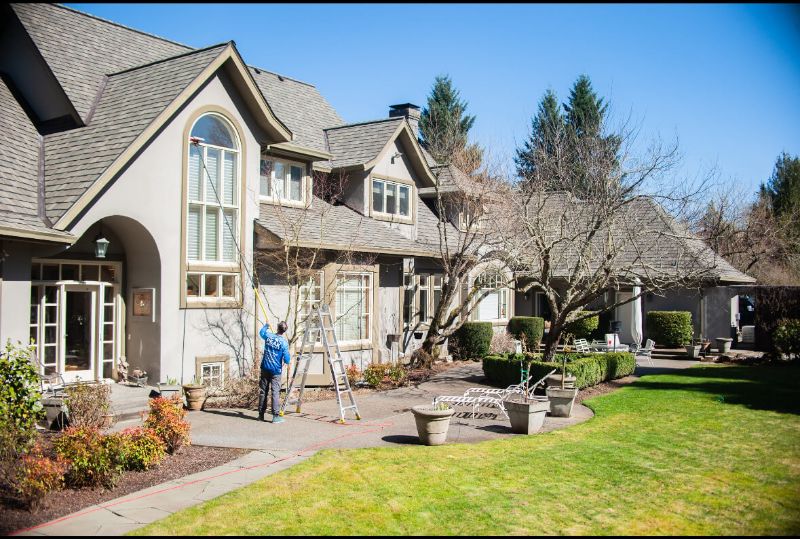
Walk around your house and you’ll almost always notice the green growth concentrated on one or two sides rather than spread evenly across all four walls. Siding orientation and moisture retention are the two primary factors driving this pattern.
Four conditions make specific sides more vulnerable:
-
North-facing walls receive minimal direct sunlight, keeping surfaces damp longer.
-
Shaded areas blocked by trees or structures prevent evaporation after rainfall.
-
Low-slope roof overhangs allow water to drip repeatedly onto the same siding sections.
-
Ground-level siding near soil or mulch absorbs rising moisture continuously.
Once you identify which sides stay wettest longest, you’ve pinpointed your problem zones.
Targeted cleaning and preventative treatments work far more effectively when you address these specific moisture-trapping conditions directly.
Which Siding Materials Are Most Vulnerable to Green Growth?
Not all siding materials resist green growth equally, and your choice of material directly affects how quickly algae and mold take hold.
Wood siding is the most vulnerable because it’s organic, absorbs moisture readily, and gives algae, mold, and mildew an ideal surface to colonize.
Vinyl siding’s textured surfaces and shaded crevices trap moisture and organic debris that fuel the same growth.
Fiber cement and stucco present their own risks since both materials are porous, allowing moisture to penetrate and create the damp conditions that green growth thrives in.
Wood and Vinyl Vulnerability
While all exterior siding can develop green growth under the right conditions, wood and vinyl are the two most vulnerable materials you’ll encounter. Their surfaces retain moisture and organic debris, creating ideal breeding grounds for algae and mold.
Here’s why each material struggles:
-
Wood siding absorbs moisture deeply, making mold prevention considerably harder without regular surface treatments.
-
Vinyl siding develops microscopic scratches that trap algae, reducing its natural algae resistance over time.
-
Both materials require specific cleaning techniques, as harsh chemicals damage wood grain and degrade vinyl’s finish.
-
Neglected surfaces accelerate green growth cycles, forcing more aggressive interventions later.
Understanding these vulnerabilities helps you apply targeted solutions before minor discoloration becomes a costly, widespread problem requiring professional remediation.
Fiber Cement and Stucco Risks
Fiber cement and stucco resist moisture better than wood or vinyl, but they’re not immune to green growth. Fiber cement longevity depends heavily on maintaining its painted or sealed surface. Once that protective coating cracks or peels, moisture penetrates the substrate, creating ideal conditions for algae and mold.
You’ll typically see green buildup along horizontal ledges, window trim, and low-lying panels where water pools.
Stucco presents a different challenge. Its porous, textured surface traps organic debris and moisture, giving algae a foothold faster than smoother materials.
Poor stucco maintenance accelerates deterioration, as biological growth works deeper into surface cracks over time.
For both materials, inspect sealed surfaces annually, address cracks immediately, and apply a biocidal wash at the first sign of green discoloration to prevent deeper infiltration.
Is Green Siding Causing Damage, or Just an Eyesore?
When you notice green siding on your home, the first question worth asking is whether it’s purely a cosmetic issue or a sign of deeper structural damage.
Green growth ranges from minor aesthetic concerns to serious mold impact depending on how long it’s been left untreated.
Consider these warning signs:
-
Soft or spongy siding — indicates moisture has penetrated the material
-
Peeling paint beneath growth — suggests prolonged water exposure
-
Visible black streaks — signals mold spreading beyond surface algae
-
Interior wall staining or odors — confirms moisture has breached the structure
If you’re only dealing with surface algae, it’s largely cosmetic.
But ignored growth accelerates material breakdown, so acting quickly protects both your siding’s integrity and your home’s value.
How to Clean Green Growth Off Your Siding Safely
Once you’ve confirmed the growth is surface-level, cleaning green siding is a straightforward process if you use the right materials and technique.
Mix a solution of one part white vinegar to three parts water, or choose eco-friendly cleaners specifically formulated for exterior surfaces.
Apply the solution using a soft-bristle brush, scrubbing in gentle circular motions to avoid scratching or forcing moisture behind panels. Work from top to bottom to prevent streaking.
Rinse thoroughly with a garden hose on a low-pressure setting. Among the most effective siding maintenance tips is avoiding pressure washers, as high-pressure water can crack panels, loosen caulking, and drive moisture into your wall cavity.
Repeat the cleaning process every spring to prevent regrowth before it accelerates.
How to Prevent Green Growth From Coming Back
Cleaning your siding removes existing growth, but preventing it from returning requires addressing the underlying conditions that allow algae, mold, and mildew to thrive.
Applying preventive measures now saves you from repeated cleaning cycles. Consider these long-term solutions:
-
Apply a mold-inhibiting sealant or biocide treatment to your siding annually.
-
Trim trees and shrubs to increase sunlight exposure and reduce moisture retention.
-
Improve drainage around your home’s foundation to eliminate standing water near siding.
-
Install zinc or copper strips along your roofline, releasing metal ions that naturally inhibit biological growth.
Combining these strategies greatly reduces regrowth frequency.
You’ll also want to inspect your siding each spring, catching early signs before minor discoloration becomes a costly, widespread problem.
Frequently Asked Questions
Can Green Siding Growth Affect My Home’s Resale Value?
Yes, green growth can hurt your home’s resale implications by signaling neglect to buyers. You’ll want to prioritize siding maintenance now, as clean, well-kept exteriors actively boost buyer confidence and strengthen your property’s market value.
Does Homeowners Insurance Cover Damage Caused by Siding Green Growth?
Your homeowners insurance typically won’t cover green growth damage, as it’s considered a maintenance issue. Review your insurance policy specifics carefully, and follow siding maintenance tips to prevent costly, uncovered repairs before they escalate.
How Long Does Professional Siding Cleaning Typically Take to Complete?
Professional services typically complete your siding cleaning in 2–6 hours, depending on home size and growth severity. You’ll benefit from these siding maintenance tips: scheduling annual cleanings prevents buildup and keeps your siding looking pristine longer.
Can Green Growth on Siding Spread to Nearby Plants or Trees?
Generally, green growth on your siding won’t directly spread to nearby plants, but you shouldn’t ignore it. Prioritizing siding maintenance protects plant health by preventing moisture buildup that creates conditions where algae and mold can thrive nearby.
Are There Specific Climates Where Green Siding Growth Is More Common?
Yes, you’ll find green growth thrives in humid, rainy climates. High humidity levels accelerate algae and mold development on your siding. If you’re in these regions, you should prioritize preventive measures like regular cleaning and moisture-resistant coatings.
Stop Green Siding at the Source and Keep It From Coming Back
Green siding buildup isn’t something you have to live with—it’s something you can control with the right approach. Moisture, shade, and organic growth are the main drivers, and once you understand that, the solution becomes clear: remove existing buildup, reduce the conditions that allow it to thrive, and stay consistent with maintenance. Regular inspections and simple preventative steps go a long way in keeping your home’s exterior clean and protected.
If your siding is already showing green patches or streaks, professional cleaning can safely remove buildup without damaging the surface. Peak Pressure Washing provides house washing services tailored to moisture-heavy climates, helping homeowners stop the cycle before it restarts. Request a free quote today and keep your home looking clean, bright, and well-maintained year-round.