
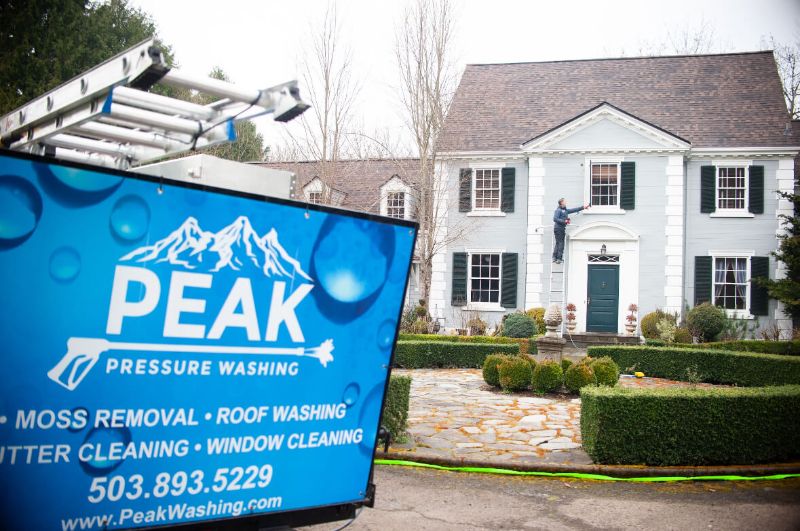
Every spring, your house turns yellow because airborne pollen grains carry an electrostatic charge that bonds them to exterior surfaces the moment they land. Pollen also has a microscopic, waxy coating that grips textured materials like stucco and wood siding. Spring moisture then activates sticky proteins in the pollen, embedding it even deeper into porous surfaces. Understanding exactly which trees, surfaces, and conditions make this worse can help you tackle the problem more effectively.
Key Takeaways
-
Portland trees like Douglas fir, birch, and ornamental cherry release massive pollen volumes each spring, coating nearby surfaces.
-
Pollen carries an electrostatic charge, causing it to bond stubbornly to exterior surfaces rather than blowing away.
-
Textured surfaces like stucco and concrete trap pollen in grooves and pores, accelerating visible staining.
-
Spring rain activates sticky pollen proteins, embedding particles deeper into surfaces and intensifying yellow discoloration.
-
Successive rain events layer pollen deposits over time, causing stains to worsen throughout the season.
Why Yellow Pollen Sticks to Your Home’s Exterior
Every spring, pollen blankets Portland homes in a stubborn yellow-green film that’s surprisingly difficult to remove. Pollen adhesion factors explain why it clings so effectively — pollen grains carry an electrostatic charge that bonds them to siding, windows, roofing, and concrete surfaces.
Their microscopic, waxy coating allows them to grip textured materials like vinyl, wood, and stucco with remarkable tenacity.
The environmental impact compounds the problem. Portland’s wet spring climate activates pollen’s sticky proteins, causing grains to swell and embed deeper into surface pores.
Wind drives particles into crevices, gutters, and roof valleys where moisture traps them further. Without intervention, pollen mixes with mold spores and algae, accelerating surface degradation.
Understanding these adhesion mechanics helps you recognize why standard rinsing rarely eliminates pollen buildup effectively. Regular pressure washing is essential to prevent lasting damage and maintain your home’s exterior aesthetics.
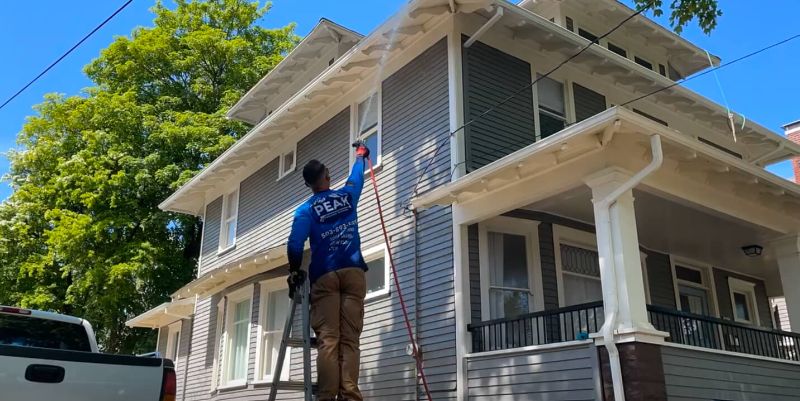
Which Trees and Plants Cause the Worst Pollen Stains in Portland
Portland’s tree canopy is dominated by several high-output pollen producers that hit homes harder than others. Douglas fir and western red cedar are the most prolific pollen-producing trees in the region, releasing dense, waxy granules that bond aggressively to siding, roofing, and window surfaces.
Birch and oak trees contribute fine, high-volume pollen that accumulates in textured materials like stucco and wood grain.
Among common flowering plants, ornamental cherry trees—widely planted throughout Portland neighborhoods—drop heavy loads of sticky pollen in early spring. Hazelnut shrubs release pollen as early as February, extending your exposure window considerably.
These species don’t just dust your home’s exterior—they coat it in layers that compound weekly throughout the season, making early cleaning intervention critical for preventing permanent surface staining. Regular pressure washing is essential for maintaining a clean and professional appearance and mitigating the effects of pollen accumulation.
Why Spring Rain Makes Pollen Stains Worse, Not Better
When spring rain hits your pollen-coated surfaces, it doesn’t rinse them clean—it spreads the particles further across driveways, siding, and rooflines, expanding the stained area.
Wet surfaces absorb pollen more readily than dry ones, allowing pigments to penetrate porous materials like concrete, wood, and composite siding at a deeper level.
Once the rain stops and surfaces dry, the heat and sun lock those pigments in, making the stains considerably harder to remove than if you’d addressed them before the rain hit. Regular seasonal inspections can help catch these issues before they worsen.
Rain Spreads Pollen Further
Many homeowners assume spring rain will wash pollen away, but it actually makes staining worse. Light rainfall doesn’t generate enough force to dislodge embedded pollen particles. Instead, water activates the sticky proteins within pollen grains, bonding them more aggressively to siding, roofing, and concrete surfaces.
Spring weather effects compound this problem through a process called pollen dispersal patterns. Rainwater carries pollen horizontally across your exterior surfaces, spreading contamination into areas that weren’t initially affected.
As water evaporates, it leaves concentrated pollen deposits behind, deepening the yellow discoloration. Successive rain events repeat this cycle, layering stains over time.
Wet Surfaces Absorb Stains
Rain doesn’t just spread pollen across your exterior surfaces — it also primes those surfaces to absorb stains more deeply. When moisture saturates siding, concrete, or wood, it opens the material’s pores, increasing wet absorption considerably.
Pollen particles suspended in rainwater penetrate these open pores rather than sitting on top, embedding pigment compounds beneath the surface layer. This is why you can’t simply wait for rain to rinse pollen away — it actively worsens the staining.
Dry surfaces resist absorption more effectively, but wet surfaces function almost like a sponge, pulling contaminants inward. Without proper surface treatment applied after cleaning, your exterior remains vulnerable to deeper staining each consecutive rain cycle, making seasonal pollen buildup progressively harder to remove.
Drying Locks Stains In
Each rain cycle that follows pollen deposition doesn’t wash your surfaces clean — it deepens the problem. As wet pollen dries, it undergoes oxidation and polymerization, bonding organic compounds to your surface at a molecular level.
Without proper drying techniques applied post-cleaning, residual pollen continues curing into the substrate.
Key mechanisms that accelerate stain permanence:
-
UV exposure cross-links pollen proteins into surface pores after moisture evaporates
-
Repeated wet-dry cycles drive pigments progressively deeper into concrete and wood grain
-
Residual moisture prolongs chemical bonding between pollen tannins and surface materials
-
Porous substrates like wood and textured concrete absorb oxidized pollen fastest
-
Delayed stain prevention measures allow irreversible pigment fixation within 48–72 hours
Acting during the wet phase — before full drying occurs — dramatically improves removal outcomes.
Surfaces Most Vulnerable to Yellow Pollen Buildup
Not all exterior surfaces accumulate pollen at the same rate.
Horizontal surfaces like roofs, decks, and concrete flatwork collect the heaviest deposits because pollen settles by gravity and has nowhere to shed.
Textured surfaces compound the problem further, as rough concrete, wood grain, and composite siding trap pollen particles within their pores and grooves, making removal considerably harder than on smooth surfaces. Additionally, pressure washing services can effectively remove stubborn pollen buildup from these challenging surfaces.
High-Risk Exterior Surfaces
While pollen settles across every outdoor surface, certain materials and structural features concentrate buildup far more than others. Textured and porous surfaces trap fine particles most aggressively, making preventive maintenance and consistent seasonal cleaning essential for protecting your property’s exterior.
High-risk surfaces include:
-
Roof shingles – granular asphalt textures capture airborne pollen and hold moisture, accelerating staining.
-
Window screens – fine mesh fibers act as a filter, accumulating dense pollen layers.
-
Horizontal siding grooves – recessed channels collect settled particles with minimal wind dispersal.
-
Concrete driveways and walkways – porous surfaces absorb pollen oils, producing stubborn yellow discoloration.
-
Gutters and fascia boards – low-slope surfaces trap debris and pollen simultaneously, compounding buildup over time.
Textured Surfaces Trap Pollen
Surface texture determines how aggressively pollen accumulates and how difficult removal becomes. Rough or porous materials create microscopic cavities where pollen grains lodge and resist displacement by wind or light rain.
On textured surfaces like stucco, rough-sawn wood, and concrete block, pollen accumulation accelerates because surface friction increases particle contact and retention.
Smooth surfaces shed pollen more easily because there’s minimal mechanical grip. Textured surfaces work the opposite way, fundamentally trapping particles within their profile.
Brick mortar joints, wood grain channels, and aggregate-finish concrete all function as pollen reservoirs.
Once spring moisture activates proteins within trapped pollen, staining compounds bond directly to surface materials.
The deeper the texture, the harder standard rinsing removes embedded deposits, making professional cleaning the most effective solution.
Can You Remove Pollen Stains With a Garden Hose?
Sometimes a garden hose can rinse away fresh, loose pollen before it bonds to a surface, but it won’t generate enough pressure to lift dried or stained pollen residue.
Garden hose effectiveness drops considerably once pollen oxidizes and adheres to porous materials. For successful pollen removal techniques, you need targeted water pressure and proper detergents.
A standard garden hose falls short because:
-
It delivers only 40–60 PSI, far below the 1,500–3,000 PSI needed to dislodge bonded pollen
-
It lacks the flow rate to flush textured surfaces thoroughly
-
It doesn’t apply cleaning agents that break down pollen’s oily coating
-
It can spread pollen laterally rather than removing it
-
It leaves moisture behind, encouraging mold and algae growth
When to Call a Professional for Pollen Removal
Certain pollen situations exceed what DIY methods can safely or effectively resolve.
If your home has textured siding, aged wood, or painted surfaces, incorrect pollen removal techniques can cause permanent discoloration or surface degradation.
Two-story homes present height risks that make thorough DIY cleaning impractical and dangerous.
Pollen that’s bonded with mold, algae, or oxidized residue also requires specialized treatments beyond standard garden equipment.
Professional cleaning addresses these challenges using calibrated pressure settings, commercial-grade detergents, and proper surface-specific protocols. Routine maintenance is crucial to prevent long-term staining and damage.
You’ll get consistent results without risking streaking, surface damage, or incomplete removal that allows regrowth.
If your exterior shows widespread staining, recurring buildup despite repeated rinsing, or biological contamination alongside pollen deposits, contacting a licensed exterior cleaning company is the most effective and cost-efficient decision you can make.
Frequently Asked Questions
Is Yellow Pollen Buildup Harmful to My Family’s Health?
Yes, yellow pollen buildup can trigger pollen allergies and pose health risks for your family. It’s known to worsen respiratory conditions, irritate eyes, and aggravate asthma, especially when it accumulates on surfaces you frequently touch or near entryways.
How Long Does Pollen Season Typically Last in Portland, Oregon?
In Portland, you’ll typically experience pollen season from February through October. Different pollen types—tree, grass, and weed—overlap throughout these months, prolonging seasonal allergies and continuously depositing stubborn yellow residue across your home’s exterior surfaces.
Does Pollen Damage Affect My Home’s Resale or Appraisal Value?
Yes, uncleaned pollen buildup can negatively affect resale impact and appraisal considerations. Appraisers factor in curb appeal, and stained exteriors signal neglect, potentially lowering your home’s assessed value and deterring prospective buyers during evaluations.
How Much Does Professional Pollen Removal Service Typically Cost?
Professional pollen removal costs vary based on home size, surface type, and service complexity. Key cost factors include square footage and accessibility. You’ll typically invest $150–$400, though bundling services with Peak Pressure Washing can reduce your overall expense.
Can Pollen Stains Permanently Discolor or Stain My Siding?
Pollen rarely permanently stains siding, but prolonged exposure can embed particles into porous surfaces. You’ll protect your home through proactive stain prevention and routine siding maintenance, as prompt cleaning stops discoloration before it becomes increasingly difficult to remove.
Conclusion
Every spring, your home’s exterior becomes a target for airborne pollen due to plant biology, surface texture, and weather patterns working against you. You’ve seen how rain embeds particles deeper, how certain surfaces trap more buildup, and why a garden hose often isn’t enough. Don’t let pollen compromise your curb appeal or surface integrity. When buildup exceeds what basic rinsing can handle, professional pressure washing delivers the precise, effective removal your home’s exterior actually needs.